










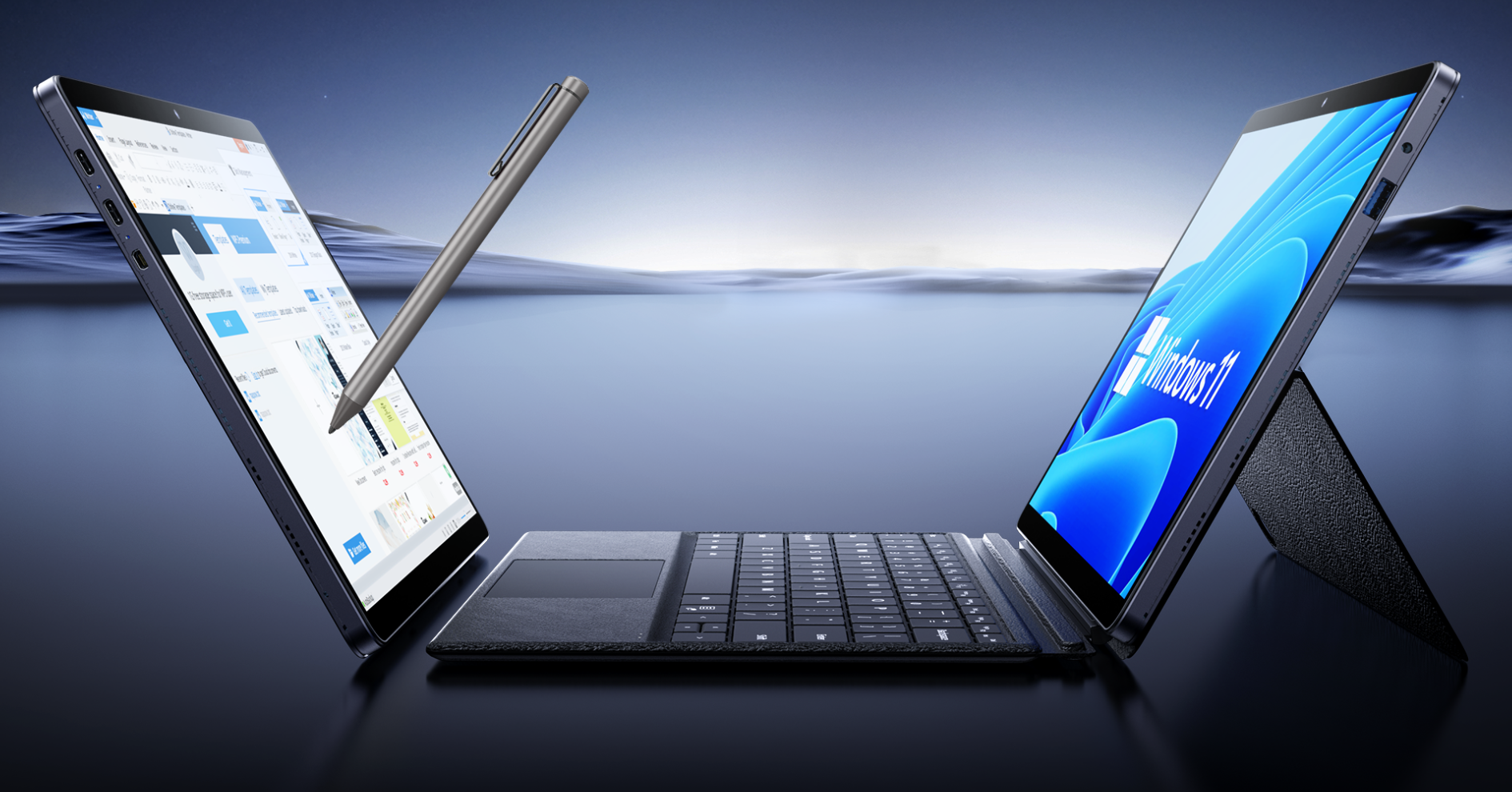
When it comes to affordable 2-in-1 tablets that offer solid performance without breaking the bank, Chuwi has built a name for itself. Two of their latest models, the Chuwi Hi10 X1 N150 and Hi10 Max N150, are perfect examples of how much functionality you can now pack into a sleek and portable device. Whether you’re a student, a remote worker, or a casual user, these Windows-powered tablets promise versatility on the go. But how do they really stack up against each other? Let’s dive into the details—design, performance, features, and everything in between.
Design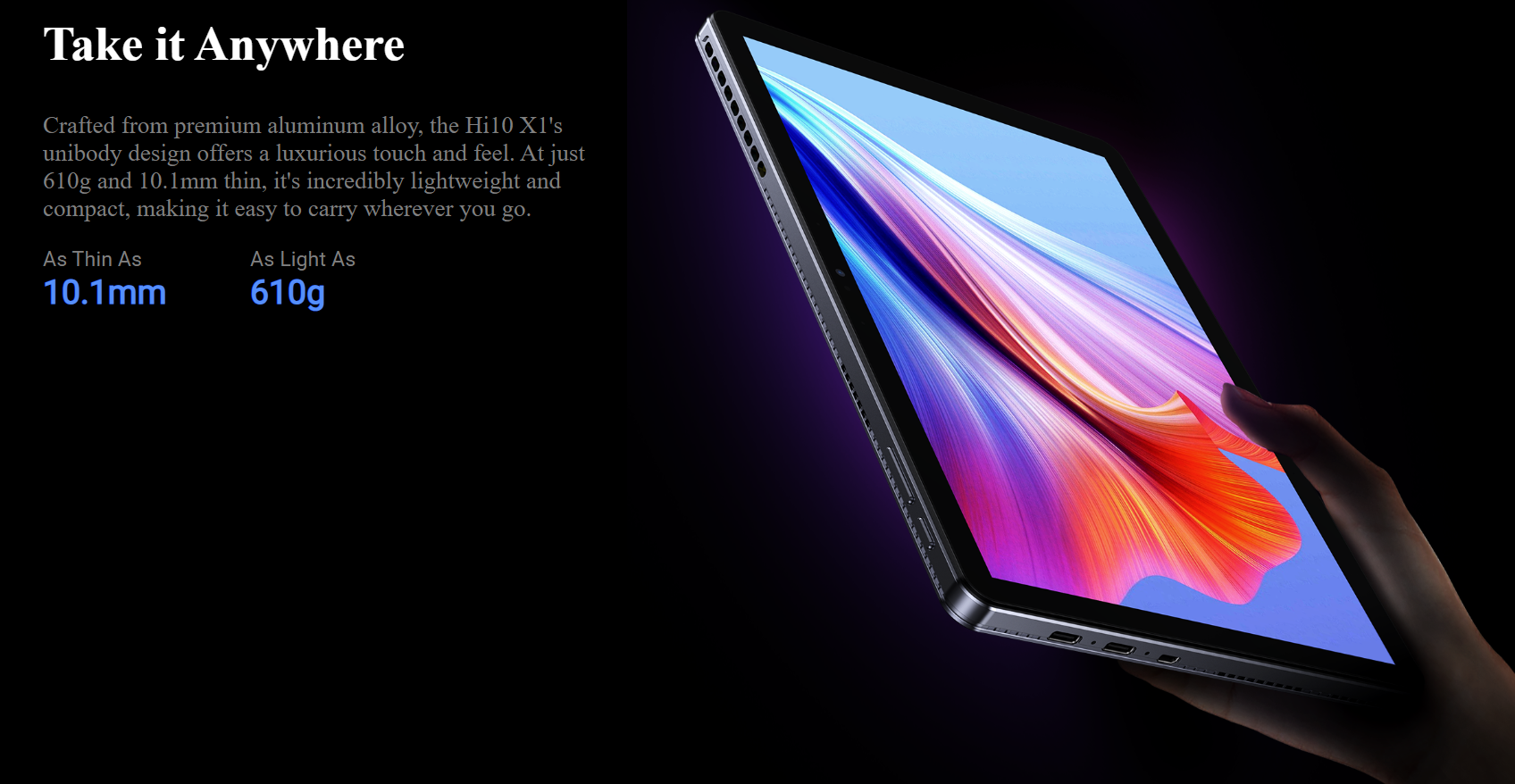
Both devices offer a premium aesthetic with aluminum alloy unibody designs, but there are clear differences when it comes to screen size and weight.
The Chuwi Hi10 X1 is smaller and lighter—just 10.1 inches and 610g, with a thin 10.1mm profile. Its compact footprint makes it ultra-portable, perfect for tossing into a bag without a second thought. The matte metal body gives it a professional look, and it doesn’t feel cheap by any means.
On the other hand, the Hi10 Max steps up the game with a larger 12.96-inch display, slightly heavier at 780g, but still impressively thin at 9.3mm. Despite being larger, it feels just as refined, thanks to its advanced spray technology finish that delivers a polished, elegant glow. This device feels more premium in hand and is built for users who want a bigger canvas without sacrificing portability.
Display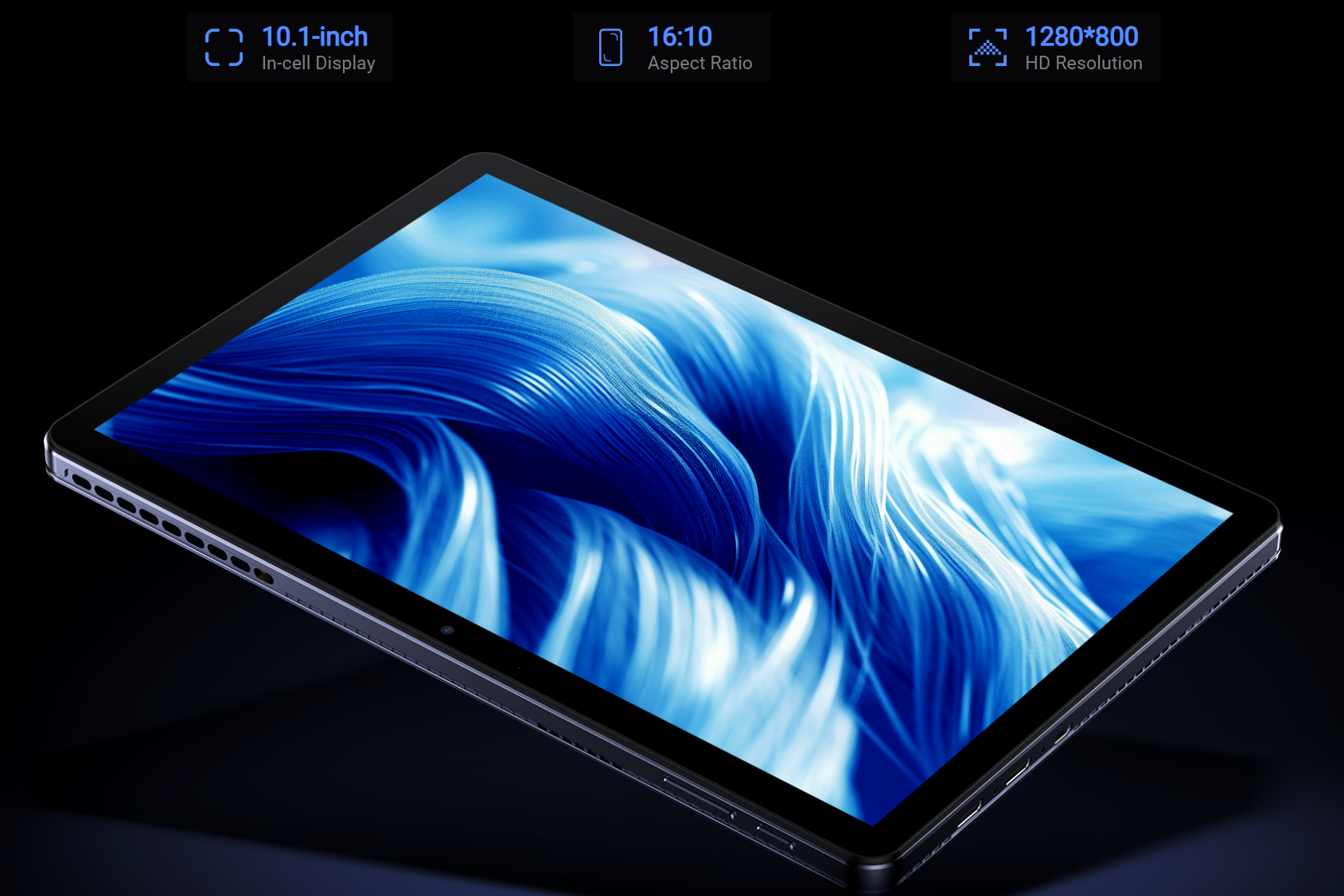
This is where the difference becomes stark. The Chuwi Hi10 X1 features a modest 1280×800 HD resolution on a 10.1-inch panel. While this is enough for basic streaming, document editing, and web browsing, it’s not quite “wow”-inducing. It’s functional, but not fantastic.
The Hi10 Max, however, offers a stunning 3K (2880×1920) resolution with a 12.96-inch in-cell display, 400 nits brightness, and Gorilla Glass protection. With a 3:2 aspect ratio, it feels more like a productivity device than just a media tablet. Everything—from movies to spreadsheets—looks incredibly crisp. If you’re someone who cares about visuals, the Hi10 Max is the obvious winner here.
Performance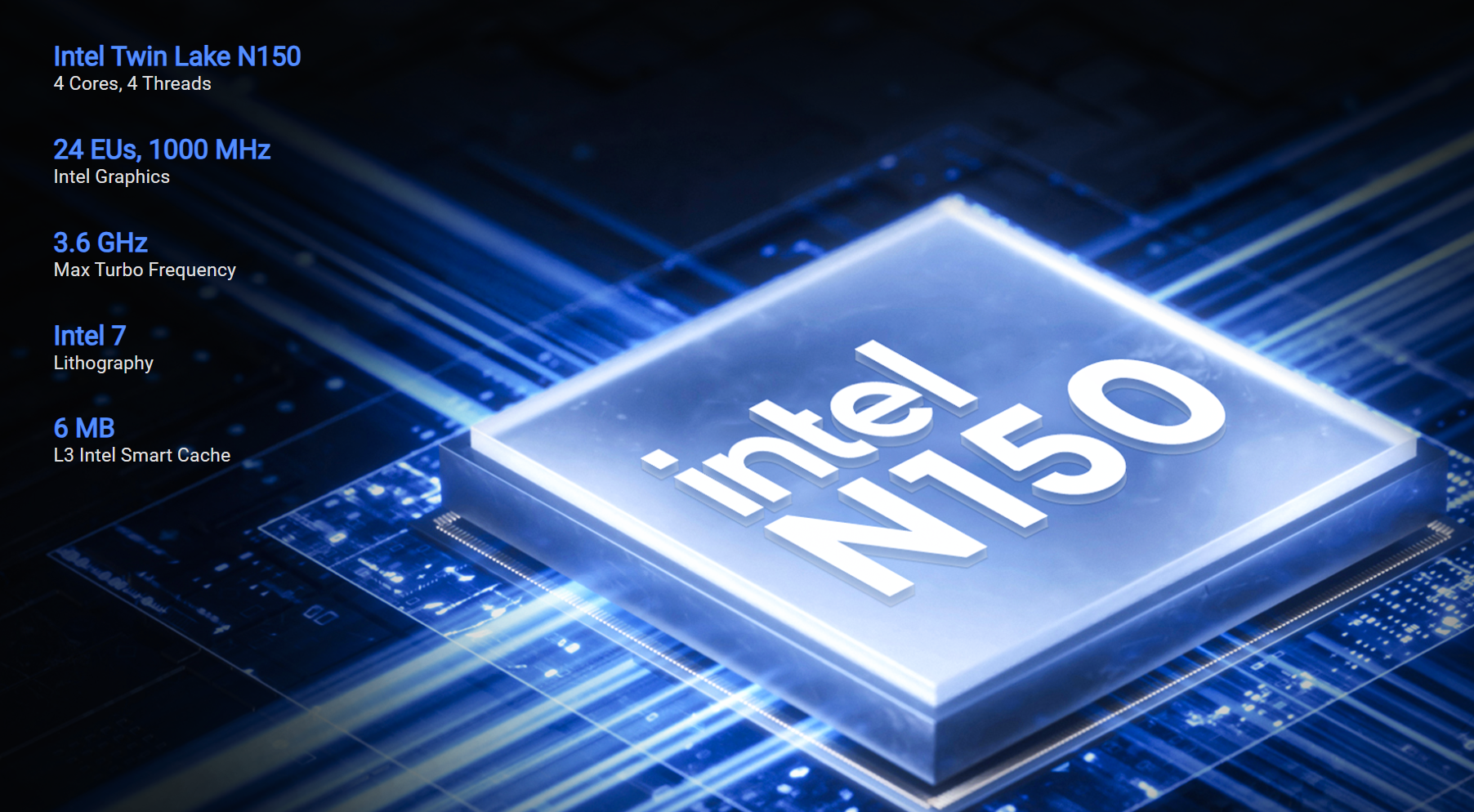
Both tablets are powered by the Intel Twin Lake N150 processor, featuring 4 cores, 4 threads, and a boost clock of 3.6 GHz. While neither is a powerhouse meant for gaming or video rendering, they both deliver more than enough performance for daily tasks like browsing, light editing, and multitasking.
Where the Hi10 Max edges ahead is in memory and storage: it boasts 12GB LPDDR5 RAM and a 512GB SSD. Compared to the Hi10 X1’s 8GB RAM and 256GB SSD, the Max is noticeably more capable when it comes to handling multiple apps or working with large files. Whether you’re switching between tabs or running light creative software, the Max is simply smoother.
Versatility and Input Options
Both devices support detachable keyboards and can switch between tablet, laptop, and stand modes. But the Hi10 Max adds another layer of versatility with support for the HiPen H7 stylus (1024 pressure levels)—a great tool for digital note-taking and drawing. The stylus isn’t bundled, but if you’re someone who sketches or annotates documents often, it’s a game-changer.
The Hi10 X1, while still functional in various modes, lacks stylus support and feels more like a traditional tablet-laptop hybrid without the creative flair.
Cameras, Connectivity & Ports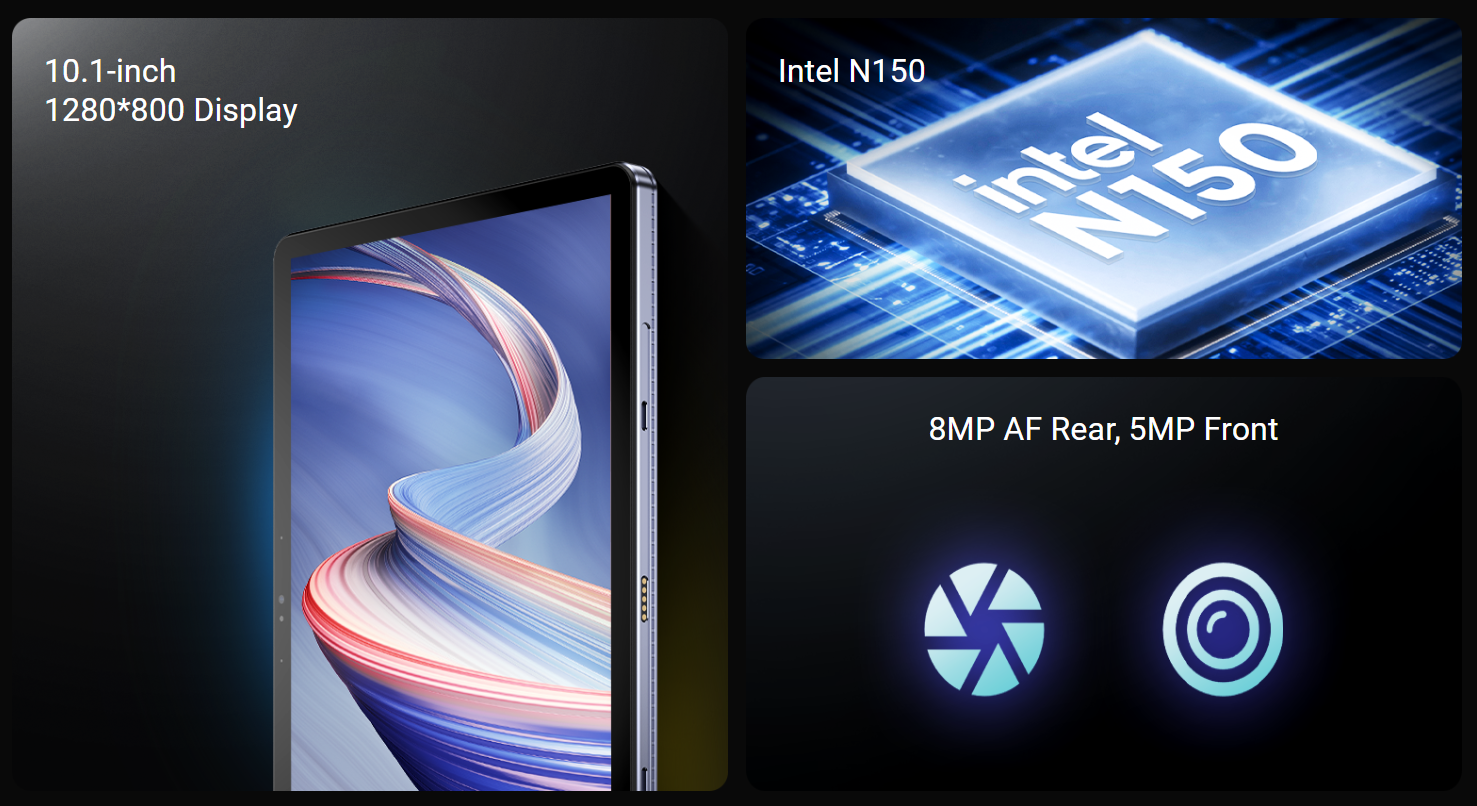
Camera setups are the same on both devices: an 8MP rear camera with autofocus and a 5MP front camera, which are decent for video calls and casual photography.
Connectivity-wise, both support Wi-Fi 6 and Bluetooth 5.2, ensuring fast wireless performance. Port options include dual USB-C, micro HDMI, and audio jacks, but the Hi10 Max has slightly more advanced external display support—up to dual 4K displays at 144Hz, which power users and multitaskers will appreciate.
Battery Life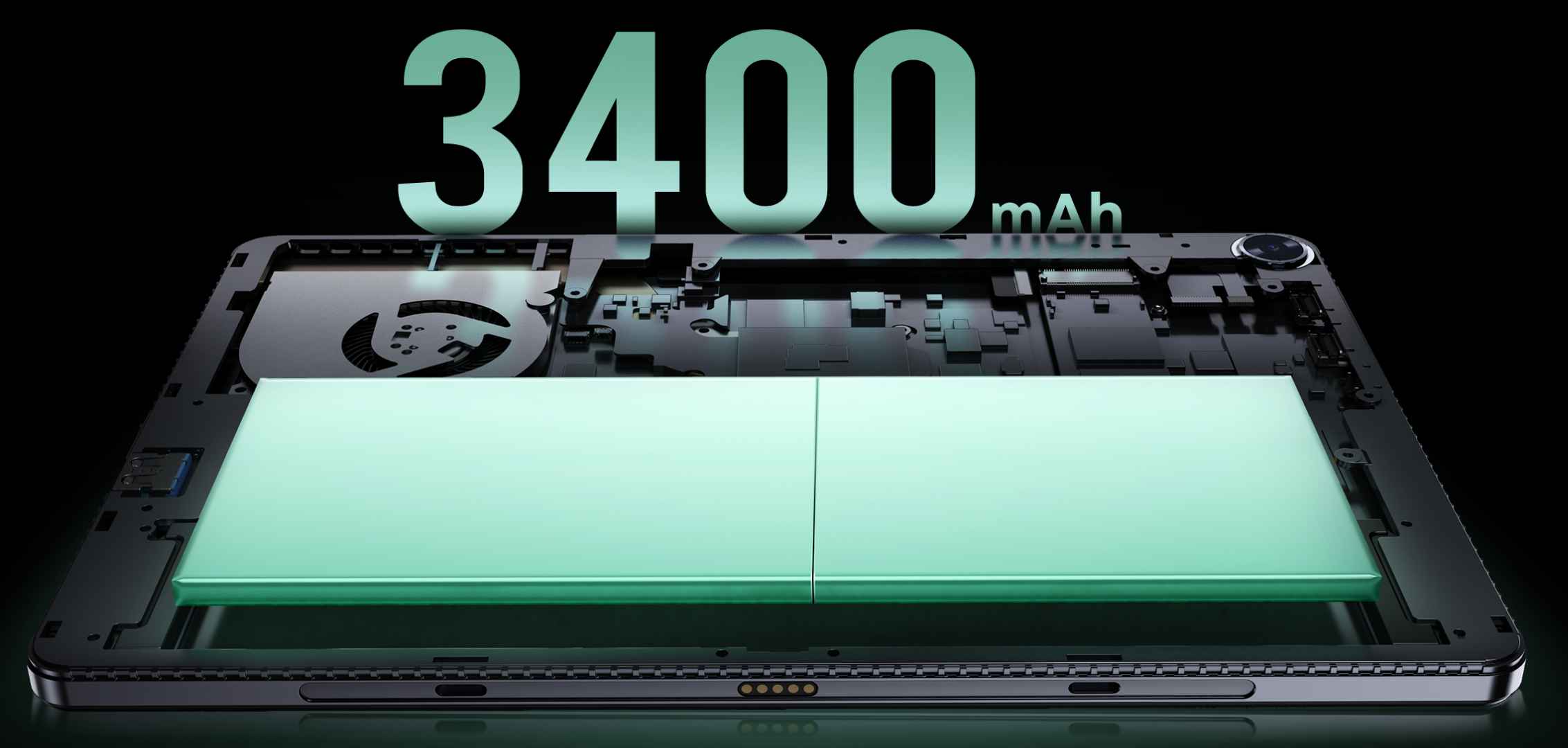
Battery performance is decent for both, though neither excels in this department. The Chuwi Hi10 X1 N150 packs a 3400mAh battery, which gets you through a light day of use. The Hi10 Max comes with a smart battery system, offering around 4.5 hours of real-world use, which could be slightly limiting for power users. Still, both are designed to be plugged in occasionally during extended work sessions.
Conclusion
If portability, affordability, and basic usage are your priorities, the Chuwi Hi10 X1 N150 is an excellent choice. It’s light, compact, and capable enough for students or casual users who want a solid 2-in-1 device.
However, suppose you’re looking for a more premium experience, with a larger and sharper display, better memory and storage, stylus support, and extra screen real estate. In that case, the Chuwi Hi10 Max N150 is worth the investment. It’s a more complete productivity machine, suitable for professionals, creators, and anyone who needs their tablet to do more than just the basics.
Verdict:
- Budget-friendly and compact? Go with the Hi10 X1.
- Performance-driven and creative-friendly? Choose the Hi10 Max.
Both devices show that Chuwi continues to push the boundaries of value in the tech space, giving users more options than ever before.
Read Also Chuwi CoreBook X 7430U Review: A Powerhouse for Professionals on the Go