










DJI just dropped the Osmo Mobile 8 smartphone stabilizer. Mobile phones have become essential tools for creators everywhere, from vloggers and street photographers to commercial shoots. Stabilizers matter more than ever, and the Osmo Mobile series has built a loyal following with its affordability and solid performance.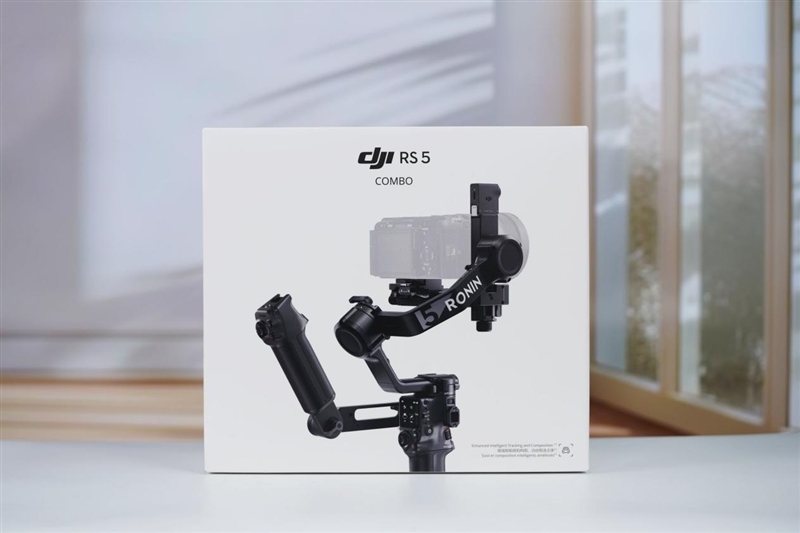
But phones have limits. For professional-quality footage in challenging scenes, you need more firepower.
That’s where the DJI RS series comes in. Photographers and production teams rely on it for heavy loads, precise control, and expandability, the foundation of professional imaging. Now meet the latest: DJI RS 5.
This is a major leap from the RS 4. Nearly every aspect has been upgraded. Even compared to the RS 4 Pro, it improves in almost every area except load capacity.
Professional work demands professional gear, and the RS 5 delivers: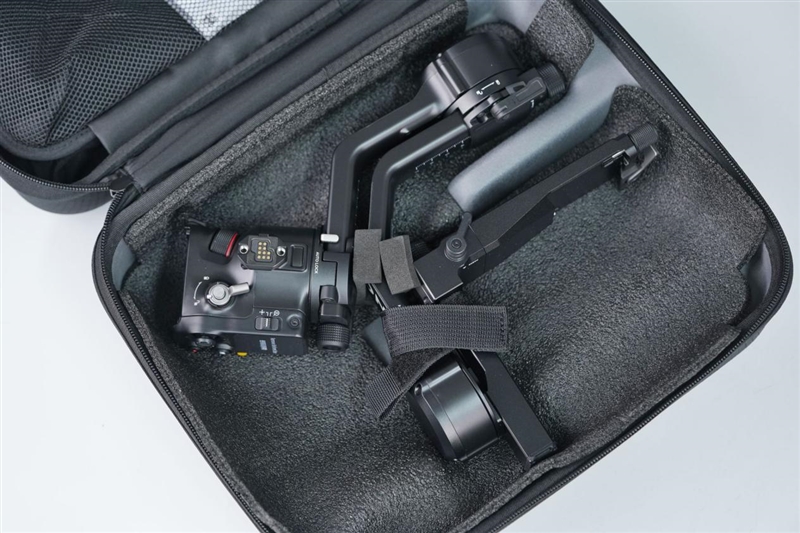
- Intelligent tracking module with magnetic quick-connect tracks people and objects, giving you flexible framing options.
- Full-axis fine-tuning knobs on each axis make leveling precise and fast, no guesswork needed.
- Electronically controlled handheld adapter connects magnetically to control gimbal movement directly, unlocking new shooting angles and postures.
So what does all this mean in real shooting? Let’s find out.
Design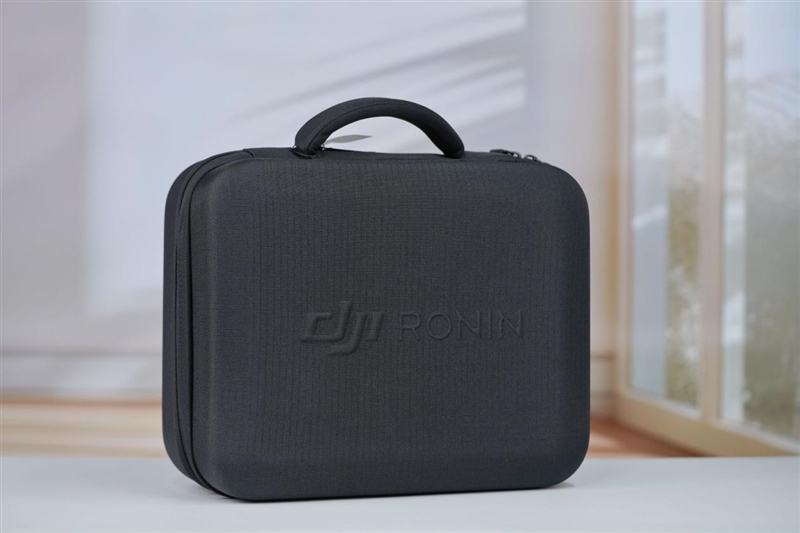
The DJI RS 5 has two versions: standalone and kit. We received the kit version at our Fast Technology review lab, which includes an intelligent tracking module and an electronic handle. This is shown on the packaging.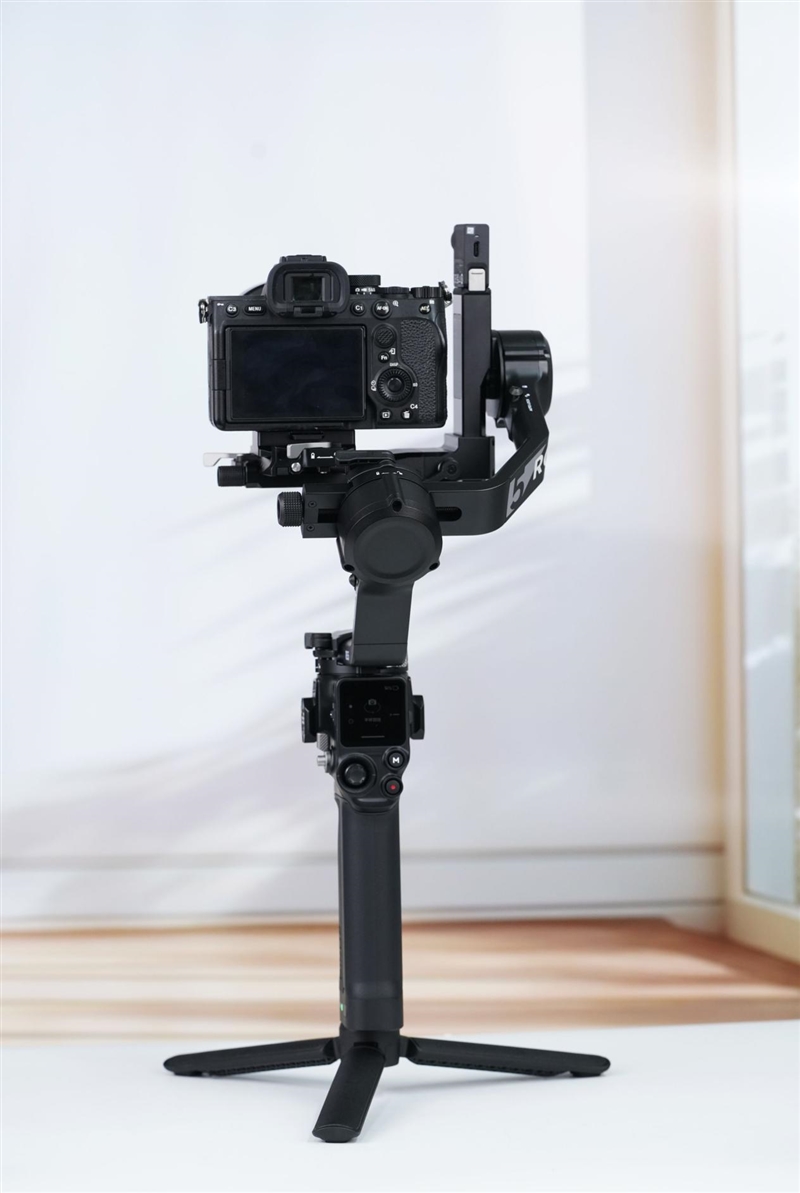
Inside is a large, easy-to-carry bag containing all accessories, making transport convenient. The stabilizer continues the design of previous generations with a matte black metal finish that looks sleek and feels comfortable.
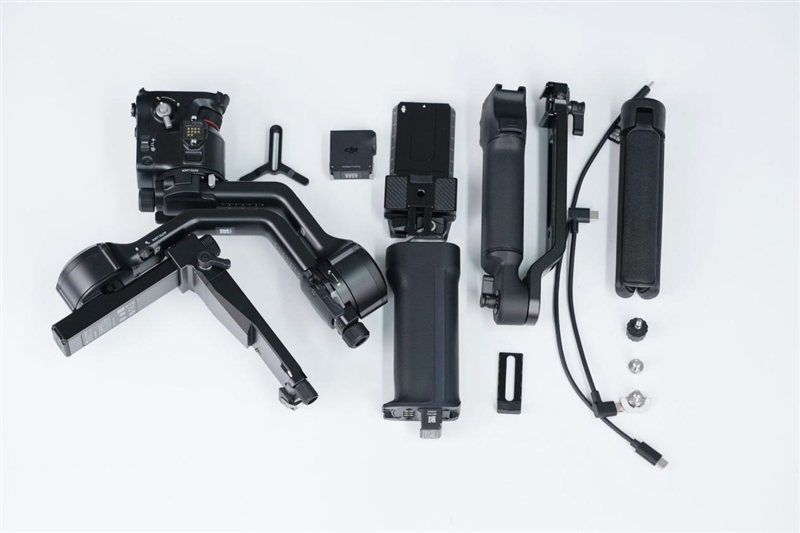
Here’s what’s included: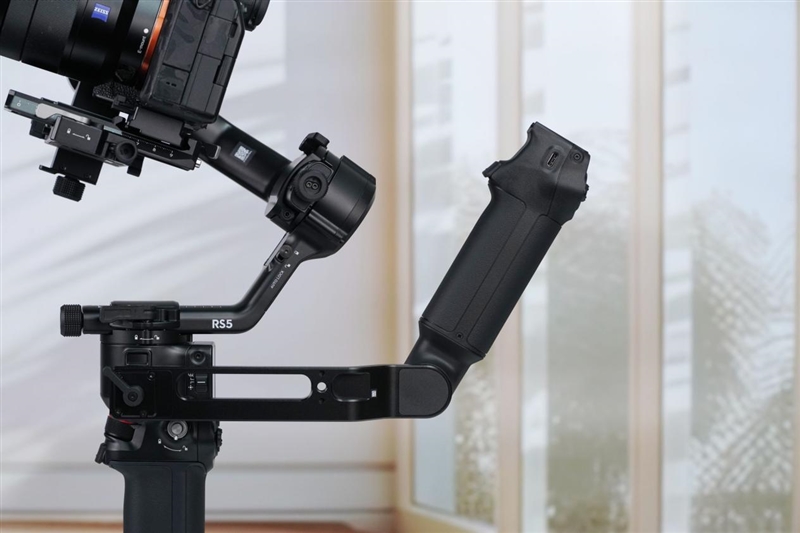
The battery doubles as the grip, using a 15V high-voltage design with 33.29Wh capacity, providing 14 hours of battery life. The grip features a touchscreen, joystick, and two buttons on the front, with the power button on the right side.
The right side has a gimbal mode switch, NATO interface, power button, scroll wheel, and trigger button. The left side has an interface for the electric handle accessory or NATO interface, with a joystick mode switch in the upper corner.
The translation axis includes a knob on the left for precise leveling, though the original method still works. The roll axis also has an adjustment knob. The camera connects easily, and the bottom tripod can be quickly deployed. The upgraded intelligent tracking module attaches magnetically to the camera’s side. Metal clips prevent it from falling off. To remove it, simply clamp the clip and pull.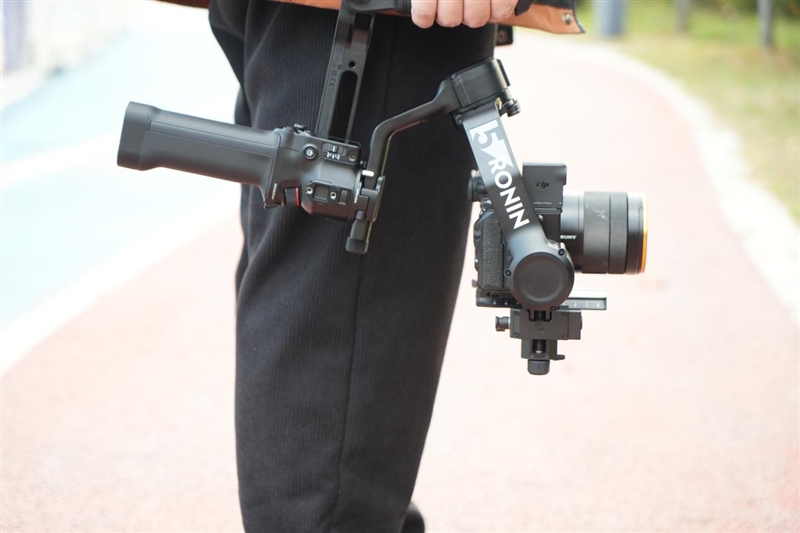
The two Type-C ports at the bottom are for multi-function connections and camera shutter control. The multi-function port supports SDR transmission or follow focus motors to expand functionality. The RONIN logo remains on the roll bar, but the red color is gone, replaced by a gray “5” and triangle. The electronic handle’s angle adjusts freely for optimal grip comfort.
User Experience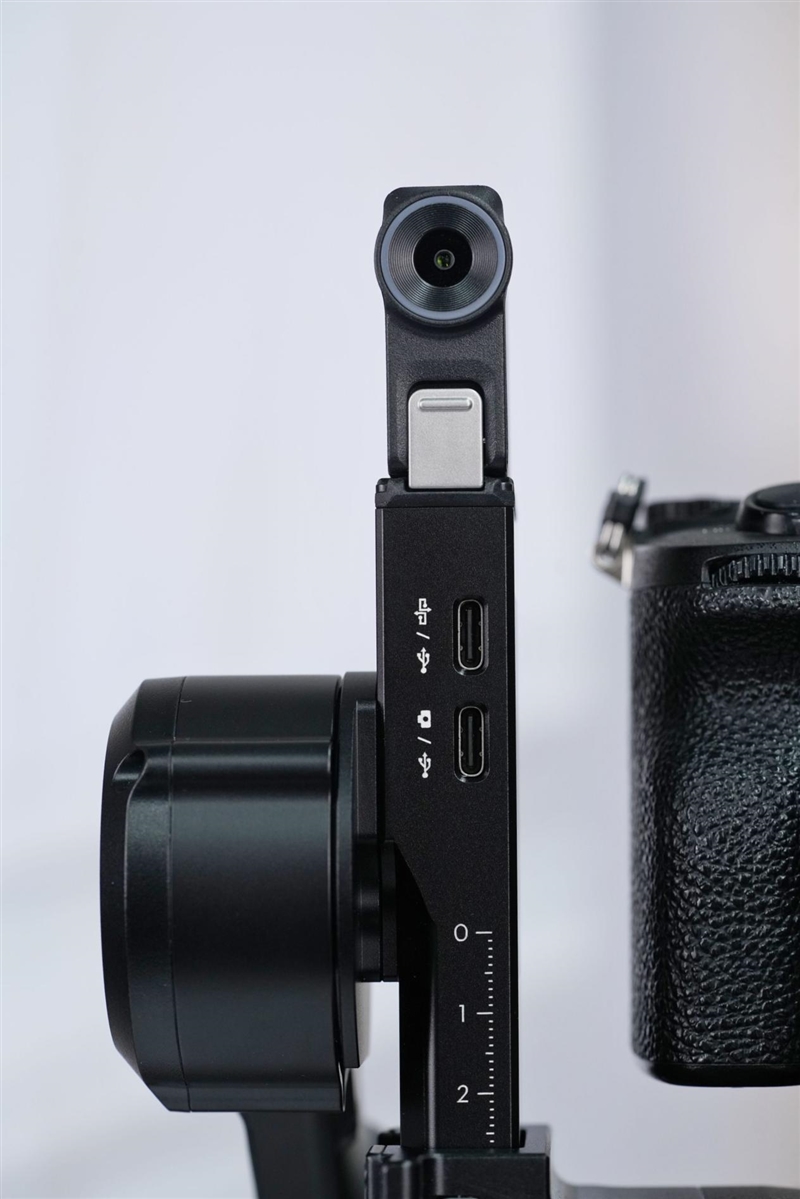
Press and hold the power button, the device springs to life and returns to your last setting. No fiddling required. A stabilizer lives or dies by its core job: keeping footage smooth. So how does this one perform?
The DJI RS 5 runs a new fifth-generation stabilization algorithm. Mount your camera, and it moves fluidly with the robotic arm, cutting shake and delivering cleaner footage. The new z-axis indicator shows real-time jitter levels, helping you fine-tune movements on the fly.
Intelligent Focus Tracking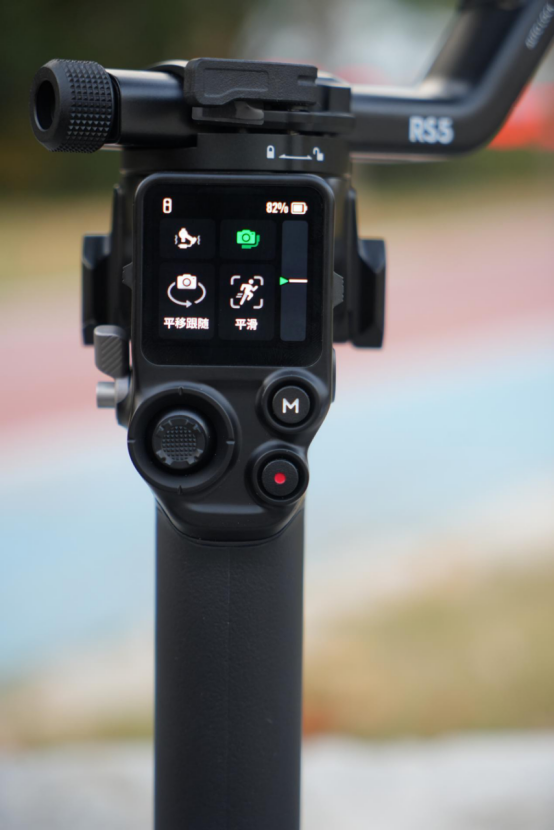
Automatic tracking transforms traditional cameras. DJI’s RS series has featured standalone tracking since the RS2, and the RS 5 takes it further now tracking any object, not just people.
Connect the smart tracking module, swipe right on the screen, and the tracking interface appears. Lock onto subjects with a tap or gesture. A front-facing light shows the module’s status. Gestures can be customized in settings.
When tracking is active, you control framing. Beyond standard centering, you can freeze composition while your subject moves, based on preset positioning. The M button defaults to camera shutter control, letting you shoot directly from the stabilizer via Bluetooth or Type-C.
The RS 5’s upgraded Bluetooth module connects to more camera brands—Sony, Canon, Panasonic, Fujifilm, through the settings interface. Once connected, the stabilizer handles time-lapse photography through the camera. Set intervals and duration directly on the device for smooth transitions and striking videos.
Teapot Handle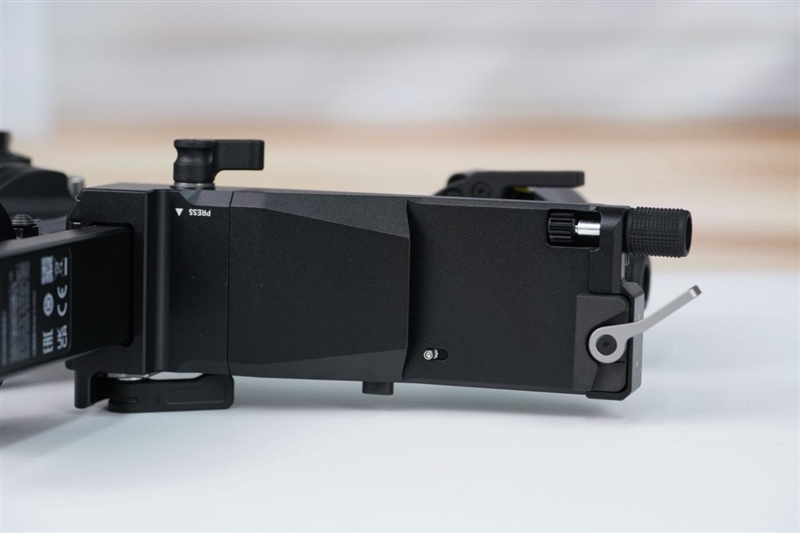
Installation is straightforward: slide it on from the top and tighten with the wrench. With the handle attached, your hand hangs naturally while carrying the stabilizer effortless and comfortable. Far better than the original grip when moving between shots or taking breaks.
The magnetic-mount handle has been upgraded to electronic control, letting you manage gimbal and camera functions without crouching to reach the original buttons. Mobile app control works seamlessly too. Open the app, connection options appear automatically, with extensive customization available.
The RS 5’s control interface gives access to intelligent shooting modes, motor balancing, battery status, and more all visible without touching the stabilizer’s physical controls. Calibration, firmware updates, and axis control through the mobile app are all intuitive.
Charging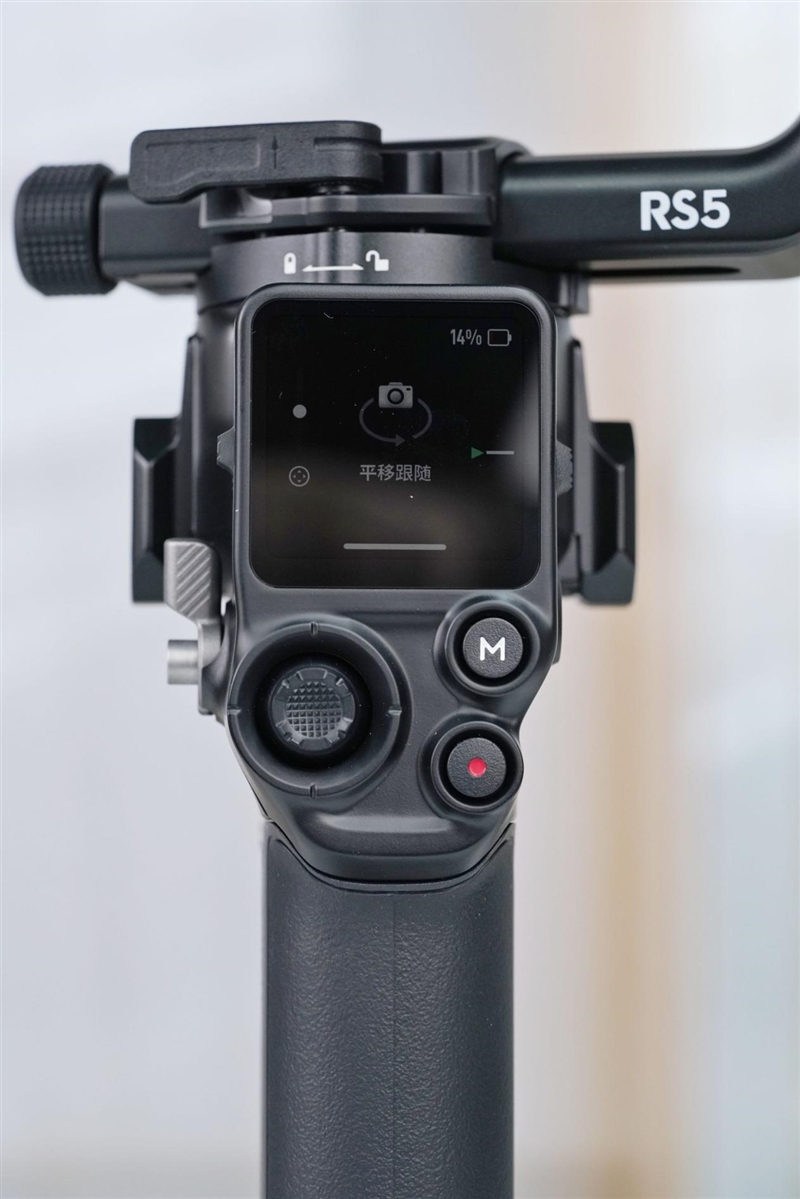
We tested the charging system. In real use, any 65W PD fast-charging head triggers the protocol and delivers 50W+ charging speeds.
Conclusion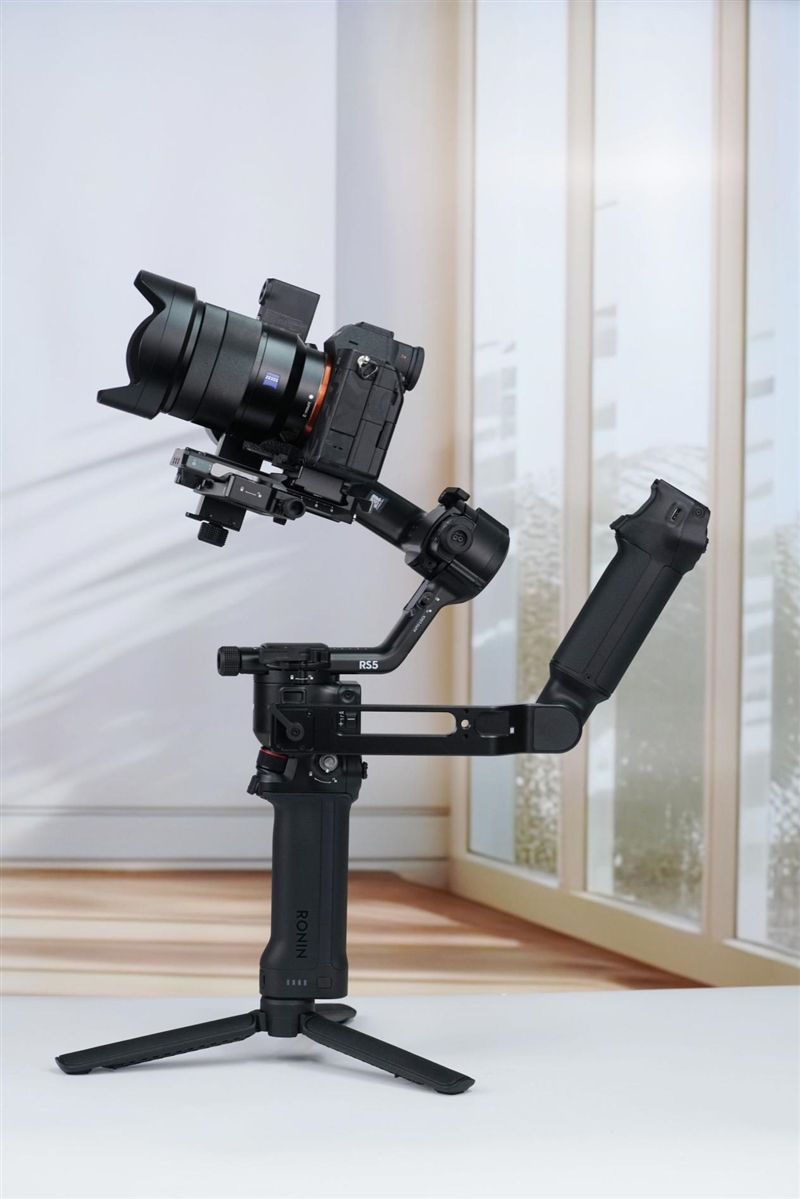
In professional video production, stability determines final quality. Longer lenses and flexible camera positions amplify any image shift from camera shake, even slight hand movements can ruin a shot.
For independent photographers, documentary filmmakers, and creators who shoot handheld, a reliable stabilizer isn’t just an accessory, it’s essential equipment. DJI RS 5 performs beyond its “semi-professional” designation, offering the most balanced and powerful experience for solo work today.
It shows major improvements over previous models in mechanical design, controls, and smart features. Leveling, handling, and position changes are easier. Complex manual adjustments become simple through intelligent tracking, electric control handles, and Z-axis stability indicators.
The new tracking module follows both people and objects, expanding creative options. Gesture control, magnetic mounting, and status lights make tracking accessible and practical. The RS 5 eliminates much of the fiddly adjustment the previous RS series required, delivering a true shoot-ready experience.
For solo creators, small teams, and commercial shoots needing quick turnaround, it offers higher efficiency, lighter workload, easier learning, and greater flexibility. The DJI RS 5 makes professional shooting accessible, helping more people produce quality footage easily and consistently.
If you need a professional stabilizer that improves image quality, enhances shooting experience, and increases your success rate, the DJI RS 5 is one of the most balanced, proven, and dependable options available.
Read Also: DJI Osmo Action 6 Review-Powerful Action Camera for Creators