









Igeekphone News reported on February 9th: According to the current industry plan, Apple will be the first to launch three top-tier flagship devices in the autumn of 2026.
This includes the regular iteration of iPhone 18 Pro, iPhone 18 Pro Max, and the long-awaited foldable screen iPhone. While the models positioned closer to the mainstream market, iPhone 18 and iPhone 18e, are expected to be delayed until the spring of 2027 before their official debut.
As the most powerful straight-panel flagship in Apple’s history, the iPhone 18 Pro Max has witnessed two landmark upgrades in its imaging system. Currently, there are reports suggesting that Apple is testing a brand-new variable aperture main camera for this super-large model.
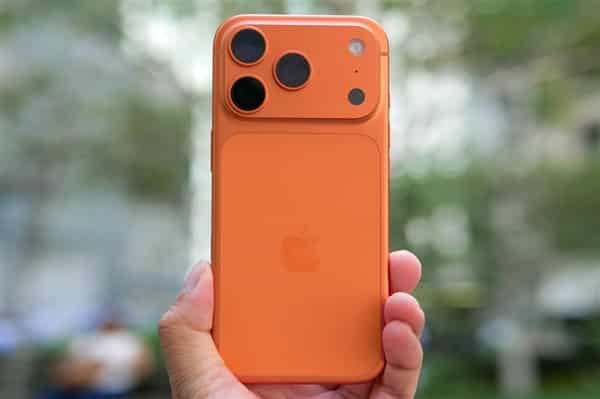
This technology enables users to manually adjust the amount of light entering the camera. In low-light conditions, it allows for the enlargement of the aperture to capture more light, while in well-lit scenes, it reduces the aperture to prevent overexposure. What’s more, the variable aperture enables users to precisely control the depth of field, allowing them to easily capture high-quality, single-lens reflex-style blurred portraits with great texture.
Prior to this, Apple has always adhered to the fixed aperture design in the field of mobile imaging, from iPhone 14 Pro all the way to iPhone 17 Pro. Although Samsung attempted a similar design in the Galaxy S9 and S10 series, they eventually gave up due to thickness and cost constraints. Now, Apple has restarted this design, clearly finding new breakthroughs in the balance between structural stacking and performance.
Apart from the transformation of the main camera, the telephoto lens of iPhone 18 Pro Max will also enter the era of large aperture. Although the long-focus sensor of the previous generation iPhone 17 Pro has been upgraded to 48 million pixels, the aperture value still remains at the previous level.
This time, the iPhone 18 Pro Max will significantly enhance the camera’s light intake and shutter speed by equipping a telephoto camera with a larger aperture. This not only means better noise control, but also a more gentle and natural background blurring effect during long-distance shooting.