









Igeekphone reported on February 18th that the technology media Android Authority released a blog post today (February 18th) stating that in the Android 17 system, Google plans to introduce the DeliQueue system. By optimizing the memory locking mechanism of the MessageQueue, it aims to reduce the waiting time between software threads.
IGEEKPHONE reports that according to the blog post, when users are using their Android phones in daily life, they often encounter situations where the screen scrolling is not smooth or the operation is sluggish. This usually occurs because the system has to drop frames (Dropped frames) in order to handle tasks.
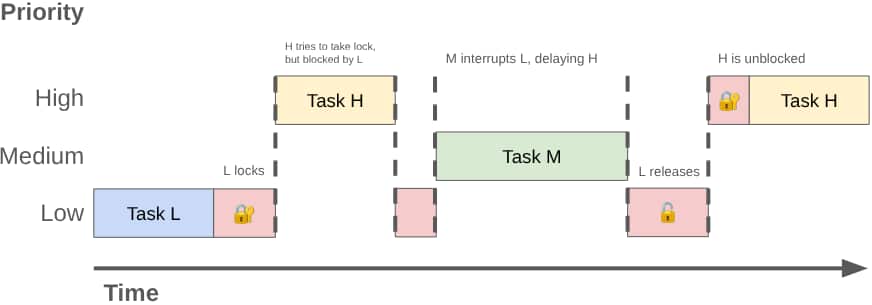
The fundamental reason for this phenomenon lies in the fact that system threads, when handling UI display, often need to queue up to access the core component MessageQueue. Once a certain thread locks the queue, other threads are forced to idle, resulting in critical processing tasks not being completed in a timely manner.
To address these issues, Google plans to restructure the MessageQueue at the core level of the Android 17 system and introduce the lock-free data structure, DeliQueue.
The new system has abandoned the previous “locking mode of servicing one thread at a time”, enabling more precise control over specific memory locations. This means that threads no longer need to wait for locks to be released for a long time; instead, they can handle tasks in a more flexible and parallel manner.
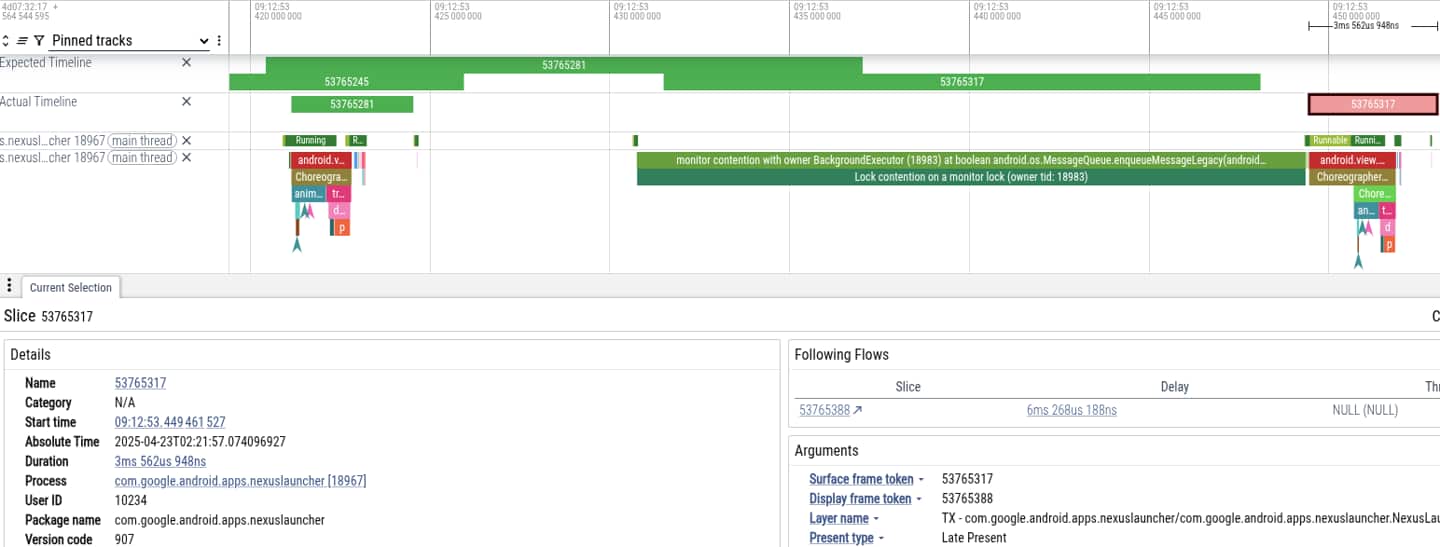
To better illustrate this mechanism, Google used the example of “customers queuing up to get their orders at a deli” to explain: Just as customers do not have to follow the exact order of their queue when picking up their meals, DeliQueue allows threads to be flexibly scheduled based on actual resource conditions, thereby avoiding performance congestion caused by waiting.
Google reports that the new system has reduced the frame loss rate of applications by 4%, and in the system interface and launcher, this reduction has reached 7.7%. Google is currently still testing the DeliQueue system and has fixed two discovered vulnerabilities.