









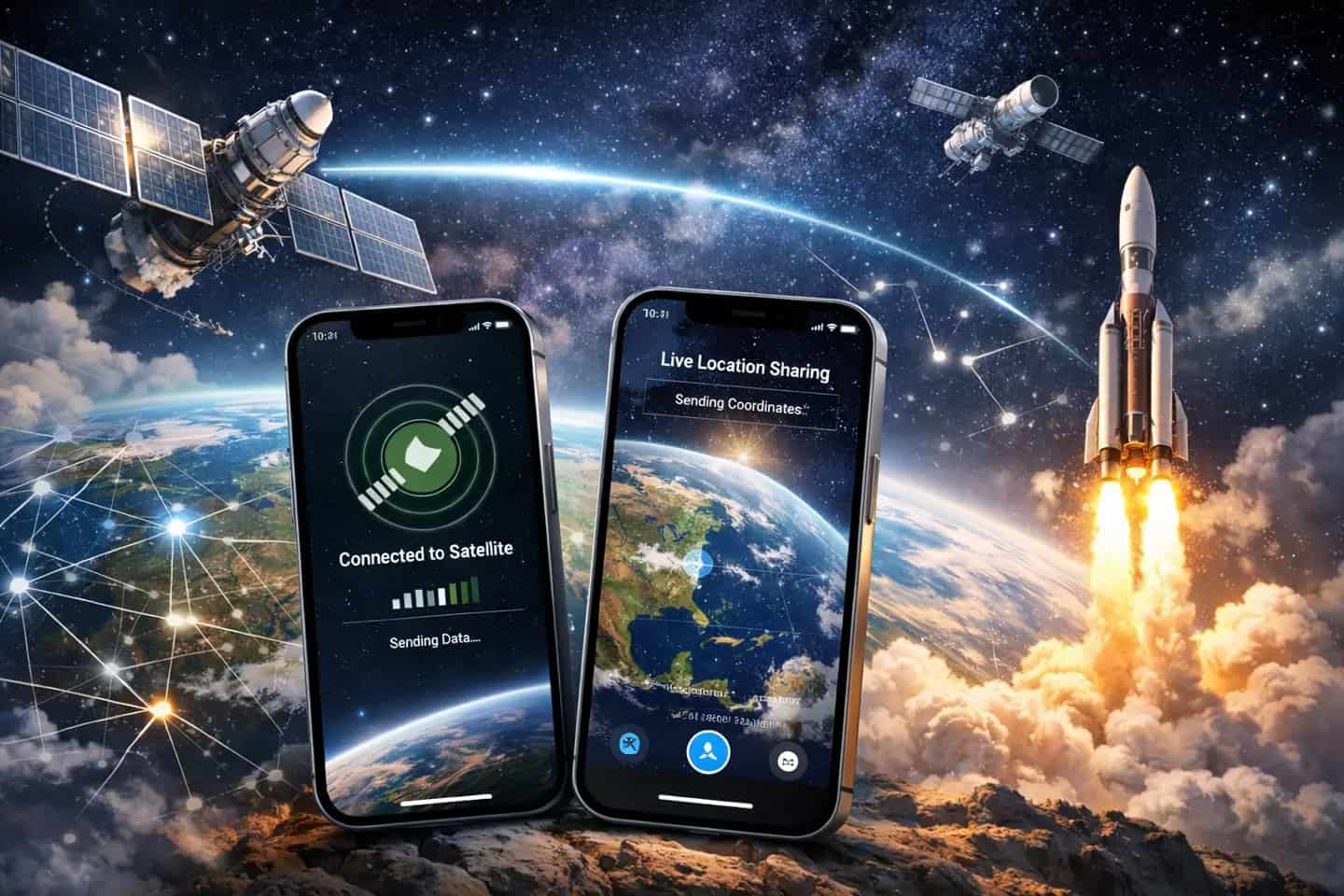
Igeekphone reported on February 4th that the tech media “Cult of Mac” posted a blog post yesterday (February 3rd) stating that on the iPhone 18 Pro and iPhone 18 Pro Max set to be released in the autumn of 2026, Apple is expected to revolutionize the satellite communication experience.
In terms of user experience, the existing satellite function of iPhones is mainly used for emergency calls. Users need to hold the phone directly towards the sky and can only send low-speed text messages. However, on the iPhone 18 Pro series, satellite communication will be transformed from an “alternative option” to a standard connection protocol component.
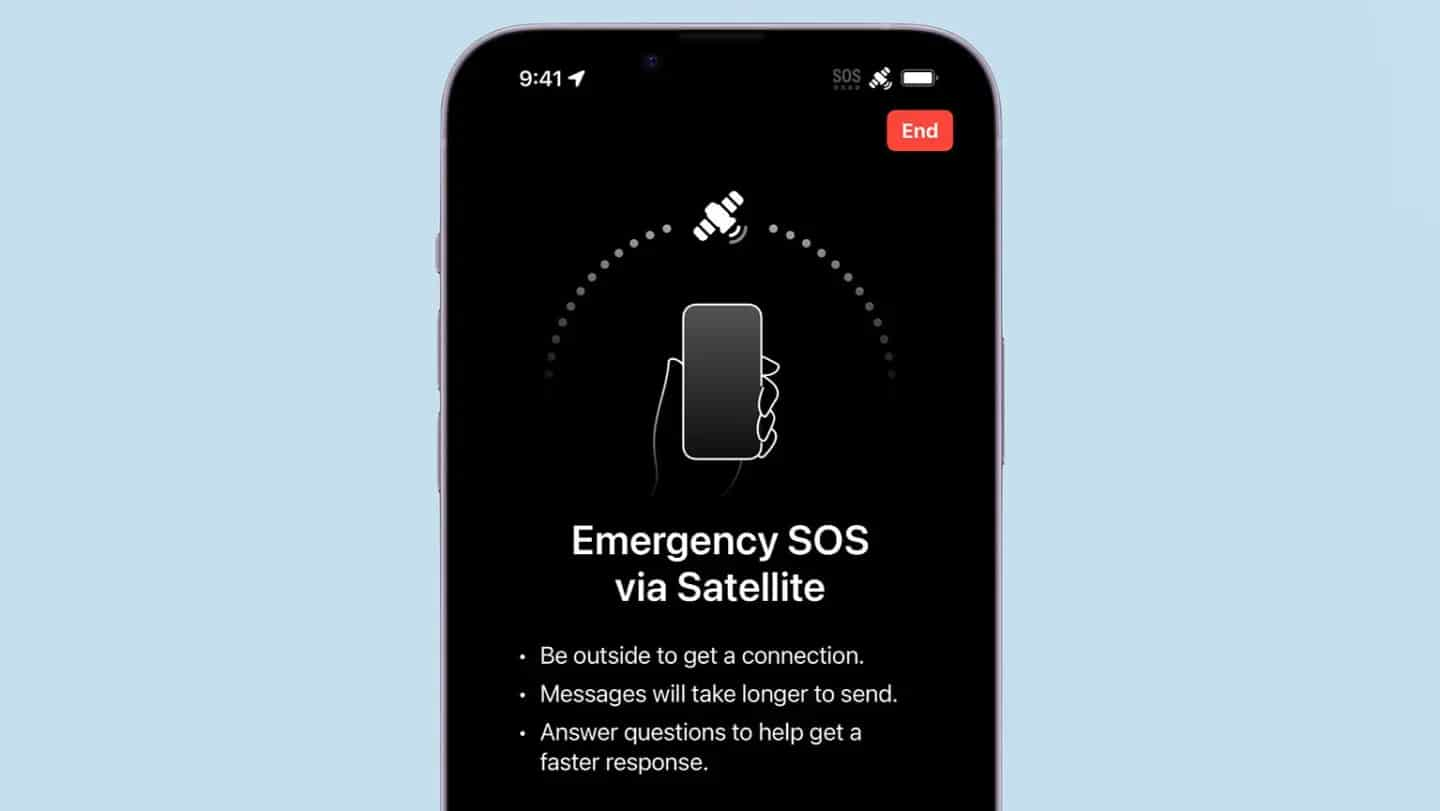
According to Bloomberg and industry analysts, Apple’s goal is to make satellite connectivity “natural”: through 5G non-terrestrial network (NTN) technology, mobile phones will be able to seamlessly switch between cellular and satellite networks. This means that users can maintain their connection even if they put their phones in their pockets, on the dashboard of their cars, or are indoors.
In terms of functionality, the iPhone 18 Pro series is expected to support satellite image transmission. This significant leap in bandwidth will enable users to share photos or send visual distress messages during outdoor expeditions.
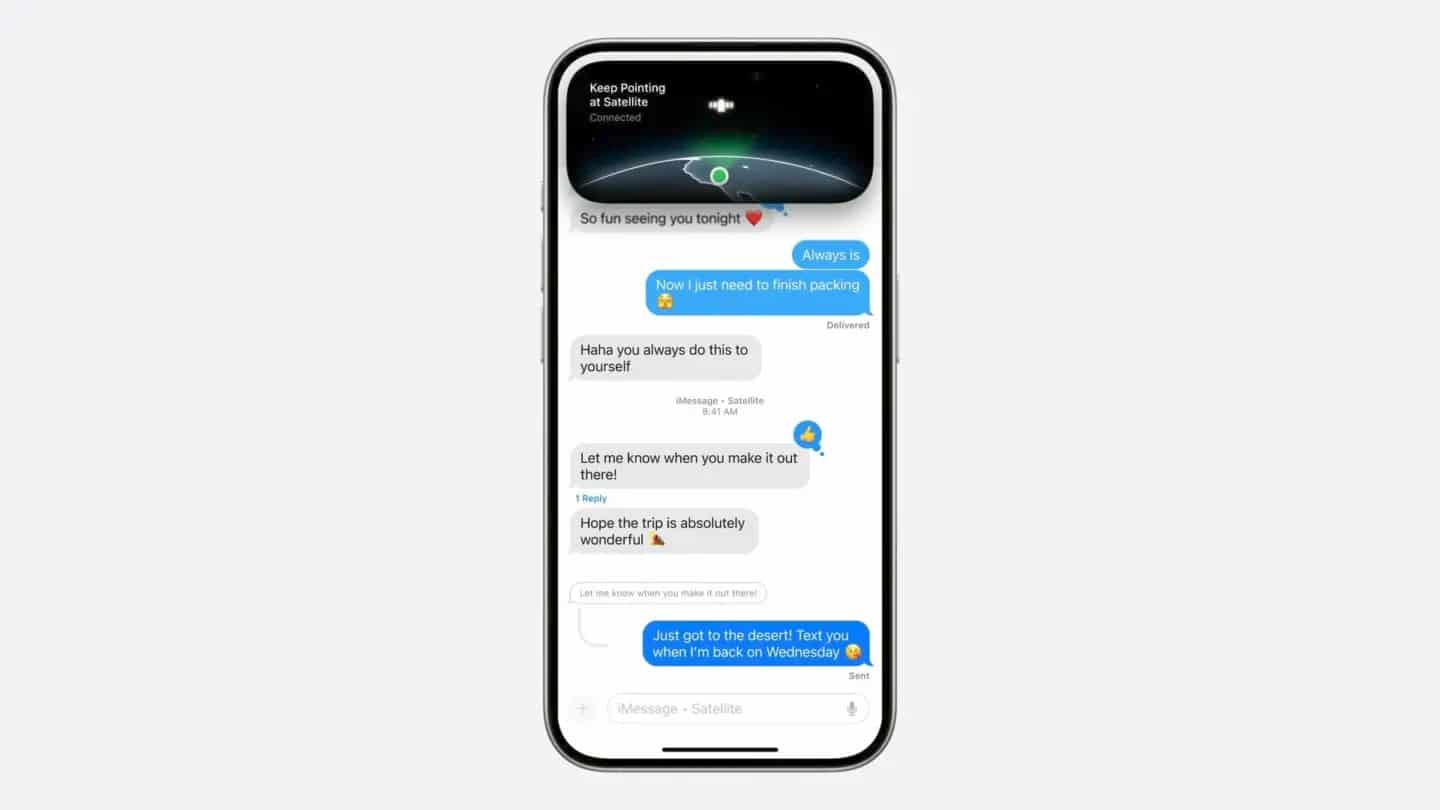
Meanwhile, Apple Maps will integrate satellite data, enabling precise navigation and weather updates even in areas without internet connection. What’s more transformative is that Apple plans to open API interfaces, allowing third-party applications such as WhatsApp to directly access satellite capabilities. This will extend satellite communication from the system’s core layer to the entire application ecosystem.
In terms of hardware, in order to optimize the efficiency of the satellite and cellular network switching and reduce power consumption, the iPhone 18 Pro series may abandon Qualcomm chips and instead adopt Apple’s self-developed next-generation “C2” baseband chip.
In addition, there are reports that Apple is in talks with SpaceX with the intention of introducing the “mobile direct connection to satellite” technology of Starlink into the Pro model. IT News reported that if the cooperation is successful, with the vast low-orbit satellite constellation of Starlink, iPhones may gain high-speed data transmission capabilities similar to those of ground cellular networks, and even support voice calls and video streaming.
In terms of costs, although the basic SOS function may remain free, aspects such as high-bandwidth photo transmission, map navigation, and potential Starlink services are very likely to become paid subscription items similar to data packages.