









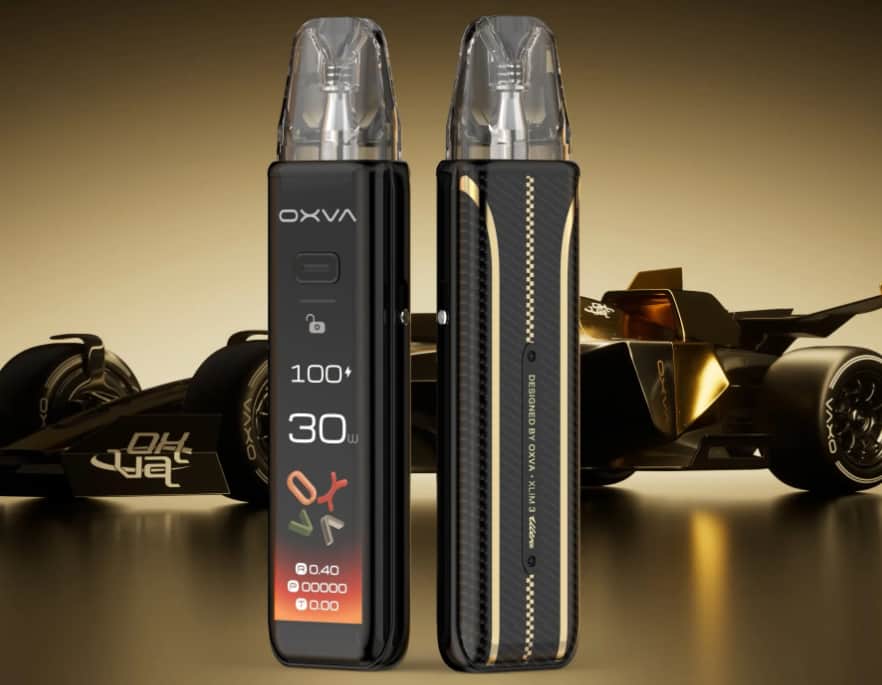
This article will analyze the correct operation methods and shelf life management of e-cigarette cartridges from a professional perspective, and discuss their social impact and regulatory status.
I. Correct Usage Method of Electronic Cigarette Cartridges
1. Basic Working Principle
The electronic cigarette cartridge converts the e-liquid into aerosol through the atomizer. The core process is as follows:
Power supply system: Rechargeable lithium batteries provide energy for the atomizer.
Atomization process: The oil-absorbing cotton adsorbs the e-liquid onto the heating wire. Under high temperature (200-300℃), it vaporizes.
Aerosol generation: Nicotine, flavoring agents, etc. are released along with the steam, simulating the traditional smoking experience.
2. Specifications for Smoke Bullet Installation and Oil Injection
Standard Operating Procedure:
① Insert the smoke bullet vertically into the interface of the atomizer, and rotate to lock the leak-proof sealing ring;
② For the first use, it is necessary to stand still for 5 minutes to ensure that the smoke oil fully penetrates the oil-distributing cotton.
Oiling precautions:
Do not damage the cartridge latch with sharp objects, as it may lead to oil leakage risks;
Use a dedicated oiling bottle and fill along the marking line on the observation window of the cigarette cartridge (it is recommended that the filling volume be ≤ 0.8ml).
3. Usage Cycle Management
Suggested replacement cycle: The optimal usage period for a single cartridge is 3 to 5 days, with a total number of inhalations not exceeding 500 times.
Carbon buildup impact: Frequent use can cause the atomizer core to become carbonized, resulting in a burnt taste and a decrease in smoke output.
II. Storage Specifications for E-cigarette Cartridges
1. Shelf Life Standards
Unopened cartridges: When stored at room temperature in a dark environment, the shelf life is typically 12-18 months (refer to the packaging for specific details).
After opening: It is recommended to consume the product within 30 days after opening to avoid the deterioration of taste due to nicotine oxidation.
2. Storage Prohibition
Temperature Control: Do not store at temperatures above 35℃ or below 0℃ to prevent the deterioration of the e-liquid or oil leakage.
Child protection: It should be placed in a sealed container and kept away from areas accessible to minors.
IV. Scientific Understanding and Health Advice
Safety Usage Guidelines:
The recommended daily nicotine intake should be controlled at less than 30mg (approximately equivalent to 1.5 standard e-cigarette cartridges).
If symptoms such as dizziness and palpitations occur, stop using it immediately and consult a medical professional.
Conclusion
The correct use of e-cigarette cartridges requires consideration of both technical specifications and social responsibility. Users should strictly follow the operation guidelines and avoid modifying the devices themselves; all sectors of society need to jointly promote the improvement of legislation to build a strong defense line for protecting minors. Under the dual drive of technology and regulation, the e-cigarette industry can achieve healthy development and truly fulfill its original intention of “reducing harm and replacing traditional smoking”.