










Igeekphone News, August 26th: Bloomberg reporter Gurman disclosed on the X platform yesterday that the Apple iPhone 18 Pro will be equipped with Apple’s self-developed second-generation baseband.
Gurman said that this year, Apple’s Pro models will still use Qualcomm basebands, but the “ultra-thin models” will use the first-generation self-developed baseband similar to that of the iPhone 16e.
Technology media WccfTech commented on this, saying that this means only the iPhone 17 Air in the Apple iPhone 17 family will adopt the C1 baseband. The biggest drawback of this baseband is that it does not support millimeter-wave networks and can only be compatible with sub-6GHz at most.
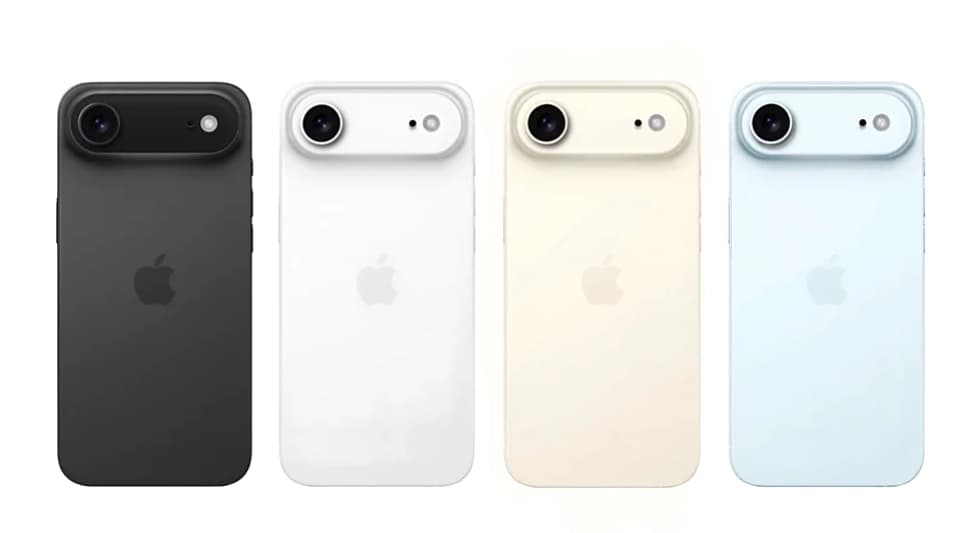
This means that the maximum download speed of iPhone 17 Air under mobile data networks may not be as good as that of other models. After all, millimeter-wave can achieve a download speed of over 1Gbps, while sub-6GHz can only reach 100-700Mbps.
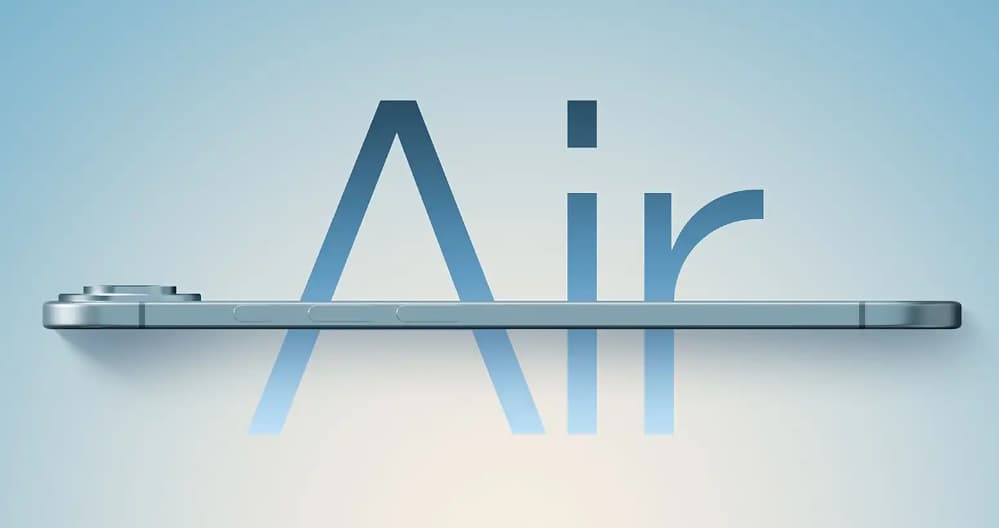
However, the sub-6GHz network has a wider coverage and stronger penetration. Compared with millimeter wave, its connection is more stable and has lower power consumption. This means that although the iPhone 17 Air will be absent from the millimeter wave network, thanks to the power-saving feature of its C1 baseband, Apple’s promotion of it might be “the 6.1-inch ultra-thin phone with the strongest battery life”.
Meanwhile, according to a previous report by Reuters, when the Apple A19 Pro chip works in coordination with the C1 baseband, it can adapt to user behavior and intelligently determine which data traffic should be sent and received first, thereby saving power. It is expected that the iPhone 17 Air will receive some criticism after its release due to its high premium and lack of millimeter wave.
Igeekphone Note: In 5G networks, millimeter wave refers to the frequency band within the range of 24GHz to 40GHz. Its characteristic is that the theoretical downlink speed can reach 1-10Gbps, achieving millismillisecond response. It is suitable for applications in fields such as VR, cloud gaming, and autonomous driving. However, its signal transmission distance is limited, it is prone to attenuation, and the deployment cost is relatively high.
At present, among Apple’s models, only the US version of iPhone is equipped with millimeter wave, which means that consumers in other regions cannot enjoy this theoretically faster network for the time being.