









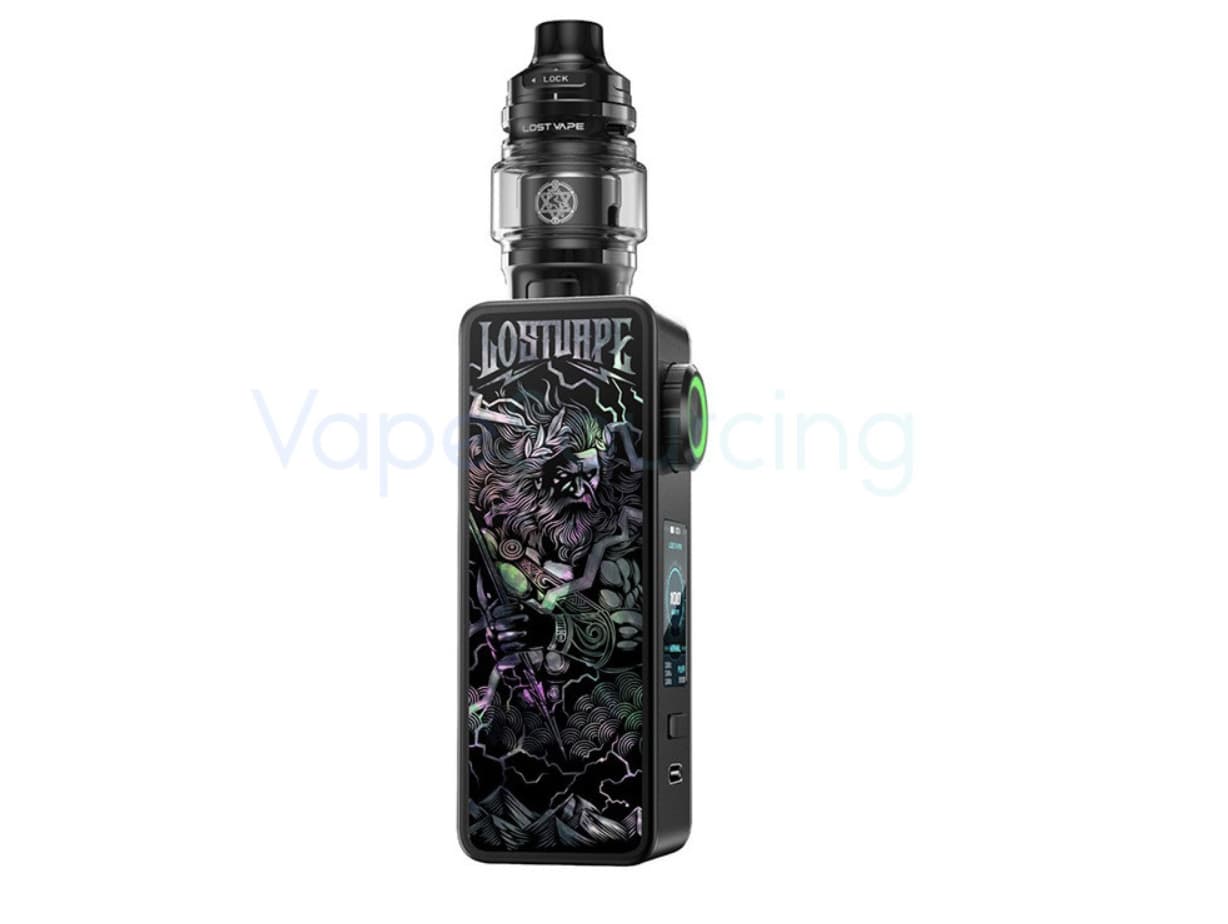
Having a tooth removed creates a small wound that needs time to heal, so how to do tooth extraction aftercare. For people who vape, one of the most common questions is whether they can return to vaping immediately after the procedure or whether doing so could increase the chance of dry socket.
The short answer is that vaping during the early healing period is best avoided. The concern is not limited to nicotine. The act of inhaling can create suction inside the mouth, while vapor and other ingredients may irritate tissues that are already recovering.
A better approach is to give the extraction site time to stabilize before returning to your normal routine.
Why Dry Socket Happens After a Tooth Extraction
After a tooth is removed, a blood clot after tooth extraction normally develops inside the empty socket. That clot is important because it protects the underlying bone and nerves while new tissue begins to form.
If the clot breaks down or becomes displaced too early, the socket can be exposed. This condition is commonly called dry socket, or alveolar osteitis.
It is not simply normal post-extraction soreness. Dry socket can cause intense, throbbing pain that may become noticeable several days after the extraction. An unpleasant taste or bad breath can also occur.
Some NHS dental guidance notes that dry socket commonly develops around 3 to 5 days after extraction, particularly when the protective clot has been disturbed.
That timing is important because feeling better immediately after the procedure does not necessarily mean the wound has finished healing.
Why Vaping Can Be a Problem
Vaping after tooth extraction creates several potential concerns at the same time.
Suction can put the clot at risk
Taking a strong draw from a vape creates negative pressure in the mouth. A fresh extraction site is particularly vulnerable during the first stage of healing, so repeatedly creating suction is something worth avoiding.
This is one reason dental aftercare instructions commonly tell patients not to smoke after an extraction. Some guidance specifically includes vaping and e-cigarettes in the same recommendation.
Nicotine may interfere with recovery
Nicotine is another reason vaping is not ideal immediately after oral surgery. Nicotine can affect blood vessels and circulation, which are important to the healing process.
The issue becomes more significant when the mouth is already dealing with an open extraction wound. Even if a particular vape produces little visible irritation, that does not mean it is harmless to the healing socket.
Vapor can irritate sensitive tissue
Freshly treated oral tissue is more sensitive than normal. Heat, flavoring ingredients and aerosol exposure may feel irritating around the extraction area.
This does not mean every component of vape aerosol directly causes dry socket. Rather, vaping introduces unnecessary exposure at a time when the priority should be protecting the wound and allowing the clot to remain undisturbed.
How Long Should You Avoid Vaping?
There is no single number of hours that guarantees vaping is safe for everyone.
The appropriate recovery period can depend on the type of extraction, the location of the tooth, how difficult the procedure was and how the individual wound is healing.
Some NHS oral-surgery guidance recommends avoiding smoking for at least five days, while other extraction instructions advise avoiding smoking for at least 24–48 hours.
For vaping, the practical message is simple: do not treat the minimum waiting period as a guarantee that the socket is fully healed.
If your dentist or oral surgeon gives you a specific period for avoiding vaping, follow that instruction rather than relying on a general online timetable.
The First Few Days Matter Most
The period immediately after extraction deserves particular attention.
Instead of thinking, “When can I vape again?”, it is more useful to think, “What can I do to avoid disturbing the extraction site?”
During early recovery:
- Avoid vaping and smoking.
- Do not deliberately create suction around the wound.
- Avoid touching the socket with your tongue or fingers.
- Follow your dentist’s instructions for rinsing and cleaning.
- Choose foods that are comfortable and unlikely to disturb the area.
- Avoid activities your dental professional has told you to postpone.
- Take prescribed or recommended medication according to the instructions provided.
One NHS extraction guide specifically advises patients not to disturb the clot with the tongue, fingers or forceful spitting.
What About “Light” Vaping?
Some people assume that taking smaller puffs, using lower power or choosing a less irritating flavor makes vaping safe immediately after extraction.
That is not a reliable way to eliminate the risk.
A smaller puff may reduce suction, but it does not remove the basic problem of inhalation around a fresh extraction wound. Lower nicotine may reduce nicotine exposure, but it does not make the procedure’s healing period disappear.
For this reason, temporarily stopping is a more sensible strategy than trying to design a “safer” vaping technique immediately after surgery.
Does Nicotine-Free Vaping Solve the Problem?
Not completely.
Switching to a nicotine-free vape removes nicotine from the equation, but it does not remove the suction created when inhaling from the device. It also does not eliminate exposure to vapor or aerosol.
Therefore, nicotine-free vaping should not be viewed as a way to bypass post-extraction restrictions.
If protecting the blood clot is the priority, avoiding vaping altogether during the recommended recovery period is the simpler option.
What If You Already Vaped After an Extraction?
Do not automatically assume that you will develop dry socket because you took a puff.
A single mistake does not mean a complication is certain. The important thing is to stop further exposure and return to the aftercare instructions provided by your dental professional.
Watch for changes rather than relying only on how you feel immediately afterward.
Contact your dentist if you develop:
- Severe or increasing pain after the initial soreness starts improving
- Pain that spreads toward the ear, temple or jaw
- A persistent unpleasant taste
- Bad breath that seems unusual after the extraction
- An extraction site that appears unusually exposed
- Bleeding that does not settle as expected
- Fever, significant swelling or other symptoms that concern you
A sudden increase in pain several days after extraction deserves particular attention because it can be consistent with dry socket.
What If You Have Already Developed Dry Socket?
Dry socket should not be managed by simply waiting for it to disappear if the pain is significant.
A dentist can examine the extraction site and determine whether the symptoms are consistent with dry socket or another complication. Treatment may include cleaning the area and applying a dressing or other appropriate treatment to reduce discomfort.
Avoid attempting to scrape, clean or pack the socket yourself.
If pain is severe, worsening, or accompanied by other concerning symptoms, contact the dental practice that performed the extraction.
Does the Type of Extraction Make a Difference?
Yes.
Removing a straightforward tooth is not necessarily the same as having a surgical extraction or wisdom tooth removed. The size and location of the wound, difficulty of the procedure and individual healing response can all affect recovery.
That is why generic advice such as “wait exactly 24 hours and vape again” can be misleading.
Your dentist has seen the extraction site and knows how complicated the procedure was. Their instructions should take priority over a general vaping timetable found online.
A Better Way to Think About Returning to Vaping
Instead of choosing a specific hour when you will resume vaping, look at the recovery as a process.
Stage 1: Protect the clot
Immediately after extraction, the main goal is to avoid disturbing the blood clot.
Stage 2: Let the wound settle
As the first several days pass, the extraction site begins progressing through the healing process. This is still not the time to assume the wound is fully recovered.
Stage 3: Follow your dentist’s clearance
If you are unsure when vaping can be resumed, ask the dental professional who performed the extraction. This is particularly important after wisdom tooth removal, surgical extraction or a difficult procedure.
This approach is safer than trying to find a vaping method that completely removes the risk.
Vaping After Tooth Extraction: The Bottom Line
Vaping and tooth extraction are not a good combination during the early healing period.
The main concern is protecting the blood clot that forms inside the extraction socket. Suction from vaping, nicotine exposure and irritation from inhaled aerosol can all make the recovery period less straightforward.
Dental aftercare guidance specifically recommends avoiding smoking and, in some instructions, explicitly includes vaping and e-cigarettes.
If you have recently had a tooth removed, the safest strategy is to pause vaping, follow your dentist’s instructions and give the extraction site time to heal. If pain becomes significantly worse after a few days instead of gradually improving, contact your dentist because that pattern can indicate dry socket or another complication.
This article provides general educational information and is not a substitute for advice from your dentist or oral surgeon.