









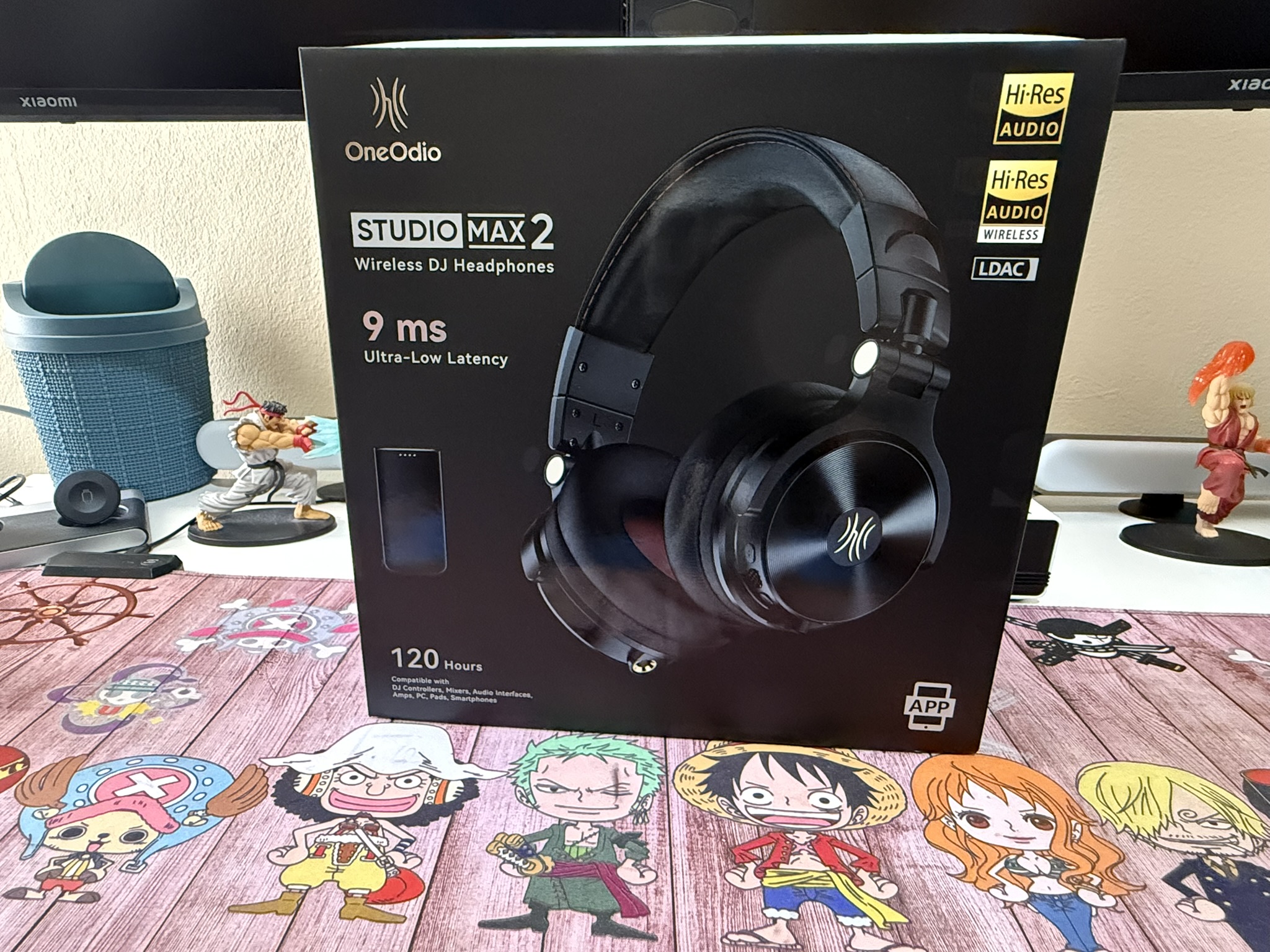
The OneOdio Studio Max 2 tackles a problem that conventional Bluetooth headphones have never completely solved for DJs: latency. Wireless headphones are convenient for listening to music, but even a relatively small delay can become distracting when cueing tracks, matching beats or monitoring a live mix. OneOdio’s answer is a dedicated low-latency wireless connection, combined with conventional Bluetooth and wired operation. The Studio Max 2 is designed to move between DJ monitoring, music production and everyday listening without forcing users to maintain separate headphones for every situation. The involvement of electronic music producer KSHMR also gives this model an interesting identity. Rather than presenting the Studio Max 2 purely as a lifestyle headphone, OneOdio positions it as a performance-oriented product with particular attention to bass response, rhythmic detail and monitoring clarity. That makes the Studio Max 2 an intriguing proposition. Its success depends not just on how many features it offers, but on whether those features work together convincingly.
What’s in the Box?
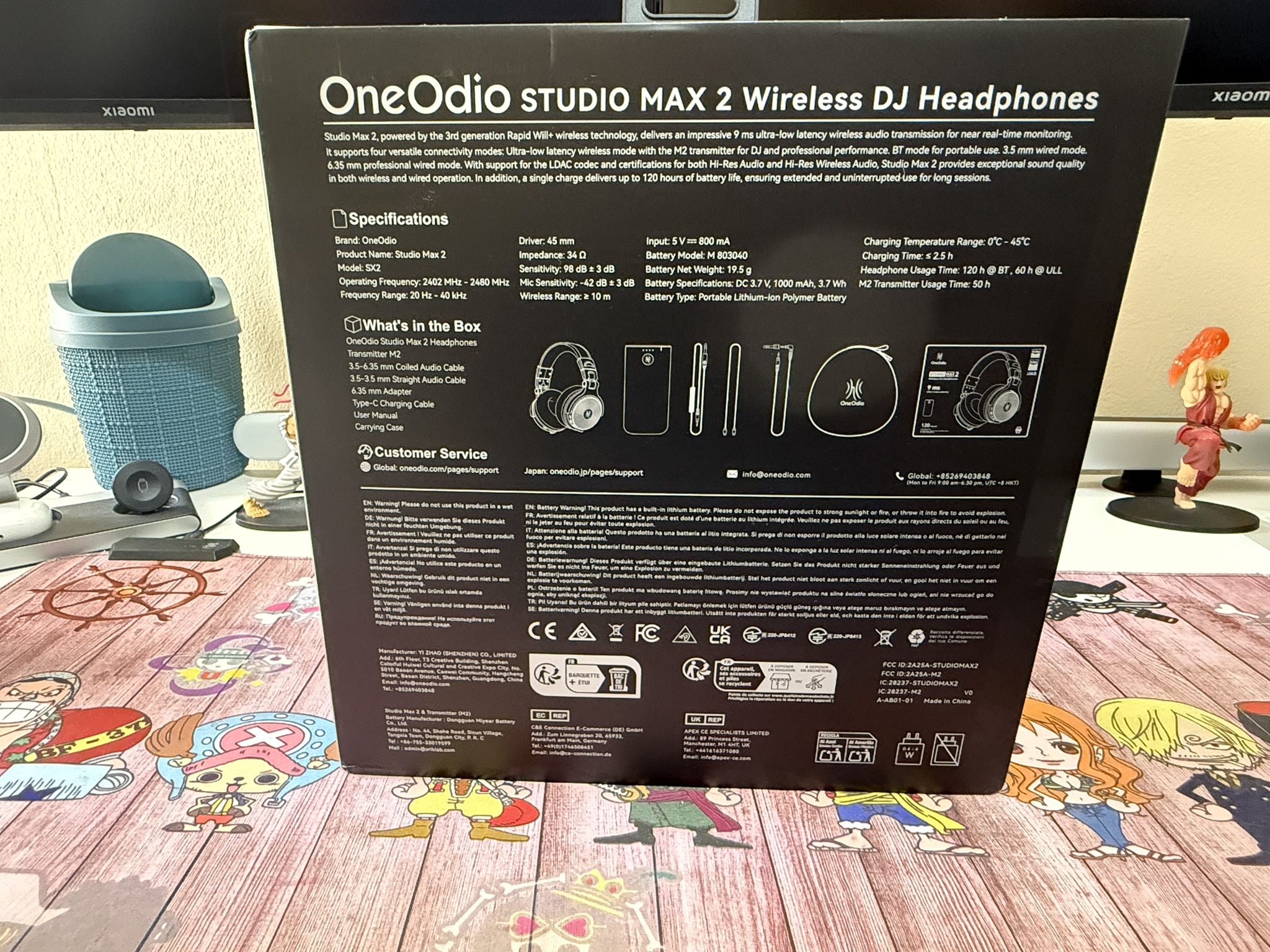
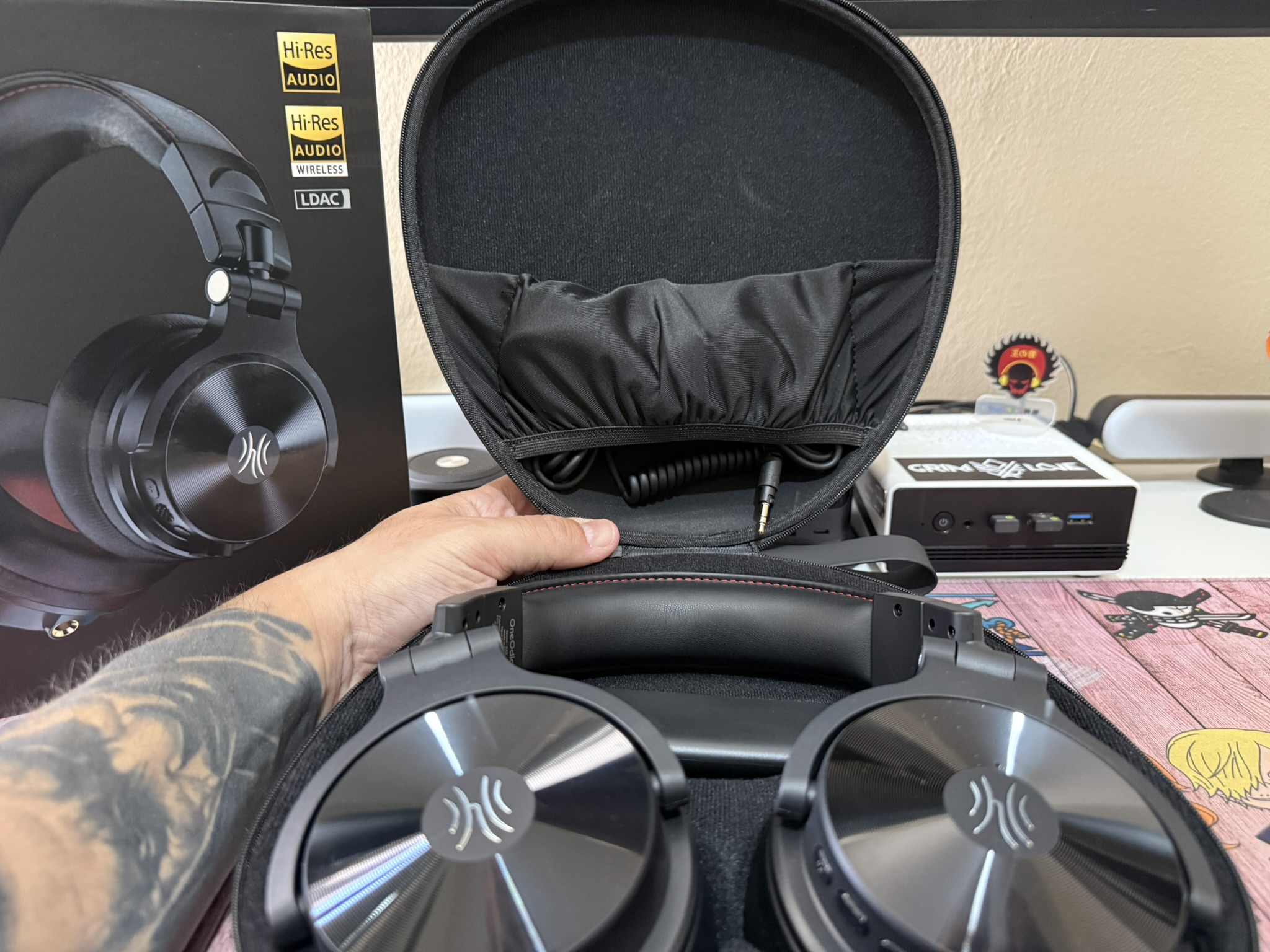
The Studio Max 2 arrives in a substantial retail package, with the headphones and accessories organized inside a protective EVA carrying case.
The standard package includes:
-
1 × OneOdio Studio Max 2 Headphones
-
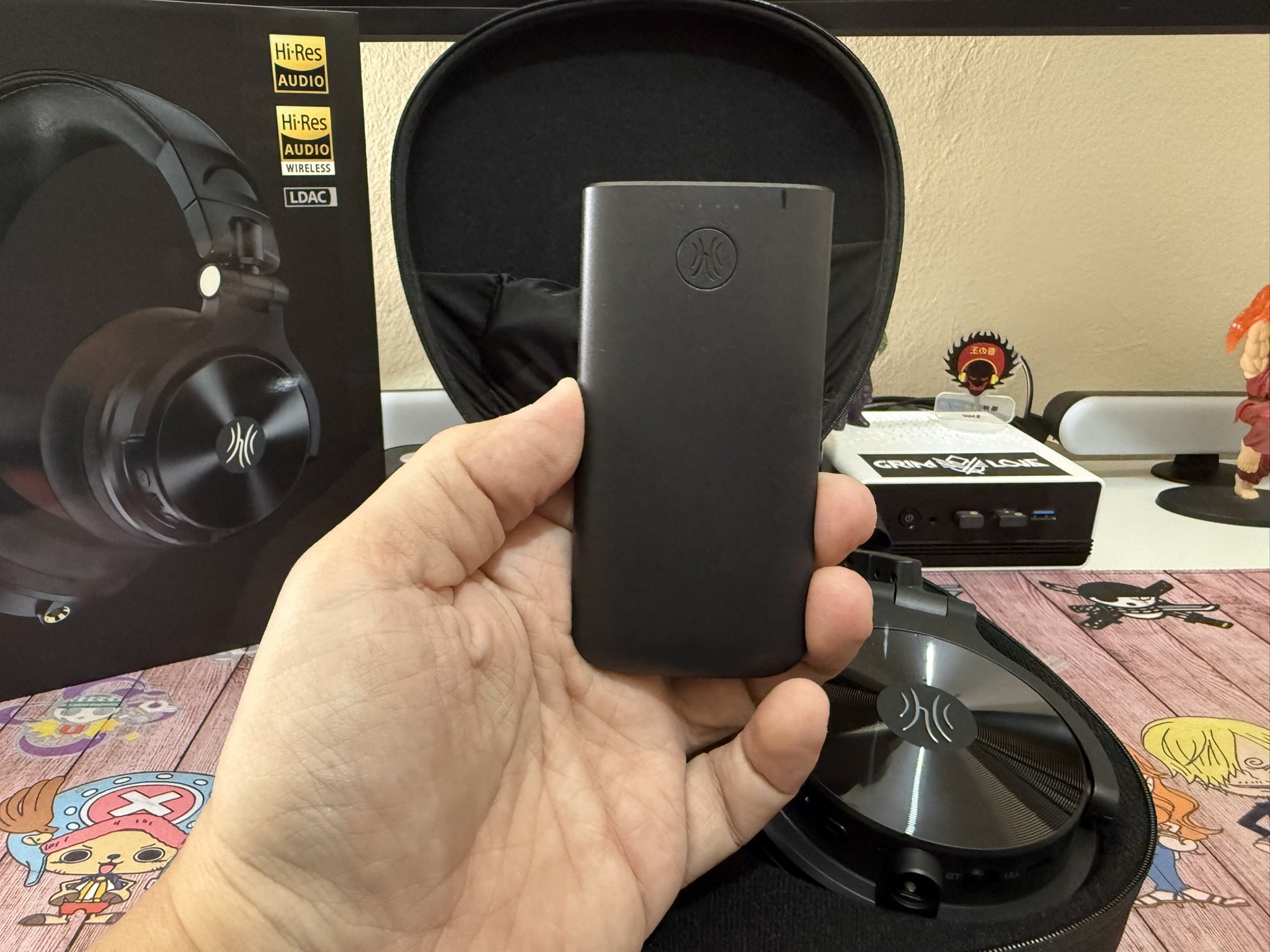
1 × M2 Ultra-Low-Latency Wireless Transmitter
-
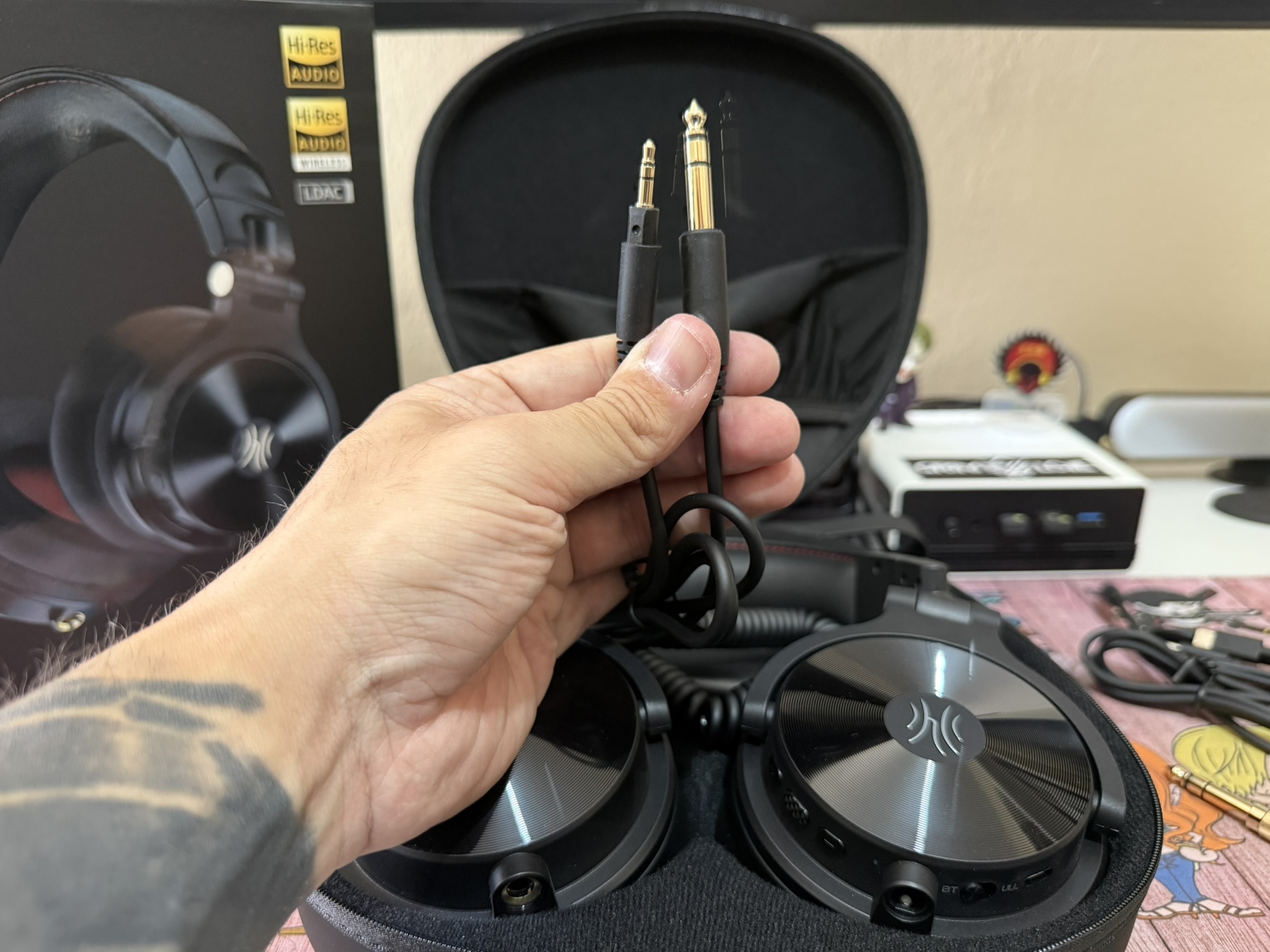
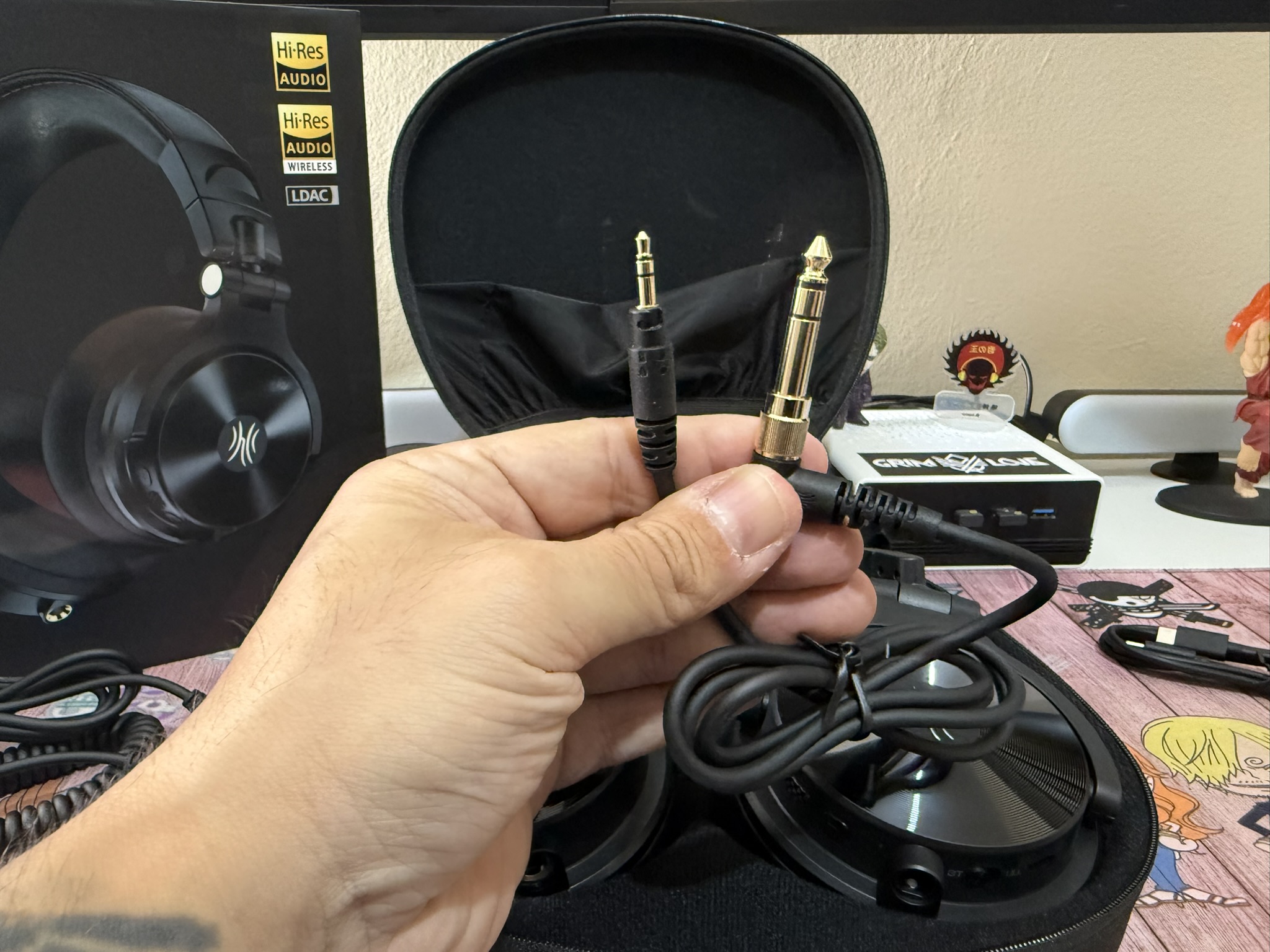
1 × 1.2m Straight 3.5mm Audio Cable, with 6.35mm Adapter
-
1 × 3m Coiled 3.5mm-to-6.35mm Audio Cable
-
1 × USB-C Charging Cable
-
1 × Premium EVA Carrying Case
-
1 × User Manual
-
1 × Safety Documentation
-
Access to the exclusive KSHMR Sound Pack, featuring more than 50 samples
The package is unusually comprehensive for wireless headphones. In particular, including both straight and coiled cables is a welcome decision. The shorter cable makes sense for portable listening, while the longer coiled cable is better suited to a mixer, controller or studio setup. The EVA case offers meaningful protection, although it is rather large. The headphones fold, but the case stores them in a way that takes up more room than some travelers might appreciate.
Technical Specifications
| Feature | OneOdio Studio Max 2 |
|---|---|
| Headphone Type | Closed-back, over-ear |
| Driver | 45mm dynamic, PET diaphragm |
| Magnet | Neodymium |
| Frequency Response | 20Hz–40kHz |
| Impedance | 34Ω |
| Sensitivity | 98 ± 3dB |
| Maximum SPL | 118dB |
| Bluetooth | 6.0 |
| Bluetooth Codecs | SBC, AAC, LDAC |
| Wireless DJ Connection | RapidWill+ 3.0, 2.4GHz |
| Claimed Minimum Latency | 9ms |
| Low-Latency Transmission | Up to 400kbps |
| Wired Connections | 3.5mm and 6.35mm |
| Battery Capacity | 1000mAh |
| Bluetooth Battery Life | Up to 120 hours |
| Low-Latency Battery Life | Up to 60 hours, mode dependent |
| M2 Transmitter Battery Life | Up to 50 hours |
| Charging Time | Approximately 2.5 hours |
| Fast Charging | 5 minutes for up to 9 hours |
| Microphone | Built-in |
| App Support | OneOdio App |
| Earcups | Foldable, approximately 180° swivel |
| Weight | Approximately 330–353g, depending on measurement |
| Colors | Black |
| Editions | Standard and KSHMR Signed Edition |
Design and Build Quality – Practical DJ Styling
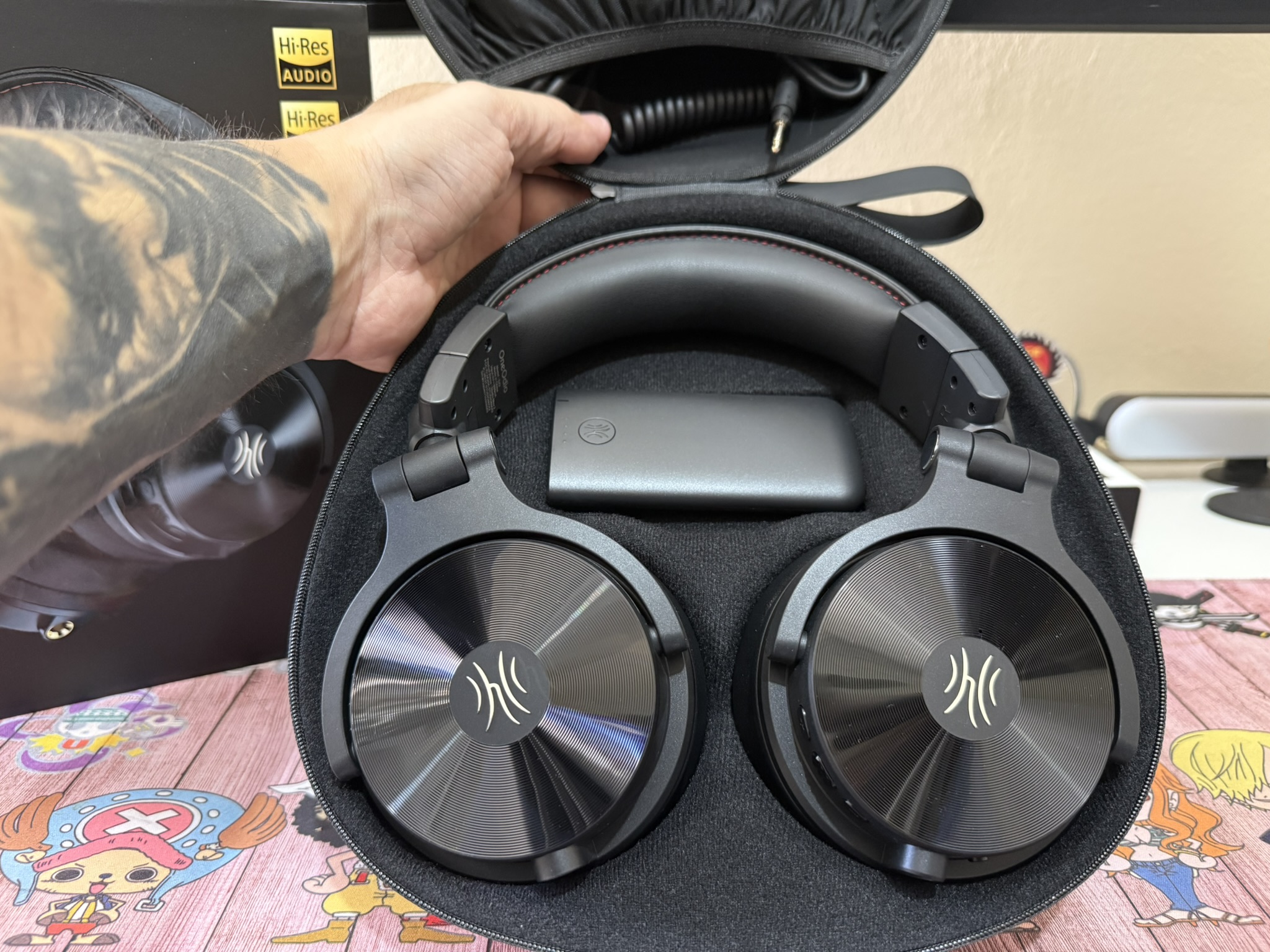
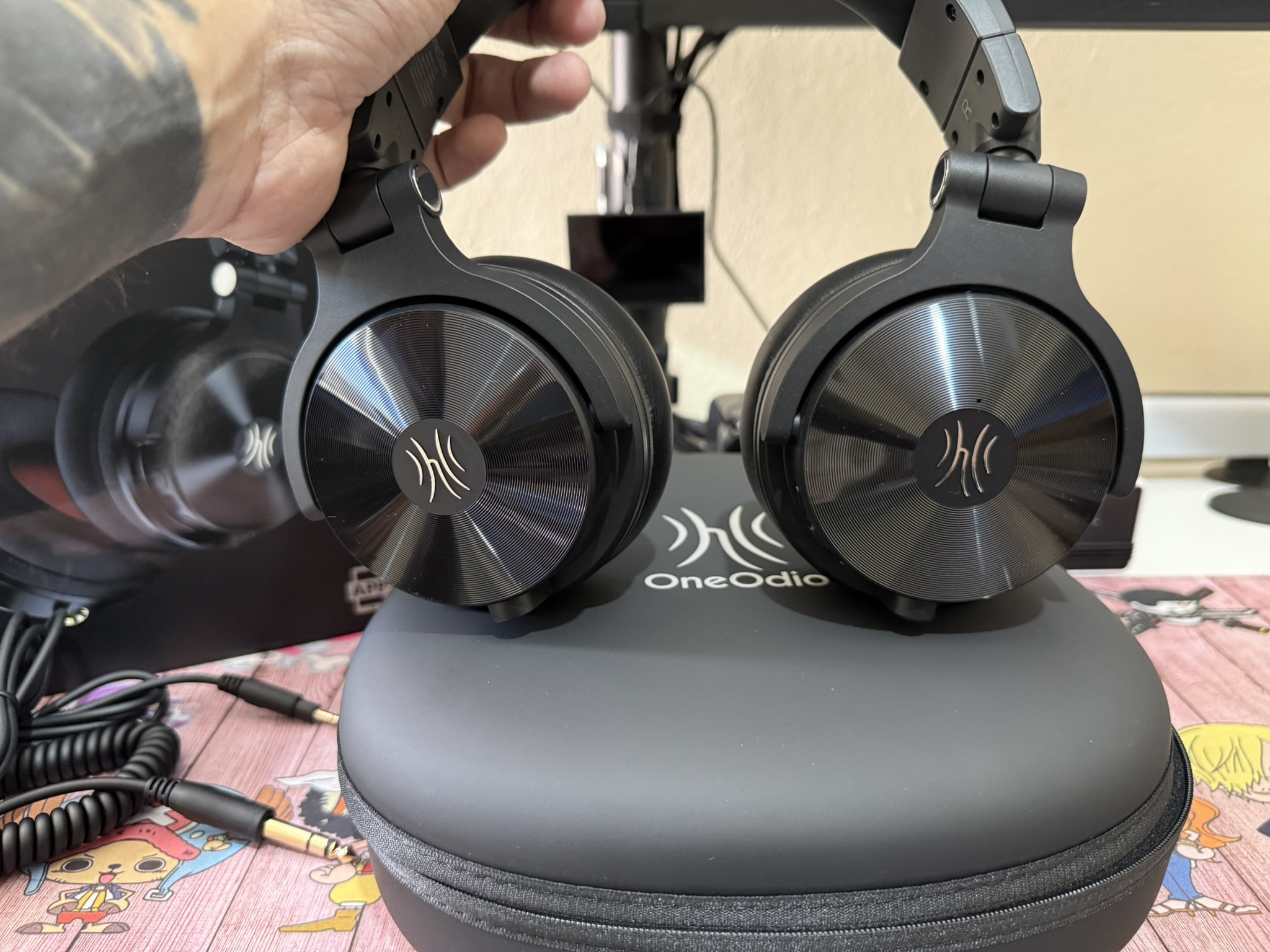
The Studio Max 2 looks like a professional DJ headphone rather than a typical lifestyle-oriented wireless model. Its large circular earcups, matte-black finish and prominent headband give it a purposeful appearance. There are no unnecessary RGB lights or overly elaborate decorative elements. The exterior of the earcups features a circular pattern reminiscent of vinyl records, a subtle detail that suits the intended audience. The construction is predominantly plastic, with metal reinforcement inside the adjustable headband. That keeps the design relatively straightforward, although the materials don’t feel as premium as the price might suggest. The plastic components are reasonably substantial, but the fit and finish aren’t flawless. Some joints can produce slight creaking, and certain edges reveal the realities of molded construction. This isn’t necessarily a durability problem, but the Studio Max 2 doesn’t deliver the same luxurious impression as some similarly priced consumer headphones.
Foldable and Rotating Earcups
The earcups rotate through approximately 180 degrees and can fold inward for storage. For DJs, this is more than a convenience. Being able to rotate one earcup away from the ear makes single-ear monitoring possible, allowing one ear to follow the cue track while the other listens to the room or master output. The swiveling mechanism also helps the headphones accommodate different head shapes. The overall design prioritizes functionality, even if the construction materials remain fairly ordinary.
Comfort – Generous Earpads, Noticeable Weight
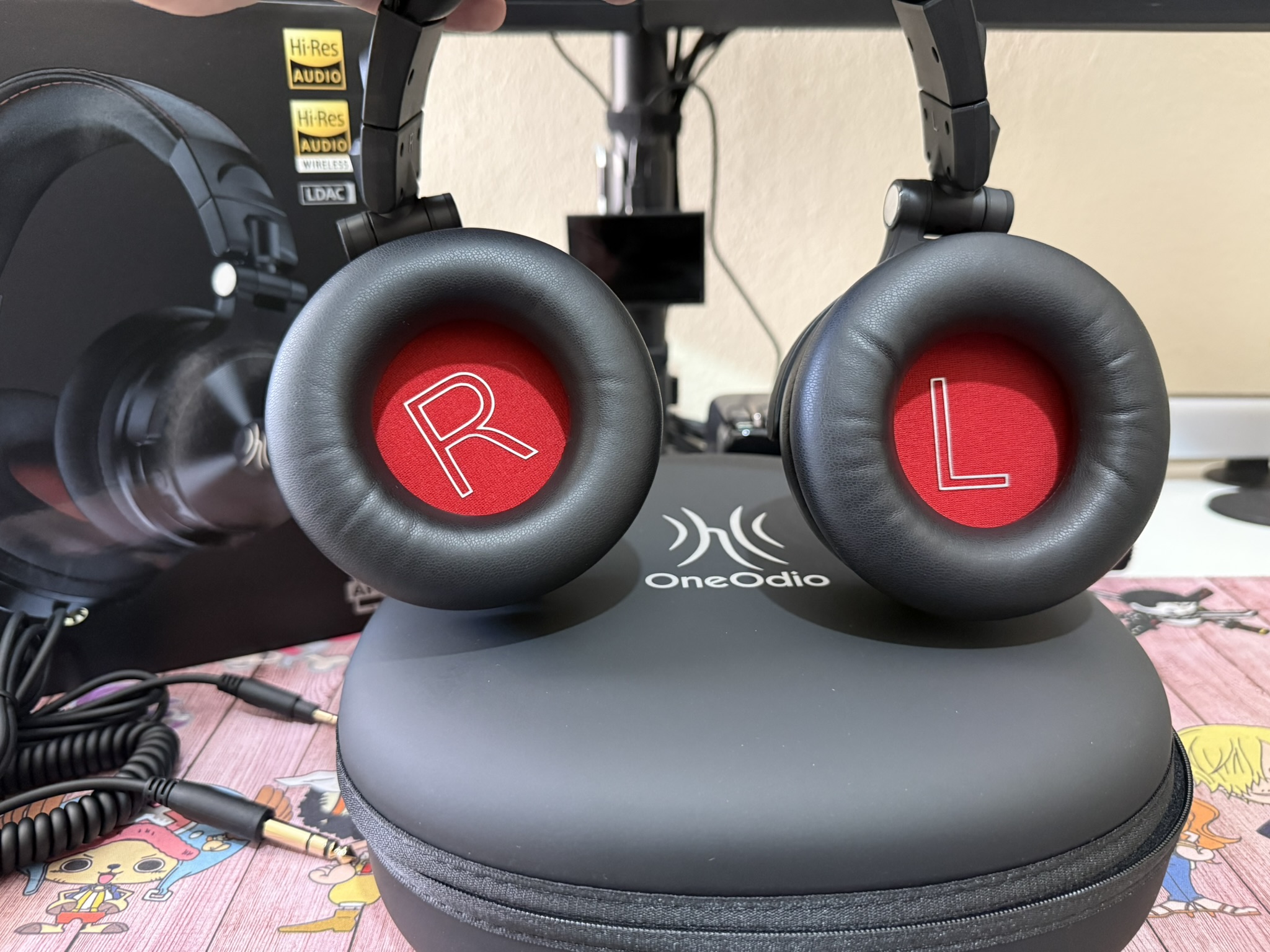
Comfort is one area where the Studio Max 2 presents a genuine compromise. The large over-ear cushions are covered in synthetic protein leather and filled with soft padding. They provide enough room for many listeners’ ears and create a comfortable initial fit. The headband is adjustable and includes padding, but that padding is relatively thin compared with the overall weight. At approximately 330–353g, these aren’t lightweight headphones. During shorter sessions, the large cushions help distribute pressure effectively. Over longer periods, however, pressure along the top of the head can become noticeable. The fit may also feel less secure during energetic movement than some dedicated club-monitoring headphones. That’s particularly relevant for DJs, who may spend several hours standing, moving and repeatedly shifting between one-ear and two-ear monitoring. Comfort is highly individual, but the Studio Max 2 is best approached as a substantial headphone rather than something that disappears on your head.
RapidWill+ 3.0 – The Main Reason to Consider These Headphones
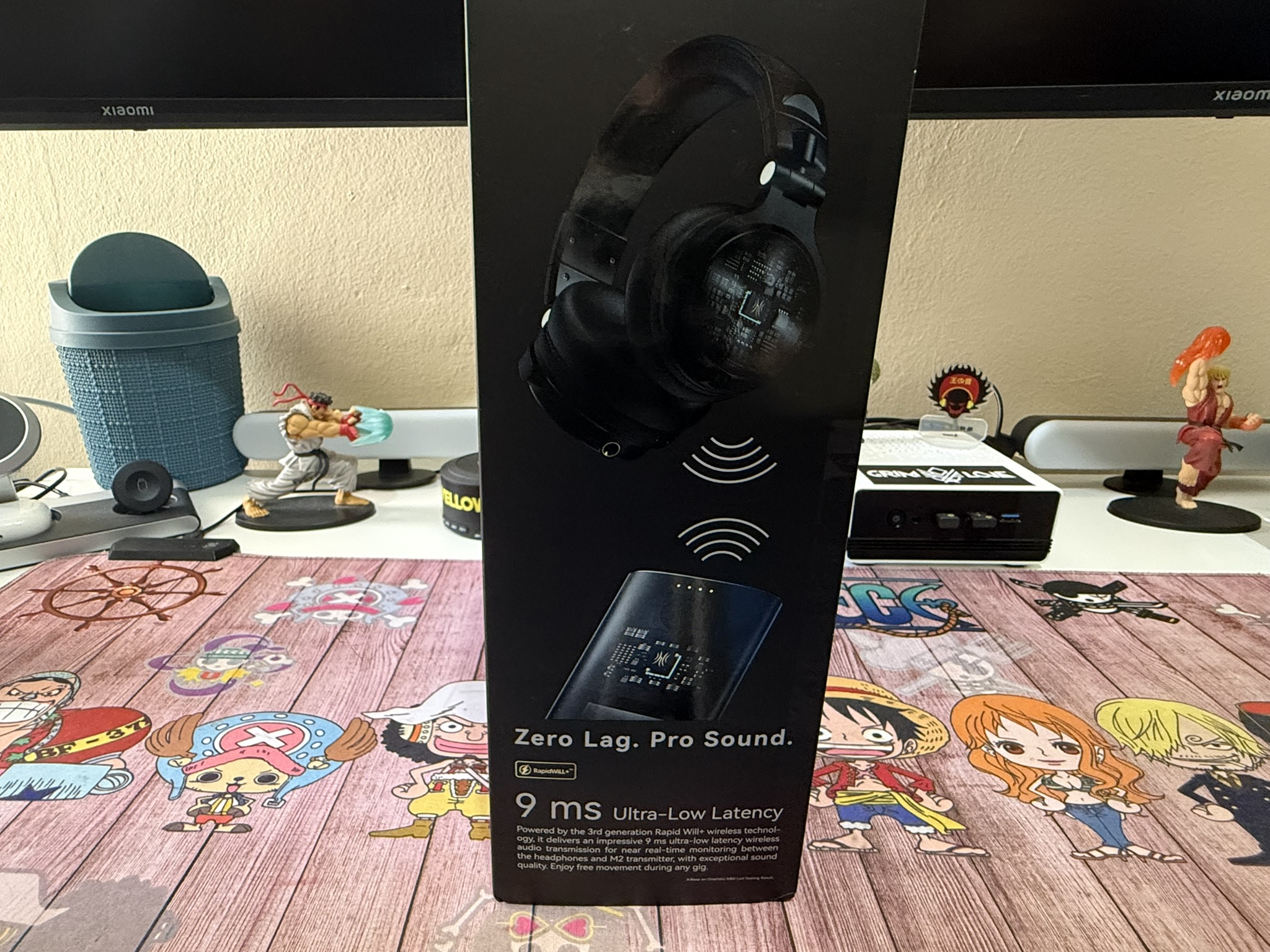
The standout feature is OneOdio’s RapidWill+ 3.0 ultra-low-latency wireless technology. Conventional Bluetooth headphones introduce a delay between the audio source and what reaches your ears. For watching videos, modern devices can often compensate for that delay. For DJing, recording instruments or performing live, the situation is different. When you press a key, trigger a sample or cue a track, you need the response to arrive almost immediately. The Studio Max 2 addresses this with a dedicated 2.4GHz wireless system and the included M2 transmitter. OneOdio advertises latency as low as 9 milliseconds.
Why 9ms Matters
A delay of 9ms is exceptionally short for wireless audio. At that level, the connection becomes much more practical for timing-sensitive applications such as beatmatching, cueing and playing virtual instruments. The important qualification is that 9ms is a best-case transmission specification. It doesn’t necessarily represent the complete end-to-end delay of every computer, controller, mixer or software setup. Audio processing, drivers and connected equipment can introduce additional latency. Nevertheless, RapidWill+ is the Studio Max 2’s most compelling technical achievement.
The M2 Transmitter
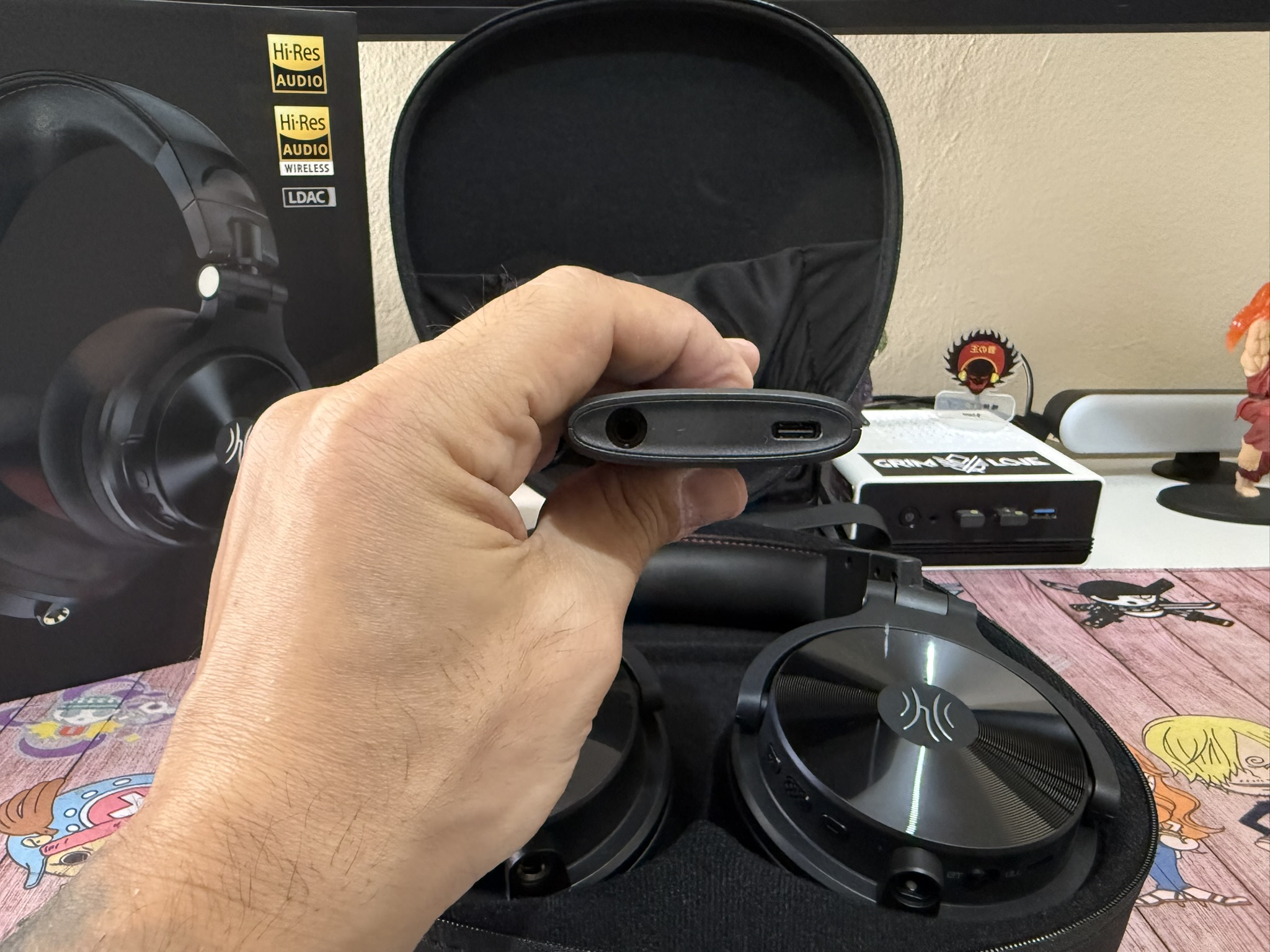
The included M2 transmitter handles the dedicated wireless connection. Rather than relying on ordinary Bluetooth, it establishes a separate link designed for low latency and stable audio delivery. The transmitter has its own rechargeable battery, with an operating life of up to 50 hours. Its 400kbps transmission capability and OPUS-based audio processing are designed to balance sound quality, efficiency and responsiveness. For DJ use, this system is considerably more relevant than simply having the latest Bluetooth version.
Four Connection Options – One Headphone, Several Roles
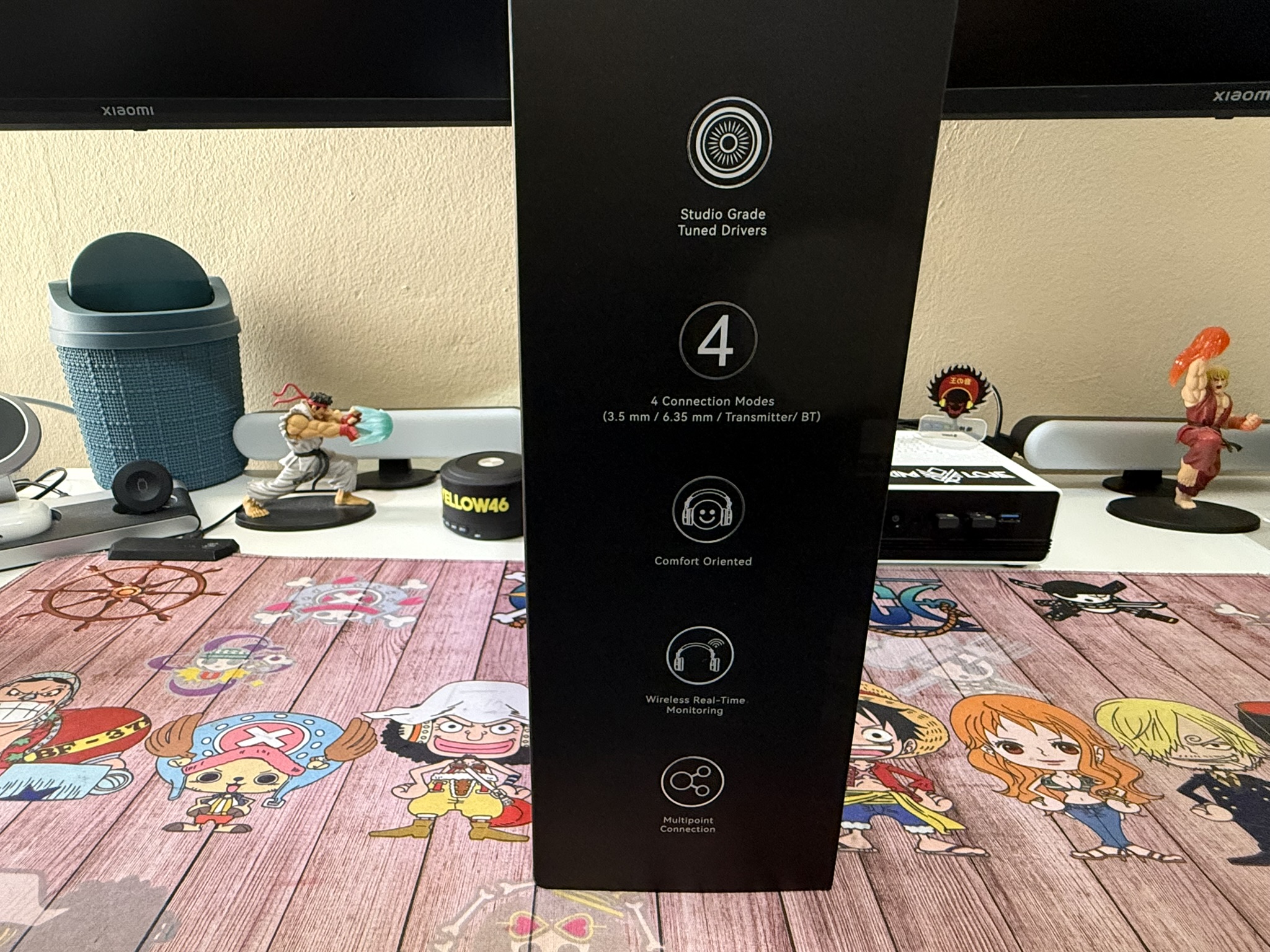
OneOdio advertises four connectivity options, combining two wireless approaches with two physical connection formats.
1. Bluetooth 6.0
Bluetooth is the convenient option for phones, tablets and everyday music listening. The Studio Max 2 supports SBC, AAC and LDAC. LDAC is particularly interesting because it allows compatible devices to transmit higher-bitrate audio than conventional SBC or AAC connections. Under suitable conditions, LDAC can operate at up to 990kbps. It’s worth remembering that LDAC availability depends on the source device. Many Android devices support it, while iPhones do not.
2. RapidWill+ Wireless
This is the dedicated low-latency connection using the M2 transmitter. It is intended for situations where timing matters more than ordinary Bluetooth convenience. DJ equipment, computers and compatible audio sources can benefit from the lower transmission delay.
3. 3.5mm Wired Connection
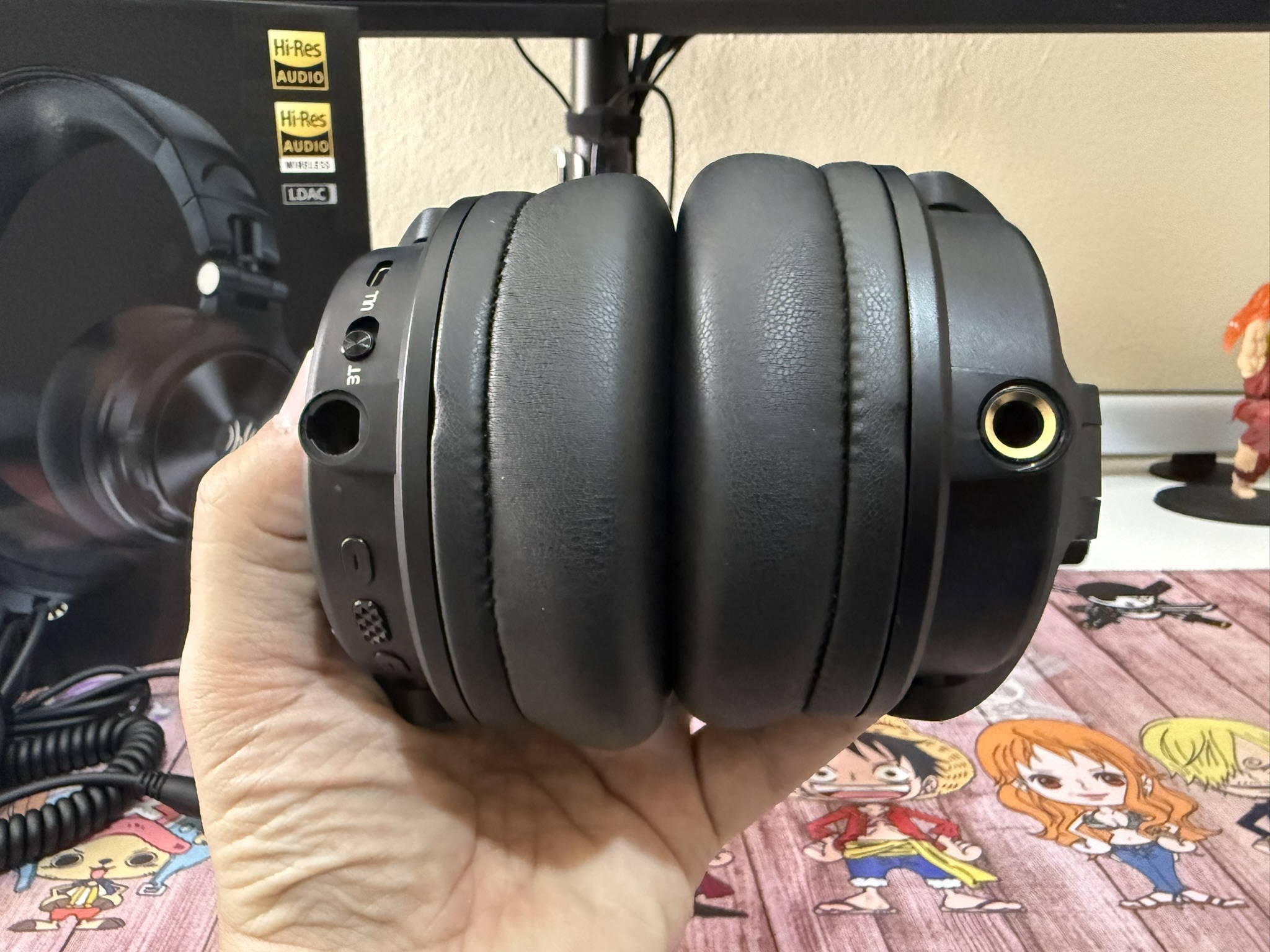
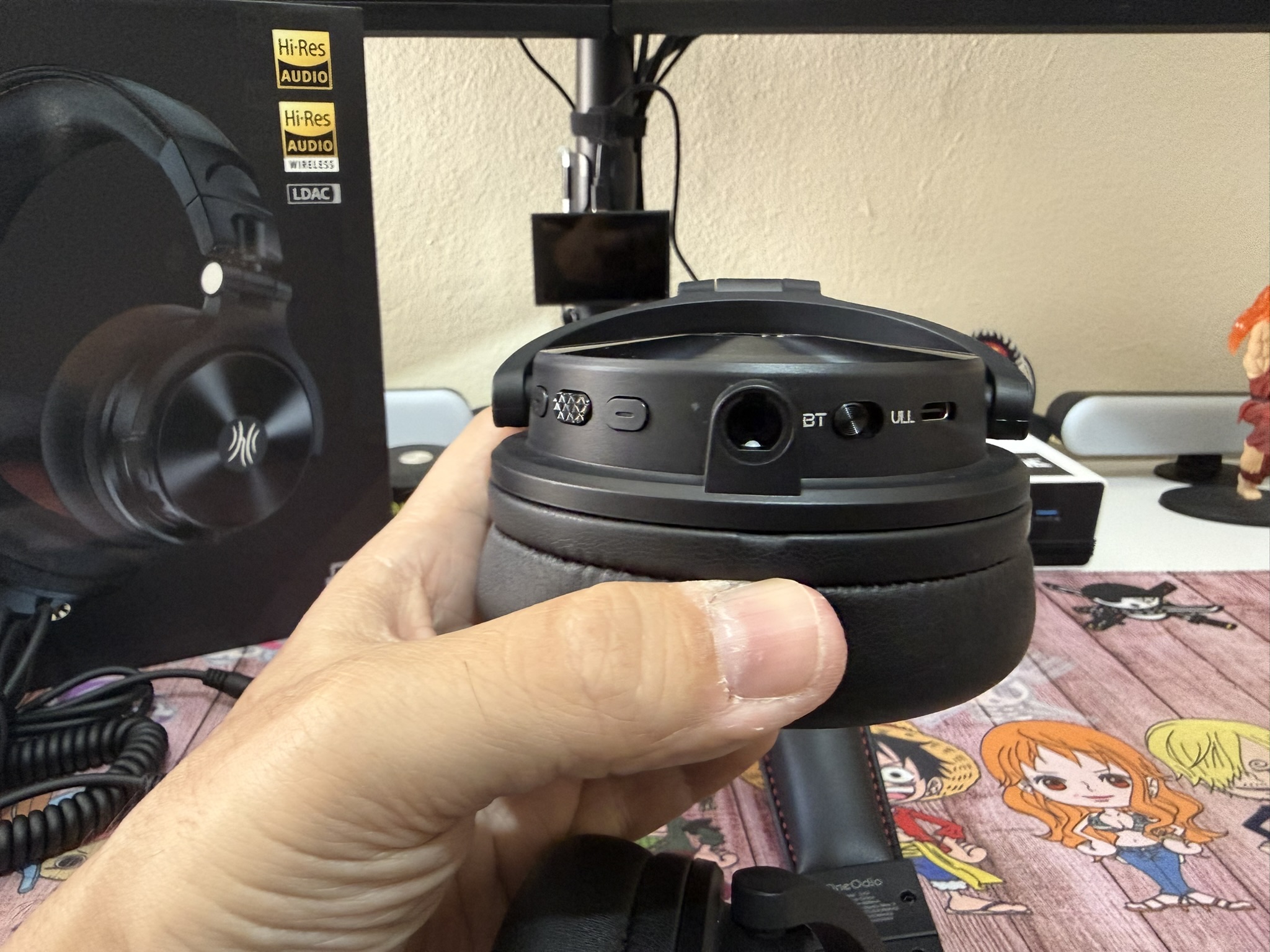
The right earcup includes a 3.5mm input. This provides a familiar connection for laptops, audio interfaces, portable players and other devices. It also offers an alternative when wireless operation isn’t appropriate.
4. 6.35mm Wired Connection
The left earcup includes a full-size 6.35mm input. This is particularly useful for professional mixers, studio interfaces and other equipment using quarter-inch headphone outputs. Having both socket sizes directly on the headphones is a practical feature. It reduces dependence on adapters and allows the Studio Max 2 to fit into a wider variety of setups.
KSHMR Tuning – Designed Around Electronic Music
The Studio Max 2 was developed in collaboration with KSHMR. That partnership is central to the product’s identity. KSHMR is known for electronic music production, elaborate sound design and rhythm-focused arrangements. His involvement suggests a tuning philosophy built around powerful low frequencies, clear percussion and the ability to distinguish important elements within dense electronic tracks. The Studio Max 2 certainly has a sound signature that reflects those priorities. However, it’s important to distinguish DJ-oriented tuning from neutral studio monitoring. A headphone can be enjoyable and effective for identifying beats without necessarily offering the tonal accuracy required for critical mixing or mastering. The Studio Max 2 leans more toward the former.
Sound Quality – Powerful, Energetic and Not Entirely Neutral
The Studio Max 2 uses 45mm dynamic drivers with PET diaphragms and neodymium magnets. The combination provides a broad frequency range and enough physical driver area to produce substantial bass. The overall presentation is energetic, with an emphasis on low-frequency impact. Sound quality can change noticeably depending on whether the headphones are operating through Bluetooth, RapidWill+ or a wired connection, and which EQ profile is active. That variability is worth understanding before treating the Studio Max 2 as a single fixed-sounding headphone.
Bass – Strong Impact and Plenty of Weight
Bass is one of the defining characteristics. Kick drums have considerable punch, while electronic basslines carry enough weight to give dance music a satisfying physical presence. The low frequencies are elevated rather than strictly neutral. For house, techno, EDM and other rhythm-heavy genres, that emphasis can make listening particularly engaging. It also helps bring kick drums and basslines forward when monitoring a mix. The trade-off is that some tracks can sound heavier than intended. For critical production work, a more restrained EQ profile is preferable.
Midrange – Clear Enough, but Not Always the Focus
The midrange is reasonably capable, especially when the low-frequency emphasis is reduced. Vocals, synthesizers and percussion remain identifiable, although the default presentation can sometimes place them slightly behind the bass. Complex arrangements can become congested when several instruments compete for the same frequency space. The Studio Max 2 can reproduce midrange detail, but its default tuning doesn’t always give that detail equal priority. Switching to a more balanced monitoring profile can improve the presentation.
Treble – Detail With Some Dependence on Source Quality
The high frequencies provide useful definition for cymbals, hi-hats and electronic percussion. This is particularly important for DJs because high-frequency transients help identify rhythmic timing and transitions. With a good source and appropriate settings, treble detail can be satisfying. However, the upper frequencies may occasionally sound too prominent or uneven, especially with brighter recordings or lower-quality sources. The Studio Max 2 is therefore not a universally smooth or forgiving headphone.
Soundstage and Imaging
As a closed-back design, the Studio Max 2 doesn’t offer the expansive presentation of a good open-back headphone. Nevertheless, it can create a convincing sense of instrument placement. Stereo positioning is reasonably clear, allowing listeners to distinguish elements across the left and right channels. That makes the headphones enjoyable for electronic music, live recordings and other productions with deliberate spatial effects. The presentation is more intimate than spacious, but it doesn’t feel completely closed-in.
OneOdio App – More Control Than You Might Expect
The Studio Max 2 supports the OneOdio mobile application, available for Android and iOS. The app is useful because it gives the headphones considerably more flexibility than their physical controls suggest.
Available features include:
-
Music, Bass, Monitoring and KSHMR-tuned sound profiles
-
Customizable 10-band equalizer
-
Left/right channel balance adjustment
-
LDAC activation
-
Dual-device Bluetooth connection
-
Game Mode
-
Maximum-volume limiter
-
Automatic power-off settings
-
Wearing-time reminders
-
Find My Headphones
-
Firmware updates
The 10-band equalizer is particularly valuable. Because the default tuning can emphasize certain frequencies too strongly, having a customizable EQ makes it easier to tailor the sound to different music styles and personal preferences. One limitation is that enabling LDAC disables Bluetooth multipoint operation. You therefore need to choose between higher-bitrate Bluetooth audio and simultaneous connection to two devices. The app is relatively straightforward, and the customization is meaningful rather than purely decorative.
Battery Life – One of Its Biggest Strengths
OneOdio claims up to 120 hours of playback in Bluetooth mode, which is an exceptionally ambitious figure. The dedicated low-latency connection reduces that estimate to approximately 60 hours, while the M2 transmitter offers up to 50 hours from its own battery. These figures depend on volume, codec, connection mode and other operating conditions. Even allowing for variation, endurance is a major advantage. For someone using the headphones several hours per day, charging can become an occasional task rather than a daily routine. A full recharge takes approximately 2.5 hours. There’s also fast charging, with OneOdio claiming that five minutes of charging can provide up to nine hours of playback. That is particularly useful when preparing for a performance or recording session and discovering that the battery is running low. The headphones also support passive wired listening, so an exhausted battery doesn’t necessarily mean the end of your listening session.
Microphone and Calls
The Studio Max 2 includes a built-in microphone for Bluetooth calls. Environmental noise reduction helps make speech more intelligible in relatively quiet environments. For ordinary phone calls and online meetings, the microphone is serviceable. However, it isn’t a replacement for a dedicated recording microphone, and its performance becomes less reliable in strong wind or noisy surroundings. The microphone is intended for Bluetooth operation rather than the dedicated RapidWill+ monitoring connection. That distinction matters for anyone hoping to use the headphones as a complete wireless gaming headset. The low-latency connection is useful for game audio, but microphone functionality requires a different arrangement.
Passive Noise Isolation – An Important Limitation
Despite their large closed-back earcups, the Studio Max 2 doesn’t provide particularly strong passive isolation. The cushions surround the ears, but the overall seal and clamping force don’t block external sound as effectively as some dedicated DJ-monitoring headphones. This becomes particularly relevant in loud clubs. A headphone can offer excellent low-latency wireless transmission, but if the sound from the venue overwhelms the cue track, monitoring still becomes difficult. The Studio Max 2 also doesn’t offer active noise cancellation. That’s not necessarily unusual for DJ headphones, but it makes passive isolation more important. For home studios and relatively controlled environments, the isolation may be sufficient. For extremely loud venues, it’s one of the areas that deserves careful consideration.
Who Are the Studio Max 2 For?
The Studio Max 2 makes the most sense for DJs, electronic musicians and content creators who want the convenience of wireless headphones without accepting conventional Bluetooth latency during timing-sensitive work. They’re also interesting for people who frequently move between a computer, DJ controller, phone and studio interface. The multiple connection options reduce the need to carry separate headphones for every source. For ordinary music listening, the long battery life and LDAC support are attractive, although the substantial weight and distinctive tuning make them less universally appealing. For critical mixing and mastering, a more neutral studio headphone would be the safer choice.
Pros & Cons
Pros
-
Dedicated RapidWill+ 3.0 wireless technology
-
Claimed latency as low as 9ms
-
Included M2 transmitter
-
Bluetooth 6.0 with LDAC support
-
Four connection options
-
Both 3.5mm and 6.35mm headphone inputs
-
Up to 120 hours of Bluetooth playback
-
Fast charging
-
Foldable construction
-
180-degree swiveling earcups
-
Suitable for single-ear DJ monitoring
-
Large 45mm dynamic drivers
-
Multiple EQ profiles
-
Customizable 10-band equalizer
-
Useful OneOdio app
-
Bluetooth multipoint support
-
Comprehensive accessory package
-
Protective EVA carrying case
-
Exclusive KSHMR sample collection
Cons
-
Headband comfort may become an issue during long sessions
- Plastic construction doesn’t feel especially premium
- No active noise cancellation
Final Verdict
The OneOdio Studio Max 2 is an unusual pair of headphones, and that’s both its greatest strength and its biggest challenge. Its strongest feature is undoubtedly RapidWill+ 3.0. The ability to transmit audio wirelessly with a claimed minimum latency of just 9ms addresses a genuine limitation of conventional Bluetooth headphones. For DJ cueing, electronic instruments and other timing-sensitive applications, that technology has meaningful potential. The inclusion of the M2 transmitter, Bluetooth 6.0, LDAC, two wired connection formats and a remarkably comprehensive accessory package makes the Studio Max 2 exceptionally flexible. Battery endurance is another major strength. With up to 120 hours of Bluetooth playback, the headphones offer considerably more freedom from charging than most wireless models. However, the acoustic performance doesn’t always match the ambition of the connectivity system. The tuning is energetic but can be overly bright, the presentation isn’t consistently neutral, and the experience changes depending on the source and connection method. The adjustable EQ helps, but users seeking accurate reference monitoring may find the amount of adjustment required frustrating. Comfort and isolation are also important considerations. The large cushions are welcoming initially, but the substantial weight and relatively thin headband padding can become noticeable during longer sessions. Meanwhile, passive isolation isn’t as effective as the professional DJ positioning might suggest. For someone whose priority is eliminating wireless delay while retaining Bluetooth convenience and wired compatibility, it offers a genuinely interesting combination. For someone whose priority is neutral sound reproduction, maximum comfort or isolation in loud venues, the competition remains strong. The Studio Max 2 proves that wireless DJ monitoring can be impressively responsive.