









HQD SLYD 60K takes a different approach to high-puff vaping devices by combining a slide-in structure with a rechargeable power system and a replaceable pod format. Instead of treating the battery and e-liquid section as one inseparable unit, its design focuses on connecting compatible components in a single system. This makes compatibility, battery management and replacement-part availability important factors to understand before evaluating the device.
According to HQD’s published product information, the SLYD 60K features a visible 20 mL e-liquid supply and a 1,400 mAh dual-battery configuration. The brand also highlights its slide-in structure and cross-compatibility. These details provide a more useful starting point for understanding the product than its advertised puff count alone.
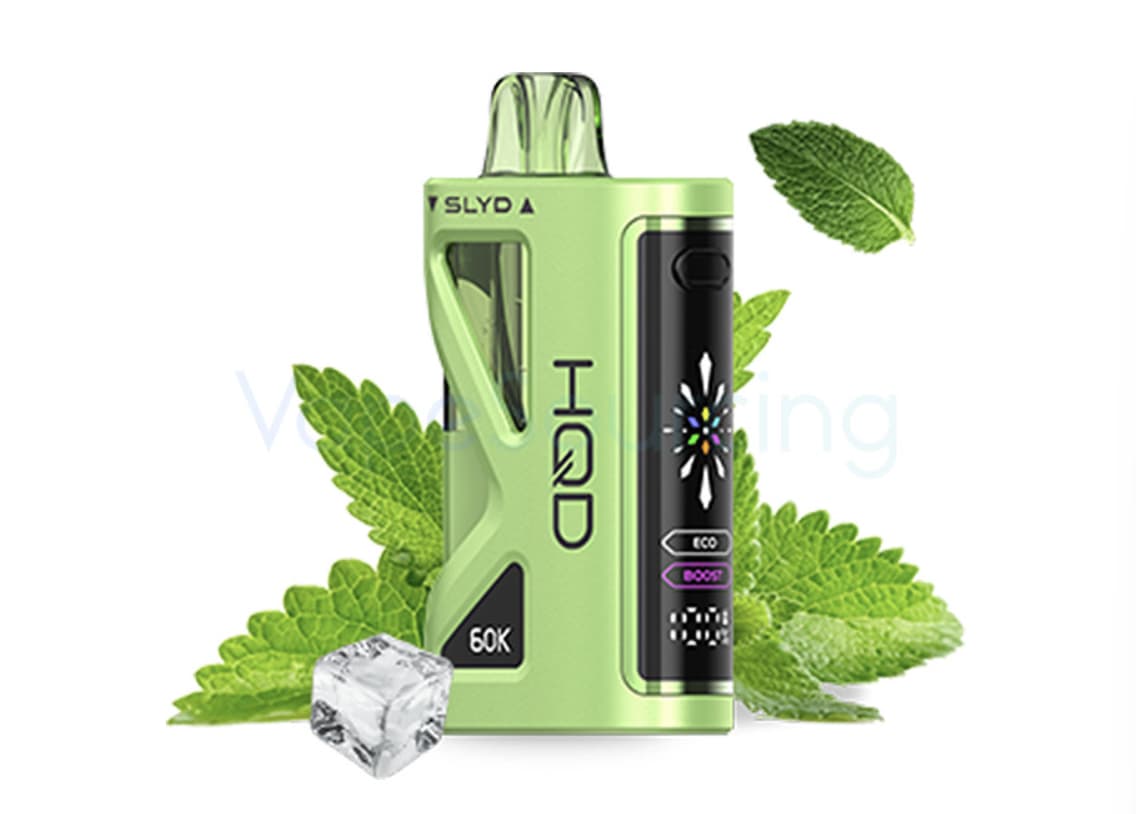
HQD SLYD 60K: What Makes Its Design Different?
One of the main features of the HQD SLYD 60K is its slide-in connection system. The design allows compatible components to connect as part of the same device, rather than relying entirely on a conventional all-in-one disposable format.
This modular approach makes the connection mechanism especially important. Buyers should confirm which replacement pods or cartridges are supported, whether the components are sold separately, and whether the replacement parts available in their region are specifically compatible with the SLYD 60K. Similar-looking components from another HQD product should not automatically be assumed to fit.
The system’s cross-compatibility claim is also worth checking carefully. Compatibility can refer to particular components within a product family rather than every device made by the same brand. Checking the exact model name before purchasing replacement parts can help avoid unnecessary returns.
Understanding the 20 mL E-Liquid Supply
HQD lists a visible 20 mL e-liquid supply as one of the SLYD 60K’s main features. A visible liquid section can make it easier to monitor the remaining supply without relying solely on an estimated usage indicator.
E-liquid capacity and actual operating life are not the same measurement, however. The amount of liquid consumed depends on factors such as power output, puff duration and frequency of use. As a result, two people using the same device may experience different operating times.
The advertised 60,000-puff figure should therefore be treated as a manufacturer estimate, not a guarantee of how long every device will last. Actual results can vary with operating mode and individual use. Before buying, check the seller’s current product information for the conditions attached to that estimate.
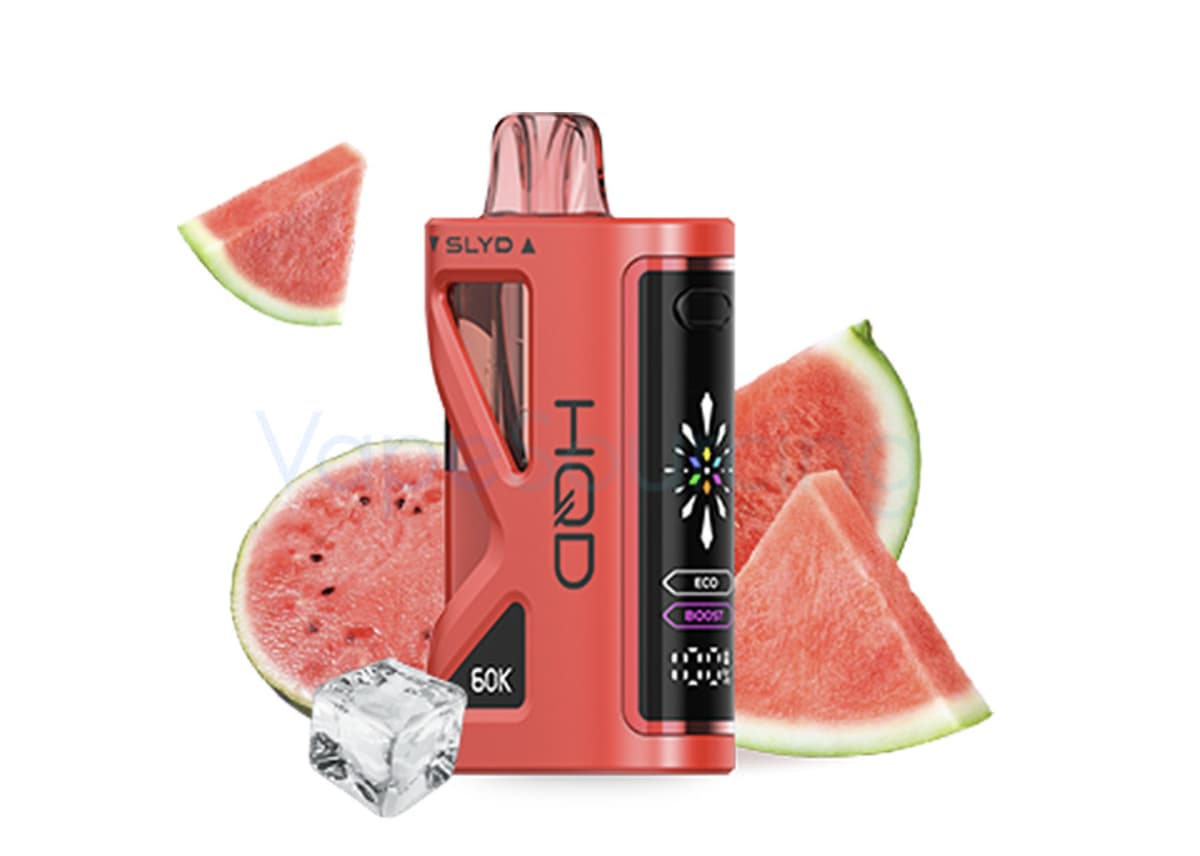
A Closer Look at the 1,400 mAh Dual-Battery System
HQD identifies a 1,400 mAh dual-battery configuration as another key SLYD 60K specification. Battery capacity matters because a device’s power supply affects how it operates between charges.
The dual-battery arrangement is particularly relevant to the product’s connected-component design. Buyers should check the manufacturer’s instructions to understand how each component supplies power, how charging works and whether any part must be charged separately. The available information should be consulted before assuming that both sections use the same charging method.
For everyday ownership, it is also sensible to verify the charging port, supported power input and recommended charging procedure from the product packaging or official instructions. Avoid using damaged cables or charging equipment that does not meet the manufacturer’s requirements.
Eco and Boost Modes: What to Check
Some product listings and third-party descriptions associate the SLYD 60K with Eco and Boost operating modes. These labels generally indicate different performance settings, but the exact behavior should be confirmed against the specifications for the version being sold.
A higher-output setting may consume e-liquid and battery power more quickly, while an economy setting may prioritize lower consumption. The real difference depends on how the manufacturer has implemented each mode. Buyers should check whether the modes are confirmed for their particular version and whether switching settings changes the advertised puff estimate.
If the product includes a screen or status indicators, check which information is displayed. Battery status, operating mode and e-liquid visibility are useful only when their readings are clearly explained in the supplied instructions.
Is the HQD SLYD 60K Right for Your Needs?
The SLYD 60K is best assessed by looking beyond the number printed in its product name. Its modular connection, visible e-liquid supply and dual-battery specification are the most relevant details to compare with other devices.
Before making a purchase, consider these questions:
- Replacement availability: Can you obtain compatible replacement components in your region?
- Model compatibility: Does the seller identify the exact compatible pod or cartridge model?
- Battery information: Are the charging method, battery configuration and safety instructions clearly documented?
- E-liquid details: Are the liquid capacity and nicotine concentration stated on the listing or packaging?
- Puff-count conditions: Does the seller explain the settings or testing conditions behind the advertised figure?
- Local requirements: Is the product permitted for sale and use under the rules that apply where you live?
These checks help establish whether the device’s format and ongoing component availability suit your circumstances. They are also more informative than relying on a high puff-count claim alone.
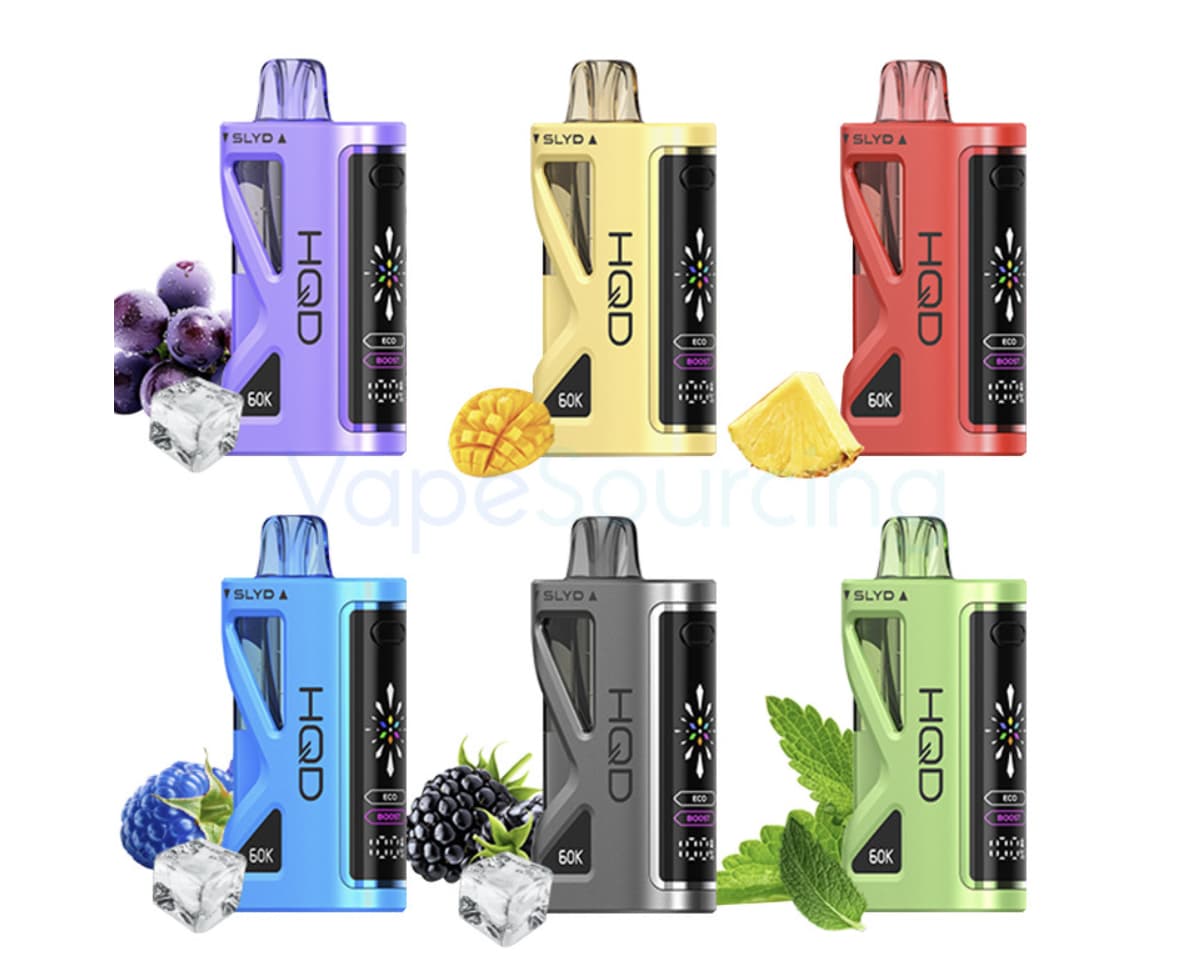
Final Thoughts
HQD SLYD 60K stands out for its slide-in structure, stated 20 mL e-liquid supply and 1,400 mAh dual-battery configuration. Its modular design makes replacement-part compatibility an especially important consideration, while its advertised puff count should be understood as an estimate rather than a guaranteed result.
For anyone researching the HQD SLYD 60K, the most useful next step is to verify the exact version, compatible components, nicotine details and charging instructions on the current product listing and packaging. Clear specifications and dependable access to compatible parts provide a stronger basis for evaluating the device than headline numbers alone.