









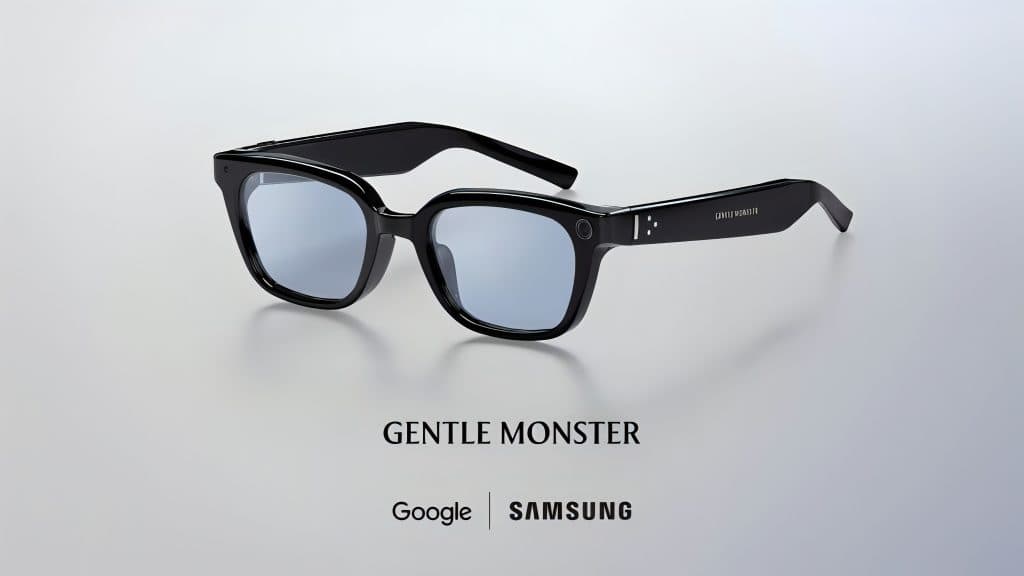
Samsung is reportedly preparing to enter the AI smart glasses market, with its first wearable eyewear product expected to debut in South Korea and the United States in mid-December 2026. The device, tentatively named Samsung Intelligent Eyewear, is expected to combine Google’s Android XR platform with Gemini AI to deliver hands-free assistance through voice commands.
According to a November 2 report cited by Igeekphone and TrendForce, Samsung plans to introduce the new glasses in two initial markets before considering a wider international rollout. The company has not yet confirmed the official product name or announced its retail price.
The upcoming launch could mark an important step in Samsung’s strategy to compete with established smart glasses brands, particularly Meta, which has already built a presence across several price segments. Here is Samsung’s AI glasses plan with Android XR and Gemini AI.
Samsung Will Initially Focus on South Korea and the US
Rather than launching its first AI glasses worldwide, Samsung is reportedly taking a cautious approach by limiting initial availability to South Korea and the United States.
Europe, China, and Japan are not currently included in the planned first-wave launch. Since AI glasses represent a relatively new product category for Samsung, the company reportedly wants to evaluate consumer demand and collect real-world feedback before deciding whether to expand distribution.
This approach could help Samsung understand how people use AI-powered eyewear in everyday situations, including communication, navigation, translation, and productivity.
The final launch schedule and regional availability have not been officially confirmed by Samsung.
Android XR and Gemini AI Will Power the Smart Glasses
One of the main features of Samsung’s upcoming glasses is their integration with Google’s Android XR platform and Gemini AI. Instead of relying on a conventional display, the device is expected to focus on voice-based interaction and environmental awareness. How about Samsung’s first Android XR headset, Project Moohan.
The glasses will reportedly include built-in cameras and microphones that allow them to capture visual and audio information from the user’s surroundings. This hardware could support several practical AI functions, including:
-
Real-time translation: Help users understand conversations in different languages.
-
Voice navigation: Provide spoken directions without requiring users to check their smartphones.
-
Visual recognition: Use the camera to capture documents, objects, and meeting-related information.
-
Smart note-taking: Send captured content to the Notes application on a connected Samsung Galaxy phone for organization and later reference.
Unlike display-equipped augmented reality glasses, Samsung’s first model is reportedly designed without an integrated screen. This means users will primarily interact with Gemini through voice commands rather than viewing digital information directly in front of their eyes.
The screen-free approach could also make the product more suitable for people who want AI assistance without wearing a visibly complex AR headset.
Snapdragon AR1 Gen 1 Chip and Up to 9 Hours of Battery Life
On the hardware side, Samsung’s Intelligent Eyewear is expected to use Qualcomm’s Snapdragon AR1 Gen 1 processor.
The chipset is designed for lightweight smart glasses and supports on-device processing capabilities for wearable AI experiences. Combined with cameras, microphones, and Gemini integration, it could provide the computing foundation for the glasses’ intelligent features.
Battery life is another important consideration. The device is reportedly expected to offer up to nine hours of use on a single charge. Actual endurance will likely vary depending on camera activity, voice interaction, connectivity, and other usage conditions.
If the reported battery figure holds up in real-world testing, it could make the glasses practical for extended daily activities rather than limiting them to occasional use.
Gentle Monster and Warby Parker Help Shape the Design
Samsung is also paying attention to appearance, an important factor in a product category that users may wear throughout the day.
The company has reportedly worked with fashion eyewear brands Gentle Monster and Warby Parker on the design of its smart glasses.
Samsung previously showcased two eyewear design concepts during Google’s I/O conference in May 2026. More recently, two additional designs reportedly appeared during the Galaxy Unpacked event in London last month.
These collaborations suggest that Samsung wants its AI glasses to look more like conventional eyewear instead of bulky electronic devices. A familiar frame design could help attract consumers who are interested in smart features but do not want to compromise their personal style.
However, the final frame options, materials, color choices, and customization features have not yet been officially announced.
Samsung Faces Competition From Meta and XREAL
Entering the AI glasses market will not be easy for Samsung. Several technology companies are already developing products that combine wearable hardware with artificial intelligence and augmented reality.
Meta is one of Samsung’s most significant competitors. Through its smart glasses lineup, developed with eyewear partners, Meta has spent years building consumer awareness and expanding its products across different price categories.
Its existing market presence gives it an advantage in brand recognition, product experience, and ecosystem development.
Meanwhile, XREAL has also attracted attention with the introduction of its XREAL AURA, described in the report as the world’s first Android XR smart AR glasses. The product is expected to begin shipping in mid-November to markets including the United States, Canada, Japan, and South Korea.
Unlike Samsung’s reportedly screen-free design, products in the broader AR glasses category can offer more immersive visual experiences. This highlights how manufacturers are exploring different approaches to wearable computing.
Can Samsung Challenge Meta in the AI Glasses Market?
Samsung has several potential advantages as it prepares to enter the category. Its Galaxy smartphone ecosystem, partnership with Google, and access to Qualcomm’s wearable hardware could help it deliver a connected AI experience.
Gemini integration may also give the glasses an advantage in voice-based assistance, information recognition, and everyday productivity tasks.
However, hardware specifications alone will not determine whether the product succeeds. Pricing, comfort, battery performance, AI accuracy, privacy protection, and compatibility with existing smartphones will all influence consumer interest.
Meta already has experience selling smart glasses to mainstream customers, while Samsung will need to establish its own identity in a competitive market.
For Samsung, the biggest challenge may be convincing consumers that AI glasses offer enough everyday value to justify buying another connected device.
If the reported December launch goes ahead, Samsung’s first Intelligent Eyewear could become an important competitor in the growing AI wearable market. Its combination of Android XR, Gemini, voice interaction, and fashion-focused design gives it a different positioning from traditional AR glasses.
The coming months should reveal whether Samsung can turn its Galaxy ecosystem into a meaningful advantage over Meta and other established players.