









Quitting smoking is one of the single most impactful things you can do for your health. But anyone who’s tried knows it’s rarely easy. The powerful combination of nicotine addiction and ingrained habits can make breaking free incredibly challenging. While traditional Nicotine Replacement Therapy (NRT) like patches, gum, and lozenges have helped millions, a newer product category has emerged: nicotine pouches. Could these small, discreet products be a strategic part of your quit plan?
Understanding Nicotine Pouches:
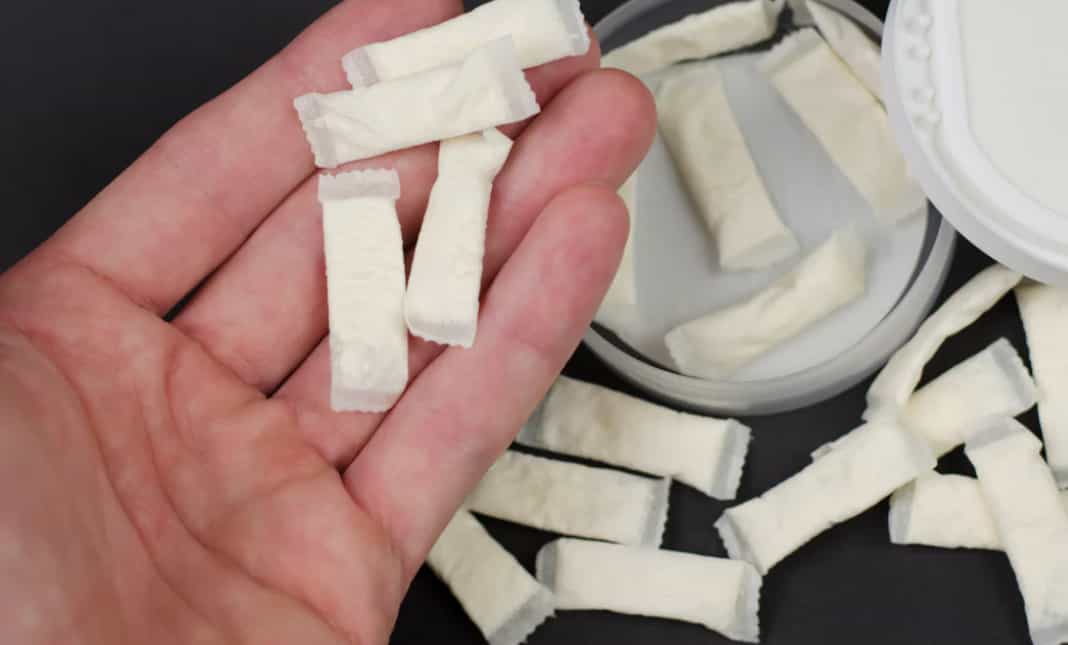
Nicotine pouches are small, teabag-like products containing nicotine (often derived from tobacco), flavorings, sweeteners, and plant-based fibers. Key characteristics:
-
Smoke-Free & Tobacco Leaf-Free: Unlike snus or chewing tobacco, they contain no tobacco leaf. You place them between your gum and lip.
-
Discreet & Spit-Free: They produce no smoke, vapor, or require spitting.
-
Controlled Nicotine Delivery: They come in various strengths, allowing users to manage their nicotine intake.
How They Might Fit into a Quit Strategy:
-
Addressing the Nicotine Craving: The core challenge of quitting is managing withdrawal symptoms driven by nicotine dependence. Pouches deliver nicotine quickly and effectively, satisfying those intense cravings without the thousands of harmful chemicals found in cigarette smoke. This can prevent relapse during critical moments.
-
Breaking the Behavioral Ritual: Smoking is deeply tied to routines – the hand-to-mouth action, the break, the social aspect. Pouches offer a similar ritualistic element (placing the pouch, the sensation under the lip) without the act of smoking. This can help disrupt the ingrained behavioral patterns associated with lighting up.
-
Flexibility and Control: Pouches come in a wide range of nicotine strengths. This allows quitters to:
-
Start at a level that matches their previous cigarette intake to manage cravings effectively.
-
Gradually taper down the nicotine strength over time, systematically reducing dependence.
-
Use situationally for high-trigger moments (e.g., after meals, with coffee, during stress) without lighting a cigarette.
-
-
Harm Reduction Bridge: For smokers unable or unwilling to quit nicotine entirely immediately, switching completely to pouches eliminates exposure to the vast majority of harmful combustion products found in smoke. Public Health England and similar bodies recognize that while not risk-free, nicotine pouches are significantly less harmful than continued smoking. This makes them a potential “harm reduction” tool on the path to eventual nicotine freedom.
-
Discreetness for Social Situations: The lack of smoke, smell, or spitting makes using pouches discreet, reducing social pressure or awkwardness that might trigger a smoker to relapse in certain settings.
Using Pouches Strategically & Safely in Your Quit Plan:
-
Commit to Quitting Smoking First: Pouches should be used exclusively as an alternative to cigarettes, not alongside them. The goal is complete cessation of smoking.
-
Choose the Right Strength: Start with a strength sufficient to curb cravings effectively. Consult resources or a healthcare professional if unsure. Starting too low can lead to failure; starting unnecessarily high may prolong dependence.
-
Develop a Tapering Plan: This is crucial. Don’t stay on the same high strength indefinitely. Set realistic goals to step down to lower nicotine strengths every few weeks or months. The ultimate aim is to reach zero nicotine.
-
Combine with Behavioral Support: Pouches address the nicotine addiction. Combine them with strategies to tackle the habitual aspects:
-
Identify Triggers: What makes you crave a smoke? Develop alternative coping mechanisms (e.g., deep breathing, walking, chewing gum).
-
Seek Support: Tell friends/family, join quit programs, use quit-smoking apps.
-
Counseling: Consider cognitive behavioral therapy (CBT) to address the psychological addiction.
-
-
Set an End Date for Nicotine: Decide on a timeline for when you aim to be completely nicotine-free, including pouches. Use the tapering plan to work towards this.
-
Consult a Healthcare Professional: Always discuss your quit plan, including the use of nicotine pouches, with your doctor or a stop-smoking advisor. They can provide personalized advice, monitor your progress, and suggest other support options.
Important Considerations & Caveats:
-
Not Risk-Free: While vastly safer than smoking, nicotine pouches are not harmless. Nicotine is addictive and can have cardiovascular effects (e.g., increased heart rate, blood pressure). Long-term health effects are still being studied.
-
Not Approved NRT (in most places): Unlike patches/gum, nicotine pouches are not officially licensed medicines for smoking cessation in many countries. They are consumer products.
-
Potential for Dual Use/New Addiction: There’s a risk of using pouches alongside smoking (negating benefits) or becoming dependent on pouches long-term without quitting nicotine entirely. The goal should always be complete nicotine cessation.
-
Not for Non-Smokers or Youth: Nicotine pouches are intended for adult smokers looking for alternatives. They are absolutely not for non-users, especially youth, due to the risk of addiction.
-
Regulation Varies: Availability, flavors, and strengths are subject to local regulations, which are evolving.
Conclusion: A Potential Tool, Not a Magic Bullet
Nicotine pouches offer a novel, smoke-free way to deliver nicotine that can be strategically integrated into a comprehensive quit-smoking plan. Their ability to satisfy cravings quickly and mimic some behavioral aspects of smoking, combined with the flexibility to taper nicotine intake, makes them a potentially useful tool for some adult smokers determined to quit.
However, they are not a standalone solution. Success requires a firm commitment to quitting cigarettes entirely, a structured plan to gradually reduce nicotine dependence, and addressing the behavioral and psychological components of addiction through support and counseling. Used responsibly as a transitional aid with a clear exit strategy off nicotine altogether, pouches could be the bridge that helps you finally leave smoking behind for good. Always prioritize consulting a healthcare professional to determine the safest and most effective quit strategy for you.