








Igeekphone reported on June 4th that according to sources, the Huawei Mate 90 series will be unveiled in September. It will directly compete with the iPhone 18 Pro series released at the same time. The annual flagship products of the two leading brands will have a head-on confrontation.
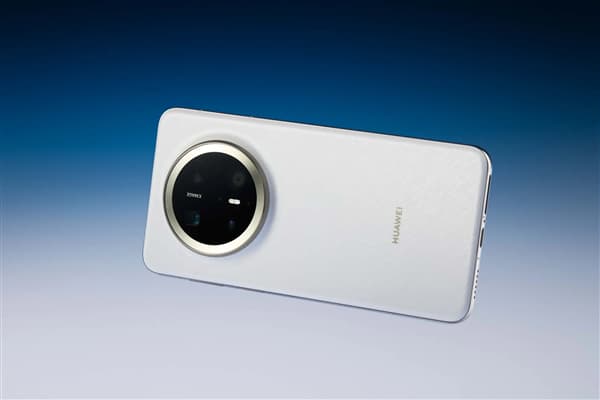
The blogger from Super Dimension revealed that the Huawei Mate 90 series will continue the solid circle design language that was highly praised in the Mate 70 series. The design of the rear camera module will maintain the unique style of the previous Mate 70 series.
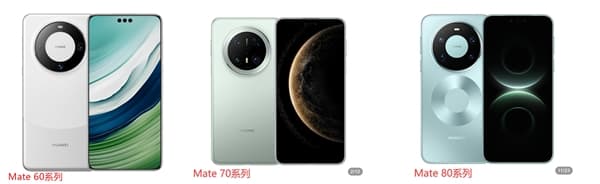
Looking back at the design of the recent generations of Mate flagship phones, all of them have adopted a style of successive inheritance. The rear camera module of Mate 60 and Mate 80 both adopted a concentric circle design, while Mate 70 changed to a solid circle design. The Mate 90 series this time chose to return to the classic solid circle module of Mate 70, which also responded to the previous demands of many old users.
This generation of Mate series also adopts the familiar four-cup layout, featuring four different positioning products including the standard version, Pro version, Pro Max version and RS version, covering all price ranges from mainstream to top-tier flagship. This series will debut the Kirin 9050 series chip, with the internal code name Kirin 2026.
It is reported that the Kirin 2026 mobile phone chip is the first to adopt the logic folding technology proposed by Huawei’s Tao Law. Based on the brand-new free logic design concept, the circuit layout has expanded from the traditional single-layer structure to a dual-layer stacked structure, directly achieving a significant improvement in core indicators such as transistor density.
The previous generation of Kirin 9030 series adopted a differentiated dual-core layout strategy, simultaneously launching two chips with different positioning – the standard version Kirin 9030 and the Kirin 9030 Pro. According to the previous product planning logic, the Kirin 9050 series is expected to also include two different positioning chip versions – the standard version and the Pro version – respectively catering to different price ranges of the Mate 90 series models.
This time, the Huawei Mate 90 series and the iPhone 18 Pro series engaged in a head-on confrontation. Not only did they implement the previously released Taotie Law technology on consumer-grade flagship chips, but the upgrades in communication, imaging, and system smoothness in Huawei’s traditional strong areas were also quite significant. Now, the domestic flagship has presented its own unique technological advantages.