









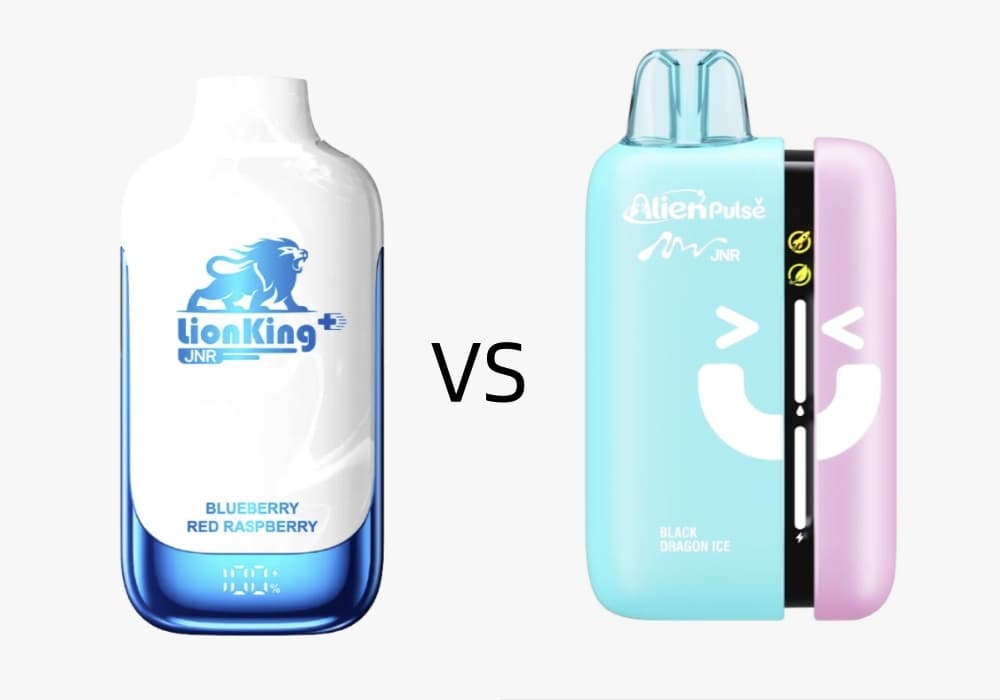
JNR LionKing⁺ 42K and JNR Alien Pulse 60K sit in different parts of the high-capacity vape market. Both feature dual mesh coil technology, rechargeable batteries, USB-C charging and digital monitoring, but their e-liquid systems are fundamentally different.
The LionKing⁺ 42K uses an open-system refillable design supplied with two 10ml e-liquid bottles. The Alien Pulse 60K, meanwhile, comes with a pre-filled 46ml e-liquid system and focuses on interactive features, including squeeze activation and a dynamic LED light bar.
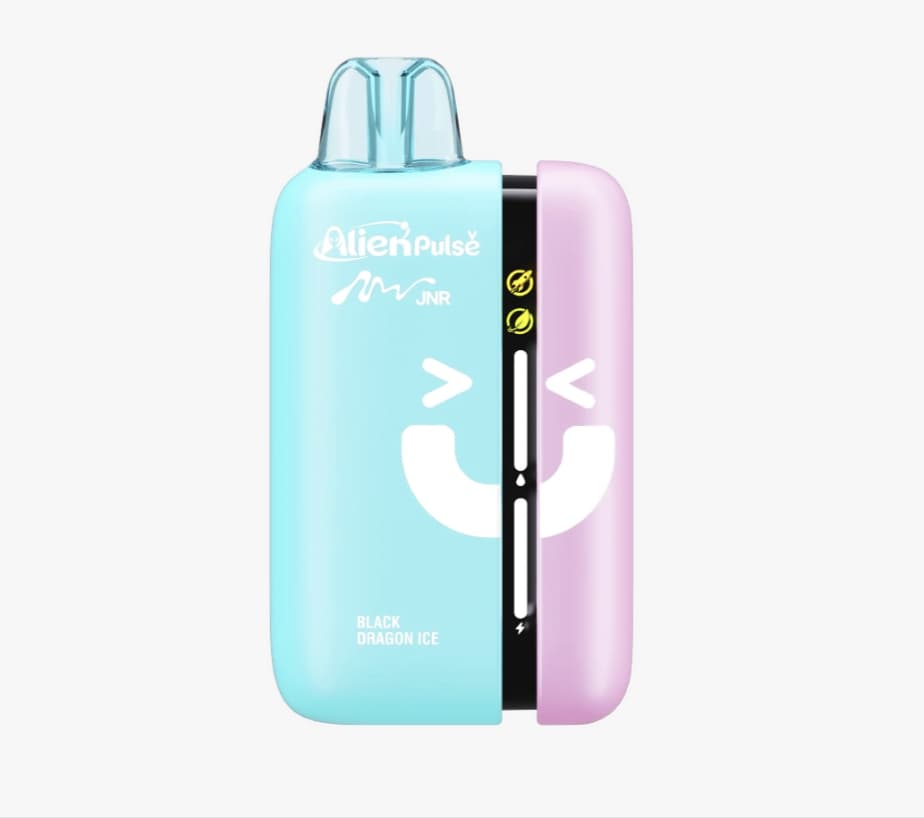
That distinction matters more than the difference between their advertised puff counts. One is built around refilling, while the other keeps its liquid supply integrated into a disposable device. This comparison examines their specifications, hardware and practical differences using JNR’s published product information. It is not an independent hands-on test.
JNR LionKing⁺ 42K vs Alien Pulse 60K: Key Specifications
| Specification | JNR LionKing⁺ 42K | JNR Alien Pulse 60K |
|---|---|---|
| Product type | Refillable vape kit | Pre-filled disposable vape |
| Advertised puff count | Up to 42,000 | Up to 60,000 |
| E-liquid configuration | 2 × 10ml bottles included | 46ml pre-filled |
| Coil | Dual mesh | 1.1Ω dual mesh |
| Battery | 950mAh | 1,000mAh |
| Charging | USB Type-C | USB Type-C |
| Display | Smart display | Battery and e-liquid indicators |
| Liquid visibility | Visible e-liquid level | E-liquid indicator |
| Special design | Holographic finish | Squeeze interaction and dynamic LED light bar |
| Nicotine strength | 2% | 2% |
| Listed flavor range | 20+ | 16+ |
Specifications are based on JNR’s published product pages. Puff counts are manufacturer estimates rather than guaranteed results, and actual performance can vary with usage and operating conditions.
1. The Biggest Difference Is the E-Liquid System
The most important distinction between these two devices is how they handle e-liquid.
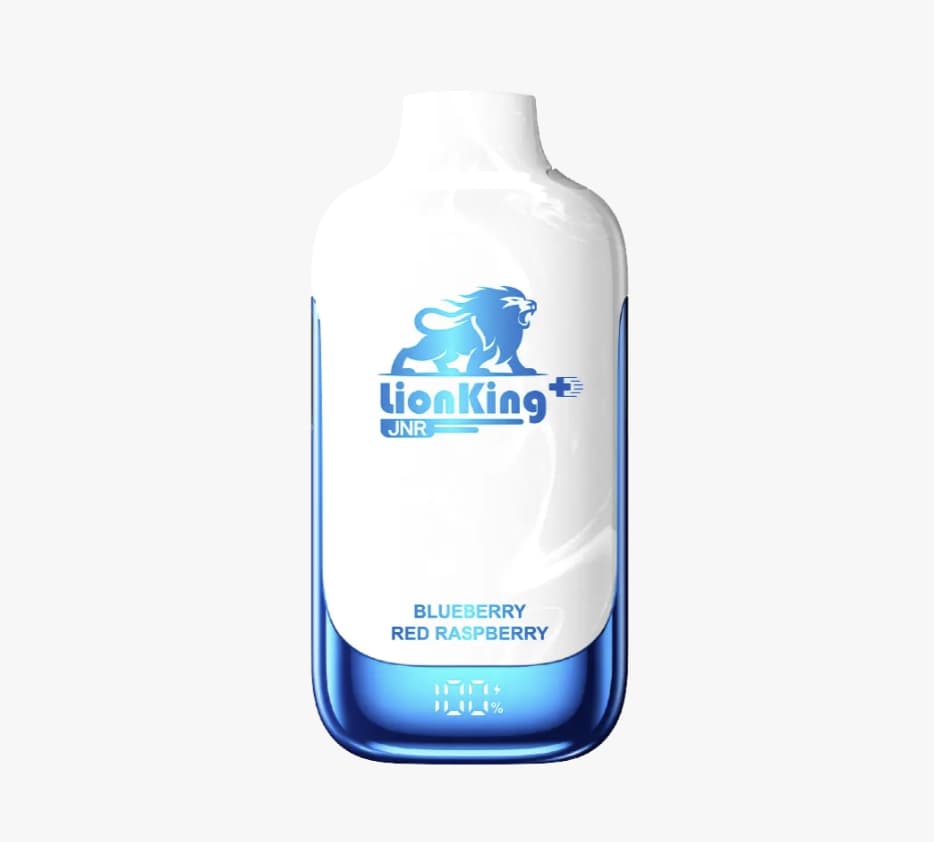
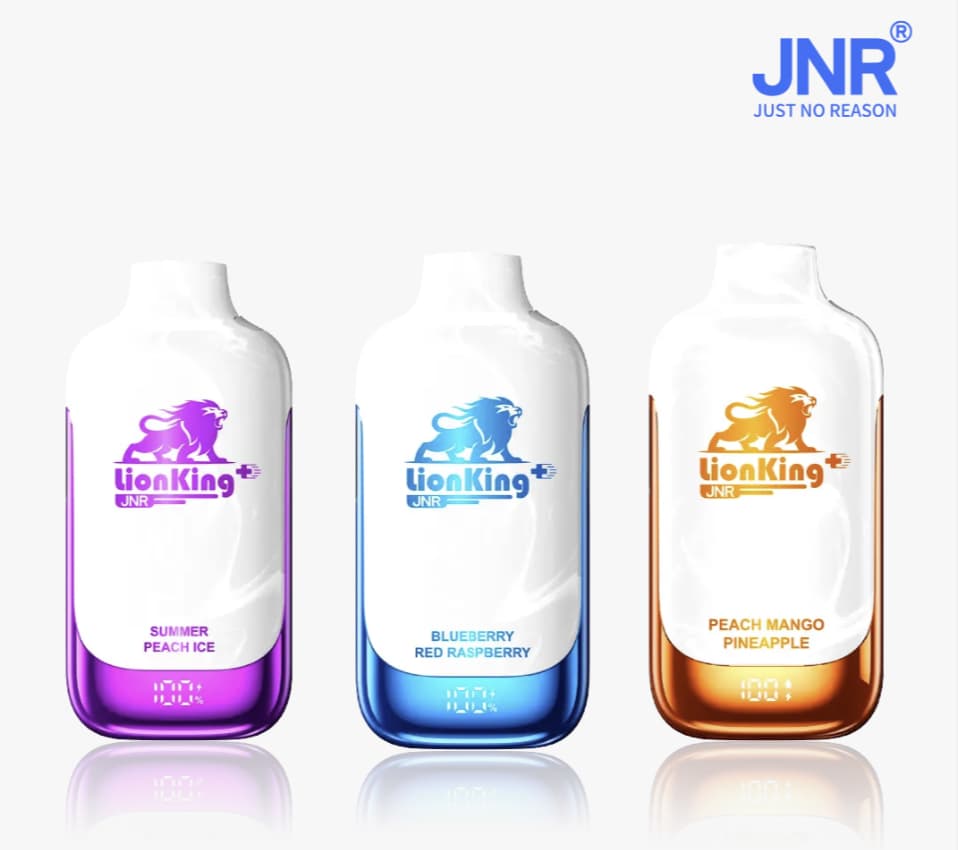
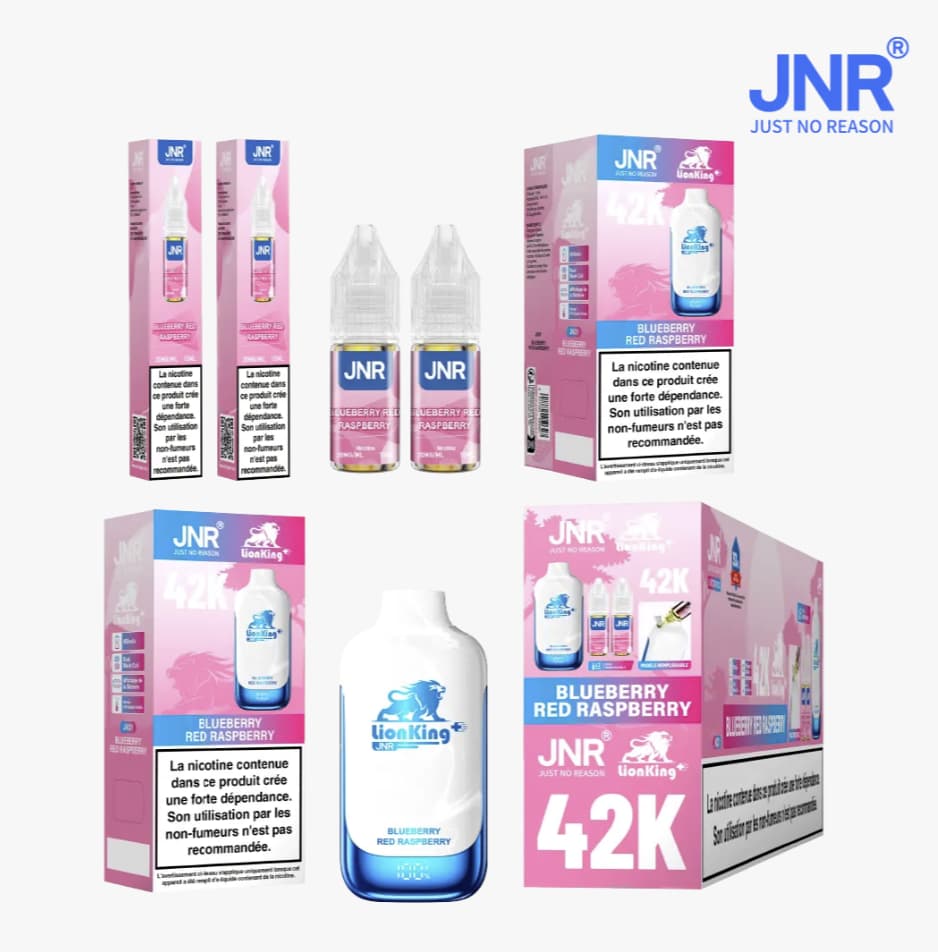
The JNR LionKing⁺ 42K uses an open-system refillable configuration. Its package includes two 10ml e-liquid bottles, giving it a total supplied liquid quantity of 20ml. Instead of depending entirely on a factory-filled reservoir, the design allows compatible e-liquid to be added through its refillable system.
A visible liquid-level section makes it easier to monitor the remaining supply. This is a useful hardware detail because users can check the liquid level directly rather than relying exclusively on a digital indicator.
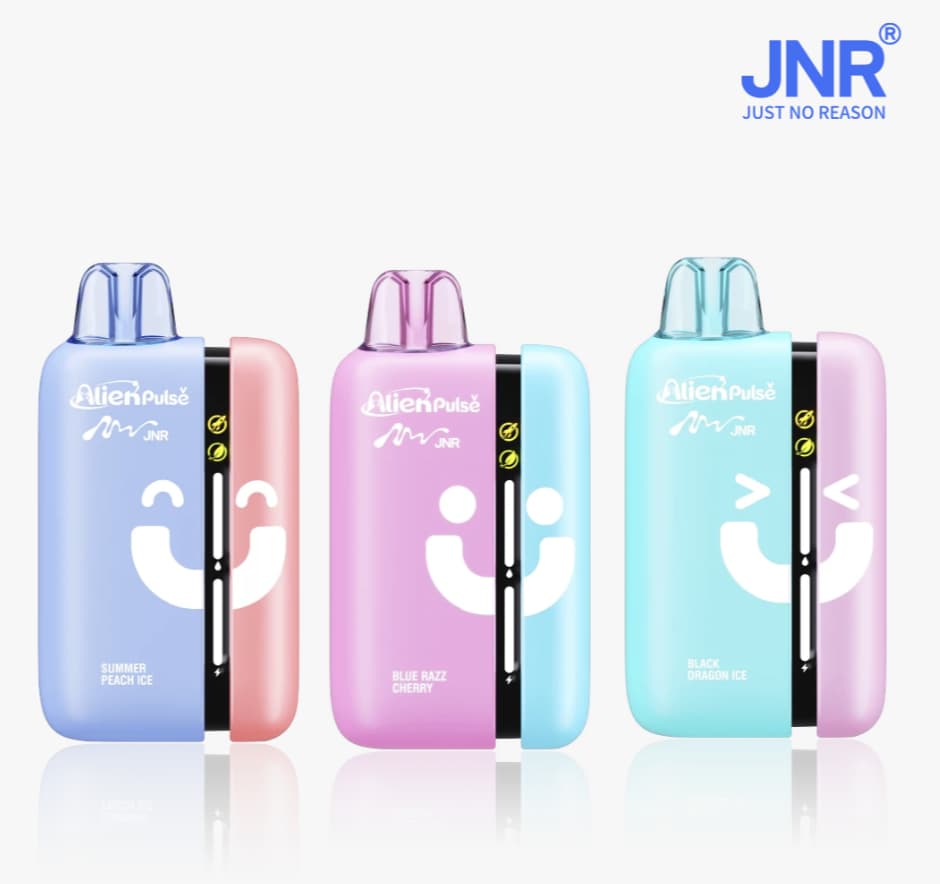
The JNR Alien Pulse 60K takes a different approach. Its 46ml e-liquid supply is pre-filled, meaning the user does not follow the same bottle-based refill routine. The product is designed around an integrated liquid system, with an on-device indicator showing the remaining e-liquid status.
These configurations also create different maintenance requirements. A refillable system requires compatible liquid, careful filling and attention to leakage or residue. A pre-filled design removes the routine of manually adding liquid, although the complete device still has a finite service life.
The difference is therefore not simply 20ml versus 46ml. It is a choice between an open refillable arrangement and a larger pre-filled configuration.
2. Puff Count: 42K vs 60K Needs Context
The Alien Pulse carries the higher advertised figure, with JNR listing up to 60,000 puffs. The LionKing⁺ is rated for up to 42,000 puffs.
On paper, that gives the Alien Pulse an advertised advantage of 18,000 puffs. However, these figures should not be interpreted as independently verified usage results.
Actual puff totals depend on factors such as draw duration, airflow, power output, operating mode and how the device is used. A longer draw generally consumes more e-liquid than a shorter one, so two users may obtain different results from the same hardware.
The liquid configuration is another important factor. The Alien Pulse has 46ml of pre-filled e-liquid, while the LionKing⁺ package includes two 10ml bottles. The refillable model’s advertised rating should not be treated as proof that its supplied 20ml of liquid will independently deliver 42,000 puffs under every usage condition.
For a more meaningful comparison, readers should look at the e-liquid arrangement, device specifications and manufacturer testing methodology rather than relying on the largest number printed on the packaging.
Other high-capacity models from the same brand take different approaches to liquid capacity and battery design, as explored in our JNR Alienmega 62K review.
3. Battery Capacity and Charging
Both products use rechargeable batteries and USB Type-C charging, but their listed capacities are slightly different.
The LionKing⁺ includes a 950mAh battery. The Alien Pulse has a 1,000mAh battery, giving it a nominal 50mAh advantage.
That difference does not automatically translate into a noticeably longer operating time. Battery performance also depends on coil resistance, power consumption, airflow settings and the frequency of use.
The Alien Pulse’s manufacturer-listed 1.1Ω dual mesh coil is a specific technical detail that is not separately identified in the LionKing⁺ product description. JNR lists dual mesh coil technology for both devices.
USB-C charging is shared by the two models. However, JNR’s product pages do not provide enough standardized charging-time or battery-endurance test data to establish which one charges faster or lasts longer between charges.
4. Display and Design: Practical Visibility vs Interactive Features
The LionKing⁺ and Alien Pulse both include electronic monitoring, but their visual designs serve different purposes.
The LionKing⁺ features a holographic finish and a visible e-liquid level. Its smart display provides device information, while the transparent liquid section gives users a direct way to check the remaining supply.
The Alien Pulse puts more emphasis on its interactive exterior. Its squeeze-activated interface and dynamic LED light bar distinguish it from a conventional pre-filled disposable design. The display also provides battery and e-liquid information.
These features should be evaluated separately from core hardware performance. Lighting and interactive controls change the device’s appearance and interface, but they do not independently demonstrate better battery efficiency, longer coil life or more consistent output.
Readers interested in alternative display layouts and airflow configurations can also explore our JNR Bykux 59K review.
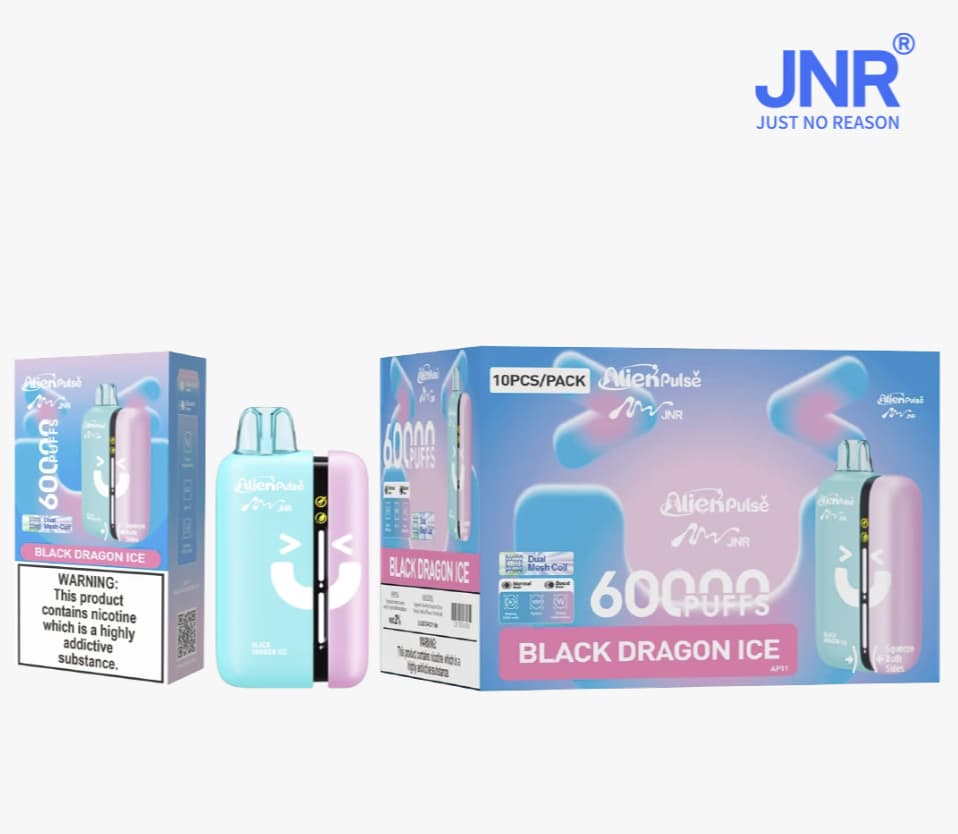
For a technical comparison, the most useful questions remain whether the display is easy to read, whether the liquid indicator is accurate and whether the device provides clear battery information.
5. Flavor Options and Coil Specifications
JNR lists more than 20 flavor options for the LionKing⁺ and more than 16 combinations for the Alien Pulse.
The larger listed range gives the LionKing⁺ more nominal variety, although actual availability may differ between distributors and countries. Flavor names and formulations should always be checked against the packaging supplied in the relevant market.
Both devices use dual mesh coil technology. Mesh heating elements are designed to distribute heat across a broader surface, but the product descriptions alone cannot establish comparative flavor accuracy, coil longevity or vapor consistency.
The Alien Pulse has a listed coil resistance of 1.1Ω. JNR does not specify an equivalent resistance figure on the LionKing⁺ product page, so a direct resistance comparison is not possible.
6. What Buyers and Retailers Should Check Before Comparing Them
There are several details worth verifying before treating either specification sheet as a complete description of the product.
First, confirm the exact Lion King version. The original Lion King 42K and the newer LionKing⁺ 42K are not identical. The original model is described as a pre-filled disposable with 42ml of e-liquid and an 850mAh battery. LionKing⁺ changes to a refillable configuration with two 10ml bottles and a 950mAh battery.
Second, check the regional product configuration. Nicotine concentration, liquid capacity, packaging and permitted product formats can vary according to local regulations. JNR lists both products at 2% nicotine strength, but that specification alone does not establish that either device is legally marketable in every country.
Third, do not treat puff estimates as guarantees. A headline rating is not a substitute for independently measured performance data. Retailers and consumers should distinguish advertised maximums from verified real-world results.
Finally, check the labeling and documentation. Product registration, nicotine warnings, ingredient information, packaging requirements and age restrictions may apply. In the European Union, for example, the Tobacco Products Directive sets requirements for covered electronic cigarettes, including a maximum nicotine concentration of 20mg/ml and limits on tank or cartridge capacity. A product’s inclusion on a manufacturer’s website does not establish EU compliance.
Final Verdict: Two Different Product Configurations
JNR LionKing⁺ 42K and Alien Pulse 60K are not simply two versions of the same device with different puff ratings.
The LionKing⁺ is defined by its open-system refillable design, two included 10ml bottles, visible liquid level and holographic exterior. The Alien Pulse is a pre-filled disposable model with a larger listed e-liquid capacity, a 1,000mAh battery, squeeze interaction and dynamic LED lighting.
The Alien Pulse has the higher advertised puff count, while the LionKing⁺ offers a different liquid-management approach. Neither headline figure establishes superior real-world performance, and the available manufacturer specifications do not provide enough independent test data to declare one technically better overall.
For an accurate product comparison, the refillable-versus-pre-filled distinction is the most useful starting point. Battery capacity, coil details, liquid supply and regional compliance should then be assessed independently.