









The vaping industry has undergone a seismic shift in recent years, with pod systems emerging as a dominant force. These compact, user-friendly devices are redefining convenience, accessibility, and nicotine delivery, transforming how both seasoned vapers and newcomers experience vaping. From sleek designs to innovative technology, here’s how pod systems are rewriting the rules of the game.
The Rise of Pod Systems: A New Era of Convenience
Gone are the days of bulky mods and complex coil setups. Pod systems prioritize simplicity and portability, featuring lightweight designs that slip effortlessly into pockets. Unlike traditional vapes, which require manual refilling, coil changes, and wattage adjustments, pod systems use pre-filled or refillable pods that click into place. This plug-and-play approach lowers the barrier to entry, making vaping accessible to smokers seeking alternatives.
Brands like JUUL pioneered the trend, but the market now brims with options from Vaporesso, SMOK, and Uwell, offering features like adjustable airflow, USB-C charging, and leak-resistant designs.
Nicotine Salts: A Game-Changer for Satisfaction
Pod systems owe much of their success to nicotine salts, a formulation that delivers higher nicotine concentrations without the harsh throat hit of traditional freebase nicotine. By blending nicotine with benzoic acid, salts allow smoother inhalation at levels like 50mg/mL—ideal for smokers transitioning to vaping. This innovation mimics the rapid nicotine hit of cigarettes, satisfying cravings more effectively than earlier e-liquids.
Smoking Cessation Tool or Addiction Concern?
Pod systems are hailed for helping smokers quit combustibles, with Public Health England endorsing vaping as 95% less harmful. Their discreet nature and nicotine efficiency make them practical for gradual cessation. However, critics argue that high nicotine levels and enticing flavors (e.g., mango, mint) risk hooking a new generation. The FDA’s 2020 crackdown on flavored pods underscores this tension, balancing harm reduction against youth prevention.
Market Boom and Technological Innovation
The pod system market is projected to grow exponentially, driven by demand for portable, low-maintenance devices. Manufacturers now blend style with substance:
-
Refillable pods: Eco-friendly options reduce waste compared to single-use cartridges.
-
Hybrid versatility: Devices like the Vaporesso XROS 3 support both nicotine salts and traditional e-liquids.
-
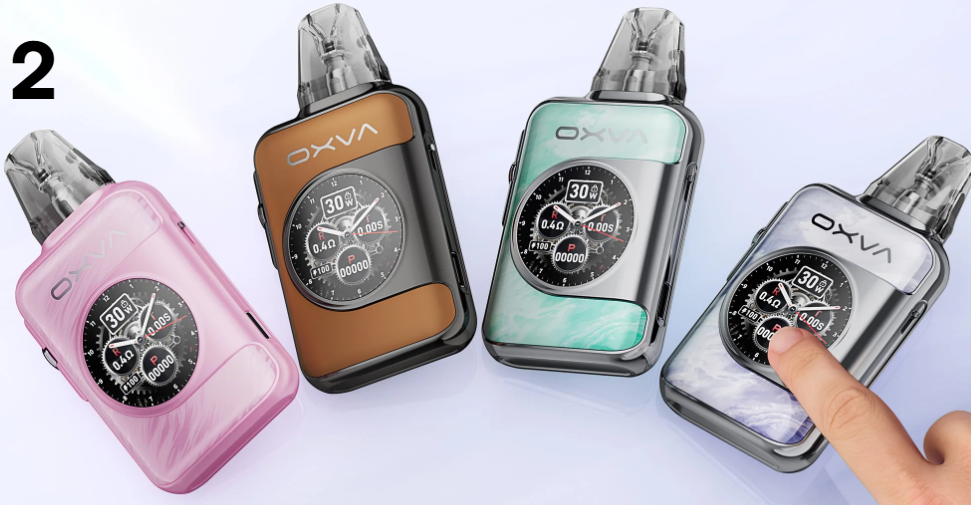
Smart tech: Features like touchscreen displays, app connectivity, and temperature control cater to tech-savvy users.
Regulatory and Environmental Challenges
As pod systems dominate, they face scrutiny. The FDA’s flavor bans target underage use, while environmentalists highlight the waste from disposable pods. Brands are responding with recyclable materials and refillable designs, though sustainability remains a work in progress.
The Future of Vaping
Pod systems are more than a trend—they’re a cultural shift. By merging accessibility with advanced nicotine delivery, they’ve democratized vaping, appealing to everyone from ex-smokers to cloud-chasing enthusiasts. Yet, the industry must navigate regulatory hurdles and environmental responsibility to sustain growth.
In Conclusion
Pod systems have irrevocably altered the vaping landscape, offering a blend of simplicity, satisfaction, and style. While debates over health and regulation persist, their impact is undeniable: they’ve made vaping mainstream, bridging the gap between smoking cessation and modern tech. As innovation continues, pod systems will likely remain at the forefront, shaping the future of nicotine consumption.
Key Takeaways:
-
Pros: Portability, ease of use, effective nicotine delivery.
-
Cons: Environmental waste, youth access concerns.
-
Future Focus: Sustainability, regulatory compliance, and tech integration.