









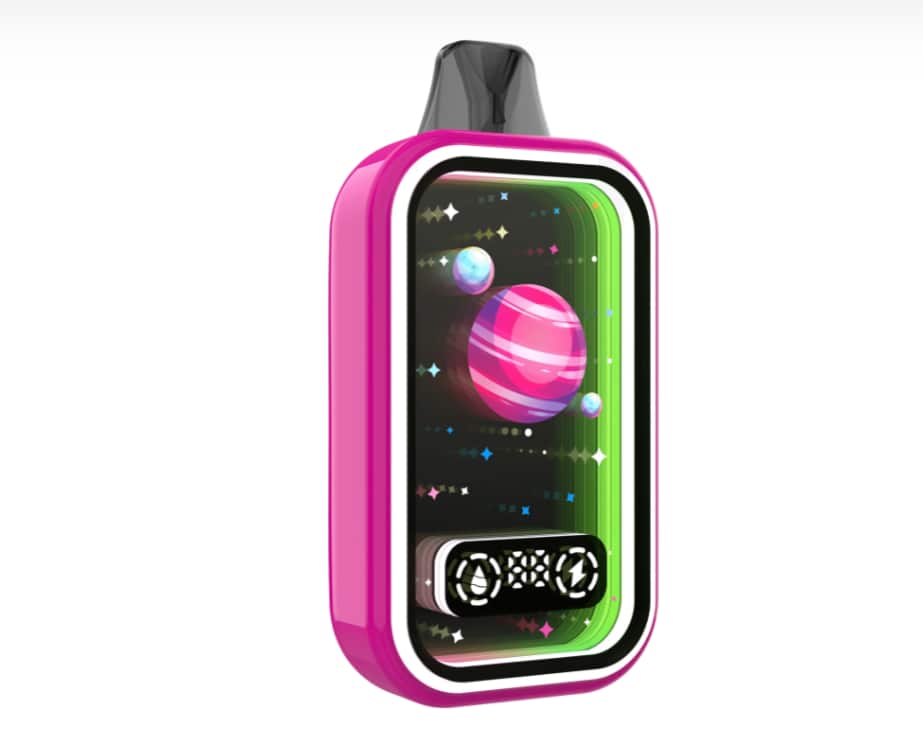
The vaping market is vast and diverse, offering everything from sleek disposable devices to advanced mods and a universe of e-liquid flavors. However, this booming industry has a dangerous shadow: a flood of counterfeit products. These fake vapes are more than just a scam; they are a significant health hazard. Manufactured with no regard for safety standards, they can contain unknown chemicals, faulty batteries, and mislabeled nicotine strengths.
Learning how to identify a counterfeit device or e-liquid is an essential skill for any vaper. Here’s your guide to spotting fakes and ensuring you only use authentic, safe products.
1. Scrutinize the Packaging
The packaging is the first and often most obvious line of defense against fakes. Manufacturers invest heavily in high-quality, secure packaging.
-
Spelling and Grammar Errors: Look for misspelled words, poor grammar, or awkward phrasing on the box. Legitimate companies have professional packaging. Words like “Authentic” or “Official” misspelled are a huge red flag.
-
Print Quality: Is the printing blurry, pixelated, or faded? Authentic boxes have sharp, clear logos and text. Colors should be vibrant and consistent.
-
Holograms and Security Seals: Many top brands use holographic stickers, scratch-off verification codes, or specialized tamper-proof seals. If the seal is broken, missing, or looks cheap and easy to replicate, be suspicious.
-
Barcode and QR Codes: Scan the barcode or QR code with your smartphone. Authentic codes will typically direct you to the manufacturer’s official website or a verification portal. If the code doesn’t work, leads to a generic search engine, or asks for personal information, it’s likely fake.
2. Examine the Device and Hardware Closely
If the packaging passes the initial test, move on to the device itself.
-
Build Quality: Feel the weight and texture. Authentic devices usually have a solid, well-constructed feel. Fakes often feel lighter, flimsier, and are made from cheaper, thinner materials with rough edges or imperfect seams.
-
Logo and Branding: Check the branding on the device. Is the logo engraved or printed clearly? On fakes, logos are often poorly printed, crooked, or slightly off-color.
-
Finish and Color: Does the color match the official product images? Fakes often have a different hue or a cheap-looking paint job that scratches off easily.
3. Investigate the E-Liquid
The substance you inhale is where the biggest dangers lie with counterfeit products.
-
Clarity and Color: While e-liquid colors can vary, they should generally be clear and consistent. If the liquid is cloudy, has strange particles floating in it, or has an odd separation, do not use it.
-
Labeling: Check the label on the bottle or pod for nicotine strength (e.g., 5%, 50mg, 3mg). Fakes often have inconsistent or smudged printing. Also, look for a manufacturing or “best by” date, which is standard practice for reputable brands.
-
Taste and Vapor Production: This is a final, crucial test. If you’ve used the authentic flavor before, does it taste the same? A fake will often have a:
-
Chemical or Perfume-like taste: A sign of poor-quality flavorings.
-
“Off” or muted flavor: Doesn’t match the description.
-
Harsh throat hit: Can indicate improper nicotine levels or unwanted contaminants.
-
Significantly less vapor production.
-
4. Verify Through Official Channels
The single most effective way to verify a product is to use the tools provided by the manufacturer.
-
Use Verification Codes: Most legitimate products come with a unique scratch-off code on the packaging. Go to the brand’s official website (not a link printed on the box) and enter the code in their verification tool. If the code is invalid, has already been used, or doesn’t exist on the site, it’s counterfeit.
5. Buy From Authorized Retailers
Your choice of retailer is your best protection.
-
Avoid Unbelievably Low Prices: If a deal seems too good to be true, it almost certainly is. Counterfeiters lure customers with deeply discounted prices. A $30 device being sold for $10 is almost guaranteed to be fake.
-
Purchase from Licensed Vape Shops or Reputable Online Stores: Authorized retailers have direct relationships with distributors and manufacturers. While gas stations and convenience stores can carry legitimate products, they are also major outlets for counterfeits. A dedicated vape shop is far more likely to stock authentic goods and stand behind them.
-
Be Wary of Social Media and Flea Markets: These are common marketplaces for counterfeiters operating without accountability.
6. Specific Red Flags for Disposable Vapes
The disposable market is particularly rife with fakes. Watch for:
-
Puff Count Inflation: Devices claiming absurd puff counts (e.g., 50,000) that are physically impossible for their size.
-
Faulty Performance: The device dies long before the e-liquid is gone, or it has a blinking light that indicates an error immediately after use.
-
Copycat Brands: Be aware of brands that mimic the names and packaging of popular products (e.g., “Breeze” vs. “Breezy”).
Why It Matters: The Risks of Fake Vape Products
Using a counterfeit vape isn’t just about getting a subpar experience; it’s a serious health risk.
-
Unknown Ingredients: They may contain harmful chemicals like vitamin E acetate (linked to EVALI), heavy metals from cheap coils, or other toxic contaminants.
-
Faulty Batteries: Poorly made batteries can overheat, catch fire, or explode, causing physical injury.
-
Inaccurate Nicotine Levels: You could be inhaling far more nicotine than labeled, increasing addiction potential.
Conclusion: When in Doubt, Throw It Out
Your health is not worth the risk. Vigilance is your best tool. Carefully inspect packaging, verify codes, and most importantly, buy from reputable, authorized sellers. If you have even the slightest suspicion that a product is counterfeit, err on the side of caution and dispose of it properly. Investing in authentic products ensures you know what you’re inhaling and protects you from the dangerous unknowns of the counterfeit market.