









The vivo X series has become almost synonymous with mobile photography, with each generation pushing the limits of what a phone camera can do. The Vivo X200 Ultra, released earlier this year, didn’t just raise the bar — it introduced external lenses to smartphones, unlocking telephoto potential in a way we hadn’t seen before and setting a new benchmark for mobile imaging.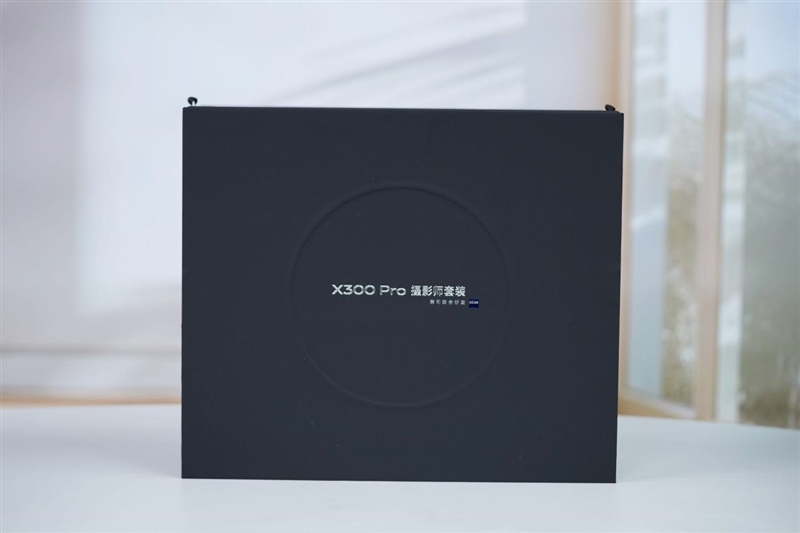
Since the X200 Ultra’s debut, its imaging performance has left many rivals playing catch-up. Months later, few competitors can match what the X200 Ultra delivered, which naturally raises the question: after such a leap, where can the X series go next?
Is the path simply about differentiating models by dialing back imaging on the Pro, while making marginal upgrades to the Ultra? The launch of the Vivo X300 Pro answers that question decisively.
This generation’s Pro model is significant. It proves vivo hasn’t settled — it’s still committed to exploring and redefining flagship imaging. The Vivo X300 Pro inherits the ambitious spirit of its predecessor but pushes further: its camera hardware sees a substantial upgrade, and after several days of hands-on testing, I struggled to pick the right adjective. One line sums it up: the vivo X300 Pro is currently the strongest mobile imaging flagship — no qualifiers needed.
We can dive into specs later, but sometimes a single photo tells the story. Take a telephoto shot of an adorable yet regal puppy: the fur detail is razor-sharp, the eyes bright and arresting, every whisker defined — a photo that reads like a small masterpiece. That’s what the X300 Pro’s imaging delivers.
At the heart of this capability is a new Zeiss 200MP telephoto module offering an 85mm equivalent field of view, a large 1/1.4-inch sensor, an f/2.67 aperture, and optical reach up to 20x. This hardware competes head-to-head with top-tier telephoto setups from previous flagships, underscoring vivo’s focus on optical excellence.
Even more notable: vivo has brought the external lens ecosystem introduced on the X200 Ultra to the X300 Pro. The 2.35× teleconverter enables true 200mm optical zoom, extending the phone’s long-range photography potential without relying solely on digital tricks.
But the X300 Pro doesn’t stop at cameras. It pairs imaging with serious processing and endurance upgrades: the third-generation 3nm Dimensity 9500 SoC, enhanced by vivo’s Blue Crystal V3+ imaging chip, creates an extremely capable computational photography platform. Battery life is addressed by a 6510mAh second-generation Blue Ocean semi-solid-state battery, and 90W ultra-fast charging keeps you shooting without long interruptions.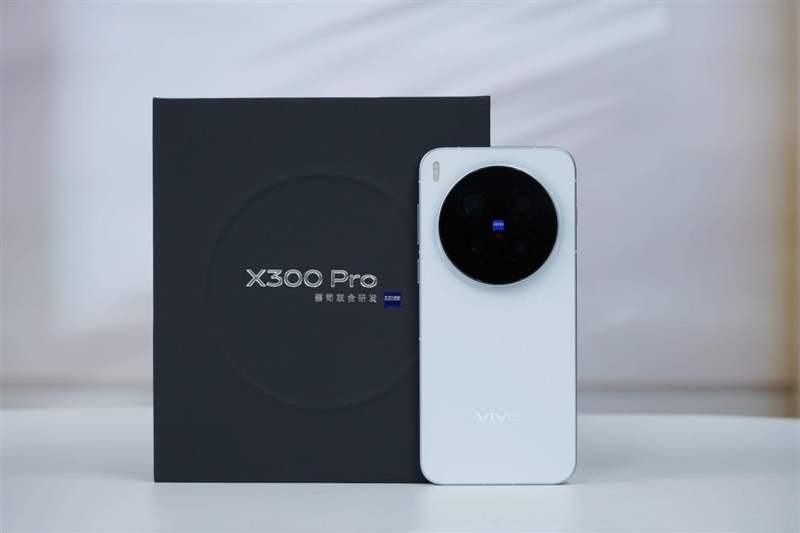
There’s more to explore, and we’ll walk through the X300 Pro’s real-world performance step by step. For now, the takeaway is clear: vivo’s newest Pro is not a compromise — it’s a bold statement that the brand remains an active, inventive force in mobile imaging.
Design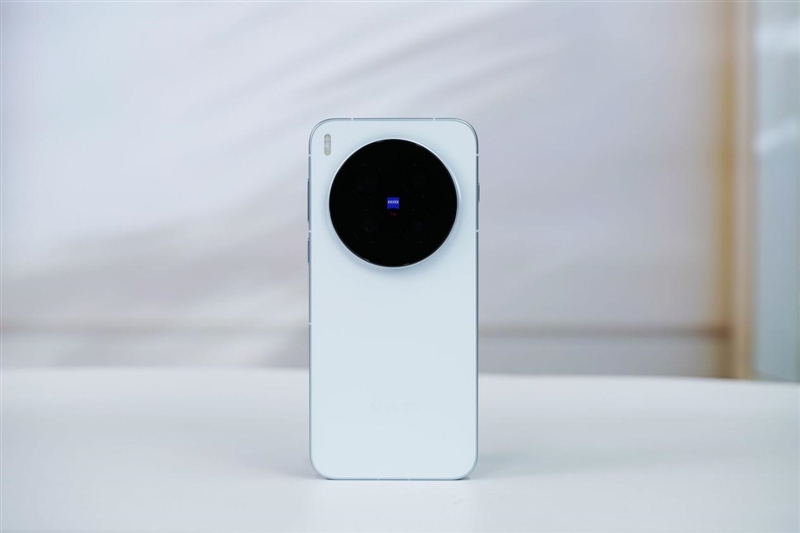
The Vivo X300 Pro Photographer’s Kit features a sleek, minimalist black design. The central circle symbolizes a professional camera lens, complemented by fine print developed in collaboration with Zeiss. The package includes an outer box resembling a phone packaging case, with a small drawer at the bottom containing the new white photographer’s set of imaging accessories. This set includes a photography strap, a specialized phone case for imaging, a 2.35X teleconverter, a photography handle, and three different lens rings for various shooting needs.
The review unit we received is in the calming “Free Blue” color, which also serves as the main hue of the X300 Pro. The blue tone is light and understated, giving the device a fresh and simple aesthetic that feels more modern and refined compared to the previous generation’s red. The back cover has a matte finish, providing a textured grip that is noticeably more resistant to slipping than typical smooth surfaces, enhancing shooting safety.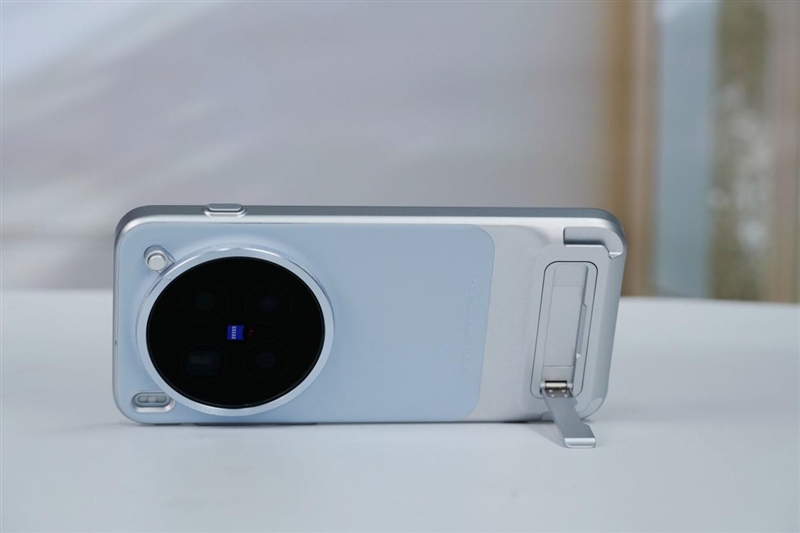
The camera design continues the brand’s signature large circular ring motif, with a telephoto lens positioned in the upper left corner, a main lens in the lower left, and an ultra-wide-angle lens in the lower right. Between the two lower lenses is a noise-canceling microphone to improve audio quality during video recording. The flash, located in the upper left corner, offers adaptive lighting modes tailored to different focal lengths, allowing for customized illumination in low-light portrait shots. The camera bump is well-managed, with a smooth transition from the lens to the back cover, reducing protrusion.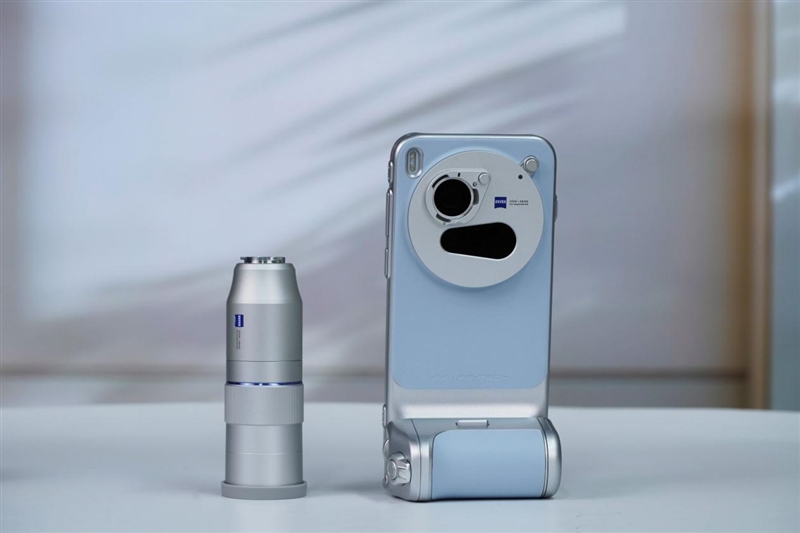
On the left side, there’s a customizable shortcut button that can be set for double-click or long-press functions—by default, long-press mutes the sound, and double-click activates the flashlight. The phone’s middle frame is approximately 7.99mm thick, making it quite slim for a flagship focused on imaging. The right side houses the power button and volume controls; the power button is positioned about 9.5cm from the bottom, which may be a bit high for some users.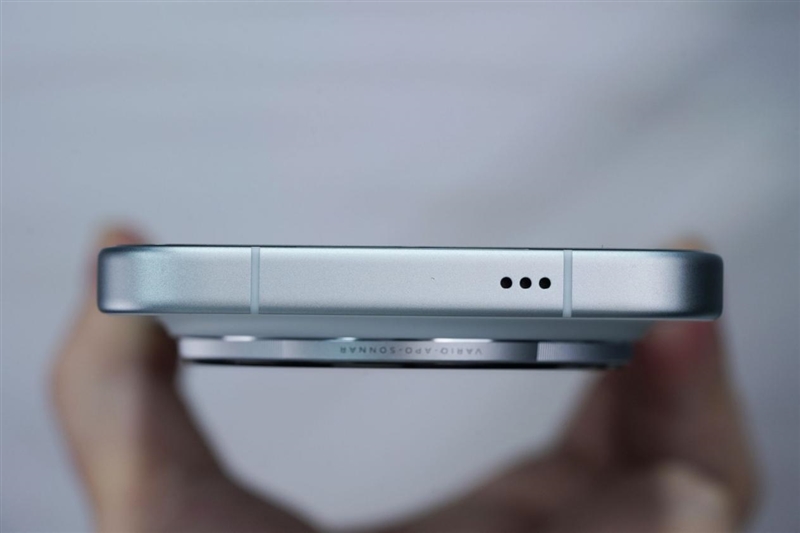
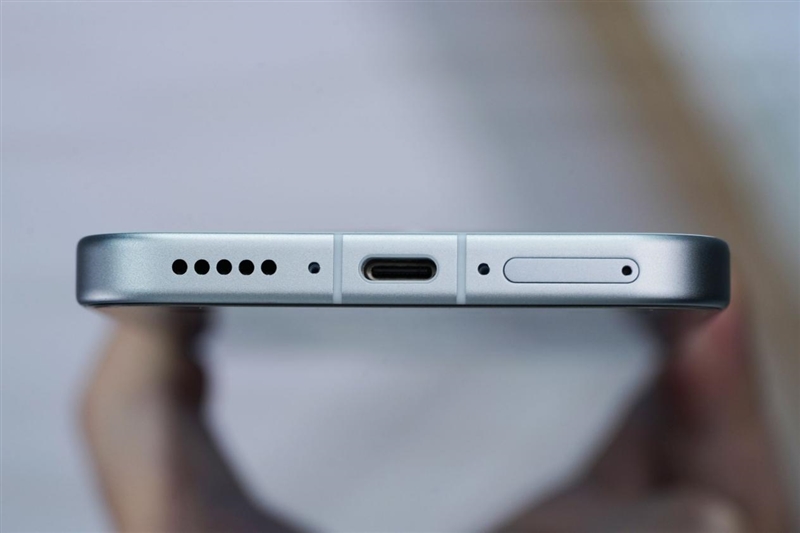
At the bottom, you’ll find a speaker, dual microphone ports, a 5Gbps Type-C port, and a SIM card slot. An additional independent speaker grille at the top creates a dual-speaker setup for immersive audio. The front features a 6.78-inch BOE Q10 Plus display with a resolution of 2800×1260 pixels, supporting 2160Hz high-frequency PWM dimming and full DC dimming for eye comfort.
When combined with the special photography case, a small pull-out strip at the bottom turns into a mobile phone holder. The device, along with the entire photography kit, is shown alongside the photography team in a photo. The X300 Pro, equipped with a lens ring and camera handle, includes a 2300mAh battery capable of 7.5W wireless charging, providing extra power during shoots.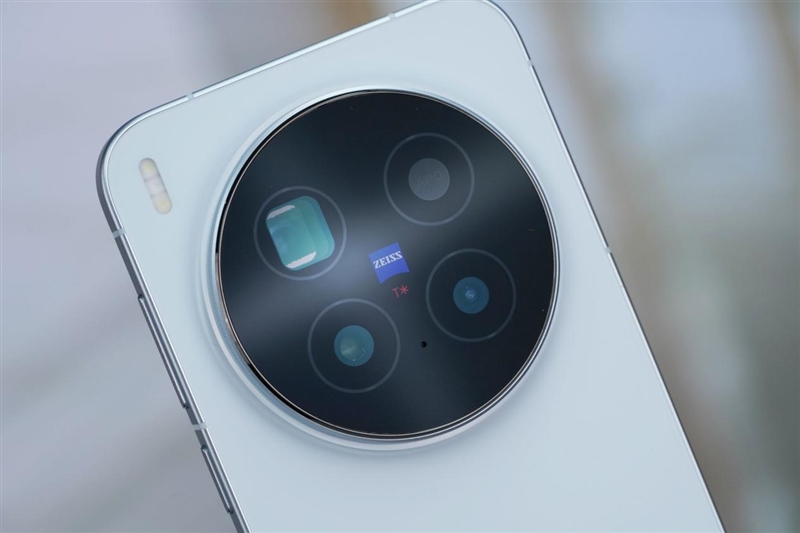
The assembled device resembles a traditional camera in form factor. The 2.35X teleconverter offers an 8.3x optical zoom extension beyond the main camera. The package also includes a 90W fast charging kit, ensuring quick power replenishment for extended shooting sessions.
Cameras
Now, I’m excited to provide a comprehensive overview of the X300 Pro’s camera system.
The device features a periscope-style telephoto lens, a fully integrated hardware and software design developed collaboratively by vivo, Samsung, and MTK. Powered by the ultra-efficient NPU in the Dimensity 9500, focus tracking and freeze-frame performance are significantly enhanced.
The camera setup is truly impressive, boasting a 200-megapixel sensor with a 1/1.4-inch size—larger than the main camera itself. It incorporates a 1G+5P lens system, Zeiss T* coating, Zeiss APO certification, OIS optical stabilization, and CIPA 5.5-grade professional stabilization. It also supports up to 20x telephoto macro capabilities.
The main camera adopts a unique approach with a Sony LYT-828 gimbal-level sensor. It features 50MP resolution, a large 1/1.4-inch sensor, and an bright F/1.57 aperture. It supports Hybrid Frame-HDR technology and delivers an ultra-wide dynamic range of over 100dB, enabling the capture of rich detail in both bright and dark areas—ensuring the images are true to what the human eye perceives.
Loss Less EXposure technology further enhances image quality by improving the signal-to-noise ratio, reducing noise especially in low-light conditions, resulting in clearer and purer images.
The ultra-wide-angle lens, equipped with Zeiss low-distortion JN1 optics, offers 50MP resolution and a 1/2.76-inch sensor, providing expansive and detailed wide-angle shots.
In addition to these three primary lenses, there is a fourth Zeiss lens, enhancing versatility and image quality.
The telephoto teleconverter, based on the Kepler structure with 13 high-transmittance glass lenses arranged in three groups, is optimized for an 85mm focal length. It uses low-dispersion glass to minimize chromatic aberration and boost resolution, with a large-aperture design to improve light intake and maintain excellent brightness.
Let’s delve into the actual performance and capabilities of these cameras.
Main Camera: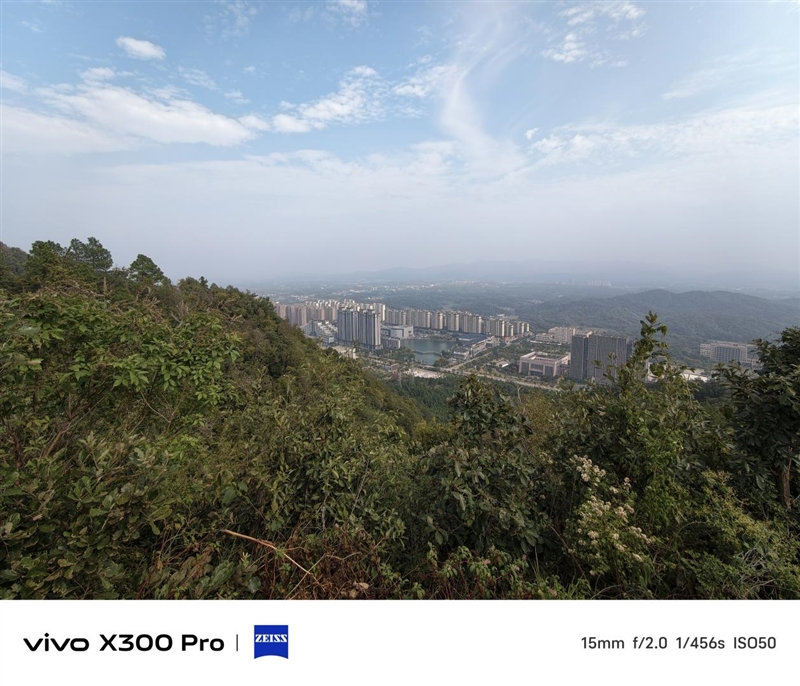
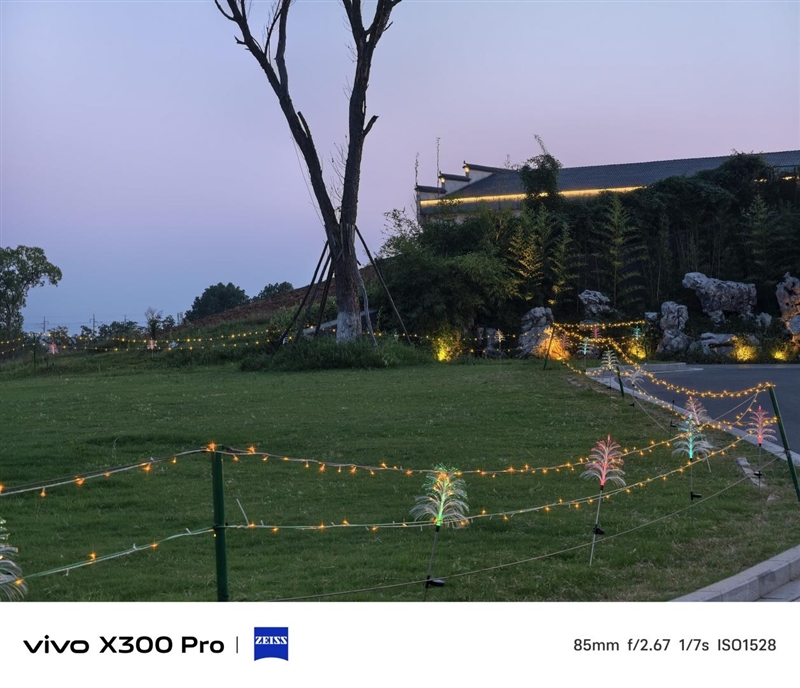 This sensor delivers outstanding image quality, capturing vibrant colors and dynamic range that closely mimic human vision. It excels in landscapes and food photography, providing rich color depth and detail.
Native Telephoto: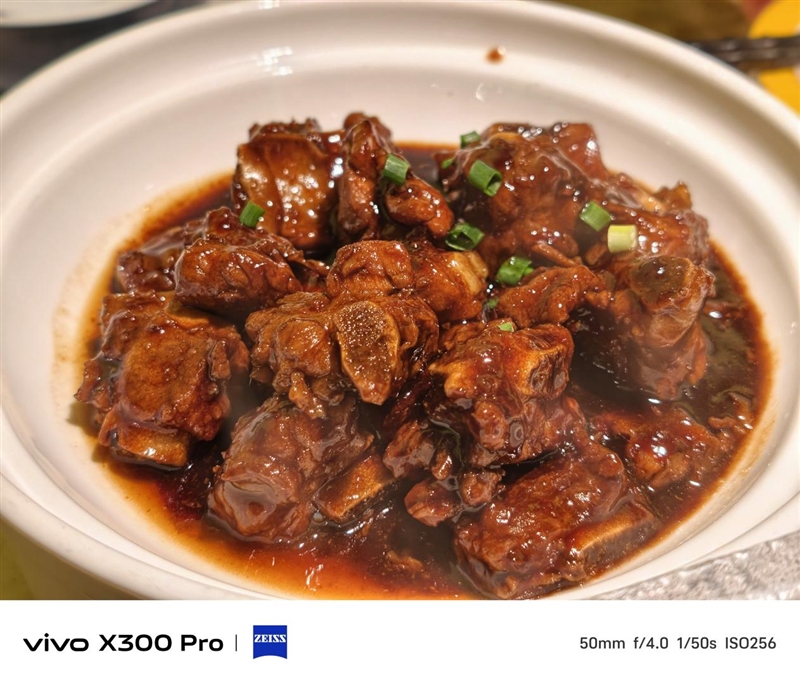
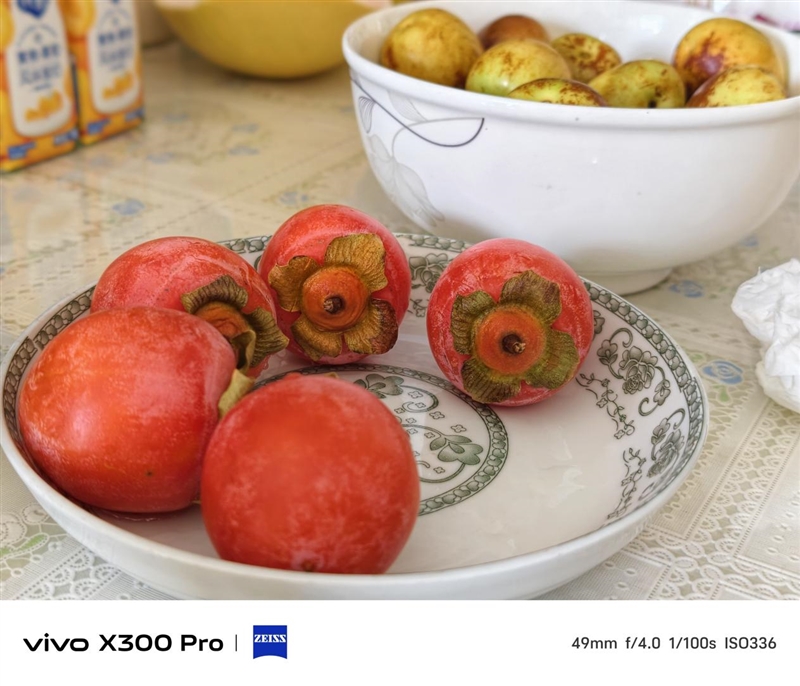
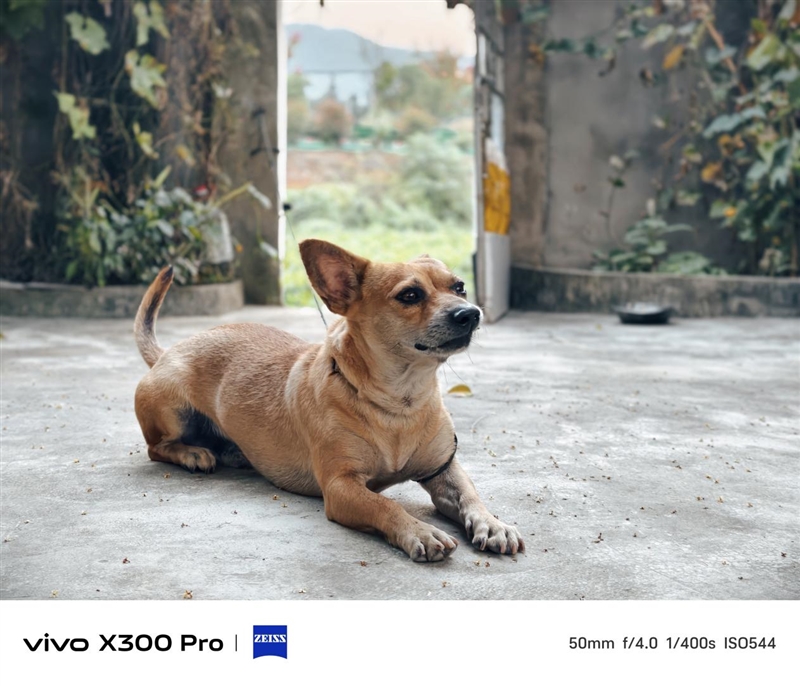
Even without external adapters, this telephoto lens maintains top-tier performance. It renders distant objects with clarity, natural blur, and fine detail, handling complex lighting conditions effectively—perfect for capturing distant scenes with power and precision.
Teleconverter Telephoto: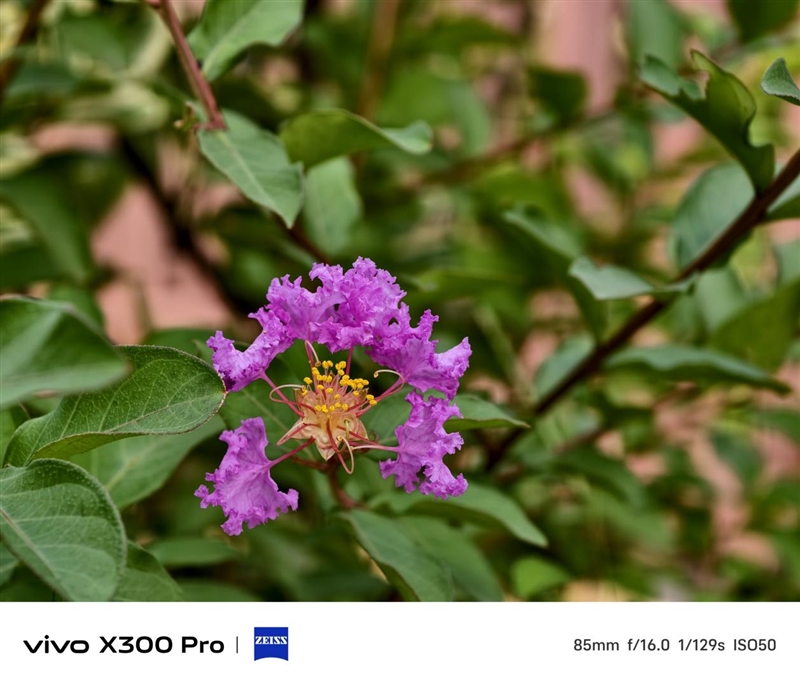
Before showcasing sample images, let’s highlight its capabilities. Switching to telephoto with the teleconverter reveals its dominance in long-distance photography. For example, distant billboards 2 kilometers away can be captured with remarkable clarity, even though they’re invisible to the naked eye. The 1600mm focal length offers a 64x zoom compared to the main camera, reproducing colors accurately and rendering text clearly. The extra-long focal length creates a natural, creamy depth of field, achieving “knife-sharp” detail typical of larger cameras.
While distant details are stunningly clear, tones may appear slightly cool, especially in foggy mountain scenes, which can be more noticeable against cooler backgrounds.
Ultra Wide-Angle: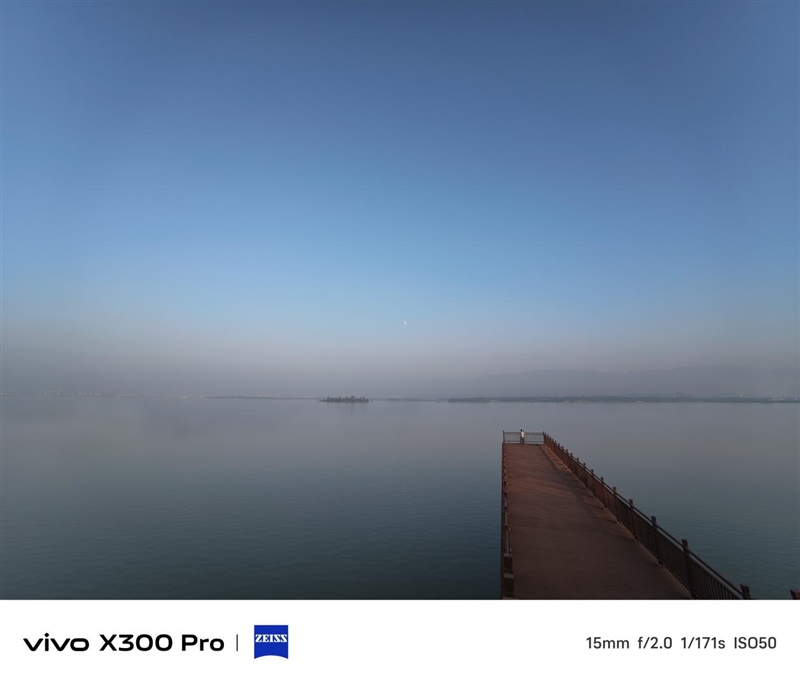
With a 15mm focal length, this lens captures expansive vistas—lakes, seas, and vast landscapes—with a wide, crisp view.
Portrait:

Using both the main and telephoto lenses, the X300 Pro delivers stunning portrait shots. The images boast high pixel quality, with background blur that rivals that of professional SLR cameras. Transitions are seamless, with no visible cutouts. Whether in bright or low light, portraits remain stable, with precise detail in hair, expressions, and clothing. Facial features are enhanced naturally without artificial smoothing, presenting the most authentic and attractive portrait.
Night Scene: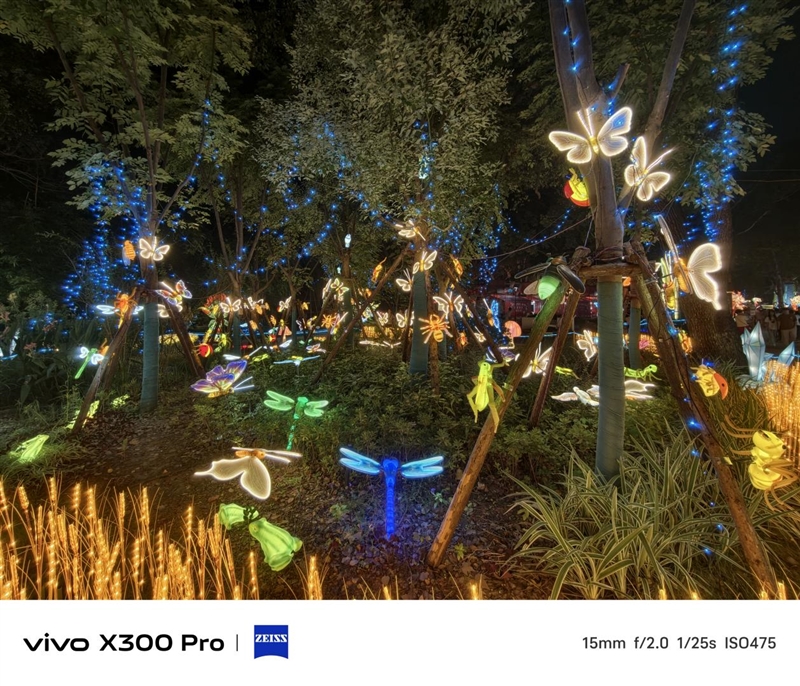
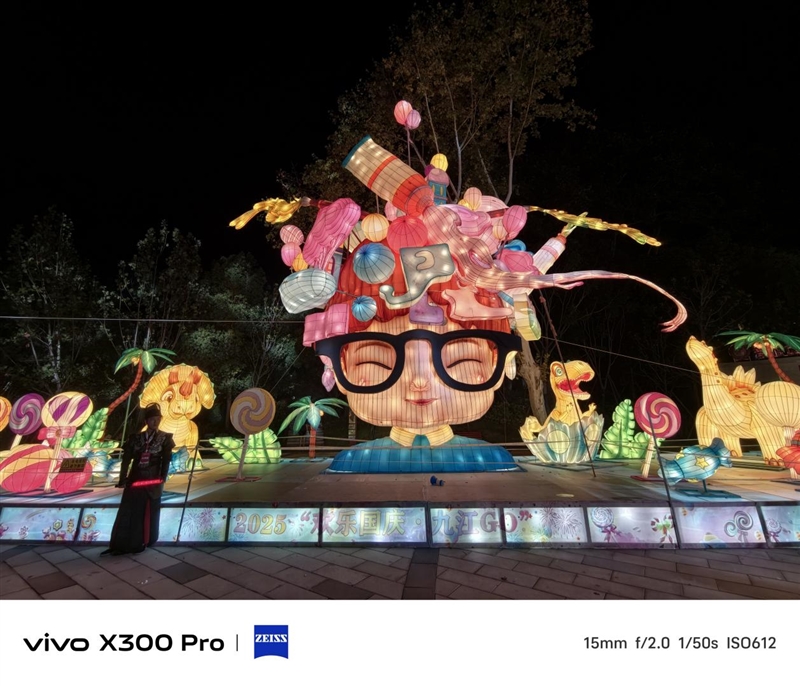
The night scene mode excels in low-light environments, producing images that are remarkably pure and detailed. It balances contrast effectively, preserving details in both shadows and highlights. Text and characters are clearly visible, with minimal noise. Color reproduction is accurate and moderately saturated, maintaining a natural night atmosphere without overpowering ambient light effects.
Overall, the X300 Pro’s camera system combines cutting-edge hardware and intelligent software to deliver versatile, high-quality imaging across a wide range of scenarios.
Battery
Exceptional Battery Life and Fast Charging
The vivo X300 Pro boasts an industry-leading 12-hour battery life, marking the longest ever for vivo’s imaging flagship.
Equipped with a second-generation Blue Ocean semi-solid-state battery, it features a massive 6510mAh capacity—the largest in the vivo X series. Coupled with the powerful Dimensity 9500 processor and the innovative Energy Efficiency Scheduling 2.0 architecture, the device promises impressive longevity.
Fast charging is supported by 90W wired ultra-fast flash charging and 40W wireless flash charging, ensuring rapid power replenishment without compromising battery capacity.
Charging Performance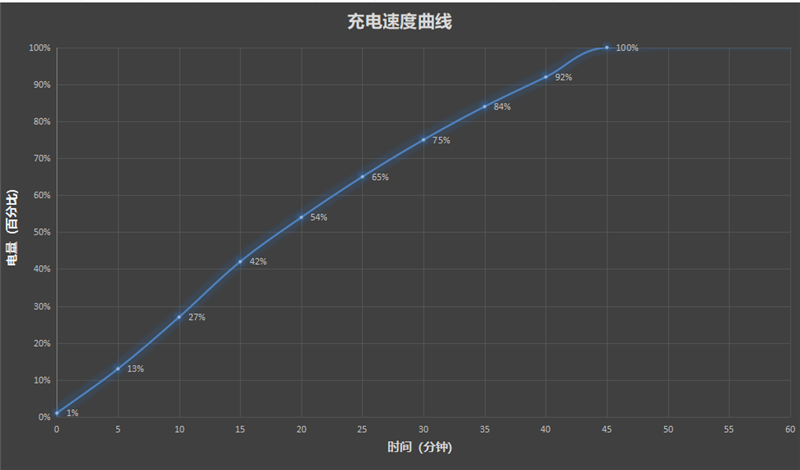
We tested the vivo X300 Pro’s charging capabilities, starting from 1% battery, using the ultra-fast mode. The charging process maintained a voltage below 10V, with a peak current of 4.83A, translating to a maximum of 45W.
- First 17 minutes: Charging remained steady at around 45W. At 8 minutes and 10 seconds, the device overheated, reducing power to approximately 36W, then recovered by 9 minutes and 40 seconds.
- Subsequent reductions: Power decreased gradually at 17:10 (38W), 19:50 (35W), and 28:50 (around 27W). Each reduction lasted less than a minute, with the power decreasing by about 1W each time.
- Full charge: The device reached 100% in 1 hour and 14 minutes, with the final stages involving trickle charging at 2-3W.
Charging to specific milestones took approximately:
- 5 minutes to 13%
- 10 minutes to 27%
- 20 minutes to 54%
- 30 minutes to 75%
- 45 minutes to full charge
Despite maintaining the same 90W fast charging as the previous model, the increased battery capacity (from 5100mAh to 6510mAh) shaved off 4-5 minutes from charging time, showcasing impressive efficiency improvements.
Battery Life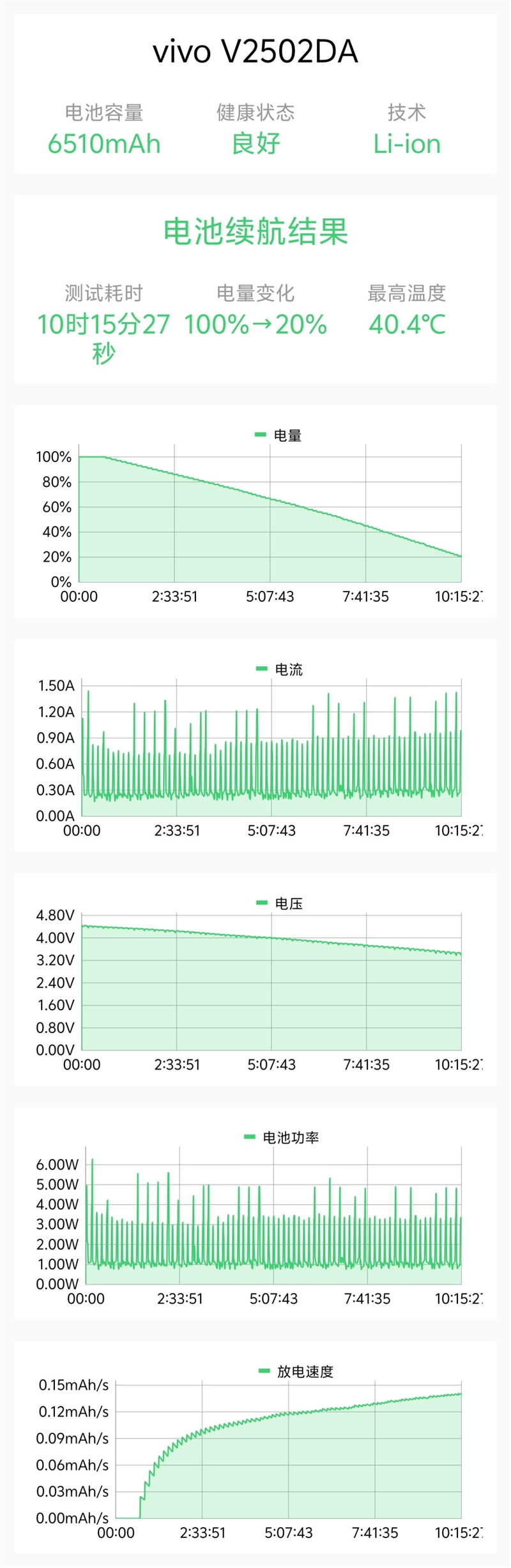
Using Fast Technology’s Battery Dog testing, the vivo X300 Pro lasted 10 hours and 15 minutes in the simulated power consumption scenario, equivalent to a total of 12 hours and 48 minutes of real-world usage.
For extended use, an optional 2300mAh shooting handle can provide additional battery life during photography sessions.
Compared to the X200 Ultra, the X300 Pro delivers a 23.7% increase in battery life despite only an 8.5% increase in capacity. This is largely thanks to deep system optimizations and the energy-efficient Dimensity 9500 chip.
All signs point to excellent gaming performance, making the vivo X300 Pro a true powerhouse in both endurance and speed.
Performance: Dimensity 9500 Sets New Benchmark with Ultra-High Energy Efficiency
The Dimensity 9500, built on TSMC’s third-generation 3nm process technology, features over 30 billion transistors and introduces the innovative ARM 9.3 architecture. It is powered by a 4.21GHz C1-Ultra CPU core, supported by three 3.5GHz C1-Premium cores and four 2.7GHz C1-Pro cores.
The GPU architecture employs the flagship G1-Ultra, supporting the new GPU Dynamic Cache architecture, and doubles the performance of the ray tracing unit.
To evaluate its real-world performance, we tested the vivo X300 Pro, the first device to feature the Dimensity 9500.
Benchmark Results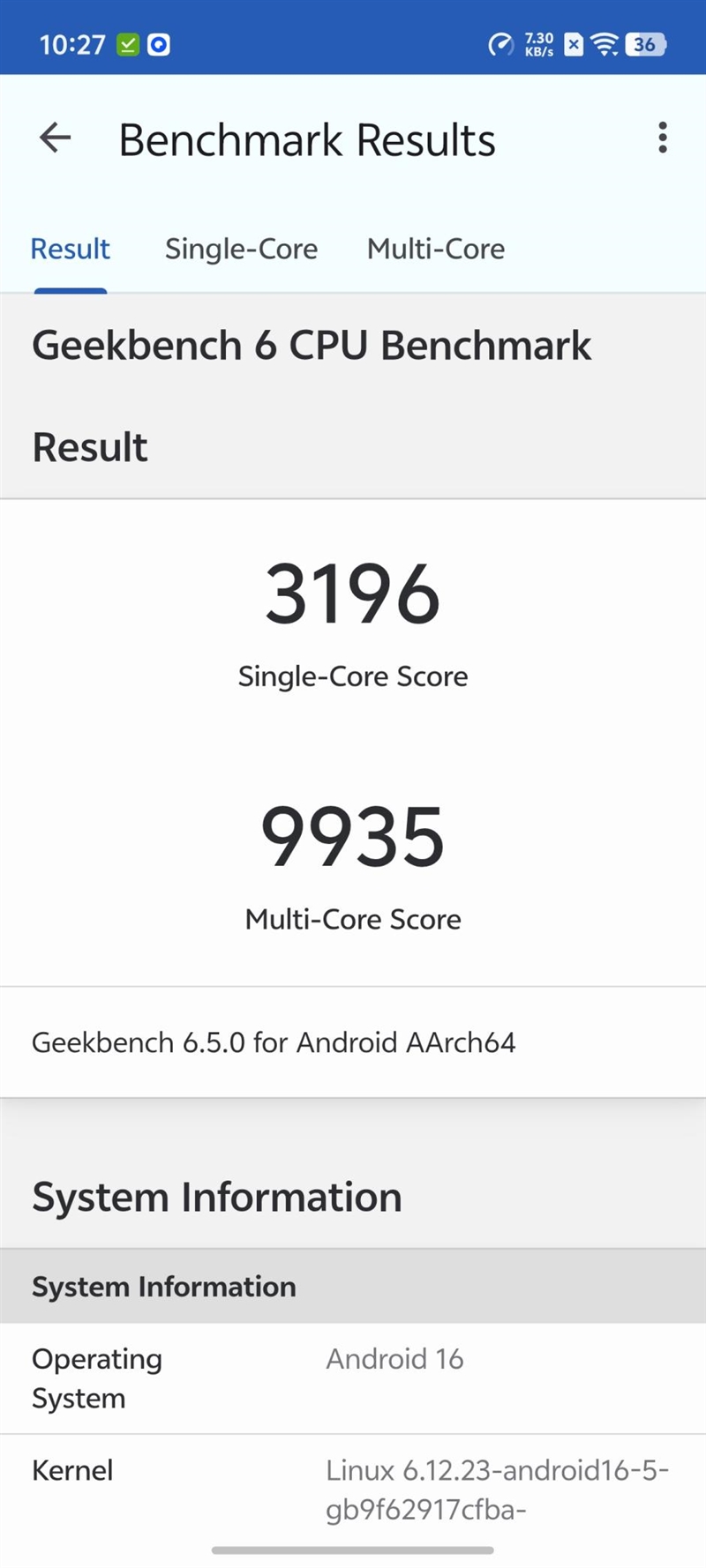
- AnTuTu V11: Achieved an impressive score of 395,000 points, with CPU and GPU scores totaling 245,000 points. Devices with superior systems may break the 4 million mark.
- Geekbench 6.5: Single-core score of 3,196 and multi-core score of 9,935.
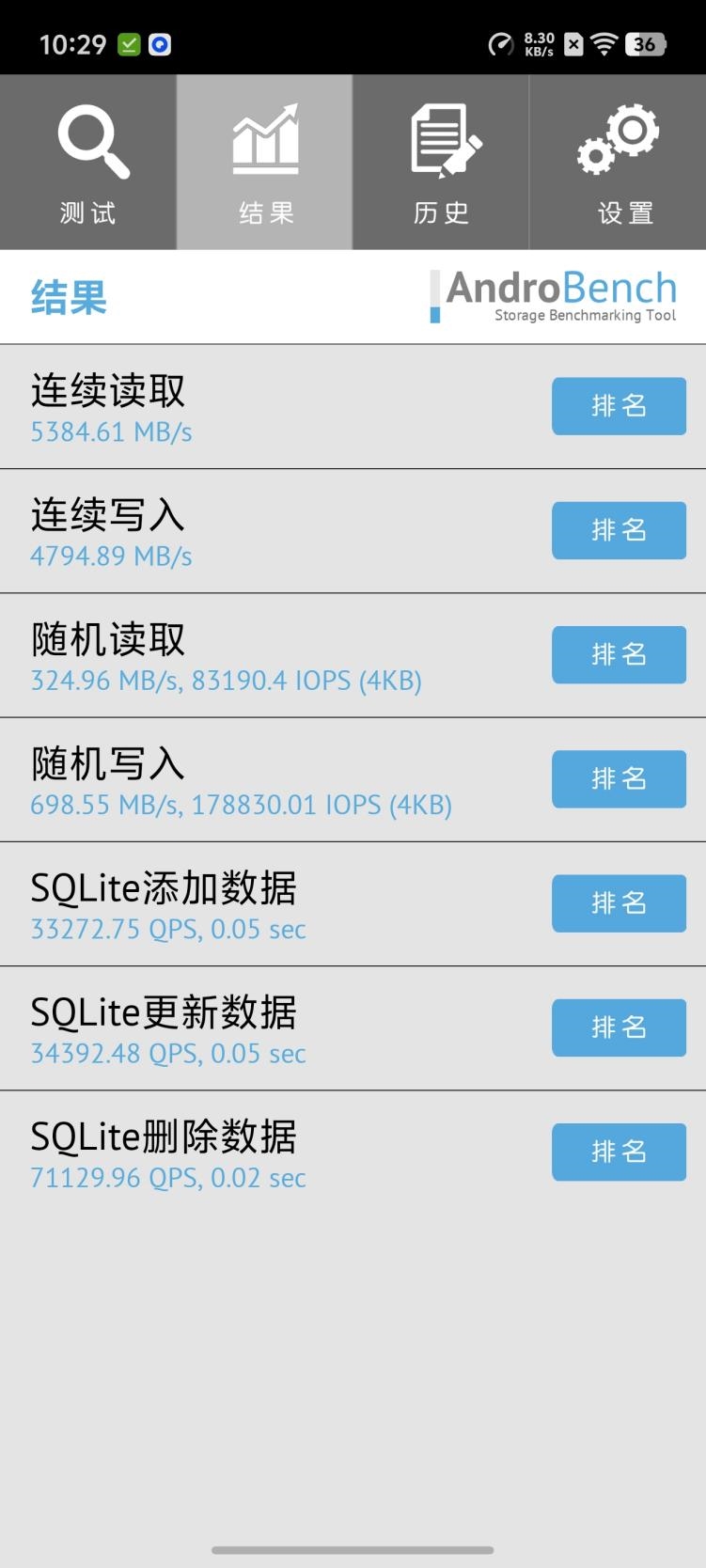
- AndroBench: Utilizing dual UFS disk array technology, sequential read speeds exceeded 5GB/s, and sequential write speeds reached 4.79GB/s. 4K random read reached 324MB/s, while random write reached 698MB/s.
Gaming Performance
Honor of Kings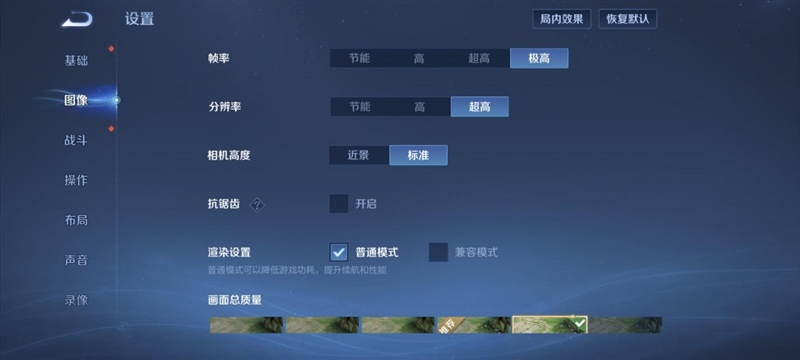
- Capable of delivering 120 FPS at ultra-high image quality, with an option to adjust rendering settings.
- During a 5v5 ranked match replay, the average FPS was an outstanding 122, with a frame stability index of 0—indicating near-perfect stability. The 1% low was 117.5 FPS.
- Power consumption remained remarkably low: less than 3W at 120 FPS, averaging just 2.74W, with energy consumption per frame as low as 22.5mW.
- During extended gameplay, power drain was about one bar every 5-6 minutes.
- The maximum battery temperature reached only 31.6°C.
Genshin Impact

- Running on the highest graphics quality at 60 FPS, with motion blur disabled, for 15 minutes in Xumi City.
- Achieved an average of 61 FPS with a frame stability index of 0.2 and a 1% low of 52.8 FPS.
- Power consumption averaged 3.55W, with each frame consuming only 58.3mW.
- The battery drained approximately 1% every 4 minutes.
- Final battery temperature was 36°C.
Honkai Impact 3rd: Sky Rails
- During a 15-minute session in the “Golden Moment” scene at maximum graphics and 60 FPS.
- The vivo X300 Pro maintained an average of 59.3 FPS, with a frame stability index of 2.3, and a 1% low of 30.45 FPS, experiencing only brief frame drops.
- Power consumption averaged 6.46W, with each frame consuming about 108.98mW.
- The battery drained 1% roughly every 3 minutes.
- Final battery temperature reached 43°C.
Overall, the vivo X300 Pro powered by Dimensity 9500 demonstrates exceptional performance and energy efficiency, making it a leading choice for high-end mobile gaming and demanding applications.
Verdict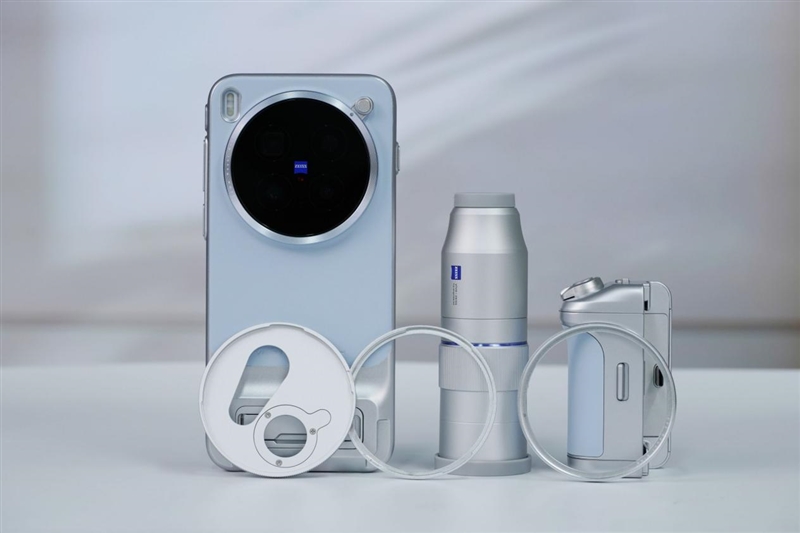
As we approach the conclusion of this review, the Vivo X300 Pro demonstrates its strengths by addressing previous uncertainties: once again reaffirming the vivo X series’ leadership in mobile imaging and its relentless spirit of innovation.
Its imaging capabilities are impressive, rivaling the best flagship models from earlier generations. Whether it’s the 200-megapixel telephoto lens or the Sony LYT-828’s gimbal-grade main camera, every shot exudes confidence. Every beautiful moment visible to the naked eye is captured with remarkable clarity. After a few days of use, my enthusiasm for photography with this phone has only grown.
The 2.35X teleconverter allows easy capture of distant details, while the large aperture creates a natural depth of field and excellent macro effects for close-up shots.
Powered by a massive 6510mAh battery, combined with efficient system optimization and a powerful chipset, the vivo X300 Pro offers nearly 13 hours of battery life—perfect for extended photography sessions without concern. Plus, with 90W fast charging, the device recharges to full in just 45 minutes.
Performance-wise, the latest third-generation 3nm Dimensity 9500 chip delivers top-tier performance and exceptional power efficiency, with gaming power consumption for Honor of Kings at only 2.7W. The new high-end NPU and V3+ chip further enhance computational photography capabilities.
The significance of the vivo X300 Pro extends beyond its technical specs; it earns the title of “imaging flagship” by consistently delivering excellent results with every shutter press. It inspires creators to rediscover their passion and purity for photography.
At a time when the market seems to have reached its limits, the vivo X300 Pro has once again pushed boundaries, bringing us closer to “ultimate reality” in mobile photography.
And this excites us even more for the potential miracles that the more powerful vivo X300 Ultra, expected next year, might bring to mobile imaging.
Read Also: Vivo X300 Released: Starting from 4,399 yuan-The World’s First Release of Dimensity 9500