










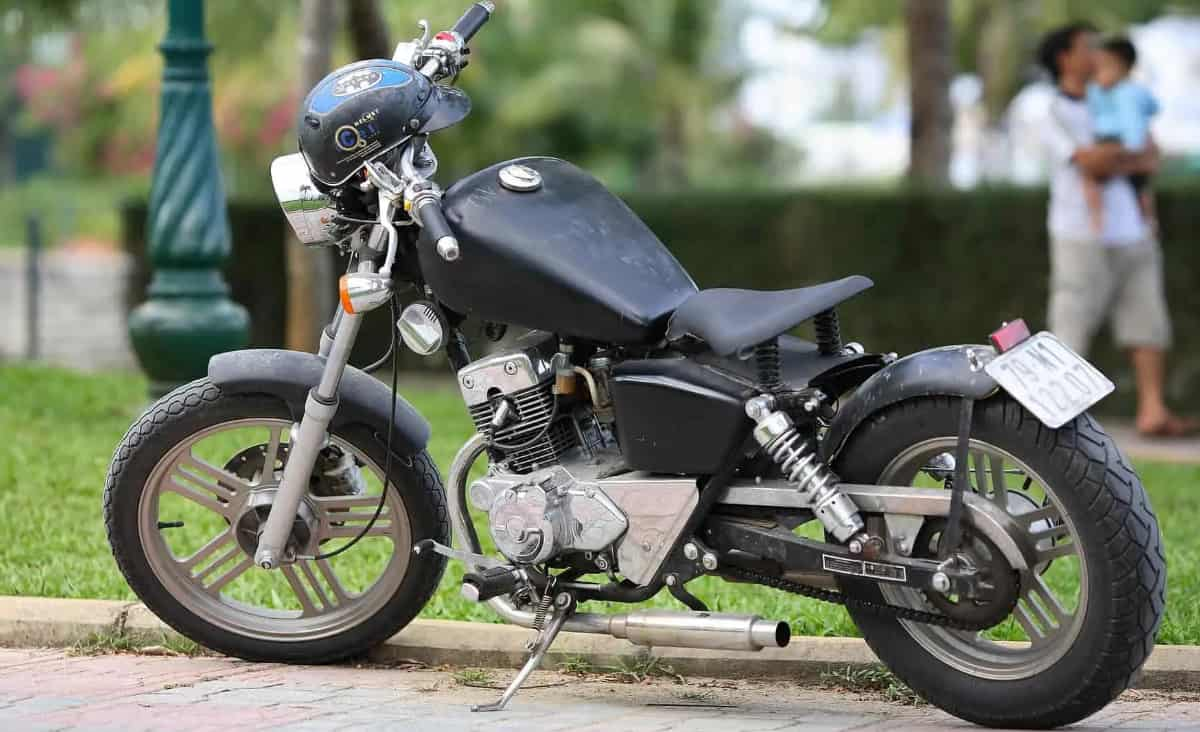
Motorcycles offer freedom and excitement on the open road, but they also carry inherent risks. Riders rely on both skill and situational awareness to avoid accidents, yet even the most experienced can face danger from other drivers, weather conditions, or mechanical failures. In recent years, technological advancements have been increasingly integrated into motorcycles to reduce these risks, from anti-lock braking systems to advanced sensors that detect potential hazards before they escalate. These innovations demonstrate how tech can shift the balance between thrill and safety.
While technology continues to evolve, the integration of smart devices and connected systems has opened new possibilities for accident prevention. GPS navigation, adaptive headlights, and wearable alerts can warn riders of road hazards or sudden obstacles. Even smartphones, when paired responsibly with motorcycles, can provide emergency alerts or track rides for safety purposes. The presence of these tools highlights a reality that accidents are not solely due to human error; technology has the potential to significantly reduce their frequency and severity.
The ongoing development of machine learning and artificial intelligence is also beginning to influence motorcycle safety. Predictive algorithms can analyze patterns of rider behavior and traffic conditions, offering personalized alerts to minimize risk. These systems can detect unusual braking patterns or sudden lane changes and provide early warnings that allow the rider to react in time. By combining real-time data with predictive insights, technology is no longer a passive tool but an activr re partner in promoting safeides.
When a Motorcycle Accident Strikes
According to accidentlawyerelite.com, motorcycle accidents can be devastating, both physically and emotionally. Injuries can range from broken bones to severe head trauma, often leaving long-term consequences for riders and their families. Beyond personal harm, accidents also disrupt livelihoods, creating financial burdens through medical expenses, lost income, and repair costs. The sudden nature of these events makes it difficult for riders to recover, emphasizing the importance of prevention and timely response.
Many accidents occur due to factors outside the rider’s control. Drivers failing to see motorcycles, slippery roads, and unexpected obstacles are common triggers. In these situations, protective technologies such as stability control and collision detection could mean the difference between a minor scrape and a life-altering injury. The growing focus on accident-preventing technology demonstrates that while risks remain, proactive tools can help mitigate the worst outcomes for riders.
The aftermath of an accident extends beyond immediate injuries. Riders often face prolonged rehabilitation, emotional distress, and challenges reintegrating into daily life. Insurance claims and legal processes can further complicate recovery, leaving victims overwhelmed. By implementing preventative technologies, some of these post-accident difficulties could be reduced or avoided entirely. Early warnings and automated interventions can preserve both physical and emotional well-being, offering a more comprehensive approach to accident management.
Innovations in Motorcycle Technology
Motorcycle technology has advanced rapidly, introducing features once thought impossible. Anti-lock braking systems reduce skidding, while traction control adjusts power delivery to match road conditions. Adaptive headlights illuminate curves, making night rides safer, and tire pressure monitoring systems ensure that basic maintenance issues do not compromise safety. These tools reflect a shift toward prioritizing both rider experience and accident prevention simultaneously.
Smart helmets and wearable devices are also transforming the rider’s environment. Some helmets offer heads-up displays that provide real-time data without diverting attention from the road. Bluetooth connectivity enables hands-free communication with emergency services or fellow riders. Even predictive maintenance apps allow riders to track mechanical performance, reducing the likelihood of sudden failures that could lead to accidents. Technology now acts as a second layer of defense for those on two wheels.
Emerging technologies like connected vehicle systems are beginning to link motorcycles with surrounding traffic. Vehicles equipped with sensors can communicate with nearby motorcycles, alerting both drivers and riders to potential hazards before a collision occurs. These systems also allow for coordinated responses to dangerous situations, such as automatic braking or lane correction alerts. Integrating motorcycles into a connected ecosystem elevates safety standards and opens the door for innovative ways to prevent accidents on the road.
The Role of Awareness and Education
Technology alone is not a silver bullet. Riders must remain aware of their surroundings and continue developing their skills. Training programs that incorporate technology can enhance learning outcomes, teaching riders how to respond when systems intervene or warn of danger. Combining hands-on experience with tech-based feedback helps riders internalize safer practices, creating a more robust approach to accident prevention.
Education also extends to the wider public. Other drivers on the road need awareness of motorcycles and the limitations of traditional visibility. Safety campaigns supported by technology, such as digital alerts to cars approaching intersections or AI systems that detect motorcycles nearby, can reduce accidents caused by oversight. Community awareness, combined with innovative tech, forms a critical partnership in making roads safer for all.
Rider education programs are now incorporating data-driven insights to tailor instruction to individual behavior. For example, simulators and virtual reality systems can replicate hazardous scenarios without putting learners at risk. These experiences allow riders to practice emergency maneuvers and understand the limits of their skills. By combining real-world practice with simulated training, riders are better prepared to handle unpredictable conditions while leveraging the protective benefits of technology.
The Future of Connected Riding
The motorcycle industry is moving toward a future where connectivity and automation play central roles. V2V communication allows motorcycles to exchange information with cars and traffic infrastructure, alerting riders to potential collisions ahead. Advanced sensors could soon detect distracted drivers, automatically slowing the bike to prevent crashes. These developments illustrate how tech is increasingly integrated into the riding experience, blending performance with safety in ways previously unattainable.
Manufacturers are exploring electric motorcycles, which offer not only environmental benefits but also integrated smart systems. These bikes can connect to apps that monitor performance, notify riders of nearby hazards, and even provide predictive navigation to avoid dangerous routes. As technology becomes an inherent part of the riding ecosystem, the line between human skill and technological support continues to blur, creating safer roads for enthusiasts and commuters alike.
Urban mobility is also driving innovation in motorcycle technology. Smart city initiatives aim to integrate motorcycles into broader transportation networks where data from traffic lights, pedestrian crossings, and connected vehicles can inform riders in real time. Such integration ensures that riders are not only responding to immediate threats but are also aware of systemic conditions that could affect safety. This holistic approach positions technology as an essential component of modern motorcycle riding.
Riding Smarter With Technology
Motorcycle riding has always been a balance of skill, awareness, and risk. Today, technology offers a new dimension to that balance, providing tools that can prevent accidents before they occur. From safety sensors to wearable alerts and connected helmets, these innovations complement the rider’s abilities, giving them more control over unpredictable situations. Embracing these technologies can transform the riding experience, making it not only safer but also more enjoyable.
Ultimately, riders must integrate technology responsibly. Reliance on gadgets should enhance, not replace, basic safety practices like checking mirrors, wearing protective gear, and riding at safe speeds. Combining human judgment with technological support creates a holistic approach to motorcycle safety. As the industry continues to innovate, the potential for reducing accidents and preserving lives becomes increasingly tangible, showing that smart riding and modern technology can go hand in hand.
The future of motorcycle safety will depend on the balance between human skill and technological support. Riders who learn to interpret and respond to alerts, maintain their equipment, and remain vigilant will maximize the benefits offered by connected systems. Communities of riders sharing insights and experiences with emerging tools will accelerate adoption and enhance safety culture. Ultimately, technology is a partner, not a replacement, and riders who embrace it thoughtfully can enjoy both the thrill and security that modern motorcycles now provide.