










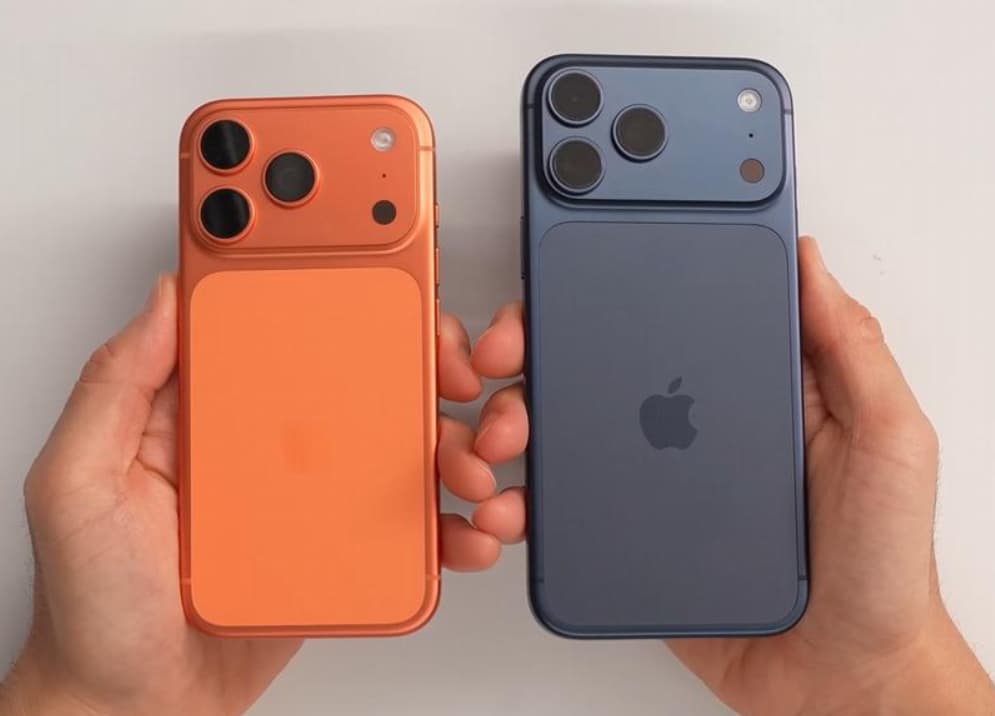
iPhone 17 Pro Max, with its powerful imaging system and computational photography capabilities, has become a benchmark device in the field of mobile photography. To fully realize its potential, a systematic approach is required, covering four aspects: basic setup, scenario-based adjustment, composition skills, and advanced functions.
I. Optimization of basic settings: Establishing the foundation for picture quality
Go to “Settings – Camera – Format”, and select “Efficient (HEIF/HEVC)”. This can save 30% of storage space while retaining 24 million pixel details. If you need post-processing color correction, you can enable “Apple ProRAW” and set it to “JPEG XL Lossy Compression”. This ensures image quality while controlling the file size. It is recommended to lock the photo resolution to “24MP mode”. In this mode, the sensor uses full pixel output, and the noise in night scenes is reduced by 42% compared to the 48MP mode. Enable the combination function of “Grid Lines + Level Meter”. The nine-grid pattern assists in the composition of the rule of thirds. The level meter uses the gyroscope to real-time correct the tilt of the picture, ensuring the horizontal and vertical alignment of scenes such as buildings and landscapes.
II. Scenario-based Calibration: Precisely Matching Shooting Requirements
– Landscape Photography: The main camera with 1x (24mm) is suitable for capturing large scenes. It uses an F/1.78 large aperture to create a shallow depth of field. The 28mm focal length is achieved through sensor cropping, and its distortion control is better than that of external lenses, making it suitable for portrait photography. By enabling “Smart HDR 5”, the system automatically optimizes the details of highlights and shadows to avoid overexposure or underexposure.
Portrait shooting: Enable the “Depth Control” slider in the “Portrait Mode” to adjust the intensity of background blurring in real time. Combine with the “Gloss” option in the “Photography Style” to give the skin tone of the subjects a natural luster. In backlit scenes, turn on “Portrait Blur Adjustment” and simulate the aperture value to f/2.8. Combine with the flash for supplementary lighting to enhance the three-dimensionality of the faces.
Night scene shooting: The camera automatically switches to the night mode. If you need to extend the exposure time (up to 10 seconds), you can manually adjust the slider to the maximum value and use a tripod to secure the equipment to obtain purer details in the dark areas. In the night scene mode, the default EV value will be lowered to -0.7. Combined with the new multi-frame synthesis algorithm, this can further enhance the image quality.
– Telephoto application: When using the 8x optical zoom lens to take pictures at a distance of 10 meters, its resolution exceeds that of most single-lens reflex cameras’ telephoto lenses, making it suitable for capturing architectural details. When shooting high dynamic scenes such as concerts, activate the “Telephoto Lens Priority” mode and combine it with the “Highlight Retention” algorithm to clearly capture the details of stage lights.
III. Composition Techniques: Enhancing the Artistic Quality of the Picture
Golden section point composition: Place the main subject, such as a person’s eyes or the top of a building, at the four intersection points of the nine-grid layout to enhance the layering effect of the photo.
Low-angle shooting: Capture the scene close to the ground, using the sky as the background to avoid interference from other objects, and at the same time enhancing the depth perception of the picture.
Frame-style composition: Look for natural frames, such as windows, doorways, or tree branches, and place the main subject within the frame to enhance the narrative quality of the picture.
Guiding-line composition: By utilizing line elements such as roads and rivers, the composition guides the viewer’s gaze towards the main subject, enhancing the dynamic effect of the picture.
Symmetrical composition: When shooting scenes such as buildings or water reflections, turn off the “Display outside composition” option to avoid UI elements from interfering and ensure the balance of the picture.
IV. Advanced Features: Expanding Creative Boundaries
– Video Recording: Select “4K 60fps” combined with “HDR mode”, with a dynamic range of 14 stops. The highlights are not overexposed and the dark areas retain details. Professional users can activate “ProRes Log encoding”, which enables 10-bit color depth color grading in Final Cut Pro, resulting in three times smoother color transitions compared to the ordinary mode.
Space video shooting: When shooting space videos with Apple Vision Pro, enable the “Space Video” mode. During the shooting, keep the device level and maintain a distance of 0.5 to 1.5 meters from the subject to achieve the best 3D effect.
Macro photography: When the distance between the lens and the subject is less than 10 centimeters, the system automatically activates the macro mode. At this time, it is recommended to turn off “Lens Correction” and retain the natural distortion to enhance the visual impact. When shooting water droplets or insects, an external circular lighting accessory can be used to improve the detail presentation.
– Continuous Shooting and Shutter Control: Press and hold the shutter button to activate the continuous shooting mode, which can capture up to 20 photos per second. When the “Volume Up Button for Continuous Shooting” option is enabled, pressing the volume up button will start the high-speed continuous shooting, which is suitable for capturing moving scenes.
Through systematic setup and scenario-based adjustment, the iPhone 17 Pro Max can cover all scenarios from daily recording to professional creation. After mastering these techniques, users can complete the entire creative process from composition to post-processing in the native camera without relying on third-party applications.