










Vaping is widely regarded as a safer alternative to smoking, but like any electronic device, proper battery and coil safety is essential. In the UK, most vaping incidents are caused not by the e-liquid or devices themselves, but by incorrect battery handling or coil misuse.
This complete guide explains how vape batteries and coils work, the risks involved, and best-practice safety tips every UK vaper should know.
Understanding Vape Batteries
Most vape devices use rechargeable lithium-ion batteries, either built-in or removable (commonly 18650, 20700, or 21700 cells).
Types of Vape Batteries
-
Built-in batteries
Found in pod systems and starter kits. These are sealed and charged via USB. -
Removable batteries
Used in advanced mods. They offer longer life but require more care and knowledge.
UK Safety Standards
In the UK, reputable vape products comply with:
-
UKCA / CE certification
-
TPD (Tobacco Products Directive) regulations
-
Manufacturer safety limits (amp rating, voltage, wattage)
Always buy batteries from trusted UK vape retailers, never from unknown online sellers.
Vape Battery Safety Rules (UK Best Practice)
1. Use the Correct Battery
-
Only use high-drain batteries designed for vaping
-
Check the continuous discharge rating (CDR), usually 20A–30A
-
Never use laptop, torch, or power-tool batteries
2. Inspect Batteries Regularly
Do not use batteries with:
-
Torn or damaged wraps
-
Dents or corrosion
-
Overheating issues
Damaged battery wraps should be replaced immediately, not taped.
3. Charge Safely
-
Use the manufacturer’s cable or charger
-
Avoid cheap fast chargers
-
Never leave batteries charging overnight or unattended
-
Remove batteries once fully charged
4. Battery Storage & Transport
-
Always use a plastic battery case
-
Never carry loose batteries in pockets or bags
-
Keep away from keys, coins, or metal objects
5. Avoid Overheating
If your vape becomes unusually hot:
-
Stop using it immediately
-
Remove the battery (if possible)
-
Allow it to cool in a safe area
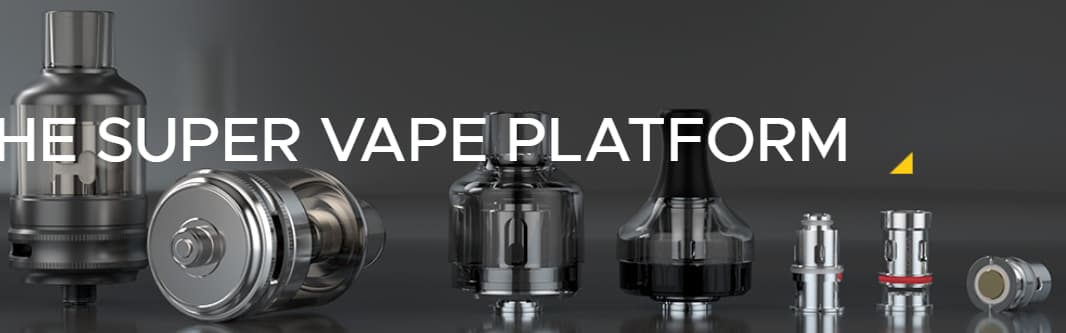
Understanding Vape Coils
The coil is the heating element that turns e-liquid into vapour. It directly affects flavour, vapour production, and safety.
Coil Types
-
Pre-built coils – common in tanks and pods
-
Sub-ohm coils – below 1.0Ω, higher power output
-
MTL coils – higher resistance, lower wattage
-
Rebuildable coils (RTA/RDA/RDTA) – advanced users only
Coil Safety: What Every Vaper Should Know
1. Match Coil Resistance to Your Device
-
Always check the recommended wattage range
-
Never exceed the coil’s rated power
-
Ensure your device supports the coil resistance
2. Prime Your Coil Properly
Failing to prime a coil can cause:
-
Dry hits
-
Burnt cotton
-
Coil failure
How to prime safely:
-
Add e-liquid directly to the cotton
-
Fill the tank
-
Wait 5–10 minutes before vaping
3. Watch for Warning Signs
Replace your coil if you notice:
-
Burnt taste
-
Reduced vapour
-
Gurgling or leaking
-
Darkened e-liquid
4. Avoid Chain Vaping
Continuous vaping can:
-
Overheat coils
-
Burn cotton
-
Damage batteries
Allow a few seconds between puffs, especially with high-power devices.
Ohm’s Law and Battery Safety (Simplified)
Understanding Ohm’s Law is critical for advanced and mechanical mod users.
Key rule:
Lower resistance = higher current draw
Using unsafe coil builds can exceed battery limits and cause:
-
Battery venting
-
Thermal runaway
-
Explosions (rare but preventable)
If you use mechanical mods, always:
-
Know your battery’s amp limit
-
Use an Ohm’s Law calculator
-
Never guess
Common Vape Safety Myths
“All batteries are the same”
✔ False — vaping requires high-drain cells only
“Explosions happen randomly”
✔ Almost all incidents involve misuse or damaged batteries
“More power = better vaping”
Excessive wattage shortens coil life and increases risk
UK Vape Safety Regulations
In the UK:
-
Vape devices must include safety protections
-
E-liquid nicotine strength is capped at 20mg/ml
-
Battery-related incidents are rare due to strict standards
Still, user responsibility remains essential.
Final Safety Checklist
Before vaping, always check:
Battery condition
Correct coil resistance
Wattage settings
Proper coil priming
Safe charging practices
Conclusion
Vape battery and coil safety isn’t complicated — but it must be taken seriously. By following proper handling, using quality products, and understanding how your device works, you can enjoy vaping safely and responsibly.
Whether you’re a beginner or an experienced vaper, these safety habits are essential for every UK user.