








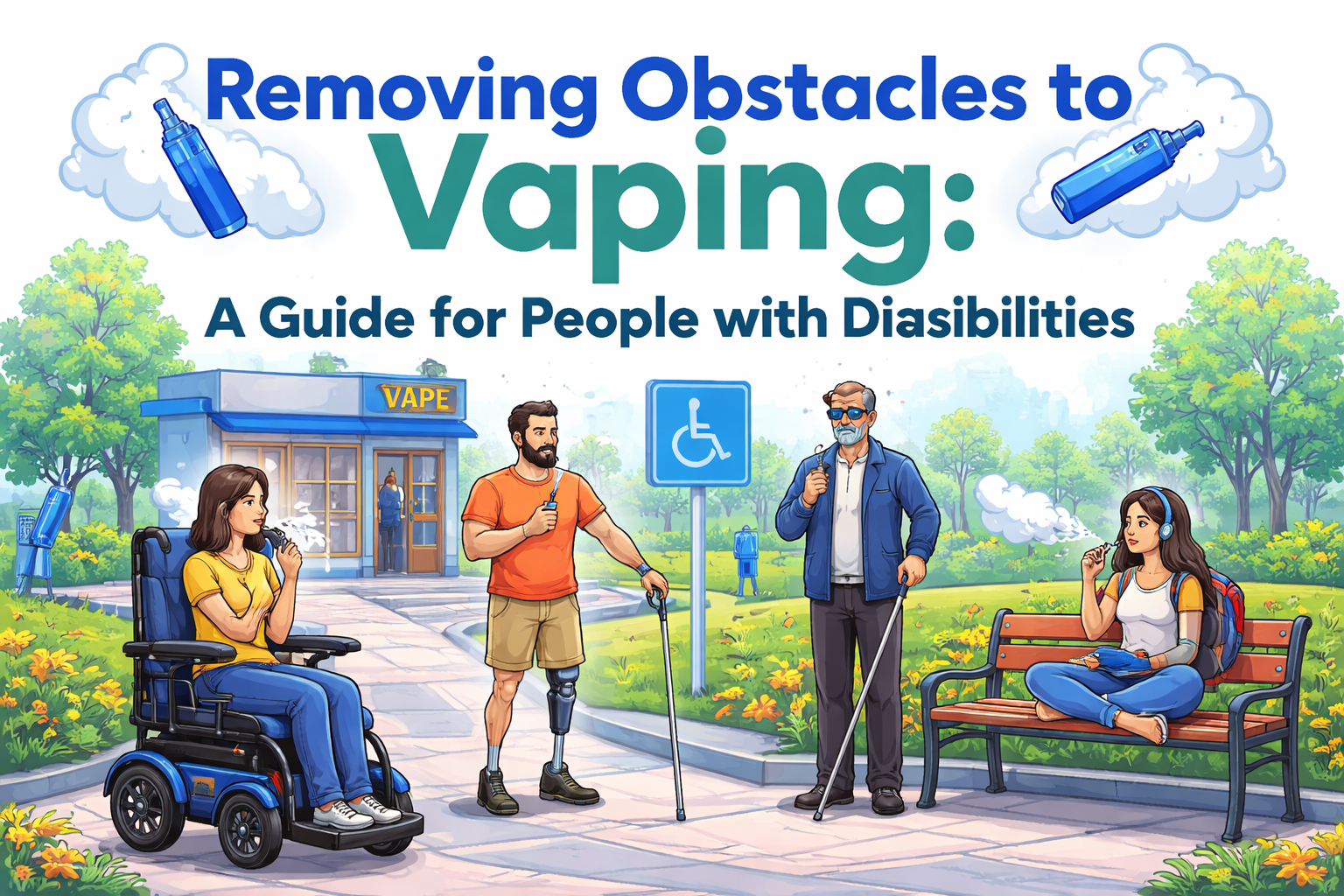
Vaping has become a popular alternative to smoking, offering individuals a chance to enjoy nicotine without the harmful effects of traditional cigarettes. However, for people with disabilities, accessing and enjoying vaping products can sometimes present unique challenges. Whether due to mobility issues, dexterity impairments, or sensory limitations, these obstacles can make it difficult for individuals with disabilities to use vaping devices in the same way as others. But with the right information, tools, and strategies, vaping can still be an accessible and enjoyable experience for everyone.
This guide explores some of the common obstacles faced by people with disabilities when it comes to vaping, and provides solutions to help remove these barriers.
1. Difficulty Handling Small Devices
Many vaping devices, especially smaller disposable vapes and pods, can be challenging to handle for people with limited hand strength, arthritis, or other dexterity issues. The small buttons, intricate designs, and tight seals on some devices can make them difficult to use or open.
Solutions:
- Larger, Ergonomically Designed Devices: Some vape manufacturers are addressing this by designing devices that are easier to grip and use. Look for ergonomically designed vapes with larger buttons or simplified controls that are easier to press and maneuver.
- Buttonless Options: Many newer auto-draw vapes activate automatically when you inhale. This eliminates the need for pressing buttons altogether, making them ideal for individuals who have trouble with manual operation.
- Adjustable Mouthpieces: Look for vapes with adjustable or larger mouthpieces that are easier to hold in place, especially for those with limited hand mobility.
2. Mobility Challenges in Using Vaping Devices
For people with mobility impairments, reaching and handling vaping devices can be a challenge. Devices that require frequent adjustments, such as refilling or changing coils, might be particularly troublesome for individuals who rely on wheelchairs or have limited movement in their hands.
Solutions:
- Disposable Vapes: One of the simplest solutions is opting for disposable vapes, which require no refilling, no coil changes, and no maintenance. These devices are typically ready to use right out of the package, providing a hassle-free option for those with limited mobility.
- Vape Pens and Pod Systems with Larger Tanks: For those who prefer refillable systems, some vape pens come with larger e-liquid tanks, which reduce the frequency of refills. Additionally, systems like pod mods often have larger reservoirs, making them more convenient for people who may struggle with frequent reloading.
- Assistive Devices for Handling: For individuals with severe mobility challenges, tools like vape pen holders, automatic vape holders, or grips can be used to make handling and inhaling easier. These tools can provide better control and make the device more manageable.
3. Visual and Sensory Impairments
People with visual impairments may face difficulty in identifying device settings, understanding the level of e-liquid in a tank, or distinguishing between different devices and flavors. In addition, those with sensory impairments might struggle to detect when a device is not working properly, or when the vape has run out of e-liquid or charge.
Solutions:
- Devices with Audible Feedback: Some modern vaping devices feature audible alerts that notify users when the device needs attention, such as when the battery is low or the e-liquid is running out. These auditory cues can be extremely helpful for individuals who are visually impaired.
- Larger, Clearer Displays: Look for devices that have larger, easily readable displays. Some vapes have screens with high-contrast colors or even tactile markings that make it easier for users with low vision to identify settings and battery life.
- Smartphone App Integration: Some vaping systems can be connected to smartphone apps that provide information such as battery status, liquid level, and even puff count. These apps can be particularly beneficial for people with visual or cognitive impairments, as they allow users to manage their vaping experience via accessible screens.
4. Cognitive and Memory Challenges
Cognitive impairments, such as those caused by dementia, traumatic brain injuries, or other conditions, can make it hard for individuals to remember how to properly use a vaping device or perform essential tasks like changing the pod or charging the battery. Additionally, managing e-liquid levels, nicotine strengths, and flavor preferences can become overwhelming.
Solutions:
- Simpler Devices with Fewer Settings: Choose devices that have fewer controls and options, making them easier to operate without overwhelming the user. Many auto-draw devices and pre-filled disposable vapes are designed to require minimal user interaction, offering a straightforward vaping experience.
- Pre-Filled Pods and E-Liquids: Pre-filled pods or disposable vapes with specific nicotine strengths and flavors allow users to focus on enjoying the experience rather than worrying about refilling, mixing, or remembering complex settings.
- Routine and Reminder Tools: Using routine-setting tools, like reminder apps or digital calendars, can help users stay on track with their vaping habits, like changing a pod or charging a device. Additionally, integrating this with a smartphone app that tracks battery life and liquid levels can help users stay informed.
5. Vape Devices That Require Frequent Refills
People with limited mobility or dexterity might struggle with frequent refilling of e-liquid, especially if they also have visual impairments. Handling small bottles of e-liquid, pouring them into tiny openings, or using intricate tools to access tanks or coils can be quite frustrating.
Solutions:
- Larger Reservoir Tanks: Some vape devices feature larger tanks that require fewer refills. Look for sub-ohm tanks or larger pod systems, which can provide a longer vaping session before needing a refill.
- Pre-Filled Disposable Options: Many individuals with disabilities find that pre-filled disposable vapes are the easiest and most accessible option. These devices are designed for convenience and offer a ready-to-use, no-maintenance experience.
- Self-Filling Vape Systems: Some self-filling vape systems are designed with a simpler, automated e-liquid filling mechanism that eliminates the mess and precision required for manual refilling.
6. Accessibility at Vaping Retailers
For people with physical disabilities, navigating a vape shop can be an additional challenge. From reaching products on high shelves to reading labels with small print, accessing products can be difficult, especially when there’s limited assistance available.
Solutions:
- Online Vaping Retailers: Shopping online for vaping products is a great alternative for people with physical disabilities. Many online stores offer detailed product descriptions, reviews, and larger images to make it easier to select products that meet individual needs.
- Delivery Services: Some online retailers and local vape shops now offer delivery services. This allows individuals to avoid navigating physical stores entirely and have their favorite products delivered directly to their doorstep.
- Specialized Assistance: Some retailers offer personalized assistance or consultations for customers with disabilities, either in-person or over the phone. Check with local vape shops to see if they can offer assistance in selecting accessible products or services.
Conclusion: Empowering Accessibility in Vaping
While there are a variety of obstacles that people with disabilities may encounter when it comes to vaping, these challenges are far from insurmountable. With the right devices, tools, and support, individuals with disabilities can enjoy the benefits of vaping just like anyone else.
Whether it’s choosing larger, user-friendly devices, utilizing assistive tools, or exploring the growing array of disposable vapes, there are options that cater to every need. With a little thought and planning, we can remove the barriers to vaping and make it accessible and enjoyable for all.