









SP2S NIVON Disposable vape takes a different approach to high-capacity vaping devices by combining a main battery with a smaller, independently powered detachable pod. Instead of treating the device as one sealed unit, SP2S separates part of its power system from the main body, creating a design that deserves a closer look.
According to the manufacturer, the NIVON features a 1500mAh main battery, a 200mAh detachable pod battery, a transparent 19ml e-liquid tank, dual-mesh heating technology and two output modes. The company also advertises a maximum of 30,000 puffs, although actual usage will vary with operating conditions and individual use.
The most interesting question is how these features work together. Battery capacity, liquid visibility and output control each serve a different purpose, and understanding those differences is more useful than judging the device by its headline puff count alone.
SP2S NIVON Specifications at a Glance
| Feature | Manufacturer-listed specification |
|---|---|
| Product type | Prefilled pod kit |
| Advertised puff count | Up to 30,000 puffs |
| E-liquid capacity | 19ml |
| Main battery | 1500mAh |
| Detachable pod battery | 200mAh |
| Combined stated battery capacity | 1700mAh |
| Power modes | Power and Eco |
| Power-mode output | 19W / 16W |
| Heating technology | Dual mesh |
| Display | Curved display with dynamic lighting |
| Charging connection | USB Type-C |
| Tank design | Transparent, 360-degree viewing |
| Pod design | Detachable, independently powered pod |
These are manufacturer-listed specifications, not independently verified performance results. The advertised puff count should be treated as an estimate rather than a guaranteed number of uses.
A Dual-Battery Design That Separates the Pod From the Main Device
The NIVON’s most distinctive feature is its two-part power arrangement. The main body contains a 1500mAh battery, while the detachable pod incorporates a separate 200mAh battery.
SP2S describes the pod as independently powered, meaning it can operate without remaining attached to the main device. This changes the way the hardware is organized: the main unit and the pod are not simply two passive components connected together.
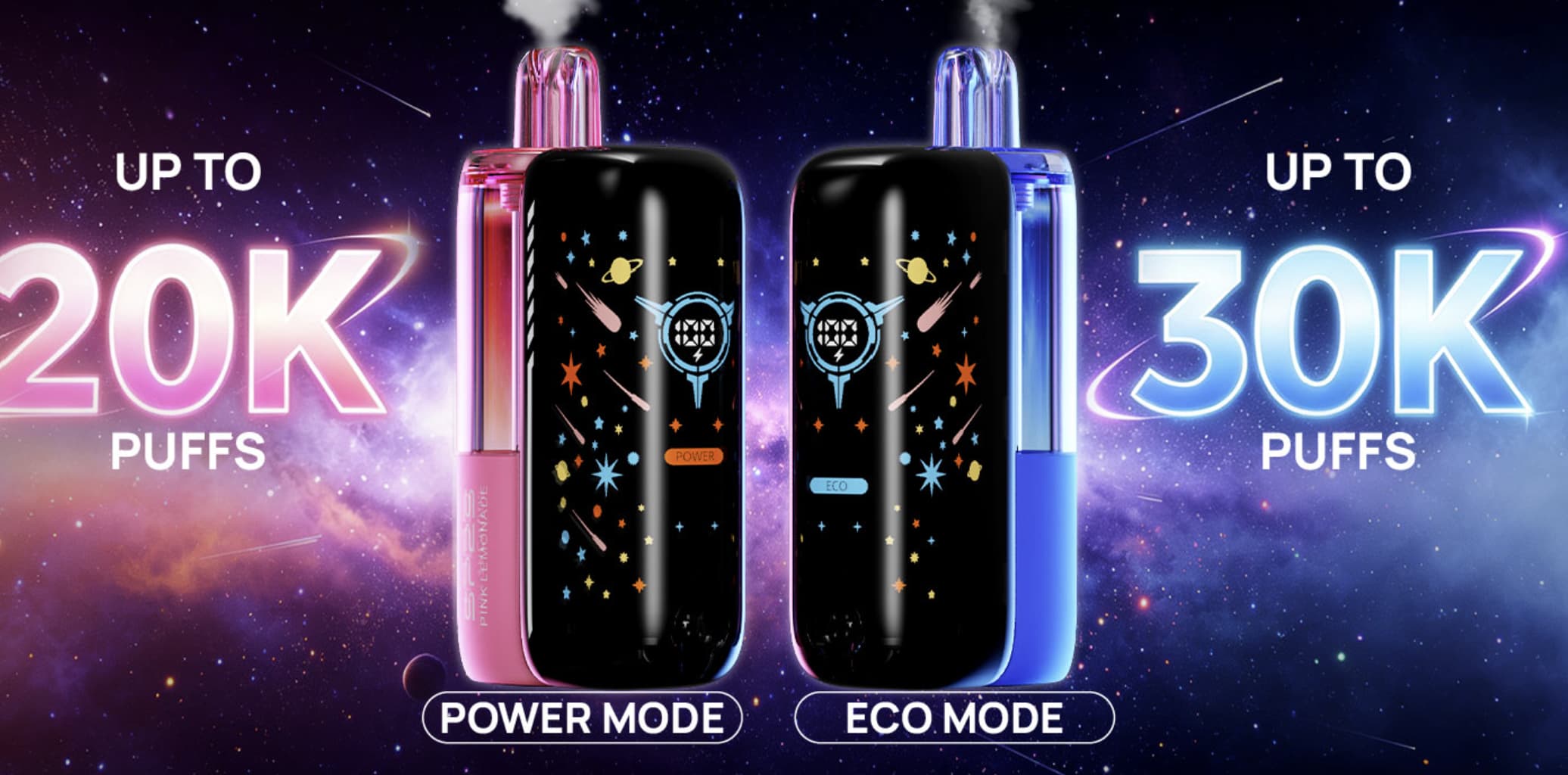
For users evaluating the design, the key consideration is how the separate battery arrangement affects handling and everyday operation. Detachability can provide more flexibility than a permanently integrated construction, but it also introduces an additional component and connection that must be kept in good condition.
The manufacturer lists a combined capacity of 1700mAh. That figure represents the sum of the two stated battery capacities; it does not mean the device will necessarily deliver the same runtime as another product with a single 1700mAh battery. Power consumption, circuit design and operating conditions can all affect actual performance.
The Transparent 19ml Tank Makes Liquid Levels Easier to Check
Another prominent feature is the transparent tank, which SP2S describes as providing a 360-degree view of the remaining e-liquid.
This design addresses a practical limitation of opaque or heavily enclosed tanks: users may find it difficult to judge how much liquid remains without inspecting the device closely. A transparent reservoir makes the liquid level easier to see, helping users identify when the supply is running low.
The stated capacity is 19ml, a substantial volume compared with the small reservoirs found in many conventional pod systems. However, tank capacity should not be confused with battery life or puff count. A larger reservoir does not establish how long the battery will last, and a larger advertised capacity does not independently verify the device’s performance.
Local regulations are essential. E-liquid capacity and prefilled-vape rules differ by market. A 19ml product may not be lawful for sale in jurisdictions that impose lower capacity limits on particular categories of vaping products. Retailers and distributors should verify the exact product configuration and applicable regulations before offering it in any country.
Power Mode and Eco Mode: 19W Versus 16W
The NIVON offers two operating modes: Power and Eco. The manufacturer’s listed outputs are 19W for Power mode and 16W for Eco mode.
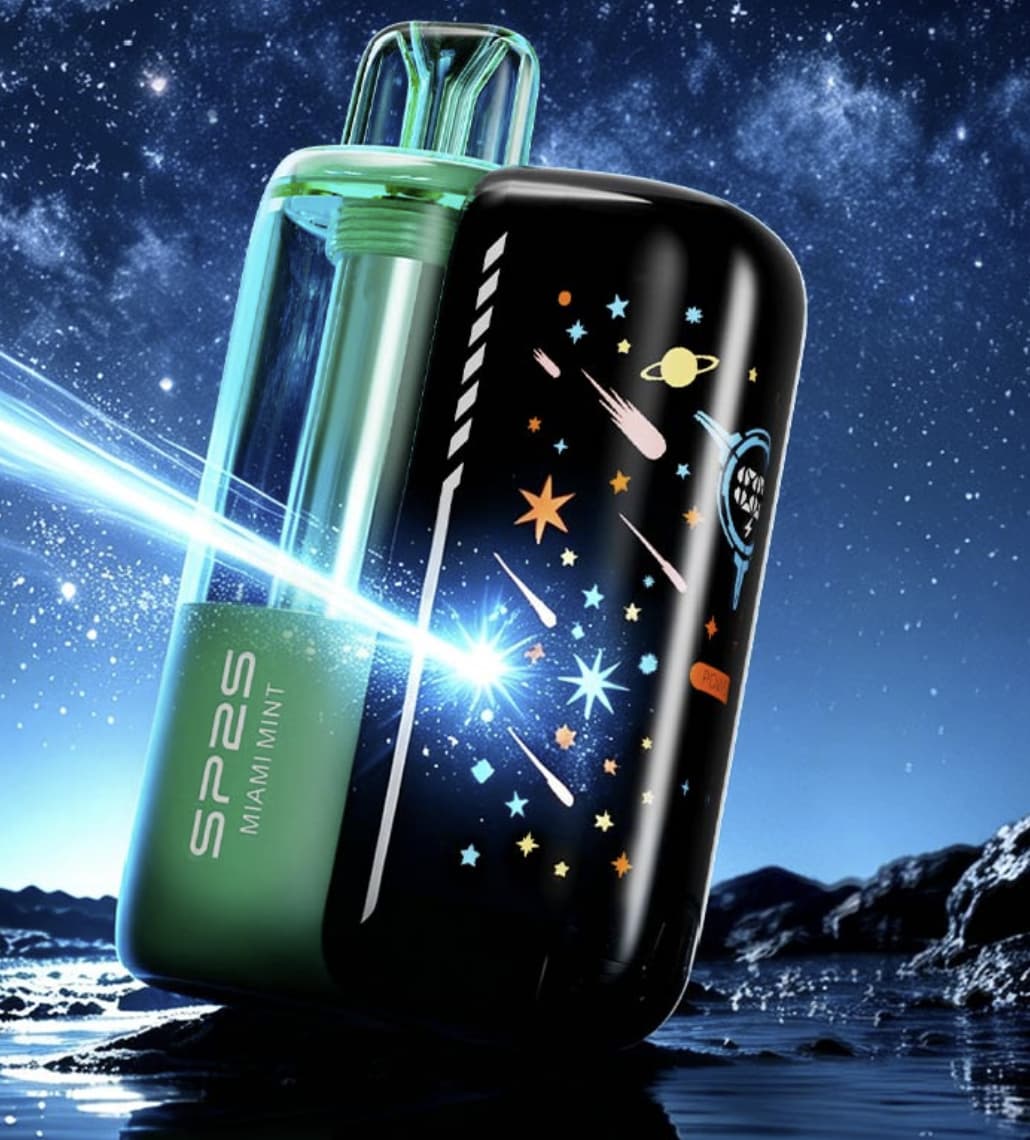
The difference is relatively small in numerical terms, but the modes provide two distinct power settings. Power mode uses the higher stated output, while Eco mode uses the lower one. Lower output can reduce energy consumption under comparable operating conditions, although actual battery life depends on more than wattage alone.
The two-mode system is also easier to understand when considered alongside the dual-mesh heating design. The device combines a specified power level with its heating hardware, but the available product information does not establish independent measurements of vapor production, flavor consistency or energy efficiency.
For a meaningful assessment, buyers should distinguish between a selectable operating mode and a verified performance improvement. The published specifications confirm the two output settings, but they do not provide enough evidence to quantify the difference in runtime or other performance measures.
Dual-Mesh Heating: What the Specification Tells Us
SP2S lists dual-mesh heating technology as part of the NIVON’s design.
Mesh heating elements use a mesh-shaped conductive structure rather than relying solely on a conventional wire coil. The term “dual mesh” indicates a dual-mesh configuration, but the product page does not provide detailed independent test results showing how the arrangement affects heating uniformity, service life or consistency.
That distinction matters when comparing products. A technical feature can explain how a device is constructed, but it should not automatically be treated as proof of better performance.
The most useful way to assess this specification is alongside the device’s other details: its selected power mode, battery arrangement, tank design and manufacturer-provided operating instructions.
Curved Display and Dynamic Lighting
The NIVON includes a curved display intended to make battery and mode information visible at a glance. SP2S also highlights dynamic lighting that moves with activation.
The display has a practical role beyond appearance: a visible status interface can make operating information easier to check than a device that relies only on a small indicator light. Dynamic lighting is a separate design element and should not be confused with a measurement of battery capacity or performance.
The manufacturer’s description identifies battery and mode visibility, but it does not provide enough detail to confirm every screen function. Buyers who need specific indicators or operating information should consult the product documentation for the exact version being supplied.
USB Type-C Charging and Component Care
The NIVON uses a USB Type-C charging connection. USB-C is a widely used connector standard, but the port alone does not establish the device’s supported charging rate or exact charging time.
Because the NIVON contains two battery components, it is especially important to follow the manufacturer’s instructions for charging, detaching and handling the pod. Do not assume that both components charge in the same way unless the documentation explicitly confirms it.
For general battery safety:
- Keep the device and its charging connections dry.
- Do not use a battery or device that is swollen, damaged or unusually hot.
- Avoid exposing the device to extreme temperatures.
- Use the charging equipment and procedures specified by the manufacturer.
- Keep the product away from children and pets.
- Follow local rules for disposing of electronic devices and batteries.
These precautions are relevant to any rechargeable electronic product and are particularly important when a device contains multiple battery components.
What Does the 30,000-Puff Claim Mean?
SP2S advertises the NIVON as offering up to 30,000 puffs. This is a manufacturer-stated maximum, not a guaranteed outcome for every user.
Puff-count estimates depend on the testing method and assumptions used. Longer or more frequent activations can produce a different result from shorter, less frequent use. Operating mode, power consumption and the amount of liquid used per activation can also affect the total.
For that reason, the headline figure should be considered alongside the 19ml tank capacity and the battery specifications rather than used as a standalone measure of quality.
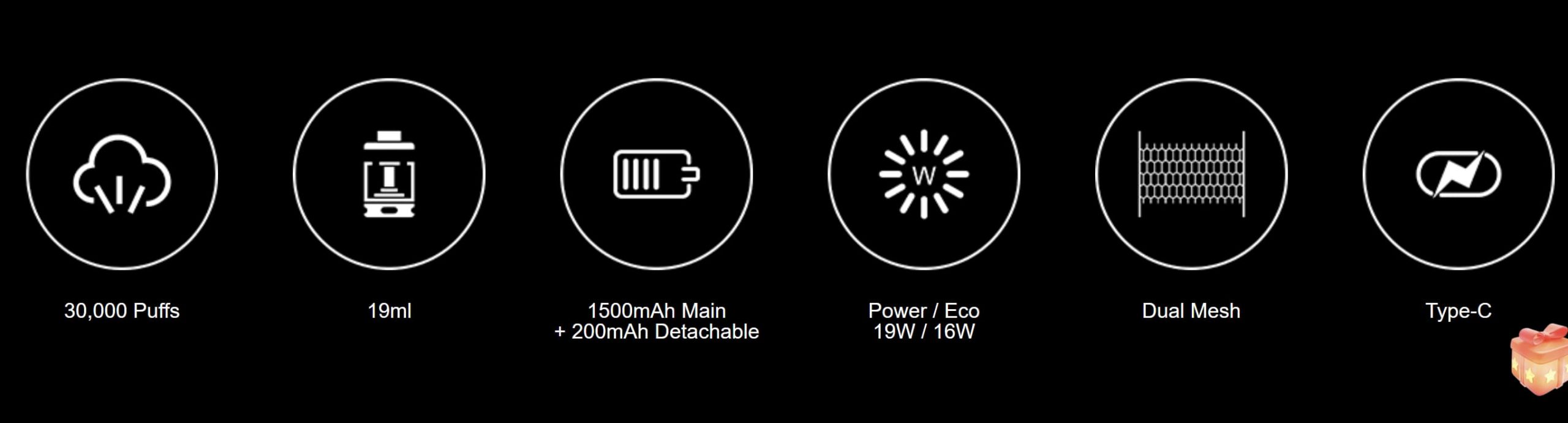
The product page does not provide an independent test protocol that would allow the advertised figure to be compared directly with every competing device. Readers should therefore treat it as a claimed specification, not an independently established lifespan.
Who Should Evaluate the SP2S NIVON?
The NIVON is a product for adult users in markets where its particular configuration is legally permitted. Its design is most relevant to people comparing device architecture, liquid visibility, battery layout and operating controls.
For distributors and retailers, the dual-battery structure and 19ml tank are important details to verify against local product rules. For technical buyers, the stated battery capacities and 19W/16W modes provide a starting point for comparing specifications, but independent performance data would be needed for a rigorous comparison.
The device’s feature list alone does not establish its long-term reliability, actual puff count or operating cost. Those questions require clear documentation, appropriate testing and confirmation of the exact version being sold.
Final Verdict: A Feature-Focused Pod Design
SP2S NIVON stands out primarily because of its combination of a 1500mAh main battery and a 200mAh detachable pod battery. Its transparent 19ml tank, dual-mesh heating, 19W and 16W operating modes, curved display and USB-C connection complete a design built around multiple distinct hardware features.
The most important details are not just the headline 30,000-puff claim, but how the separate battery components work, how the liquid level is monitored and whether the product configuration meets the rules in its intended market.
SP2S provides a useful set of headline specifications, but advertised capacity and performance should not be confused with independently verified results. Buyers and distributors should consult the official documentation, confirm regional compliance and review the safety instructions before making a decision.
Age and safety notice: The product contains nicotine, an addictive chemical, according to the manufacturer’s warning. It is not suitable for minors or non-smokers. Sale and use must comply with local law, including any restrictions on nicotine products, e-liquid capacity and prefilled vaping devices.