










As the popularity of e-cigarettes continues to rise, so does the interest in understanding their long-term health effects. Initially marketed as a safer alternative to traditional smoking, e-cigarettes have quickly become a widespread phenomenon, with millions of people worldwide using them. However, a growing body of research suggests that the health risks associated with vaping may be more significant than initially thought.
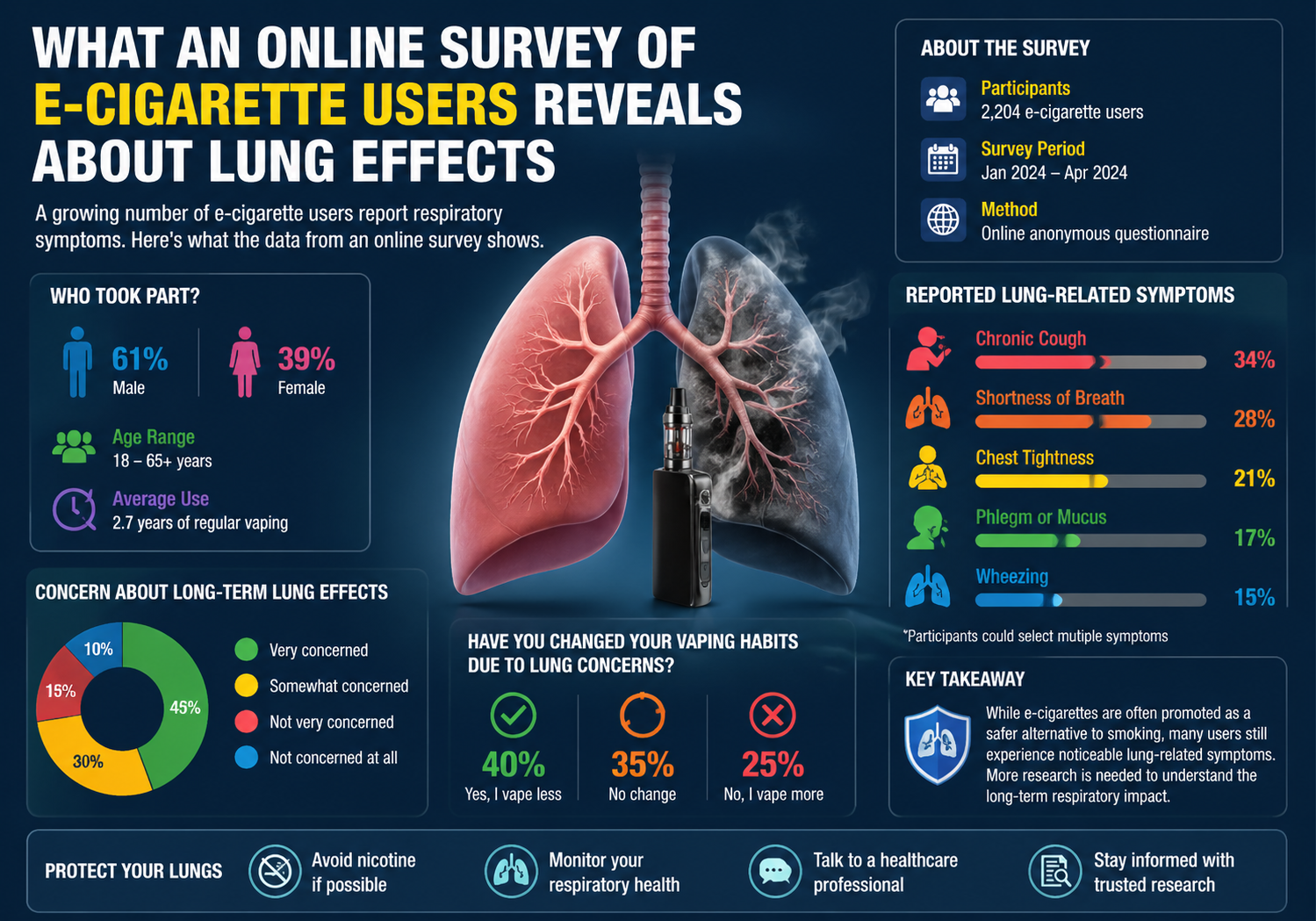
A recent online survey of e-cigarette users has revealed crucial insights into how vaping might be impacting users’ lung health. While much of the public focus has been on the potential cardiovascular effects, the lung effects of e-cigarette use are equally concerning and deserve closer scrutiny. Here’s what the latest survey data shows about the relationship between vaping and lung health.
Understanding the Survey
The survey was conducted across a broad range of e-cigarette users, including both occasional and regular vapers. It aimed to assess their experiences with respiratory issues and other symptoms that could be linked to e-cigarette use. The survey also sought to examine how e-cigarettes compare to traditional cigarettes in terms of lung health effects. The results were shocking and have raised questions about the true safety of vaping.
Key Findings from the Online Survey
1. Respiratory Symptoms Among Vapers
One of the most striking findings from the survey was the high prevalence of respiratory symptoms among e-cigarette users. Nearly 30% of respondents reported experiencing persistent coughing, shortness of breath, or wheezing—symptoms typically associated with chronic lung conditions. The occurrence of these symptoms was found to be more common in people who had been using e-cigarettes for over a year, suggesting that long-term vaping may be a key contributor to respiratory issues.
While these symptoms were often attributed to traditional cigarette smoking in the past, the survey highlights that e-cigarette users are now experiencing similar complaints. Interestingly, users who vaped exclusively (without any prior history of smoking) were also reporting similar respiratory concerns, indicating that e-cigarettes themselves could be causing harm to lung function.
2. Lung Inflammation and Irritation
Another significant finding from the survey is the association between e-cigarette use and lung inflammation. Almost 40% of participants indicated that they felt a sensation of dryness, tightness, or irritation in their chest and throat after using e-cigarettes. These discomforts are often linked to inflammation and can lead to long-term damage to lung tissue if they persist.
The cause of this inflammation may be related to the chemicals in e-cigarette liquids (or e-liquids), which often contain a mixture of nicotine, flavorings, and various solvents. Some studies have suggested that propylene glycol and glycerin, commonly found in e-liquids, can break down into toxic compounds when heated, potentially causing irritation and damage to the lung tissues.
3. Vaping vs. Smoking: A Comparison of Lung Health Risks
The survey also sought to compare the lung health risks of e-cigarettes with those of traditional tobacco cigarettes. While many vapers claim that e-cigarettes are a safer alternative to smoking, the survey results suggest that e-cigarettes may not be as harmless as some might believe. Around 25% of respondents who had switched from smoking to vaping reported no improvement in their respiratory symptoms. In fact, many users continued to experience symptoms such as shortness of breath and coughing despite giving up traditional cigarettes in favor of e-cigarettes.
This raises important questions about the relative safety of e-cigarettes and whether they truly represent a safer alternative to traditional tobacco. While e-cigarettes may expose users to fewer carcinogens than conventional cigarettes, the survey suggests that the effects on lung function are still concerning.
4. E-Cigarette Use and Development of Chronic Conditions
A particularly alarming result from the survey was the number of participants who reported developing chronic respiratory conditions after using e-cigarettes for extended periods. Around 15% of respondents said they had been diagnosed with chronic bronchitis or experienced symptoms consistent with chronic obstructive pulmonary disease (COPD). These conditions are often associated with long-term smoking and are typically irreversible.
While more research is needed to definitively establish a causal link between e-cigarette use and chronic lung diseases, the survey results suggest that long-term use of e-cigarettes may contribute to the development of these serious conditions, particularly when used in conjunction with other forms of nicotine consumption.
5. Impact of Flavorings on Lung Health
The role of flavorings in e-cigarettes has been a topic of ongoing debate. Many of the e-liquid flavors used in e-cigarettes contain chemicals that, when heated, can potentially be harmful to the lungs. The survey revealed that more than 50% of respondents used flavored e-cigarettes, and those who used fruity or sweet-flavored options were more likely to report lung irritation and increased coughing.
Certain flavoring chemicals, like diacetyl, have been linked to a condition known as popcorn lung, a type of bronchiolitis obliterans that causes scarring and inflammation of the lung’s small airways. Although diacetyl has been banned in many food products, it is still found in some e-liquids, and the long-term inhalation of such chemicals may increase the risk of lung damage.
Implications and Concerns
The results of this online survey provide significant insight into the lung effects of e-cigarette use, revealing that respiratory issues, lung inflammation, and the development of chronic conditions may be more common than previously thought. While e-cigarettes might reduce exposure to some harmful chemicals found in traditional cigarettes, they are not without their own risks.
The findings underscore the importance of further research to fully understand the long-term effects of vaping on lung health. It also suggests the need for more rigorous regulation of e-cigarette products, particularly in terms of flavoring chemicals and e-liquid ingredients, to ensure that users are not unknowingly exposing themselves to harmful substances.
For now, individuals using e-cigarettes should be mindful of any respiratory symptoms they may experience and consider the potential long-term risks associated with vaping. As more data emerges, public health officials may need to adjust their stance on the safety of e-cigarettes and provide clearer guidance on their use.
Final Thoughts
E-cigarettes were initially marketed as a safer alternative to traditional smoking, but this recent survey highlights significant concerns about their impact on lung health. Although vaping may expose users to fewer toxins than traditional cigarettes, it is not without its own set of health risks. Respiratory issues, lung inflammation, and the potential development of chronic conditions should not be overlooked, especially for those who use e-cigarettes regularly.
As the vaping trend continues to grow, both users and regulators must remain vigilant and informed about the potential long-term health effects. More comprehensive studies and stricter regulations are crucial to understanding and mitigating the risks associated with e-cigarette use, particularly for vulnerable populations.