










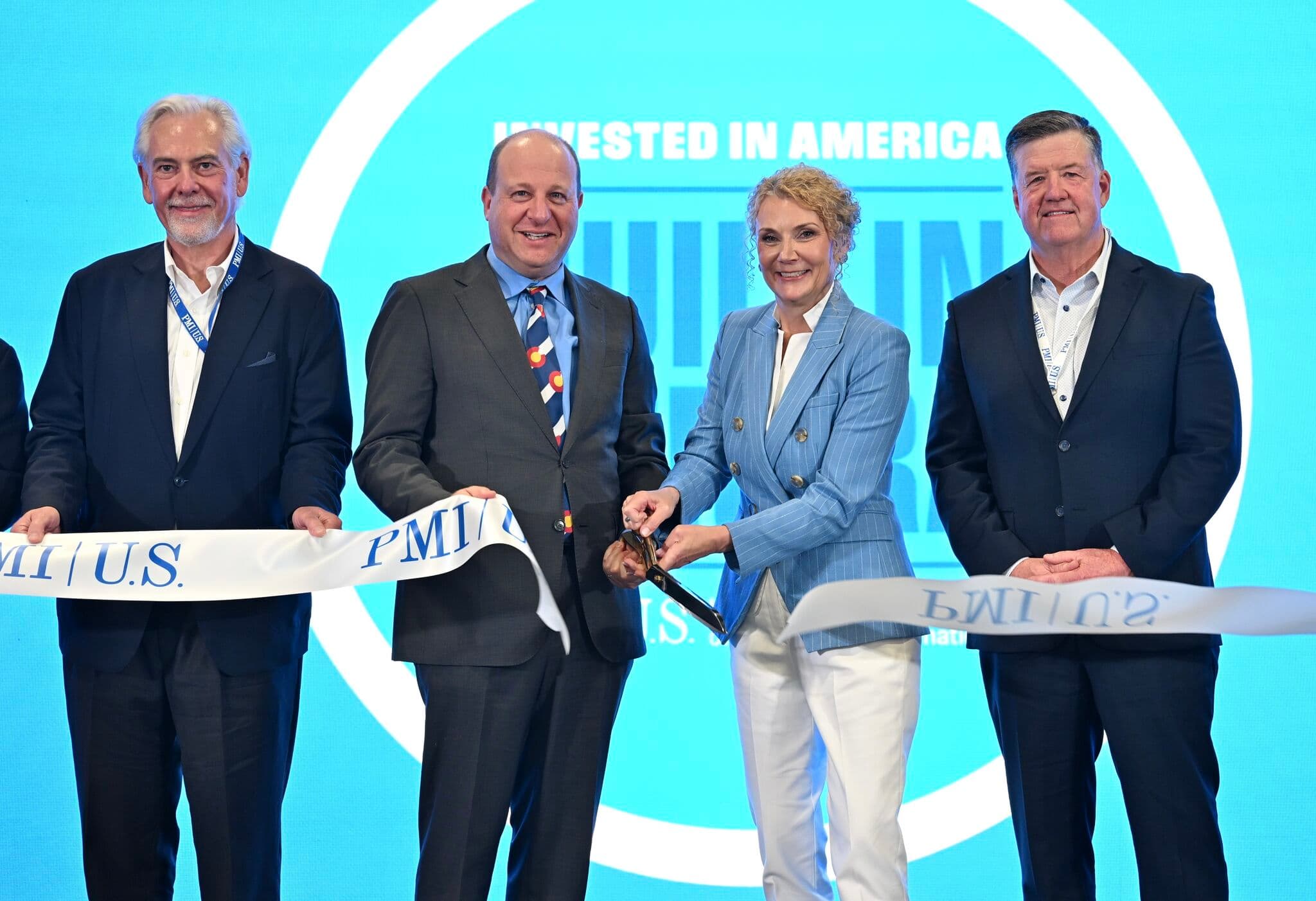
Philip Morris International (PMI) has announced plans to increase its investment in its Golden, Colorado operations to approximately US$1.2 billion, reinforcing the company’s long-term commitment to smoke-free products and expanding production capacity for its ZYN nicotine pouch brand.
The investment, announced on July 27, 2026, reflects PMI’s continued strategy of shifting its business away from combustible cigarettes and toward smoke-free alternatives, while strengthening its manufacturing and innovation capabilities in the United States.
Expanding PMI’s Colorado Operations
According to the company, the additional investment will bring the total amount committed to its Golden, Colorado, campus to around US$1.2 billion.
The facility serves as one of PMI’s key operational hubs in the U.S. and supports multiple aspects of the company’s smoke-free business, including:
- Manufacturing expansion
- Research and development
- Product innovation
- Production capacity for next-generation nicotine products
A significant portion of the investment is expected to support increased production of ZYN nicotine pouches, one of PMI’s fastest-growing smoke-free product categories.
The expansion is intended to help meet rising consumer demand while strengthening the company’s manufacturing infrastructure in North America.
Smoke-Free Products Remain Central to PMI’s Strategy
The latest investment aligns with PMI’s long-term “Smoke-Free Future” strategy, which aims to accelerate the transition from traditional combustible cigarettes to smoke-free alternatives.
Over the past several years, PMI has steadily expanded its portfolio of reduced-risk products, focusing on categories that include:
- IQOS heated tobacco devices
- ZYN nicotine pouches
- Other smoke-free nicotine products
The company has repeatedly stated that future growth will increasingly be driven by these alternative product categories rather than conventional cigarettes.
By expanding its U.S. production capacity, PMI is positioning itself to support growing demand while continuing to invest in product development and innovation.
ZYN Continues to Gain Momentum
Among PMI’s smoke-free brands, ZYN has become one of the company’s strongest growth drivers.
Nicotine pouches have experienced rapid expansion in several markets, particularly in North America, where demand has increased as consumers seek smoke-free and tobacco leaf-free nicotine alternatives.
The additional manufacturing capacity in Colorado is expected to improve production efficiency, strengthen supply capabilities, and support future market growth.
Tobacco Industry Increasingly Focused on Infrastructure
PMI’s latest announcement reflects a broader trend across the global tobacco industry.
As cigarette consumption declines in many developed markets, leading tobacco companies are reallocating resources toward next-generation nicotine products and the infrastructure required to support them.
Recent investment priorities across the industry have included:
- Research and development
- Manufacturing facilities
- Retail and distribution networks
- Consumer engagement
- Digital technologies
- Supply chain expansion
Major international tobacco companies, including British American Tobacco and Japan Tobacco, have also increased investments in smoke-free products as competition shifts toward emerging nicotine categories.
The U.S. Market Remains Strategically Important
The United States has become one of the world’s most significant markets for smoke-free nicotine products, making it a strategic priority for global tobacco manufacturers.
PMI’s expanded investment in Colorado underscores the company’s commitment to strengthening its presence in the U.S. and supporting long-term growth through domestic production and innovation.
At the same time, success in the market will continue to depend on navigating a complex regulatory environment. Manufacturers must comply with evolving federal and state requirements covering product authorization, marketing, consumer protection, and public health regulations.
Looking Ahead
PMI’s decision to raise its Colorado investment to US$1.2 billion demonstrates the company’s confidence in the long-term potential of smoke-free products, particularly nicotine pouches such as ZYN.
As the global nicotine industry continues to evolve, competition is increasingly centered on innovation, manufacturing capacity, regulatory compliance, and consumer engagement rather than traditional cigarette sales alone.
For PMI, expanding its production footprint in the United States represents another step in its broader transformation toward a smoke-free business model. Whether that strategy delivers sustained long-term growth will depend on continued product innovation, changing consumer preferences, and the evolving regulatory landscape across key international markets.