









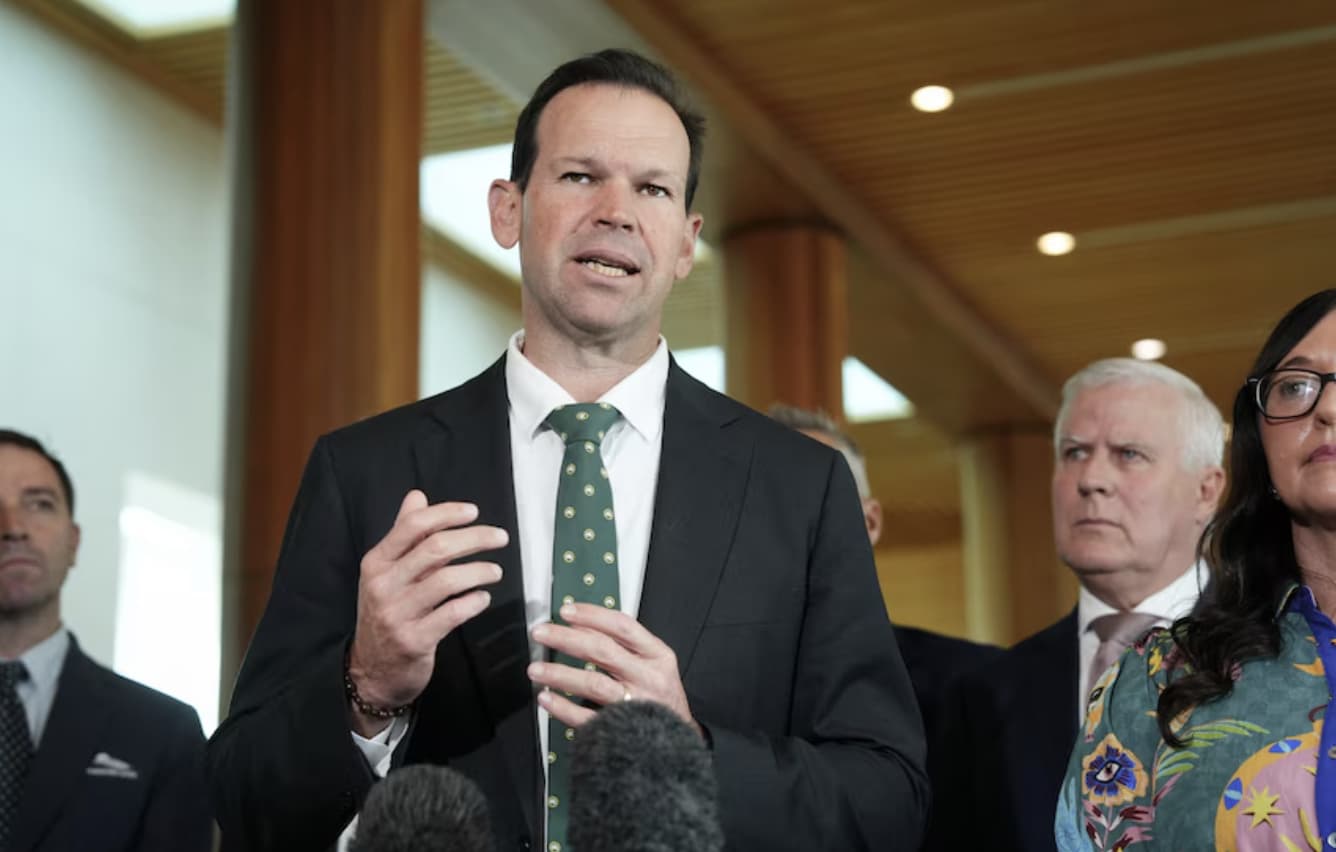
The opposition party argues that lowering legal cigarette prices could reduce the gap with illicit tobacco, weaken criminal networks, and bring consumers back into regulated channels.
August 18, 2026 – Australia’s One Nation party has put forward a sweeping proposal to slash the country’s tobacco excise by approximately 75% , arguing that decades of rising taxes have inadvertently fueled the growth of illicit tobacco markets.
According to ABC News reporting on August 18, One Nation leader Pauline Hanson unveiled the policy position as a direct challenge to Australia’s long-standing approach to tobacco taxation. The party contends that high legal prices have created a significant price gap between legitimate cigarettes and black-market alternatives, driving consumers toward illegal sources.
The proposal remains a party policy position and has not been adopted by the Australian federal government, nor has it entered the formal legislative process.
The Core Argument: Lower Taxes to Undercut the Black Market
One Nation’s central thesis is straightforward: high tobacco taxes have increased the price differential between legal and illicit tobacco, creating an economic incentive for consumers to turn to cheaper illegal sources. Read tobacco policy news here.
The party argues that:
-
Reducing legal cigarette prices could bring some consumers back into regulated channels
-
Lower prices would weaken illicit demand and reduce profits for criminal networks
-
Legitimate retailers could recover market share currently lost to the black market
News24 reported that One Nation wants to use lower excise rates to restore competitiveness between legal tobacco products and illicit markets.
However, the proposal’s fiscal impact, tax structure implications, and long-term effect on tobacco consumption have not been formally assessed by the Australian government.
Proposal Comes Amid Expanded Illicit Tobacco Enforcement
The tax-cut proposal arrives at a time when Australia is strengthening enforcement against illicit tobacco and vape supply chains across multiple fronts.
In recent years, the Australian Border Force, Australian Federal Police, and state agencies have significantly expanded operations targeting:
-
Illegal imports
-
Storage facilities
-
Logistics networks
-
Distribution channels
-
Retail outlets
Recent enforcement actions have shown authorities moving beyond product seizures toward investigations into criminal networks and their operating structures, including alleged use of logistics systems, commercial facilities, and retail channels.
One Nation’s proposal therefore presents a fundamentally different policy approach:
| Current Enforcement Strategy | One Nation’s Alternative |
|---|---|
| Focus on disrupting illicit supply chains | Focus on reducing economic incentive for illicit trade |
| Seizures and criminal investigations | Price reduction to narrow legal-illegal gap |
| Supply-side intervention | Demand-side intervention |
The debate places tobacco taxation at the centre of Australia’s broader discussion over how to address illegal markets.
Supporters and Critics Weigh In
Supporters’ Perspective
Proponents of tobacco tax reductions argue that excessive taxation can create unintended consequences:
-
When legal tobacco becomes significantly more expensive than illicit products, consumers shift toward unregulated sources
-
This shift reduces government revenue while strengthening criminal markets
-
Lower legal prices could recover market share for legitimate retailers
One Nation argues that this approach would reduce opportunities for illicit operators while maintaining government oversight of tobacco sales.
Critics’ Concerns
Public-health groups have traditionally opposed tobacco tax reductions, citing:
-
Higher tobacco prices are an important tool for reducing smoking rates
-
Cheaper cigarettes could increase affordability, particularly among younger and lower-income consumers
-
The public health cost of increased smoking could outweigh any tax revenue gains
The debate therefore extends beyond tax revenue and focuses on the balance between public health, government income, and illicit-market control.
Australia’s Tobacco Tax Policy Faces New Political Debate
Australia has maintained relatively high tobacco taxes for years and has used price measures as part of its broader tobacco-control strategy. However, the growth in illicit tobacco has become a major policy challenge.
| Policy Perspective | Position |
|---|---|
| Reform Supporters | Current approach should be reconsidered because high taxes may contribute to legal-market decline and illicit-market expansion |
| Reform Opponents | Solution lies in stronger enforcement, border controls, and supply-chain oversight—not lower tobacco prices |
| One Nation | Significant excise reduction (75%) is necessary to close the price gap with illicit tobacco |
One Nation’s proposal has not gained support from Australia’s major political parties and has not entered the formal legislative process.
What This Means for Australia’s Tobacco Landscape
The One Nation proposal highlights a growing tension in Australian tobacco policy:
-
Enforcement is expanding – Authorities are investing heavily in disrupting illicit supply chains
-
Black market persists – Despite enforcement efforts, illicit tobacco continues to grow
-
Tax policy is under scrutiny – Questions are emerging about whether high taxes are counterproductively fueling the black market
-
Public health vs. illicit control – Policymakers face a difficult trade-off between reducing smoking rates and weakening criminal networks
As Australia continues efforts to disrupt illicit tobacco markets, the question of how tobacco taxes should balance public-health goals, legal-market access, and black-market pressure is likely to remain a contested policy issue for the foreseeable future.
Looking Ahead
The One Nation proposal has not gained traction with major political parties, but it has injected a new perspective into Australia’s tobacco policy debate. Key developments to watch include:
-
Whether other parties or policymakers engage with the tax-cut argument
-
Further evidence on the relationship between tobacco prices and illicit market growth
-
The effectiveness of current enforcement strategies in reducing black-market supply
-
Public health data on smoking rates in response to any policy changes
For now, Australia’s high-tobacco-tax regime remains in place, and enforcement efforts continue to target illicit supply chains. But the debate over whether taxation is the right tool—or part of the problem—is far from settled.
Stay tuned for continued coverage of Australia’s tobacco tax policy and illicit market enforcement.