









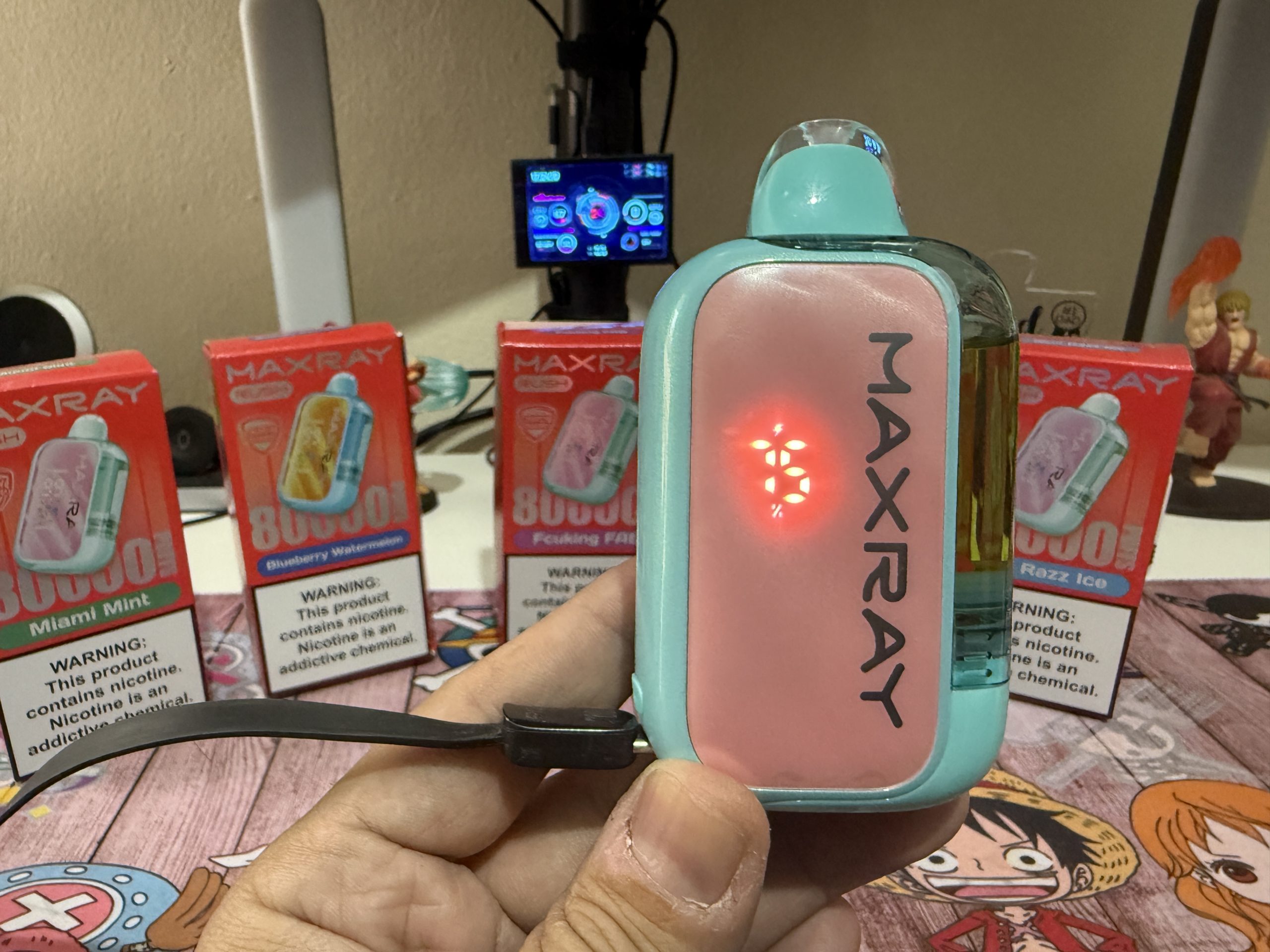
The UK vaping market is preparing for another major regulatory change, with new restrictions scheduled to take effect on October 29, 2026. The measures will extend age-of-sale controls to a wider range of vaping and nicotine products, restrict purchases made on behalf of under-18s, and introduce tighter rules for promotional offers and vending machines.
The changes form part of the Tobacco and Vapes Act 2026. For vape retailers, wholesalers and consumers, the new requirements mean that product sales, marketing campaigns and retail operations will need closer attention to legal compliance.
According to guidance from the UK Department of Health and Social Care, the new provisions apply across England, Wales, Scotland and Northern Ireland, although some existing rules and enforcement arrangements differ between the four nations.
Zero-Nicotine Vapes Will Also Face Age Restrictions
One of the most important changes is the extension of the minimum sales age to all vaping products, including devices and e-liquids that contain no nicotine.
From October 29, retailers will commit an offence if they sell a vaping product to anyone under 18. The rules cover online and physical sales, so e-commerce businesses will also need appropriate age-verification procedures.
In England, Wales and Northern Ireland, the change expands the previous framework, which primarily restricted the sale of nicotine-containing vaping products to adults. Scotland already had age restrictions covering both nicotine and nicotine-free vapes.
The updated framework also covers related vaping components, including coils and pods, under the government’s definition of vaping products.
For retailers, the practical message is straightforward: a product’s nicotine content will no longer determine whether it falls under the new age-of-sale rules.
Nicotine Pouches and Other Nicotine Products Included
The legislation also extends age restrictions to non-medicinal nicotine products that were not covered by the same nationwide age-of-sale framework previously.
Products within the new rules include:
- Tobacco-free nicotine pouches
- Dissolvable nicotine strips
- Nicotine pearls and similar products
- Products containing synthetic nicotine
From October 29, these products cannot legally be sold to customers under 18. The rules apply to both online and offline retailers.
Medical devices and medicinal products are excluded from the relevant restrictions. Licensed nicotine-replacement medicines should therefore be distinguished from consumer nicotine products such as nicotine pouches.
The wider scope reflects a regulatory approach that considers the product category, rather than focusing exclusively on traditional tobacco products or nicotine-containing vapes.
For a closer look at how the legislation affects oral nicotine products, read our guide to nicotine pouch laws in England and the changing requirements for retailers and adult consumers.
Adults Cannot Buy Vapes for Under-18s
The new rules also strengthen restrictions on proxy purchasing. From October 29, an adult aged 18 or over will commit an offence by buying, or attempting to buy, a vaping or nicotine product on behalf of someone under 18.
This means compliance responsibilities extend beyond the retailer completing the transaction. Adults purchasing products for younger people may also face legal consequences.
Retailers should make sure that employees understand the rules and know how to respond to suspected proxy purchases. Clear staff procedures and consistent age checks can help reduce the risk of unlawful sales.
The government’s published guidance states that selling covered products to under-18s can result in a fixed penalty notice or prosecution. The applicable penalties can vary by UK jurisdiction and offence.
Promotional Giveaways and Deep Discounts Face New Limits
Marketing practices will also be affected by the October 29 changes.
It will be an offence to give away a vaping or nicotine product for free when the purpose or effect is to promote that product. The restrictions also cover coupons and substantial discounts when they are used for promotional purposes.
This could affect several common retail marketing activities, including:
- Free vape devices or e-liquids offered to attract customers
- Promotional giveaways at retail locations or events
- Coupons distributed as part of a product campaign
- Substantial price reductions designed to promote vaping or nicotine products
However, the new rules should not be interpreted as a blanket ban on every discount. Whether a price reduction qualifies as substantial depends on the circumstances, including the scale and promotional purpose of the offer.
Certain exemptions may apply to qualifying smoking-cessation programmes operating under formal arrangements with public authorities. Businesses should consult the relevant government guidance before assuming that a promotion is permitted.
Retailers will need to review their advertising materials, loyalty schemes, coupon campaigns and product sampling practices before the rules take effect.
Vending Machines Selling Vapes Will Be Restricted
Another significant change concerns vending machines.
From October 29, the new provisions will prohibit vending-machine sales of covered vaping and nicotine products in the circumstances specified by the legislation. The restrictions also extend to other products covered by the relevant vending-machine rules, including tobacco products, herbal smoking products and cigarette papers.
The rules focus on whether customers can obtain covered products from a machine on the premises. A machine does not necessarily have to be removed if consumers cannot access it and it is used only for permitted staff functions, such as storage or fulfilment.
Businesses operating vending equipment should assess how customers access products, where machines are located and whether their current arrangements comply with the new requirements.
The change adds another compliance consideration for retailers that use automated sales systems or unattended retail locations.
What Vape Retailers Should Do Before October 29
Businesses should begin reviewing their operations before the implementation date rather than waiting until the new rules come into force.
1. Update age-verification procedures. Check that online and in-store sales processes cover nicotine-free vapes as well as the wider range of nicotine products.
2. Train employees. Make sure staff understand the restrictions on underage sales and purchases made on behalf of minors.
3. Audit promotional campaigns. Review free samples, giveaways, coupons and substantial promotional discounts to identify offers that may no longer be permitted.
4. Check vending-machine arrangements. Confirm whether any machines on business premises fall within the new restrictions and make the necessary changes.
5. Review supplier and retailer policies. Wholesalers, distributors and retail partners should understand which products are covered and how the changes affect their respective responsibilities.
The official UK government guidance on selling vaping and nicotine products provides further details on the new age-of-sale rules and promotional restrictions.
Retailers preparing for the new rules should also review our guide to UK e-cigarette retail regulations taking effect on October 29, which explains the practical implications of age verification, promotional giveaways and discount restrictions.
A Wider Regulatory Shift for the UK Vaping Industry
The October 29 measures arrive during a period of broader change for the UK vaping sector. Vaping Products Duty took effect on October 1, 2026, introducing a duty of £2.20 per 10 millilitres of vaping liquid. The new age, promotion and vending-machine provisions follow later in the same month.
Together, these measures create additional responsibilities for manufacturers, importers, distributors and retailers. Businesses may need to reassess pricing, promotional strategies, age checks and the way products are presented and sold.
Further elements of the Tobacco and Vapes Act 2026 depend on additional regulations or implementation steps. Companies should therefore distinguish provisions taking effect on October 29 from measures that require further action before becoming operational.
For consumers, the immediate change is that the minimum age of 18 will apply to a broader range of vaping and non-medicinal nicotine products. For businesses, preparation and accurate interpretation of the rules will be essential to maintaining compliant sales practices.
The key takeaway: October 29, 2026, marks an important date for UK vape regulation. Retailers should review their procedures now, follow official government updates and ensure their sales and marketing practices comply with the rules that apply to their business.