









A modern TV box needs to do more than simply bring Android apps to a television. Smooth 4K playback, reliable wireless connectivity, flexible storage, and support for advanced audio and video formats all contribute to a better home entertainment experience. The Dolby RT-G2 NEXT TV Box aims to cover these needs with an Amlogic S905X5M-J processor, Android 14, 4GB of RAM, 64GB of internal storage, and support for Dolby Vision and Dolby Atmos.
It also includes Wi-Fi 6, Gigabit Ethernet, Bluetooth 5.2, and an AI-powered image enhancement feature. On paper, this combination makes it an interesting option for users looking to upgrade an older television or build a more flexible streaming setup.
But what do these specifications actually mean in everyday use? Here’s a closer look at the Dolby RT-G2 NEXT TV Box and the features that deserve attention before buying.
If you are comparing Android 14 media players, take a look at our X96 Lite Android 14 TV Box review for another budget-friendly 4K option.
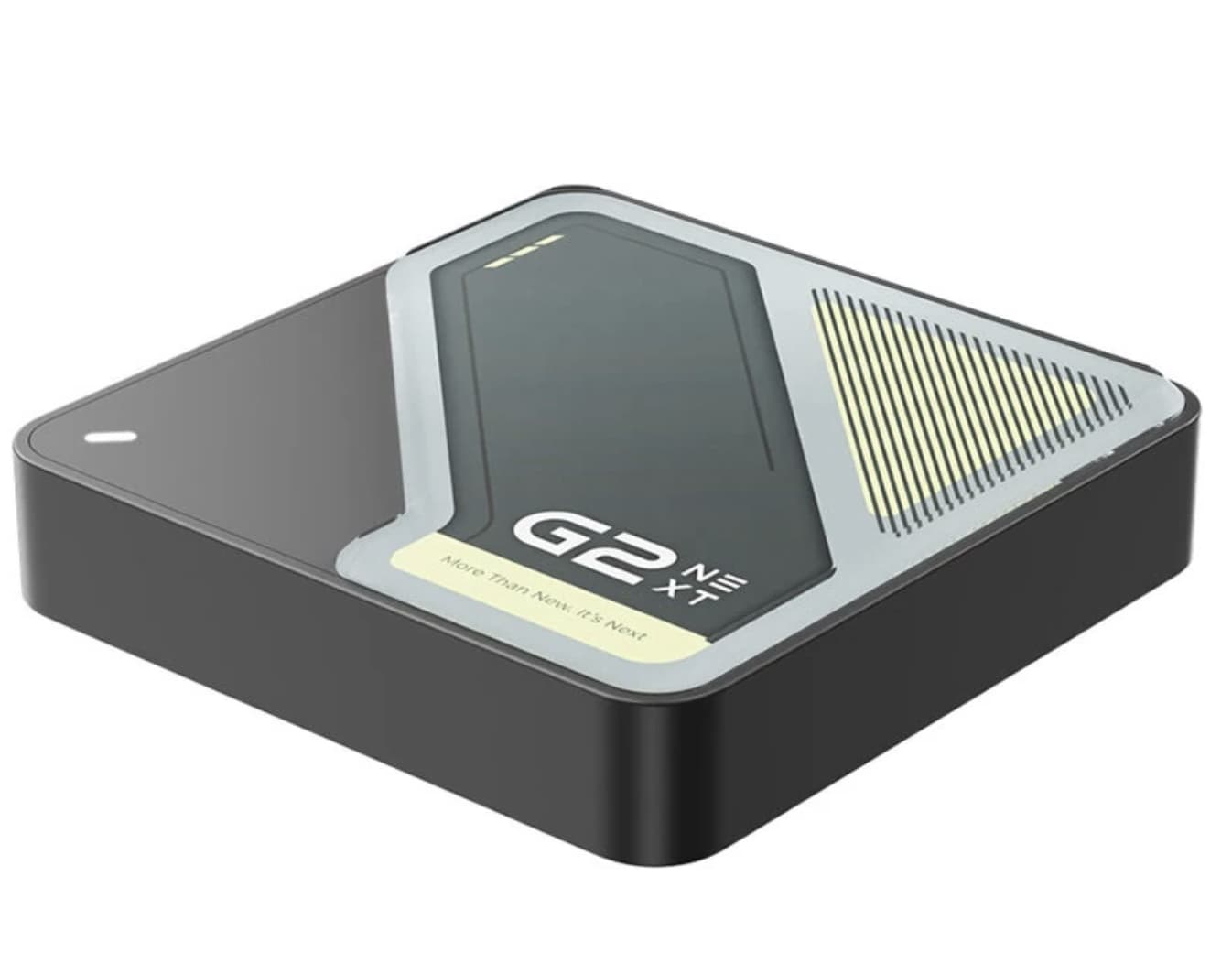
Amlogic S905X5M-J: The Hardware Behind the Streaming Experience
At the heart of the Dolby RT-G2 NEXT is the Amlogic S905X5M-J chipset, a 6nm processor featuring four ARM Cortex-A55 CPU cores with a reported maximum frequency of 2.5GHz. Graphics are handled by the Mali-G310 V2 GPU.
This hardware platform is designed for media playback, everyday Android applications, and general smart TV functions rather than demanding console-style gaming. It should provide the processing foundation for navigating menus, launching streaming applications, and handling compatible high-resolution video content.
The TV box also advertises an integrated AI NPU. This hardware is intended to support AI-related processing, including the product’s advertised AI Super Resolution feature. Actual improvements will depend on the source video, software implementation, and display quality.
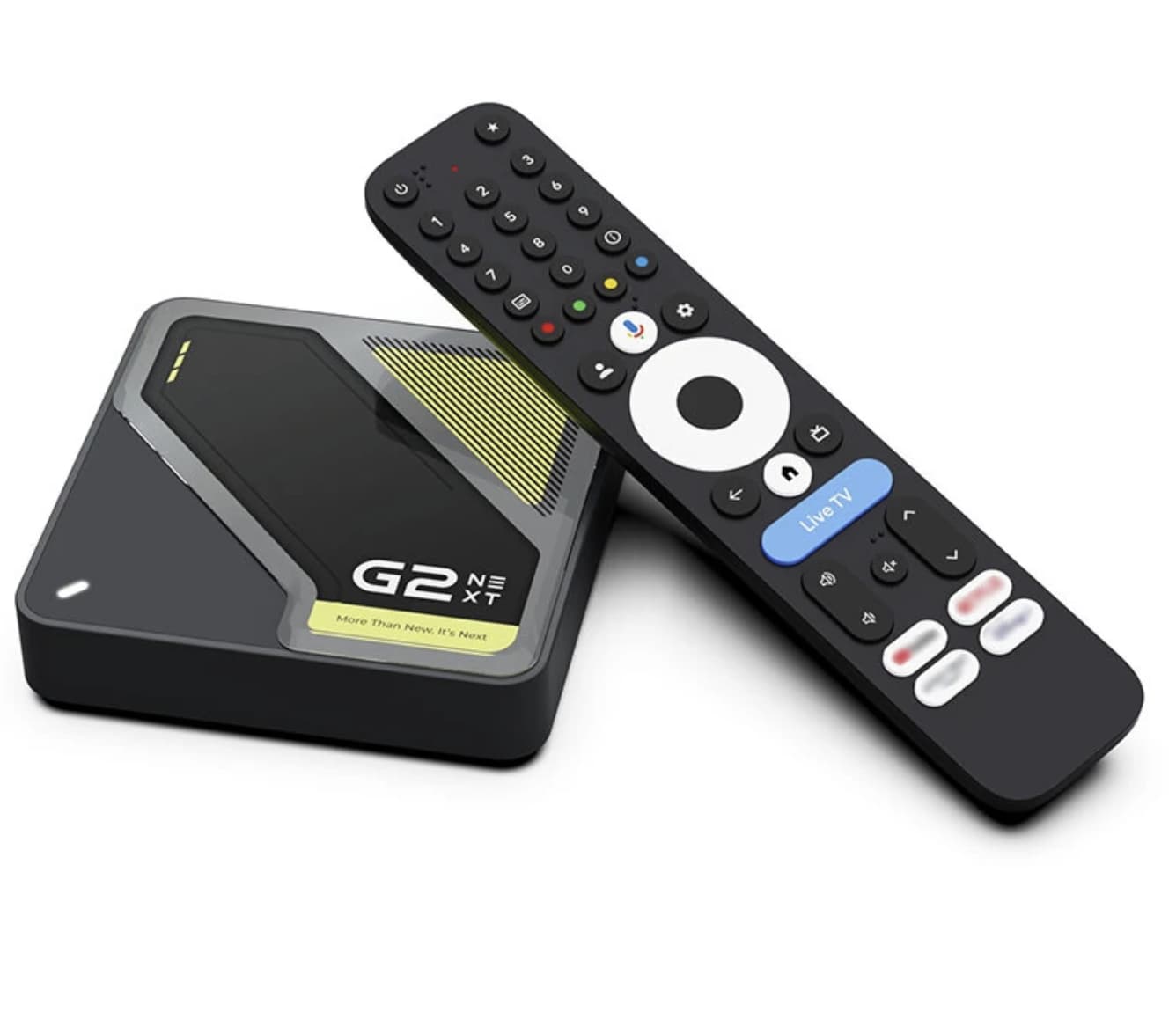
4K Dolby Vision and HDR: A More Detailed Picture
Picture quality is one of the main selling points of the Dolby RT-G2 NEXT TV Box. The device advertises 4K output at up to 60 frames per second, together with support for Dolby Vision and HDR10+.
These formats can improve the viewing experience by providing compatible televisions with additional picture information for highlights, shadows, and color reproduction. Dolby Vision uses dynamic metadata to help compatible displays optimize image presentation from scene to scene, while HDR10+ offers a similar dynamic-metadata approach.
The box also lists HDMI 2.1b-related features, including VRR, QMS, QFT, ALLM, eARC, and SBTM. However, the availability of individual features depends on the connected television, HDMI equipment, firmware, and content source. Buyers should not assume every listed HDMI function will work in every setup.
One important distinction is that a device’s ability to output 4K does not automatically guarantee that every streaming service will deliver 4K video. App certification, DRM support, subscription level, and regional service restrictions can all affect playback quality.
Dolby Atmos and Flexible Audio Support
For users who care about sound as much as picture quality, the Dolby RT-G2 NEXT advertises Dolby Atmos, Dolby Digital Plus, and DTS-HD support.
Dolby Atmos can provide a more immersive audio experience when paired with compatible content and a suitable soundbar or AV receiver. Instead of relying exclusively on traditional surround channels, Atmos can incorporate height information to create a more three-dimensional soundstage.
The device also lists support for 5.1 and 7.1 audio downmixing, which may help when connecting equipment with different audio capabilities.
As with video formats, audio support depends on the source material, application, connection method, and connected audio system. A compatible receiver or soundbar is needed to experience the full benefits of advanced surround formats.
Android 14 with 4GB RAM and 64GB Storage
The Dolby RT-G2 NEXT TV Box runs Android 14 and comes with 4GB of RAM and 64GB of internal storage.
This memory configuration provides more room for applications and local media than entry-level TV boxes with limited storage. Users can install supported streaming applications, organize their entertainment apps, and keep additional files on the device.
The box also includes a TF card slot that reportedly supports cards up to 128GB. This offers another way to expand storage, although actual compatibility may depend on the card format and software support.
Android 14 provides the operating-system foundation, but buyers should check which television applications are available and whether the device has the certifications required by their preferred services. In particular, Google certification, Widevine DRM level, and Netflix or Prime Video 4K certification should be confirmed with the seller before purchase.
Another device worth comparing is the HS86 Pro Android 14 TV Box, which offers a different processor and memory configuration.
These details matter because an Android TV box may support 4K output through HDMI while still being limited to lower resolutions in certain streaming applications.
Wi-Fi 6, Bluetooth 5.2, and Gigabit Ethernet
A streaming device is only as useful as its network connection. The Dolby RT-G2 NEXT offers several connectivity options for different home environments.
Its advertised wireless features include Wi-Fi 6 with 2.4GHz and 5GHz support and a 2T2R MIMO configuration. Wi-Fi 6 can improve network efficiency and help compatible devices handle busy wireless environments, although real-world performance depends on router support, signal strength, interference, and internet speed.
For a more stable connection, the device includes a Gigabit Ethernet port supporting 10/100/1000Mbps. A wired connection can be particularly useful when streaming high-bitrate video or when the TV box is installed close to a router.
Bluetooth 5.2 provides another connection option for compatible wireless accessories, such as headphones, speakers, keyboards, and other supported devices.
Ports and Expandability
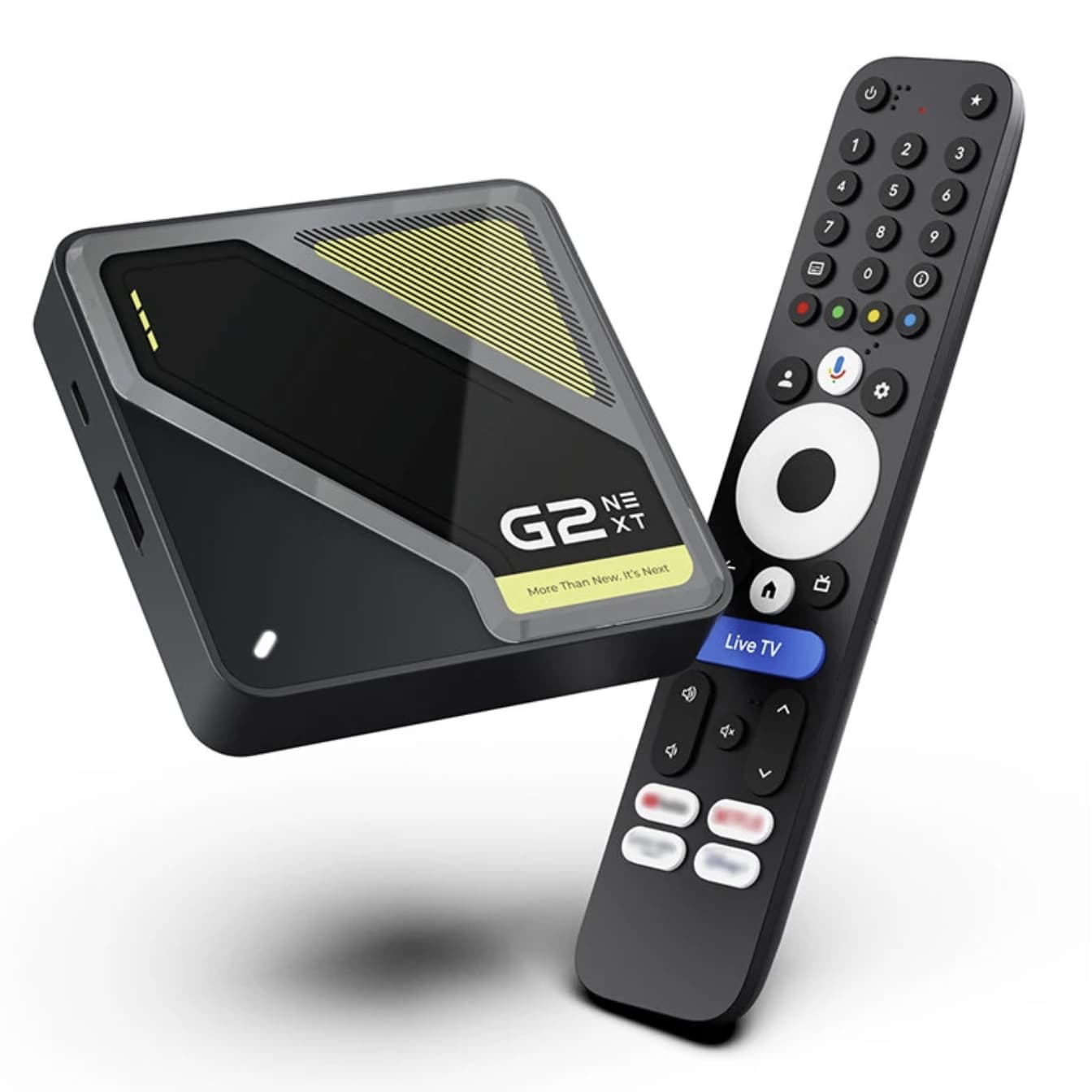
The Dolby RT-G2 NEXT is equipped with a selection of ports for connecting external devices and home entertainment equipment.
Its advertised interfaces include:
- HDMI 2.1b output
- One USB 2.0 port
- One USB-C port
- Gigabit Ethernet
- SPDIF audio output
- TF card slot supporting up to 128GB
The USB ports can be useful for connecting compatible storage devices and accessories. SPDIF provides an additional digital audio connection for supported sound systems, while the TF card slot offers extra storage flexibility.
The device uses a 5V/2A USB-C power input. Users should use the supplied power adapter or a compatible power source that meets the required specifications.
AI Super Resolution: Can It Improve Older Videos?
Another feature highlighted by the product is AI Super Resolution, also referred to as AI-powered image upscaling.
The idea is to improve the appearance of lower-resolution video when displayed on a 4K television. Rather than simply stretching every pixel, AI-based processing attempts to enhance image details and reduce the visual softness that can occur when older content is enlarged.
This feature may be useful for users who watch a mixture of modern 4K content and older videos. However, upscaling cannot recreate all the information missing from a low-quality source. Results will vary depending on the original video, processing settings, and implementation.
It is best viewed as an additional image-processing feature rather than a replacement for native 4K content.
Voice Remote for Easier Navigation
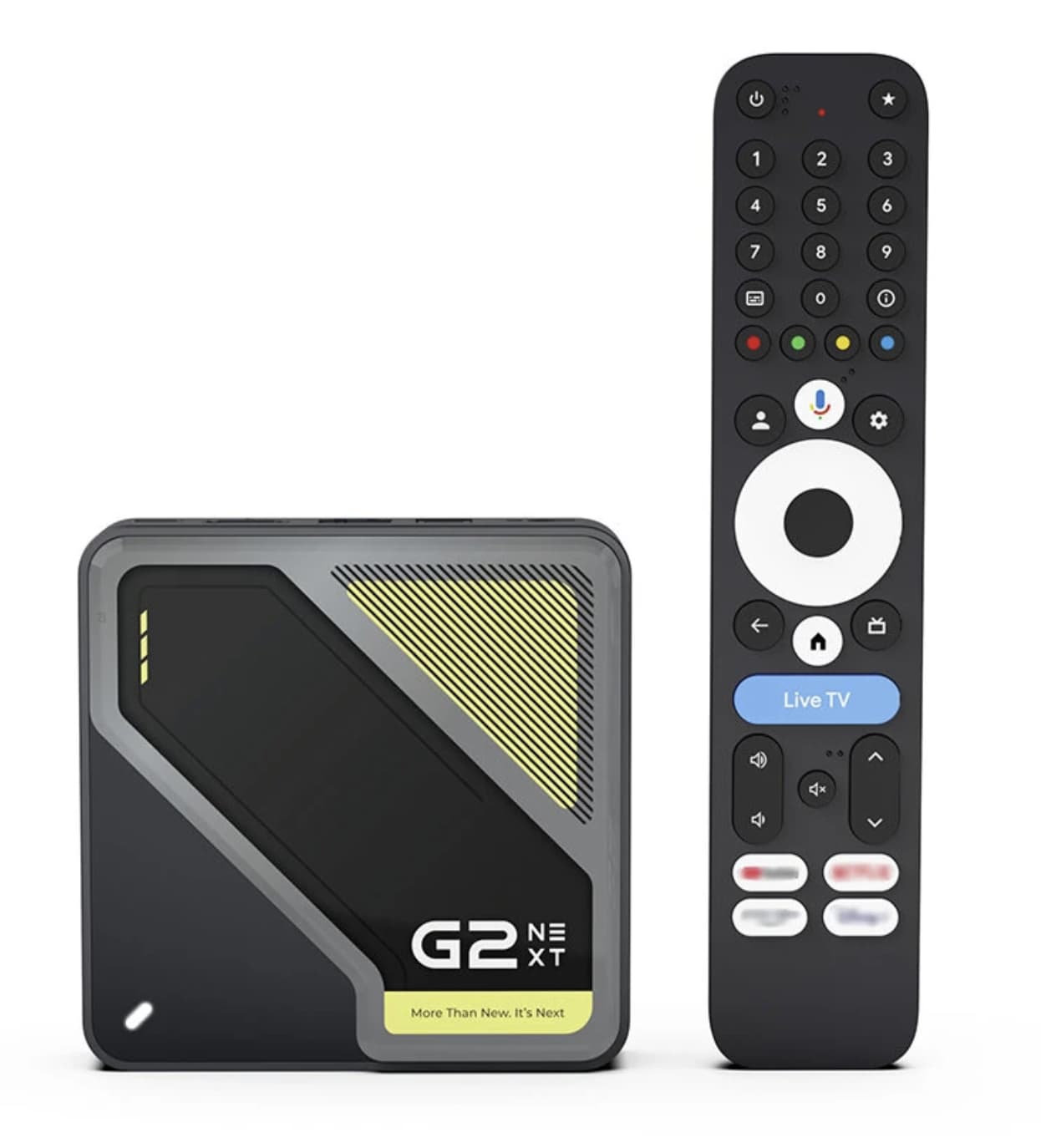
The Dolby RT-G2 NEXT package includes a voice remote, offering a more convenient way to navigate the interface and interact with supported functions.
Voice input can reduce the need to type search terms with an on-screen keyboard. It may also make it easier to find applications or content, depending on the operating system and available voice services.
The effectiveness of voice control depends on software integration, language support, microphone performance, and the applications being used.
Dolby RT-G2 NEXT TV Box Specifications
| Feature | Details |
|---|---|
| Product name | Dolby RT-G2 NEXT TV Box |
| Operating system | Android 14 |
| Processor | Amlogic S905X5M-J |
| CPU | Quad-core ARM Cortex-A55, up to 2.5GHz |
| Manufacturing process | 6nm |
| GPU | Mali-G310 V2 |
| Memory | 4GB RAM |
| Storage | 64GB |
| Video output | Up to 4K at 60fps |
| HDR formats | Dolby Vision, HDR10+ |
| Audio formats | Dolby Atmos, Dolby Digital Plus, DTS-HD |
| Wireless connectivity | Wi-Fi 6, 2.4GHz/5GHz |
| Bluetooth | Bluetooth 5.2 |
| Wired network | Gigabit Ethernet |
| HDMI | HDMI 2.1b |
| Other ports | USB 2.0, USB-C, SPDIF, TF card slot |
| TF card support | Up to 128GB |
| Additional feature | AI NPU and AI Super Resolution |
| Remote control | Voice remote |
Specifications are based on the product listing. Actual feature availability may depend on firmware, connected equipment, applications, and regional compatibility.
Is the Dolby RT-G2 NEXT TV Box Worth Considering?
Dolby RT-G2 NEXT TV Box brings together several features that make it worth examining as a home entertainment upgrade. Its Amlogic S905X5M-J processor, 4GB RAM, and 64GB storage provide a solid specification base for everyday media use. Support for 4K output, Dolby Vision, Dolby Atmos, Wi-Fi 6, and Gigabit Ethernet also gives it a broad feature set.
Its biggest appeal is the combination of video, audio, and connectivity options in one compact streaming device. The AI Super Resolution feature may also be useful for people who regularly watch older or lower-resolution content.
There are, however, a few things to verify before placing an order. Buyers who rely on Netflix, Prime Video, or other premium streaming platforms should confirm the device’s official app certification and DRM support. They should also check whether the specific Dolby Vision and Dolby Atmos functions work with their television and audio equipment.
Overall, the Dolby RT-G2 NEXT TV Box looks like a feature-rich Android 14 media player on paper. Its real value will depend not only on the hardware specifications but also on software stability, streaming-service compatibility, and how well its advertised features perform in a particular home setup.