









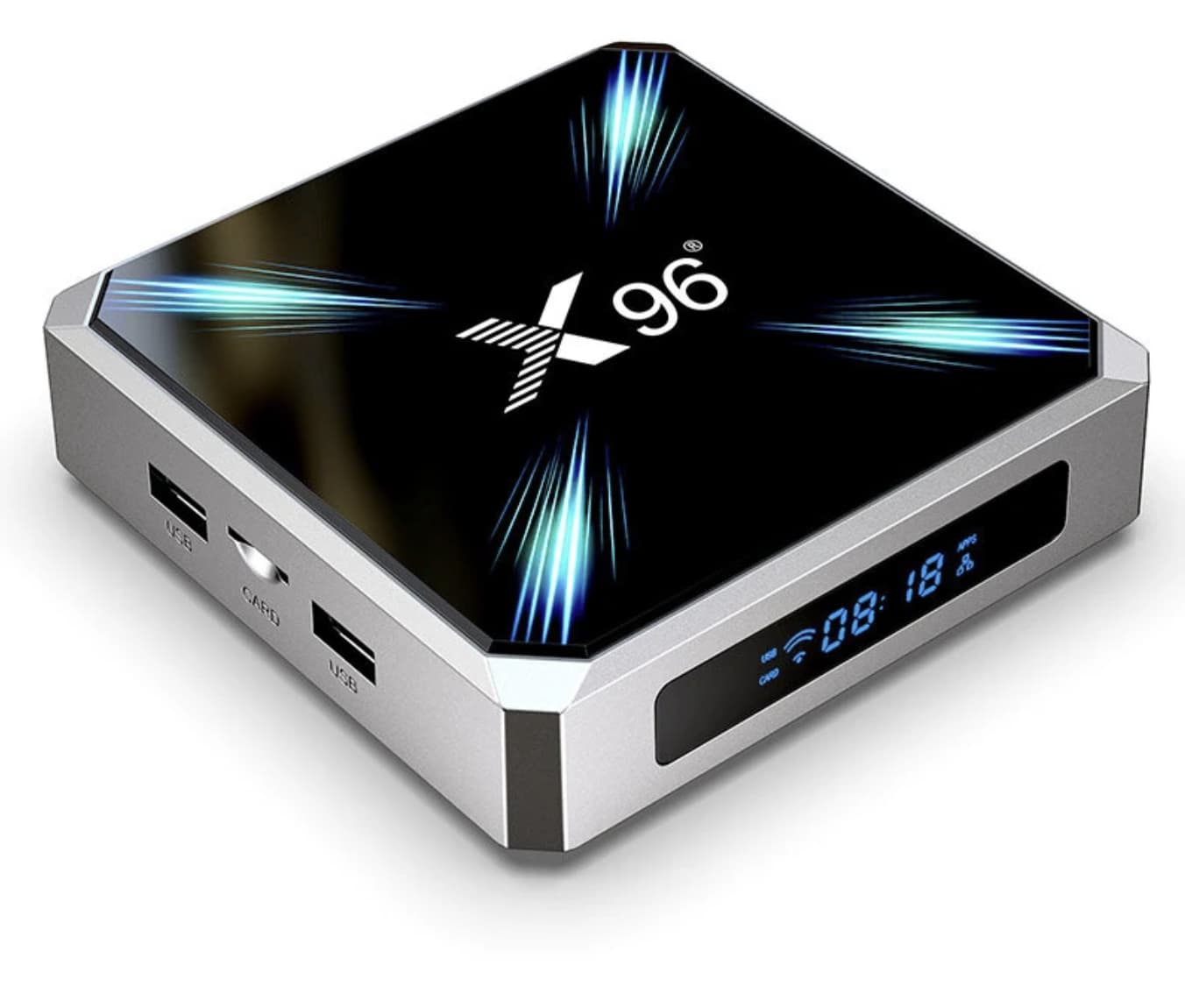
Upgrading an older television does not always require buying a new smart TV. A compact streaming box can add internet connectivity, local media playback, and access to compatible Android applications to an existing screen. The X96 Lite Android 14 TV Box takes this approach, combining 4K video decoding, a quad-core processor, dual-band wireless connectivity, and multiple physical ports in a small entertainment device.
Available through online retailers such as Banggood, the X96 Lite is offered in a 2GB RAM and 16GB storage configuration. It uses the Allwinner H626 processor and supports modern video formats, including AV1 and H.265. These specifications make it worth considering for users who want an inexpensive media player for a secondary television, a bedroom setup, or a home media collection.
However, impressive specifications do not automatically guarantee a premium streaming experience. Memory capacity, application compatibility, digital rights management, and network performance all influence how well a TV box works in everyday use.
If you are comparing affordable Android-based media players, our HS86 Pro Android 14 TV Box review offers another look at a compact entertainment device with 4K HDR10+ support and Wi-Fi 6 connectivity.
X96 Lite TV Box: Key Specifications at a Glance
The X96 Lite focuses on essential media playback features rather than high-end gaming or demanding applications.
| Specification | Details |
|---|---|
| Product name | X96 Lite |
| Operating system | Android 14 |
| Processor | Allwinner H626 |
| CPU architecture | Quad-core ARM Cortex-A55 |
| Graphics processor | Mali-G310 |
| RAM | 2GB |
| Internal storage | 16GB |
| Video decoding | AV1, H.265, VP9, and other formats |
| Maximum advertised video decoding | Up to 4K at 60fps for supported codecs |
| Wireless connectivity | Dual-band Wi-Fi; Wi-Fi 6 support is advertised |
| Bluetooth | Bluetooth 5.0 or later, according to the listing |
| HDMI output | Advertised as HDMI 2.1 |
| USB ports | 1 × USB 3.0 and 2 × USB 2.0 |
| Wired networking | Ethernet; Gigabit Ethernet listed as the default configuration |
| Additional connections | TF card slot and SPDIF audio output |
| Typical configuration reviewed | 2GB RAM + 16GB storage |
Specifications are based on the product listing. Actual capabilities can depend on the hardware configuration, firmware, connected display, and supported media format.
Allwinner H626 Processor: What Can You Expect?
At the heart of the X96 Lite is the Allwinner H626, a quad-core processor built around ARM Cortex-A55 CPU cores. Graphics processing is handled by the Mali-G310 GPU.
This hardware platform is designed for compact media devices, where efficient video decoding and everyday system operations matter more than desktop-class computing performance.
For basic entertainment tasks, the processor should be suitable for activities such as navigating a media interface, playing compatible local video files, browsing lightweight applications, and handling supported streaming formats.
The X96 Lite is not intended to replace a gaming console or a high-performance mini PC. Its 2GB of RAM also places limits on how many applications can remain active simultaneously. Users who frequently switch between demanding apps may find the experience less responsive than on a device with more memory.
The important distinction is that the H626’s video-decoding capabilities and the box’s overall processing performance are not the same thing. A device can decode a high-resolution video stream without necessarily delivering equally smooth performance in every application.
4K at 60fps and AV1 Decoding for Modern Video
Video compatibility is one of the X96 Lite’s main attractions.
The product specifications list support for AV1, H.265, VP9, and several other video formats. For supported codecs, the hardware is advertised as capable of decoding video at resolutions up to 4K and frame rates up to 60fps.
This can be useful for playing compatible high-resolution files from local storage or a network media library.
Why AV1 Support Matters
AV1 is a modern video codec designed to deliver efficient compression while maintaining good visual quality. Compared with older encoding formats, it can reduce the amount of data required for certain video streams at a comparable quality level.
For users with limited internet bandwidth or large media collections, AV1 compatibility can be a useful advantage.
However, codec support alone does not guarantee that every online video service will stream in 4K. The application must support the device, the content must be available in the relevant format, and the service’s security and certification requirements must also be satisfied.
Understanding the 4K and HDR Claims
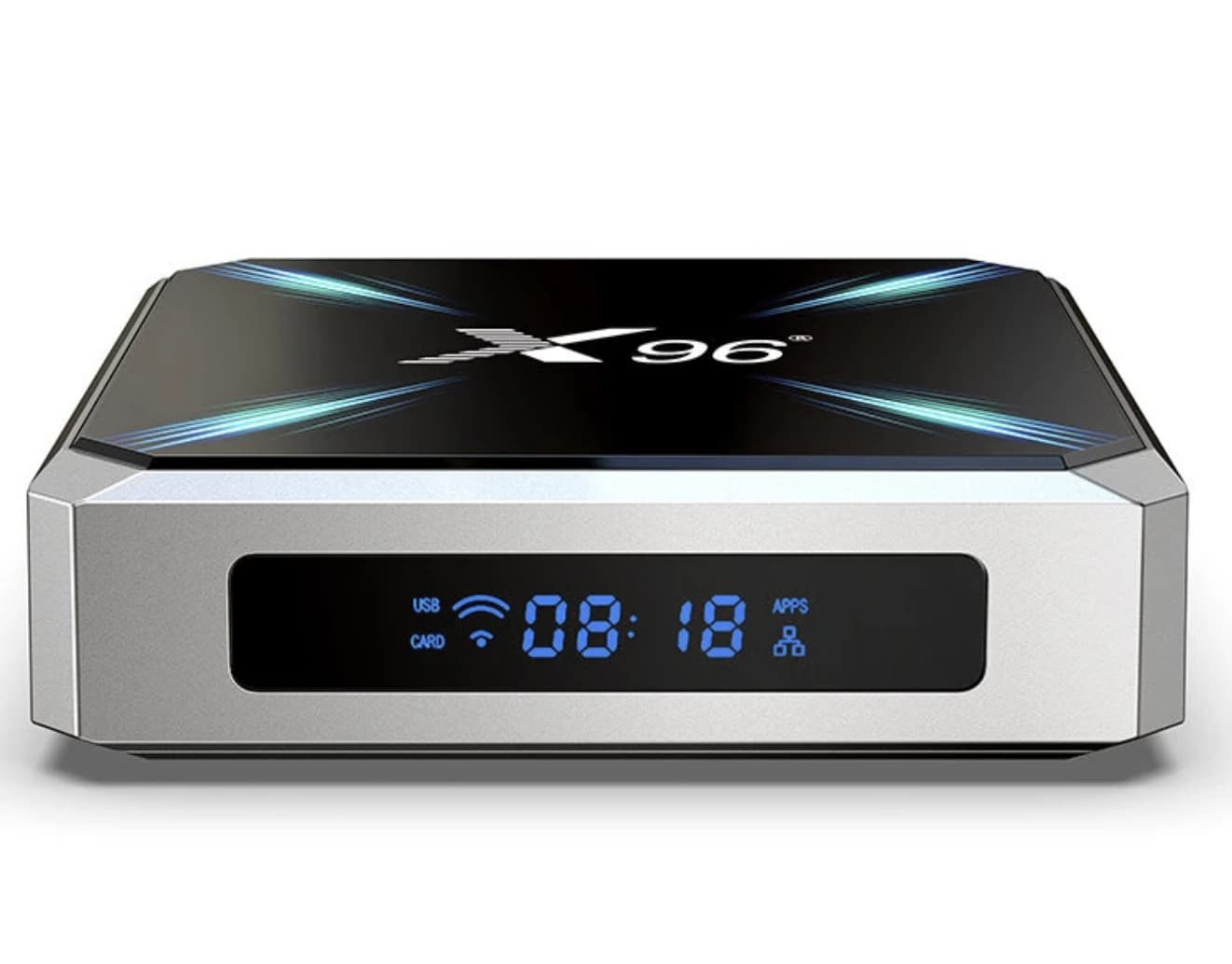
The X96 Lite is marketed as a 4K UHD media player with HDR support. It may therefore be suitable for compatible 4K video files and supported high-resolution playback applications.
There are several important distinctions to keep in mind:
- 4K decoding: The hardware can process supported video formats at the advertised resolution.
- 4K output: The connected television must support the selected resolution and refresh rate.
- HDR playback: The source, application, firmware, and television must all support the relevant HDR format.
- Premium streaming quality: Services such as Netflix may impose additional certification and DRM requirements.
Before purchasing the X96 Lite specifically for premium streaming, verify that the services you use support the device at your desired resolution. Independent coverage of the H626-based X96 Lite has raised concerns about the absence of the DRM certifications required for high-quality Netflix and similar streaming playback.
This is an important limitation for anyone buying a TV box primarily to watch subscription streaming services.
Android 14: A Familiar Software Environment
The X96 Lite runs Android 14, providing a relatively modern Android software foundation for its media-player functions.
The system is intended to support compatible applications, local media tools, and other entertainment software. Users can potentially configure the box for different purposes, from video playback to displaying personal media collections.
However, Android 14 does not automatically mean the device runs Google-certified Android TV or Google TV.
These are important distinctions. The Android version identifies the underlying operating system, while Android TV and Google TV are television-focused software platforms with their own interfaces, compatibility considerations, and certification requirements.
The product listing does not establish that the X96 Lite is Google-certified. Buyers should therefore avoid assuming that every application will be available through the Play Store or operate exactly as it would on a certified streaming device.
Application compatibility should be checked before purchasing, particularly for services that require certified hardware or specific remote-control support.
Wi-Fi 6 and Bluetooth Connectivity
A streaming box is only as useful as its ability to connect to a home network and communicate with other devices.
The X96 Lite advertises dual-band wireless connectivity across the 2.4GHz and 5GHz ranges, with Wi-Fi 6 support listed among its features.
The 2.4GHz band can offer better coverage over longer distances, while the 5GHz band can provide higher throughput in suitable conditions. Wi-Fi 6 support may also improve network efficiency when used with a compatible router.
Actual speeds and stability depend on the wireless hardware, router, signal strength, interference, and firmware. The Wi-Fi 6 label alone does not guarantee uninterrupted 4K streaming.
Bluetooth 5.x support provides another useful connection option. Compatible accessories may include wireless keyboards, controllers, speakers, and headphones, depending on application and system support.
For a TV setup that needs occasional text input or wireless audio, these connections can make the box more convenient than a basic wired media player.
Ethernet, USB and Expandable Storage
One advantage of the X96 Lite is its range of physical connections.
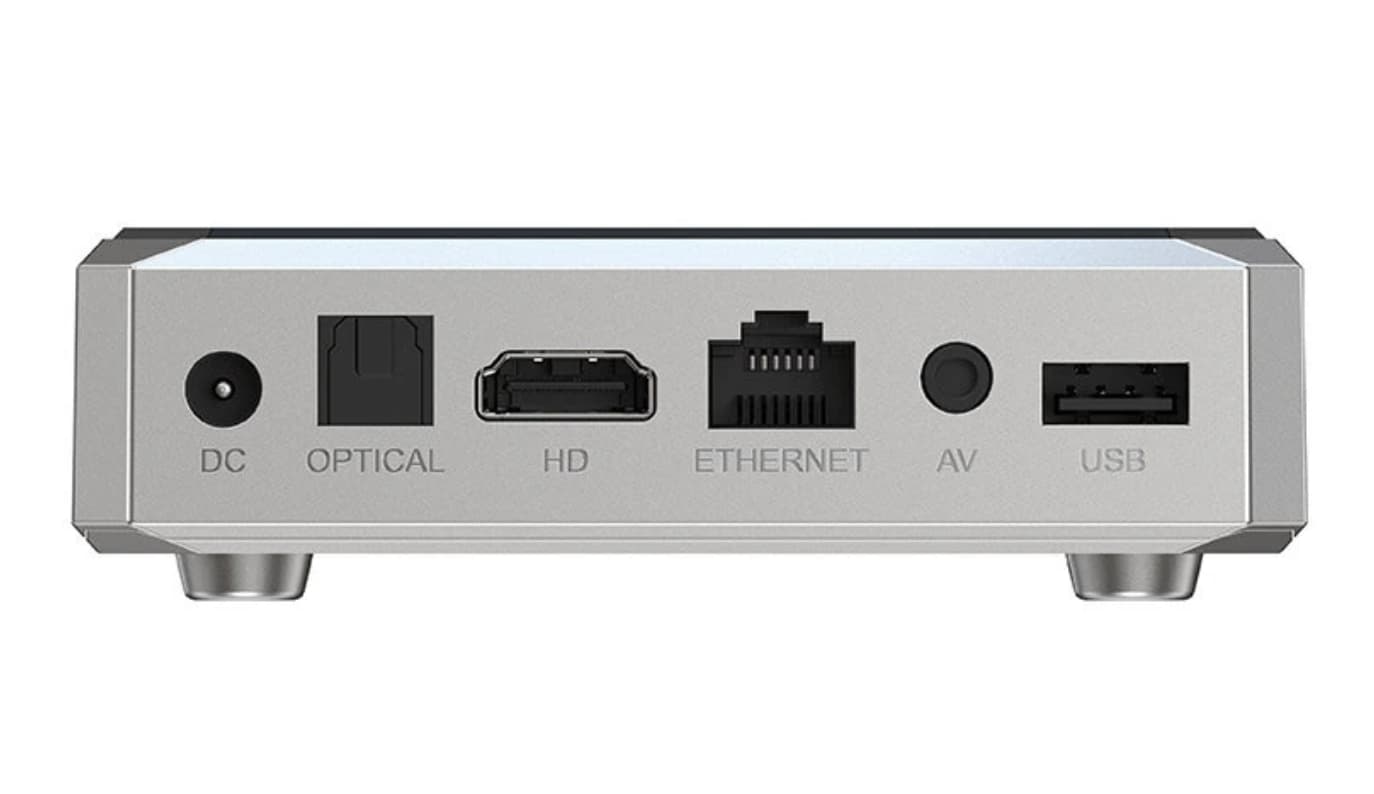
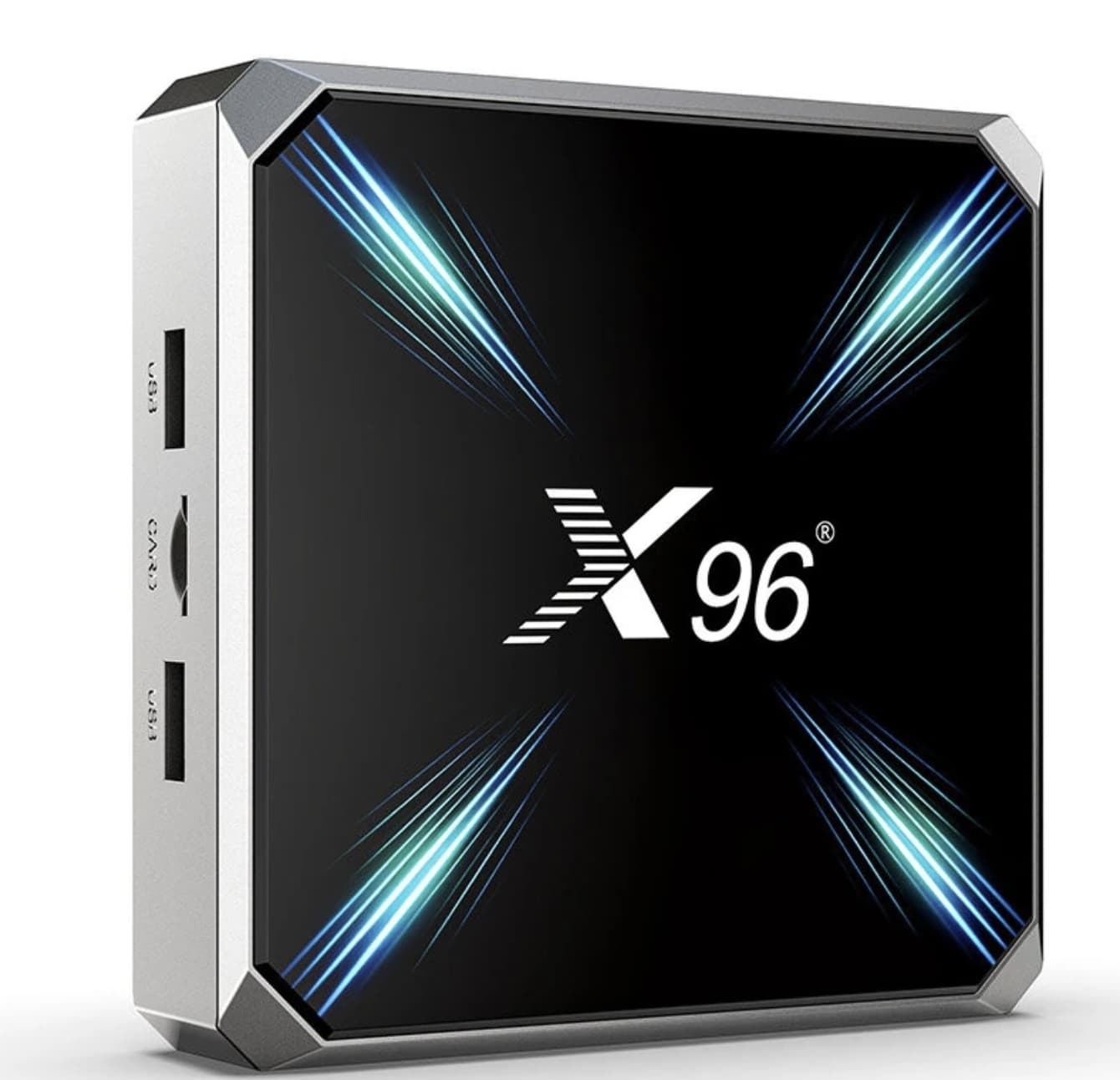
The advertised interface includes an Ethernet port, one USB 3.0 port, two USB 2.0 ports, a TF card slot, and an SPDIF digital audio output.
Ethernet for a More Stable Network Connection
For a television located near a router, wired networking can be a practical alternative to Wi-Fi.
The product listing identifies Gigabit Ethernet as the default configuration, although it also mentions an optional 100Mbps version. Buyers should confirm the exact Ethernet specification of the unit being sold.
A wired connection can help reduce wireless interference, but the actual transfer rate will still depend on the device, router, and network environment.
USB Ports for External Media
The USB ports allow compatible external storage devices and peripherals to be connected.
Possible uses include:
- Playing movies stored on a USB drive.
- Browsing personal photos and music.
- Connecting compatible keyboards or other accessories.
- Accessing supported files from external storage.
The USB 3.0 port is particularly useful when transferring or reading larger media files, although performance depends on the connected storage device and the box’s implementation.
Is 16GB of Storage Enough?
The standard configuration provides 16GB of internal storage, part of which is occupied by the operating system and preinstalled software.
This is relatively limited by modern standards. Installing numerous applications or downloading large files could quickly consume the available space.
The TF card slot and USB ports offer ways to access additional media storage, but external storage does not necessarily replace internal storage for application installation.
For users who primarily stream content or play files from external drives, 16GB may be adequate. Those who plan to install many applications should consider their storage requirements carefully.
Picture and Audio Output for a Home Entertainment Setup
The X96 Lite advertises HDMI output with support for high-resolution video and includes an SPDIF digital audio output.
HDMI provides the main connection to a compatible television or monitor. It carries digital video and can also transmit audio to supported equipment.
The SPDIF connection may be useful for compatible soundbars, receivers, or other audio systems. However, actual audio format support depends on the source, software, output configuration, and connected equipment.
The product listing also mentions PAL/NTSC composite video support. Because the availability of this output may depend on the hardware configuration, users with older televisions should confirm the exact connections on their unit before ordering.
For a modern television, HDMI will generally be the simplest connection method.
Can the X96 Lite Replace a Certified Streaming Device?
The answer depends on how you plan to use it.
If your priority is playing compatible local video files, connecting external storage, or experimenting with Android applications, the X96 Lite’s hardware offers a useful set of features.
If you primarily watch Netflix, Prime Video, Disney+, or other subscription services, the situation is more complicated.
Streaming platforms may restrict maximum resolution based on DRM certification, device approval, and application compatibility. A TV box that supports 4K decoding at the hardware level may still play protected online content at a lower resolution.
The X96 Lite’s advertised Android 14 software and AV1 decoding capabilities should therefore not be treated as proof of certified 4K streaming.
For buyers who want a straightforward subscription-streaming experience, a certified streaming device with clearly documented service compatibility may be a safer choice.
The X96 Lite also continues the X96 family’s focus on affordable home entertainment, following earlier products such as the X96 HD Smart TV Box, which offered 4K playback in an entry-level package.
Who Should Consider the X96 Lite Android 14 TV Box?
The X96 Lite is best evaluated as a budget-oriented media player rather than a universal smart-TV upgrade.
It May Suit You If:
- You want to play compatible 4K video files on an existing television.
- You maintain a personal collection of movies, music, or other media.
- You need USB and TF card access for local playback.
- You prefer having both Wi-Fi and Ethernet connectivity.
- You want to experiment with compatible Android applications.
- You are comfortable checking application compatibility before purchasing.
Consider Other Options If:
- Certified Netflix or other subscription streaming in 4K is your main priority.
- You expect a polished Google TV interface and guaranteed Play Store compatibility.
- You frequently run demanding applications or multitask heavily.
- You need extensive internal storage for downloaded applications and media.
- You want a device with a clearly documented software update policy.
These distinctions matter because the best TV box is not necessarily the one with the longest specification list. It is the one that reliably supports the services and media formats you actually use.
X96 Lite Android 14 TV Box: Final Verdict
The X96 Lite combines an Allwinner H626 quad-core processor, Mali-G310 graphics, Android 14, AV1 decoding, advertised 4K playback, dual-band wireless connectivity, and a useful selection of ports.
Its strongest selling points are format support and connectivity. The USB ports, TF card slot, and Ethernet connection make it worth considering for users who want a flexible local media player without replacing their television.
The main reservations are the modest 2GB RAM and 16GB storage configuration, uncertainty surrounding application certification, and the need to verify high-resolution streaming compatibility before buying.
For local video playback and basic entertainment tasks, the X96 Lite has an appealing specification sheet. For a plug-and-play streaming experience centered on certified subscription services, buyers should look beyond resolution claims and confirm that their essential applications work at the quality they expect.
Bottom line: Consider the X96 Lite if you want an affordable, versatile media player for compatible local content. If certified 4K streaming is essential, prioritize verified service compatibility over hardware decoding specifications alone.