











Xiaomi has officially introduced the international versions of its Xiaomi 18 Pro series at a launch event in Paris, bringing its distinctive rear display technology to overseas markets. Announced on November 17, the lineup includes the Xiaomi 18 Pro and Xiaomi 18 Pro Max, both featuring advanced Leica camera systems, powerful Snapdragon processors, and an upgraded AI-powered secondary display.
Before its international debut, Xiaomi introduced the Chinese version with upgraded hardware, dual 200MP Leica cameras, and an enhanced rear display, as detailed in our coverage of the Xiaomi 18 Pro Max launch in China.
With prices starting at €1,399, the new flagship smartphones are positioned in the premium segment, targeting users who want advanced mobile photography, innovative design, and high-end performance.

Xiaomi 18 Pro Series: International Pricing and Configurations
The global lineup consists of two models with different battery capacities and storage configurations. The Xiaomi 18 Pro is designed for users who prefer a slightly smaller battery package, while the Pro Max offers a larger battery and a higher-end storage option.
Here is the official international pricing:
| Model | Configuration | European Price |
|---|---|---|
| Xiaomi 18 Pro | 12GB + 256GB | €1,399 |
| Xiaomi 18 Pro | 12GB + 512GB | €1,599 |
| Xiaomi 18 Pro Max | 12GB + 256GB | €1,599 |
| Xiaomi 18 Pro Max | 12GB + 512GB | €1,799 |
| Xiaomi 18 Pro Max | 16GB + 1TB | €2,099 |
The Xiaomi 18 Pro comes with a 6,000mAh battery and Snapdragon 8E6 platform, while the Xiaomi 18 Pro Max upgrades to a 7,050mAh battery and Snapdragon 8EE6 platform.
At the top of the range, the 16GB RAM and 1TB storage configuration of the Pro Max reaches €2,099, making it one of Xiaomi’s most expensive mainstream flagship smartphones.
Dual 200MP Leica Cameras Take Center Stage
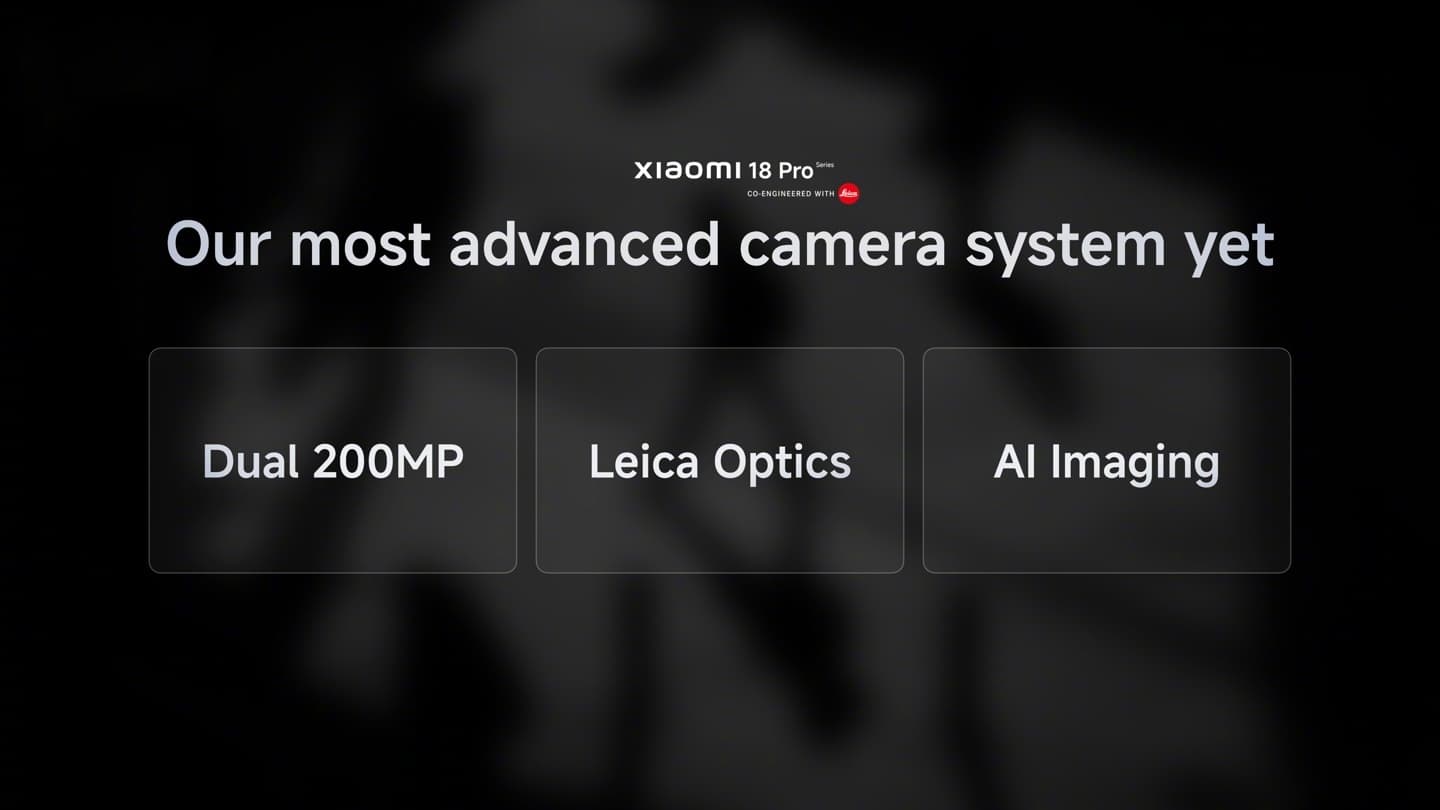
Photography is one of the biggest selling points of the Xiaomi 18 Pro series. Xiaomi describes the international models as featuring its most advanced imaging system to date, combining Leica optical technology, artificial intelligence, and two high-resolution 200MP camera sensors.
Both the main camera and telephoto camera use flagship-grade 200MP sensors. This dual-sensor approach is designed to deliver detailed photographs across multiple focal lengths, giving users greater flexibility when capturing landscapes, portraits, distant subjects, and everyday scenes.
Rather than relying entirely on digital cropping, the combination of high-resolution sensors and Leica optics aims to provide a more camera-like shooting experience.
The phones also introduce dedicated AI-powered photography features designed to recreate different photographic styles without requiring users to manually adjust complicated camera settings.
AI Photography Adds Three Distinct Camera Styles
Another highlight is Xiaomi’s new Legendary Moment mode, developed using the company’s on-device AI imaging model.
Instead of applying ordinary filters, this feature works with original image data to reproduce the visual characteristics of classic cameras and traditional film photography.
It offers three different photographic styles:
-
Legendary CCD: Recreates the appearance of older digital cameras, with richer tones and a more pronounced photographic character.
-
Black-and-White Film: Simulates traditional monochrome film photography, emphasizing contrast, light, shadows, and tonal depth.
-
Modern Classic: Delivers softer, cleaner images with restrained colors and a more natural appearance.
Xiaomi also includes simulated optical background blur at 35mm and 75mm focal lengths. These options give users more creative control over portrait photography and subject separation.
The combination of Leica imaging, dual 200MP sensors, and AI-assisted photography makes the Xiaomi 18 Pro series particularly appealing to mobile photography enthusiasts.
Rear Display Returns in the Global Xiaomi 18 Pro Models
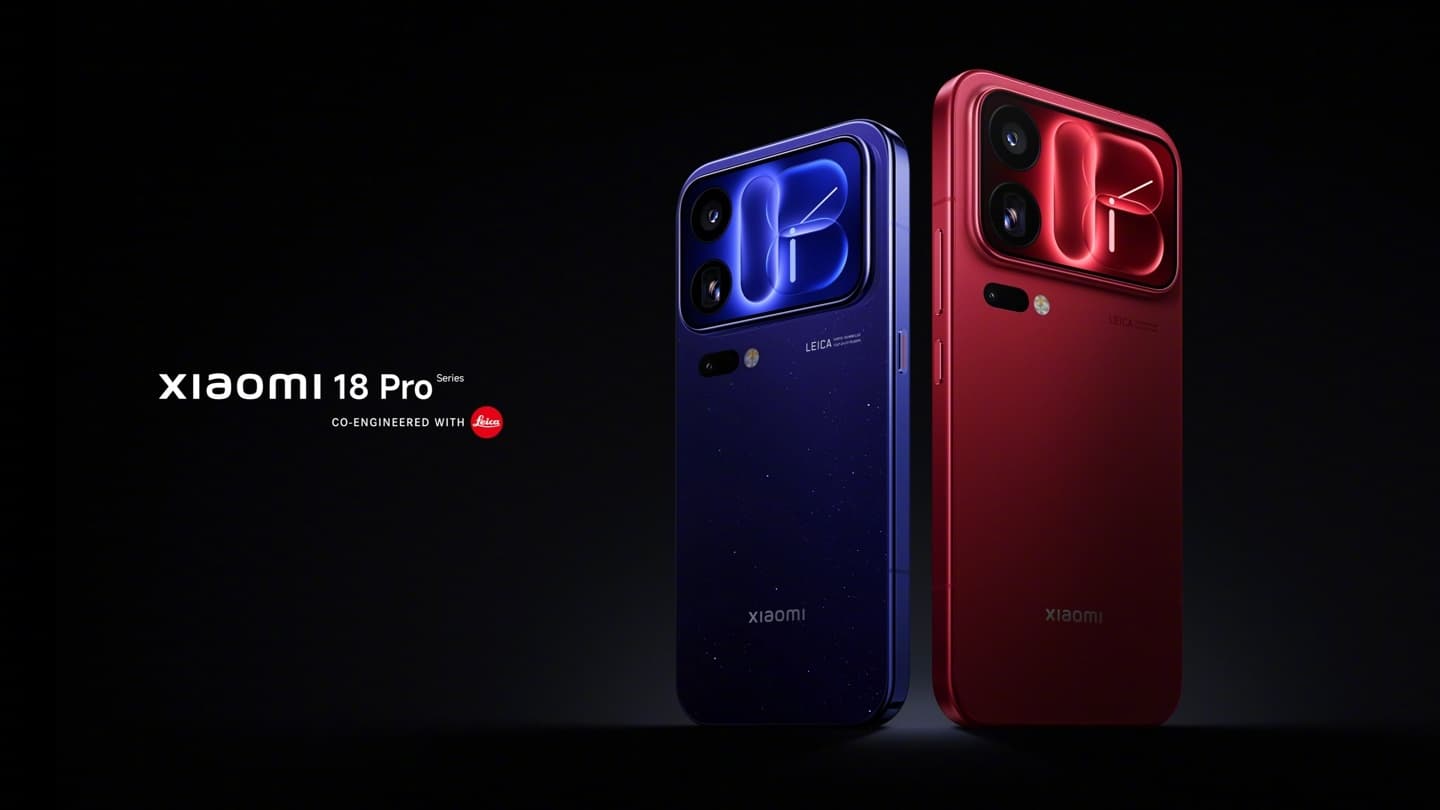
Perhaps the most recognizable feature of the Xiaomi 18 Pro series is its rear display, which is now officially included in the international models.
Unlike conventional smartphones that concentrate almost all interactive features on the front screen, Xiaomi continues to develop the secondary display as a practical part of the phone’s design.
The rear screen can show incoming calls, messages, notifications, and reminders without requiring users to turn the phone around. It also supports quick access to information such as navigation, music playback, flight details, and weather updates.
This design makes the rear display more than just a decorative element. It provides another way to interact with the phone while keeping the main display free for other tasks.
Xiaomi has been developing this distinctive secondary-screen concept across generations, and our Xiaomi 17 Pro Max rear display experience offers a closer look at how the feature works in everyday use.
AI-Generated Rear Display Applications
Xiaomi is also expanding the functionality of the rear screen through AI-generated application cards.
Users can turn their ideas into customized rear-display applications, with potential uses including:
-
Language-learning assistants
-
Personalized workout plans
-
Breathing and relaxation exercises
-
Small games and interactive tools
This approach could make the secondary display more useful over time, allowing users to personalize its functions instead of relying only on predefined widgets.
Xiaomi 18 Pro Series: China Launch and International Availability
The international announcement follows the Chinese launch of the Xiaomi 18 Pro series on September 23, 2026.
The domestic models introduced the sixth-generation Snapdragon 8 Elite mobile platform, Leica dual 200MP rear cameras, and Xiaomi’s AI-powered customizable rear display.
With the Paris launch, Xiaomi is bringing the same core product concept to international consumers, particularly its combination of high-resolution imaging and a functional secondary screen.
Final Thoughts
Xiaomi 18 Pro and Xiaomi 18 Pro Max represent an ambitious step in Xiaomi’s premium smartphone strategy. Instead of focusing exclusively on processor upgrades or camera specifications, the company is combining dual 200MP Leica photography, AI-powered imaging tools, and a more capable rear display.
The €1,399 starting price puts the series firmly in flagship territory, while the €2,099 Pro Max configuration targets buyers looking for maximum storage and premium hardware.
The biggest question is whether the upgraded rear display and dual 200MP camera system will provide enough practical value to justify the premium pricing. Nevertheless, bringing this distinctive design to international markets gives Xiaomi another way to stand out in an increasingly competitive flagship smartphone market.