










Google has started rolling out the Android 17 QPR1 stable update to compatible Pixel devices, building on the features introduced with Android 17 while adding new animations, Quick Settings changes, multitasking improvements and additional health features.
The update covers a wide range of Pixel phones and tablets, extending from the Pixel 6 generation through the newly released Pixel 11 family. For users coming from the Android 17 QPR1 beta program, the final release is also arriving as a relatively small update rather than requiring a complete system reset.
Android 17 QPR1 Gives the System UI a More Expressive Look
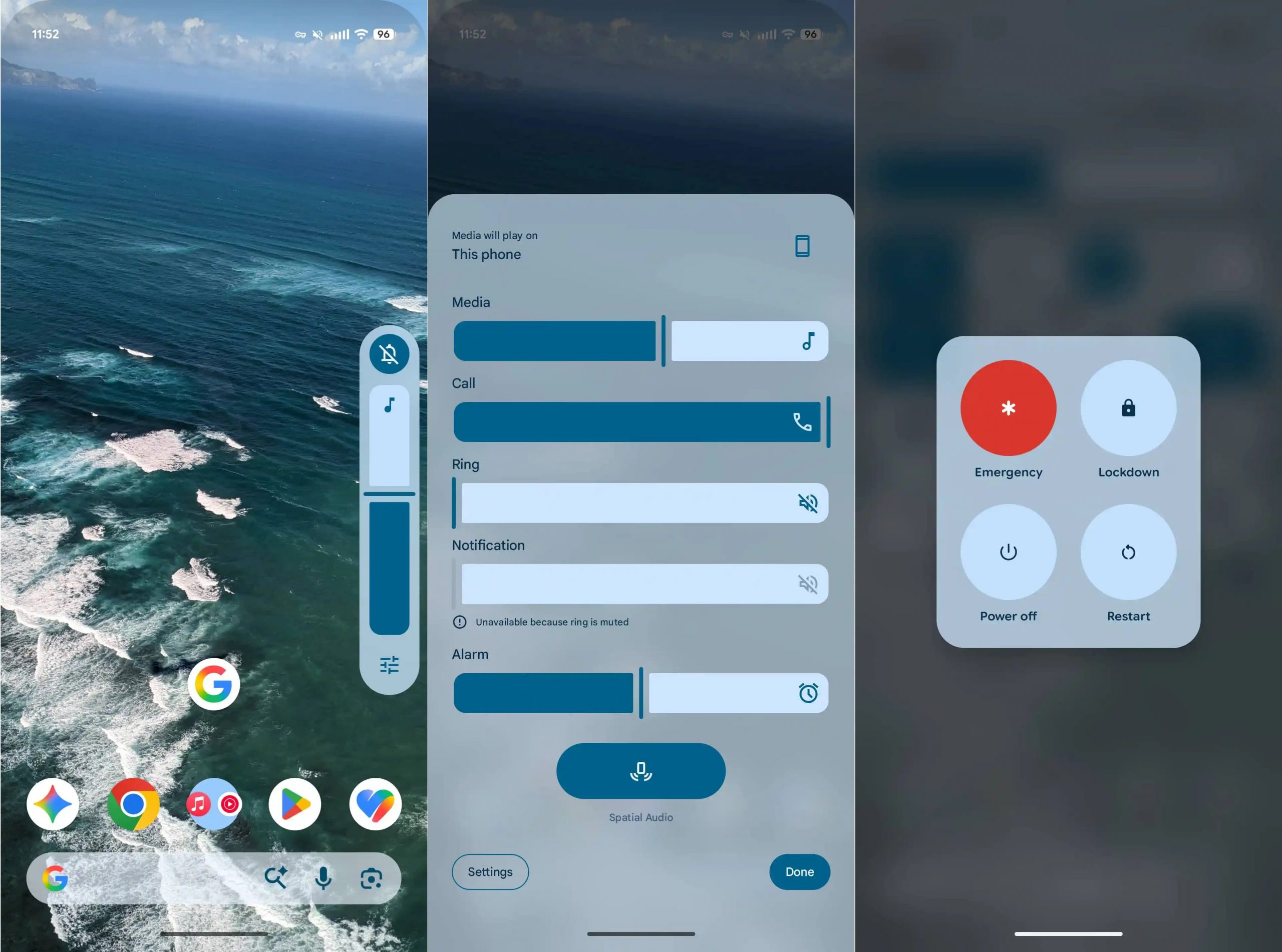
One of the most obvious changes in Android 17 QPR1 is the increased use of blur and transparency throughout the system interface.
The volume panel now uses a semi-transparent design with dynamic colors, while the expanded volume interface has received a visual update. Google has also added background blur to the power menu, giving system controls a more layered appearance.
These changes make the interface feel less static and put more emphasis on depth, transparency and animated transitions.
New Material 3 Multitasking Interface
These changes are part of Google’s broader Material 3 design direction, which emphasizes more expressive motion, adaptive colors and updated interface components.
When several apps are open, the system media and multitasking interface now uses a Material 3-style carousel. Instead of displaying a row of simple dots at the bottom, the interface provides previews of other open applications.
The active app card can also shrink to make room for additional previews, making it easier to recognize and switch between recently used apps.
Quick Settings Get New Animations and Controls
The Quick Settings panel receives several practical changes in this release.
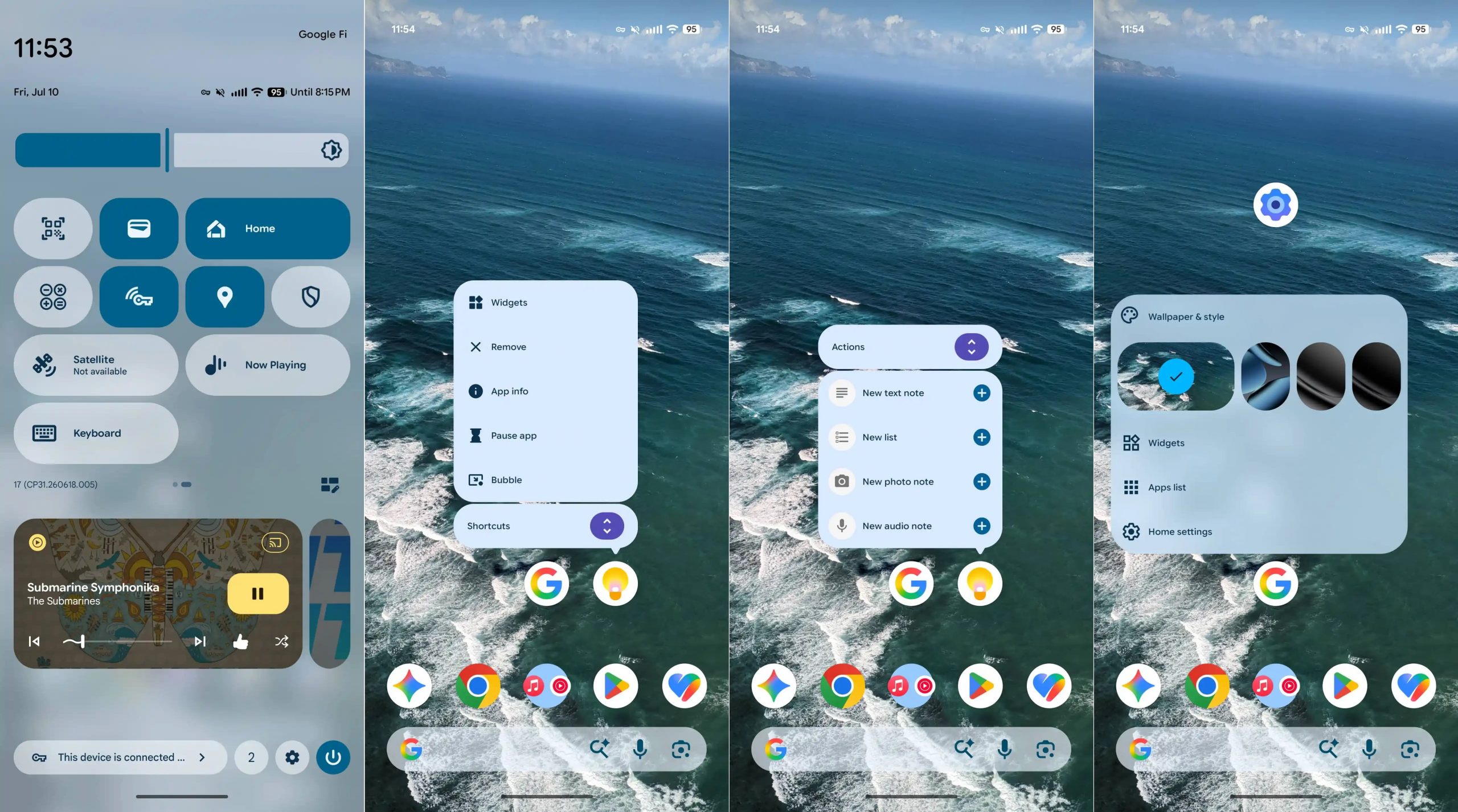
Google has introduced new elastic-style animations when opening Quick Settings, while an edit button is now displayed in the lower-right area for easier customization.
The mobile data tile also gains a “Don’t ask me again” option. Another new addition is a dedicated Keyboard Quick Settings tile, which provides faster access to the system keyboard switcher.
Screen recording has also been adjusted. The tool now defaults to the application that was used for the previous screen recording session, potentially reducing the number of steps needed to start another recording.
Home Screen Menus Are More Clearly Organized
Android 17 QPR1 changes several interactions on the Pixel home screen.
Long-pressing an app icon now separates app-specific shortcuts from system-level actions such as widgets and bubbles. This creates a clearer distinction between functions provided by the app and Android’s own controls.
Long-pressing an empty area of the home screen also opens an updated wallpaper switching interface. The new design uses more noticeable rounded corners and a cleaner arrangement of menu options.
Settings Gets New Material 3 Expressive Icons
The Settings application is another area receiving a visual update.
Android 17 QPR1 introduces new Material 3 Expressive icons in Settings. The design language was previously seen on Pixel Watch devices and is now being brought more prominently to the phone experience.
Google has also added a new animation when users double-click the power button from the lock screen to launch the camera.
Health Connect Tracks More Activity Data
Health-related tracking also gets an expansion in Android 17 QPR1.
Health Connect can now track additional activity measurements, including distance traveled and calories burned, alongside existing step information.
This gives Pixel users more data points for monitoring everyday movement without requiring every activity metric to be handled by a separate application.
Android 17 QPR1 Compatible Pixel Devices
The stable update is available across a broad range of Google Pixel phones and tablets, covering several generations from the Pixel 6 series onward:
- Pixel 6 and Pixel 6 Pro
- Pixel 6a
- Pixel 7, Pixel 7 Pro and Pixel 7a
- Pixel Tablet
- Pixel Fold
- Pixel 8, Pixel 8 Pro and Pixel 8a
- Pixel 9, Pixel 9 Pro, Pixel 9 Pro XL, Pixel 9 Pro Fold and Pixel 9a
- Pixel 10, Pixel 10 Pro, Pixel 10 Pro XL, Pixel 10 Pro Fold and Pixel 10a
- Pixel 11, Pixel 11 Pro, Pixel 11 Pro XL and Pixel 11 Pro Fold
The inclusion of the latest Pixel 11 series means the QPR1 release covers Google’s recent Pixel generations as well as several older devices.
What Beta Users Need to Know
Users who are currently running Android 17 QPR1 Beta 9 should receive a relatively small update to move to the stable release.
However, users participating in the Android Beta Program may need to exit the beta program before receiving the stable OTA update, depending on their current enrollment status.
The stable update is being distributed over the air and does not require users to erase their device data as part of the normal upgrade process.
Android 17 QPR1 Is More Than a Visual Update
While the new blur effects and Material 3 styling are among the most visible changes, Android 17 QPR1 also improves everyday interactions through redesigned multitasking, Quick Settings controls, home screen menus and additional Health Connect measurements.
For Pixel owners, the update therefore represents a combination of visual refinement and practical interface changes, rather than simply another maintenance release. The continued Android Beta Program will also allow Google to test future QPR releases and feature updates on supported devices.