









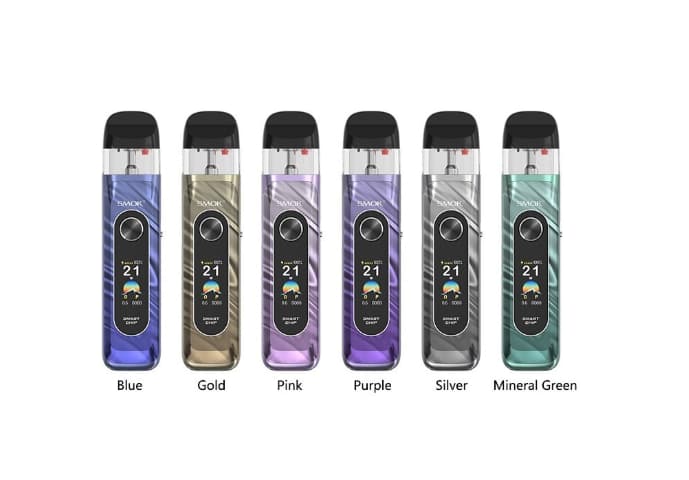
Vaping has become a common alternative to traditional cigarettes, but the question of “how much is too much” is crucial for your well-being. Unlike smoking a single cigarette, vaping can be a more continuous habit, making it easier to lose track of your intake. Your body sends clear signals when you’ve overdone it. Recognizing these signs is the first step to practicing safer habits.
Here’s a breakdown of the common symptoms, from immediate effects to more concerning long-term signs.
Immediate Physical Symptoms (The Short-Term Warning Signs)
These are the most common feelings that indicate you’ve consumed too much nicotine or irritated your system in a short period.
-
Nicotine Sicknes (Nicotine Overdose): This is the most direct sign of too much nicotine. Symptoms include:
-
Nausea or Stomach Cramps: Feeling queasy or needing to vomit.
-
Headache: A pounding, persistent headache that can range from mild to severe.
-
Dizziness or Lightheadedness: Feeling unsteady, faint, or like the room is spinning.
-
Excessive Salivation or “Spitmouth”: Your mouth may water excessively as your body reacts to the toxin.
-
Cold, Clammy Skin: Breaking out in a cold sweat.
-
-
Persistent Coughing and Throat Irritation: Even if you’re a regular vaper, overuse can lead to a nagging, dry cough or a sore, scratchy throat. The propylene glycol (PG) in vape juice is hygroscopic, meaning it draws moisture from your tissues, leading to irritation.
-
Shortness of Breath: Feeling like you can’t take a full, deep breath, especially after taking several large hits in a row. This is a sign that your respiratory system is being overwhelmed.
Behavioral and Sensory Signs
Your habits and senses will also give you clues.
-
Diminished Flavor (“Vaper’s Tongue”): If your favorite e-liquid suddenly tastes bland or has no flavor at all, it’s often a sign of overuse. Your taste buds have become saturated and desensitized.
-
Increased Tolerance and Cravings: Needing to vape more frequently or use higher nicotine strength to achieve the same feeling is a clear indicator of developing a tolerance, which is a form of overuse.
-
Dehydration: Vaping can be dehydrating. If you’re vaping a lot and experience a dry mouth, chapped lips, or a persistent thirst, you are likely dehydrated from overuse.
More Serious, Long-Term Concerns
While the symptoms above are often acute (short-term), consistent overuse can lead to more worrying health issues. If you experience any of the following, it is a strong sign that your vaping habit is harmful and you should consult a healthcare professional.
-
Chest Pain or Palpitations: Any sharp, aching, or pressure-like pain in your chest, or a feeling that your heart is fluttering, racing, or skipping beats, is a serious symptom that requires immediate medical attention.
-
Persistent Respiratory Issues: A chronic cough, wheezing (a whistling sound when you breathe), or increased susceptibility to bronchitis are signs of significant lung irritation.
-
Severe Fatigue and Lethargy: While nicotine is a stimulant, the body’s reaction to chronic overuse can sometimes manifest as unusual tiredness and a lack of energy.
What to Do If You Think You’ve Vaped Too Much
-
Stop Immediately: The first and most important step is to put the vape down.
-
Hydrate: Drink a full glass of water to combat dehydration and help flush nicotine from your system.
-
Rest: Sit down or lie down if you’re feeling dizzy or nauseous. Fresh air can also help.
-
Eat Something: Having a small snack can help settle your stomach if you’re feeling nauseous.
-
Re-evaluate Your Habits: Use this experience as a cue to assess your vaping. Consider:
-
Lowering Your Nicotine Strength: If you frequently feel “nic-sick,” your juice may be too strong.
-
Taking Breaks: Set time limits between sessions to avoid chain-vaping.
-
Monitoring Your Intake: Be mindful of how often you reach for your vape.
-
Conclusion: Listen to Your Body
Your body is excellent at signaling when something is wrong. The symptoms of vaping too much—from immediate nausea and headaches to a persistent cough—are clear warnings. Paying attention to these signs and adjusting your habits accordingly is essential for minimizing potential health risks. If symptoms are severe or persistent, seeking advice from a doctor is always the best course of action.