









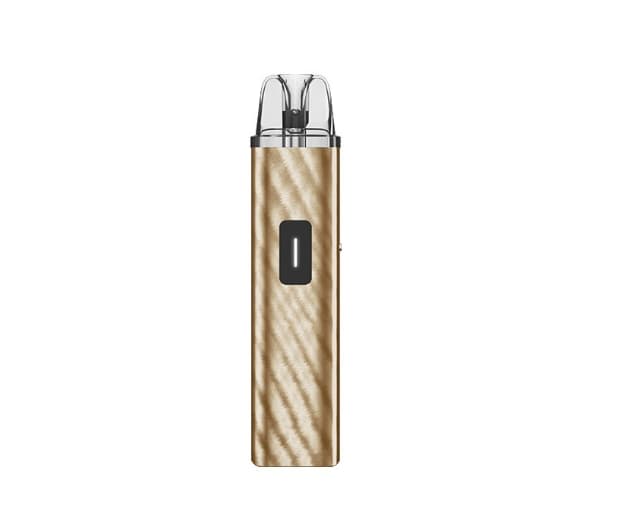
Few things are more frustrating for a vaper than reaching for your device only to find sticky e-liquid coating your hands, pockets, or mod. Tank leaks are a common annoyance, but they’re often preventable. Understanding the causes and implementing some key practices can keep your vape dry and your experience hassle-free.
Why Do Vape Tanks Leak?
Leaks usually happen when e-liquid finds an unintended path out of the tank, often due to:
-
Loss of Vacuum: Tanks rely on a vacuum seal to hold liquid in. If this seal is broken (e.g., by a loose component, damaged seal, or pressure change), liquid flows freely.
-
Compromised Seals: Worn, damaged, missing, or improperly seated O-rings/gaskets create gaps.
-
Coil Issues: A poorly installed, old, burnt-out, or defective coil won’t seal properly in its housing.
-
Overfilling: Filling beyond the designated level can flood the coil chamber.
-
Thin E-Liquid: Low VG (high PG) liquids are thinner and more prone to seeping through tiny gaps or flooding coils.
-
Temperature & Pressure Changes: Sudden shifts (like going from cold outdoors to warm indoors, or flying) can cause pressure imbalances, forcing liquid out.
-
Physical Damage: Cracks in the glass or tank body, or bent/damaged threads.
-
User Error: Improper assembly is a major cause.
Essential Strategies to Prevent Vape Tank Leaks:
-
Master the O-Rings & Seals:
-
Inspect Regularly: Check all O-rings (top cap, bottom cap, glass seals, fill port) for nicks, tears, flattening, or brittleness. Replace them before they fail. Kits are cheap and essential.
-
Lubricate: Lightly moisten O-rings with e-liquid before assembly. This helps them seat properly and creates a better seal.
-
Seat Correctly: Ensure O-rings are sitting perfectly in their grooves, not pinched or twisted.
-
Keep Clean: Remove and clean O-rings periodically to prevent gunk buildup that can compromise the seal.
-
-
Perfect Your Coil Installation & Maintenance:
-
Prime Thoroughly: Always prime a new coil properly. Saturate the cotton wicking ports before installing and filling the tank. Let it sit for 5-15 minutes after filling. Skipping this causes dry hits and can damage the coil seal prematurely.
-
Install Snugly: Screw the coil into the base firmly by hand. Do not overtighten, as this can damage threads or crush the coil’s bottom seal. It should be snug, not forced.
-
Replace Timely: Don’t push coils beyond their lifespan. A burnt-out coil wicks poorly and can leak. Replace when flavor diminishes or you get a burnt taste.
-
Check Authenticity: Counterfeit coils often have poor quality control and sealing. Buy from reputable sources.
-
-
Assemble & Fill Like a Pro:
-
Tighten Correctly: Assemble all tank components (glass, top cap, base) firmly by hand. Overtightening can crack glass, strip threads, or distort seals. Undertightening leaves gaps. Find the “sweet spot” – secure but not forced.
-
Close AFC When Filling: Always close the Airflow Control (AFC) ring before opening the tank to fill. This helps maintain the internal vacuum. Reopen the AFC after closing the tank.
-
Don’t Overfill: Leave a small air bubble at the top of the tank when filling. Filling right to the brim removes the necessary air pocket for the vacuum to work effectively.
-
Clean Threads & Seats: Wipe down threads and sealing surfaces before reassembly to ensure a clean connection.
-
-
Choose the Right E-Liquid:
-
VG/PG Ratio: Match your liquid’s viscosity to your tank/coil. Sub-ohm tanks generally work best with thicker, higher VG liquids (70% VG or higher). High PG liquids (50/50 or thinner) are more prone to leaking in sub-ohm setups but are common in lower-wattage MTL tanks/pods. Check your coil’s recommended ratio.
-
Avoid Extreme Temperatures: Don’t leave your vape in direct sunlight, a hot car, or freezing cold for extended periods. Temperature swings cause liquid expansion/contraction and pressure changes that force leaks.
-
-
Store & Transport Smartly:
-
Upright is Best: Store your vape upright whenever possible, especially when full. Laying it on its side increases the chance of liquid finding its way into the airflow or coil chamber.
-
Empty for Travel/Flying: If possible, empty your tank before flying or significant altitude changes. The drastic pressure changes are notorious for causing leaks. At the very least, store it upside down during pressure changes (so the air bubble is at the coil end, not the liquid).
-
-
Manage Airflow & Vaping Style:
-
Avoid Overly Restrictive Draws: Taking excessively hard “puffs” (like trying to suck a thick milkshake through a straw) on a tank designed for airier draws can create too much vacuum, pulling excess liquid into the coil chamber faster than it can be vaporized, leading to flooding and leaks. Adjust your draw to match the tank’s design.
-
Don’t Under-Power: Consistently vaping significantly below the coil’s recommended wattage range doesn’t vaporize the liquid efficiently, leading to flooding and spitback (which can leak out the airflow).
-
Troubleshooting Persistent Leaks:
-
Disassemble Completely: Take the entire tank apart (glass, top cap, coil, base, drip tip, AFC ring).
-
Clean Meticulously: Wash all parts (except the coil!) in warm water. Dry thoroughly with paper towels or let air dry.
-
Inspect Everything: Check for cracks, damaged threads, missing/damaged O-rings, and ensure the coil is correctly seated.
-
Replace Suspect Parts: Swap out any damaged O-rings or the coil. If the glass is cracked, replace it.
-
Reassemble Carefully: Follow the steps above for correct, hand-tight assembly and filling.
-
Check the 510 Pin: Ensure the 510 pin on the bottom of the tank (or pod) and the connection on your mod are clean and undamaged. A faulty connection can sometimes cause issues.
When All Else Fails:
Some tanks are simply more prone to leaking due to inherent design flaws or poor manufacturing quality control. If you’ve tried everything consistently and leaks persist, it might be time to research and invest in a different tank known for better leak resistance.
Conclusion: Prevention is Key
Leaking vape tanks are frustrating but rarely unavoidable. By understanding the core principles of vacuum, maintaining your seals and coils diligently, assembling and filling correctly, choosing appropriate e-liquid, and storing your device wisely, you can drastically reduce or eliminate leaks. Consistent care and attention to detail are your best tools for a clean, enjoyable, and leak-free vaping experience. Keep those O-rings handy and vape on!