








Huawei is reportedly preparing to unveil its next flagship smartphone lineup, the Mate 90 series, this September, introducing both the official release of HarmonyOS 7 and a next-generation Kirin chipset built around the company’s newly announced Ta (τ) Law semiconductor architecture.
According to recent reports from Chinese tech sources, the upcoming Mate 90 series will serve as Huawei’s flagship platform for showcasing its latest advances in chip design, operating system development, and AI-powered performance optimization.
HarmonyOS 7 Development Nears Completion
According to industry leaker Dingzhao Digital, development of HarmonyOS 7 is progressing rapidly and remains on schedule for its commercial debut later this year.
The Mate 90 series is expected to be the first smartphone to ship with the official version of HarmonyOS 7 pre-installed, marking the next major evolution of Huawei’s self-developed operating system.
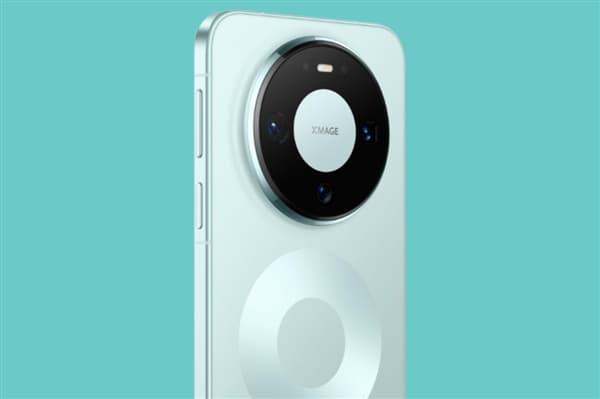
The new software is said to feature a redesigned user interface centered around a more immersive visual experience. Huawei has reportedly placed particular emphasis on what it describes as “spatial aesthetics,” introducing enhanced animations and three-dimensional visual effects throughout the system.
Users can reportedly expect:
- More realistic physics-based desktop animations
- Enhanced 3D effects when moving app icons and widgets
- Spatial wallpaper effects with greater visual depth
- A cleaner and more refined interface design
These enhancements are designed to make everyday interactions feel more natural while improving the overall visual polish of the operating system.
New Kirin Chip Based on Huawei’s Ta (τ) Law
One of the biggest highlights of the Mate 90 series is expected to be its brand-new Kirin processor, which reportedly adopts Huawei’s recently announced Ta (τ) Law design philosophy.
Introduced by Huawei in May 2026, Ta (τ) Law serves as a new framework for semiconductor development. Rather than focusing solely on transistor scaling, the concept aims to systematically reduce the signal propagation time constant (τ), enabling faster communication between logic components and improving overall chip efficiency.
A key technology behind this approach is Logic Folding, an architecture designed to shorten signal paths and increase transistor density without relying exclusively on traditional manufacturing process improvements.
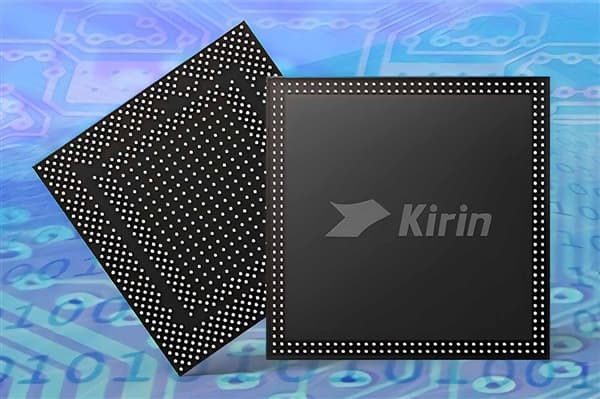
According to Huawei’s published figures, the first Kirin processor implementing Logic Folding dual-layer architecture delivers a significant leap in transistor density:
| Specification | Kirin 9030 Pro (2025) | New Kirin (2026) |
|---|---|---|
| Transistor Density | 155 million transistors/mm² | 238 million transistors/mm² |
| Improvement | — | Approximately 53.5% |
Although Huawei has yet to officially disclose the commercial name of the processor, reports suggest it will debut exclusively in the Mate 90 series.
Ark Engine Receives AI Performance Upgrades
HarmonyOS 7 is also expected to introduce major improvements beneath the surface.
The latest version of Huawei’s Ark Engine reportedly incorporates a large AI model capable of dynamically optimizing system performance based on user behavior.
According to the leaks, the system will intelligently:
- Accelerate frequently used applications
- Optimize performance based on location and usage context
- Prioritize important background processes
- Improve multitasking efficiency
- Allocate system resources more intelligently
These upgrades aim to deliver smoother performance while reducing unnecessary resource consumption.
Huawei’s Flagship Faces Strong Competition
The Mate series has long represented Huawei’s most advanced smartphone platform, combining the company’s latest innovations in hardware, software, photography, and AI.
With the reported introduction of HarmonyOS 7 alongside an entirely new Kirin architecture, the Mate 90 series is expected to become Huawei’s most technologically ambitious flagship to date.
The September launch also places the device in direct competition with Apple’s next-generation flagship lineup, widely expected to debut around the same timeframe. As both companies prepare to introduce their latest premium smartphones, the second half of 2026 could become one of the most closely watched periods in the global smartphone market.
Looking Ahead
While Huawei has not yet officially confirmed the Mate 90 series or its specifications, multiple industry reports suggest the company is preparing a significant leap in both hardware and software.
If the reported information proves accurate, the combination of HarmonyOS 7, Huawei’s next-generation Kirin processor, AI-enhanced system optimization, and a redesigned user experience could position the Mate 90 series as one of the year’s most important flagship smartphone launches.
More details are expected to emerge as Huawei approaches its anticipated September launch event.