









Igeekphone reported on July 14th: In previous years, the new generation of Kirin chips from Huawei were always first launched and adopted by Mate series of full-screen flagship phones. But this year, the situation is different.
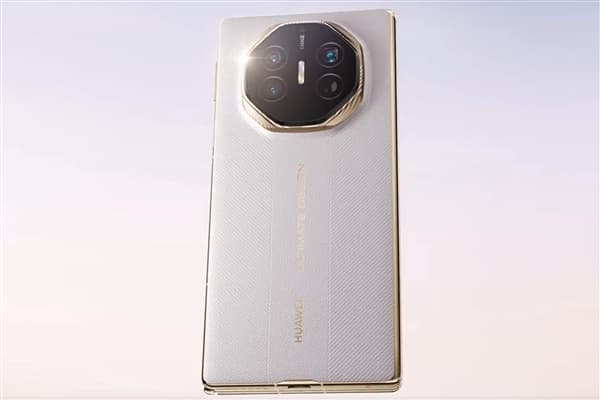
According to blogger Dingzhao Digital, the Huawei Mate XT2 tri-fold and the Mate 90 series will simultaneously launch with the new generation of Kirin chips based on the Tao Law. This means that the Huawei tri-fold directly skipped the Kirin 9030 series and directly adopted the most powerful SoC of Huawei.
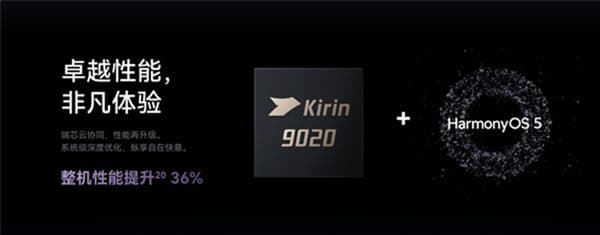
Looking back to September last year, Huawei released the tri-fold screen Mate XTs. At the launch event, Huawei’s executive director and chairman of the Terminal BG, Yu Chengdong, announced that this device was equipped with the Kirin 9020 chip. This was not only the first public appearance of the Kirin 9020, but also the return of the Kirin chip to a Huawei launch event after a four-year hiatus since 2021.
This time, Huawei has publicly disclosed the chip model, indicating that Huawei has achieved full chain control over semiconductors and a basic safety barrier in the industrial chain has been formed. One year later, the new generation of the three-fold Mate XT2 from Huawei will be the first to feature the complete “Taotie Law” technology-based Kirin chip.
This marks that Huawei has pioneered a completely new technological path in the semiconductor field. The core of the Tao Law is to replace the traditional “geometric shrinkage” of Moore’s Law with “time shrinkage”. The key lies in the “logic folding” technology, which expands the traditional planar circuits from a single layer to a dual-layer architecture, thereby significantly reducing the signal propagation delay and enhancing the overall performance of the chip.
According to the disclosed measured data, compared with the Kirin 9030 Pro that adopts traditional flat design, the new generation Kirin chip, under the same process node, has increased the transistor density from 155 million per square millimeter to 238 million, with an increase of 55%.
The successful mass production of “Taohui Chips” not only verified the feasibility of this technology route, but also provided a brand-new possibility for domestic chips to break through the limitations of traditional processes. The new products will be officially released in September.