









REDMI K100 Pro Max is built around a simple idea: give mobile gamers more performance, a higher refresh rate, and enough battery capacity to support long gaming sessions without turning the phone into an oversized gaming brick. Check out our best gaming phones of 2026 guide.
Its hardware is certainly ambitious. The phone combines a 6.9-inch 185Hz OLED display, the fifth-generation Snapdragon 8 Supreme Edition platform, a dedicated D2 graphics chip, a 9,070mAh battery, 100W wired charging, and a BOSE 2.1-channel speaker system. Read our Snapdragon 8 Supreme Edition performance review.
But the headline specification is not simply the 185Hz panel. The more interesting part is how the D2 chip uses frame interpolation to increase the displayed frame rate in supported games.
We tested the REDMI K100 Pro Max across several demanding titles to see where its high-refresh-rate hardware actually makes a difference, how much power the phone consumes, and whether the 185fps experience is genuinely useful for gaming. See our best flagship phones under $1,000 list.
REDMI K100 Pro Max: Key Specifications
| Feature | REDMI K100 Pro Max |
|---|---|
| Display | 6.9-inch straight OLED |
| Resolution | 2608 × 1200 |
| Refresh Rate | Up to 185Hz |
| Peak Brightness | Up to 10,000 nits in 1% window |
| Processor | Fifth-generation Snapdragon 8 Supreme Edition |
| Gaming Chip | D2 dedicated graphics chip |
| Rear Cameras | 200MP main + 50MP telephoto + 50MP ultrawide |
| Telephoto | 5x optical zoom |
| Battery | 9,070mAh |
| Wired Charging | 100W |
| Wireless Charging | 50W |
| Reverse Charging | 27W wired / 22.5W wireless |
| Speakers | BOSE 2.1-channel system |
| Protection | IP66/IP68/IP69 |
| NFC | Yes |
| IR Blaster | Yes |
| Thickness | Approx. 8.45mm |
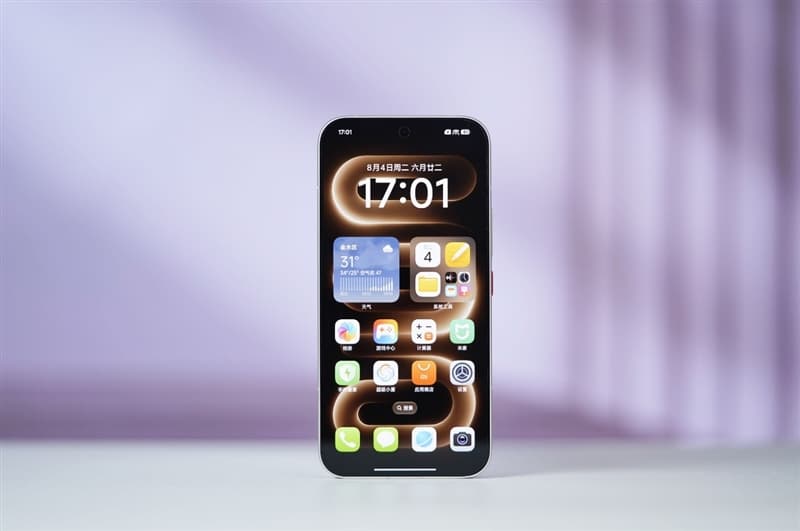
Design: Clean Flagship Styling With a Standout Bass Module
The REDMI K100 Pro Max features a large 6.9-inch flat display on the front. Its straight edges give the phone a clean, modern appearance, while the rounded corners help make the large device more comfortable to hold.
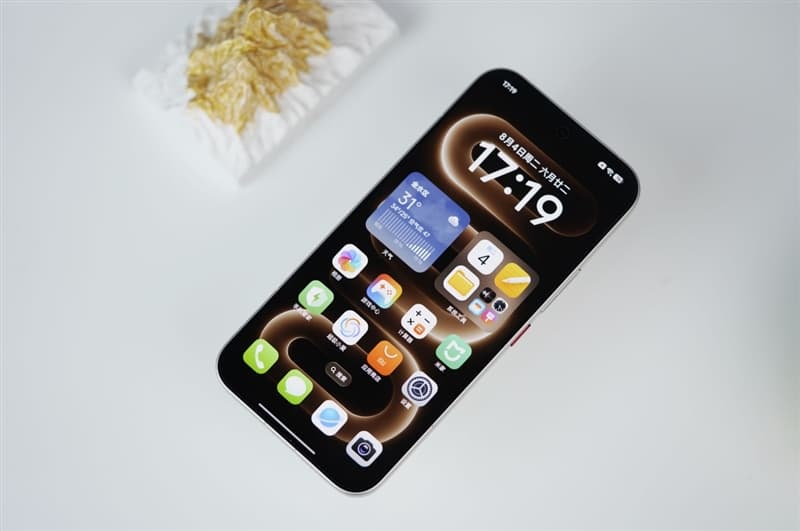
The flat frame also allows the phone to stand securely on a desk, which can be useful when watching videos or using the device in landscape orientation.
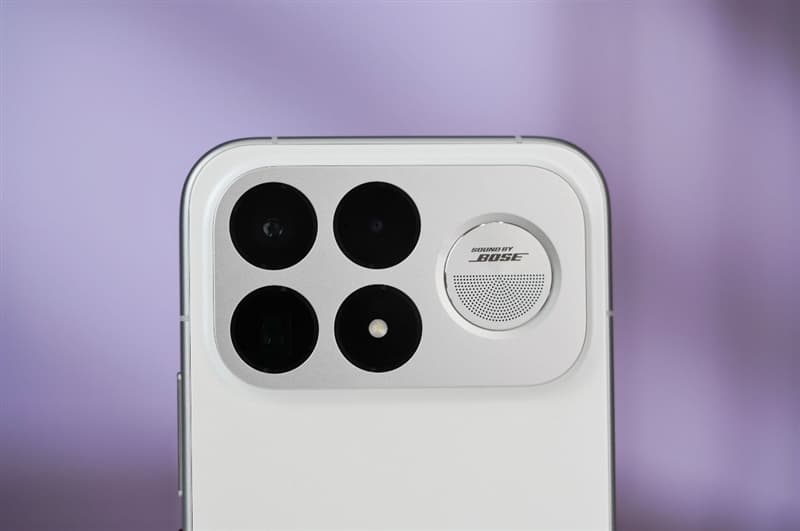
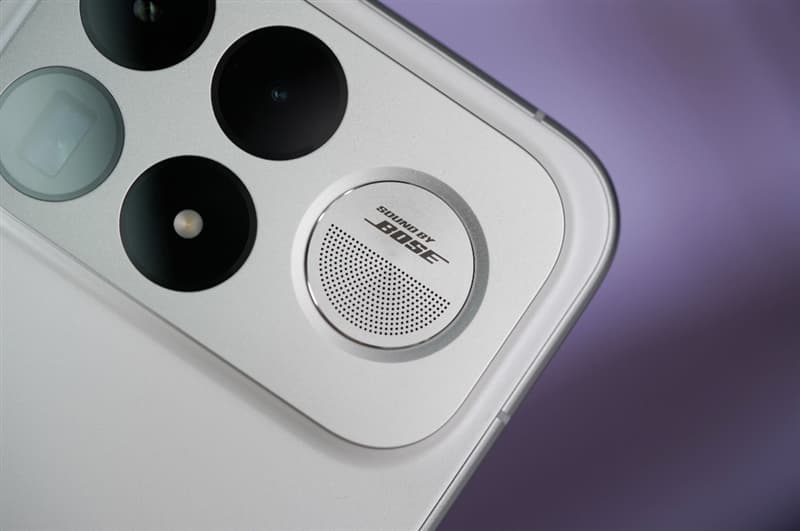
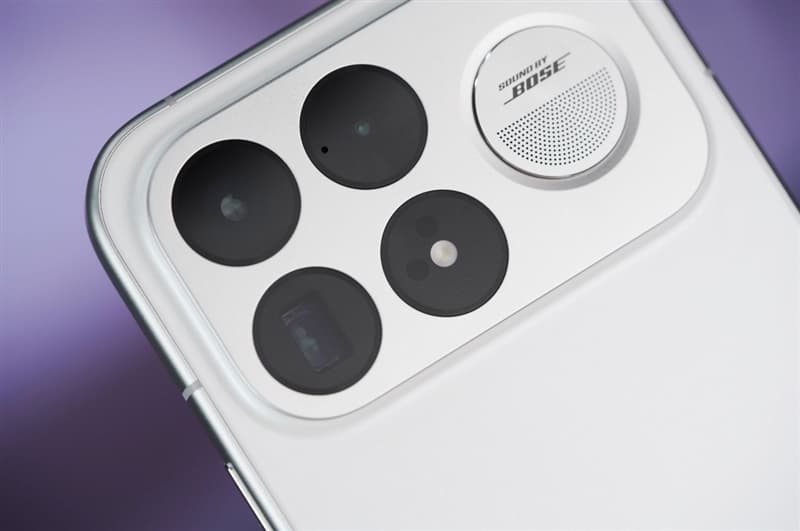
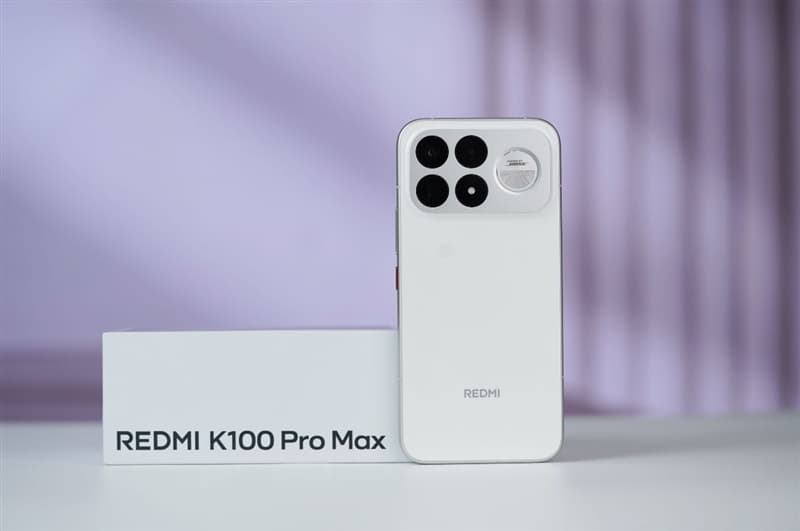
On the rear, REDMI has adopted a relatively restrained design. A rectangular camera module houses the three rear cameras and flash, while the most distinctive element is the large BOSE bass module positioned alongside it. Browse our REDMI phone reviews.
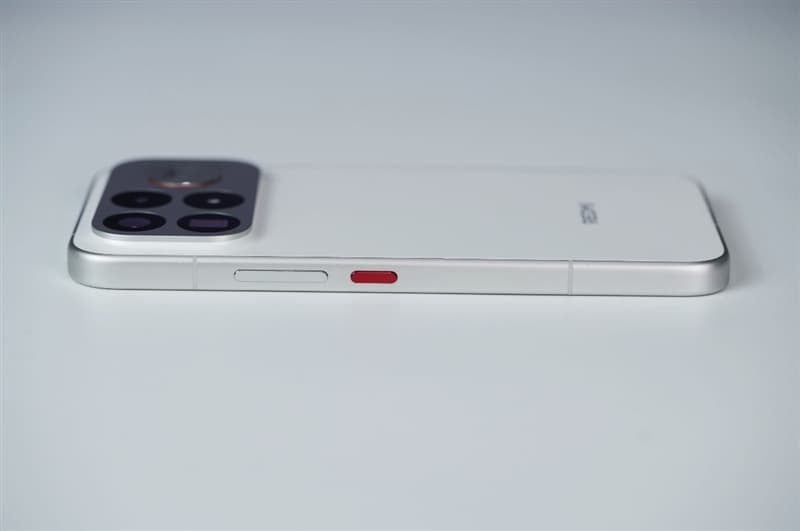
The review unit comes in the Flowing Gold White finish. Under direct light, the white rear panel reveals numerous fine golden particles, creating a subtle pearlescent effect.
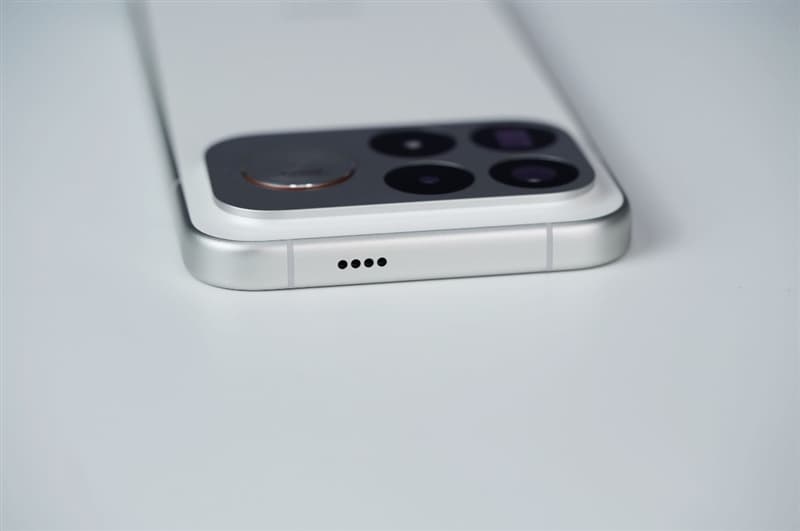
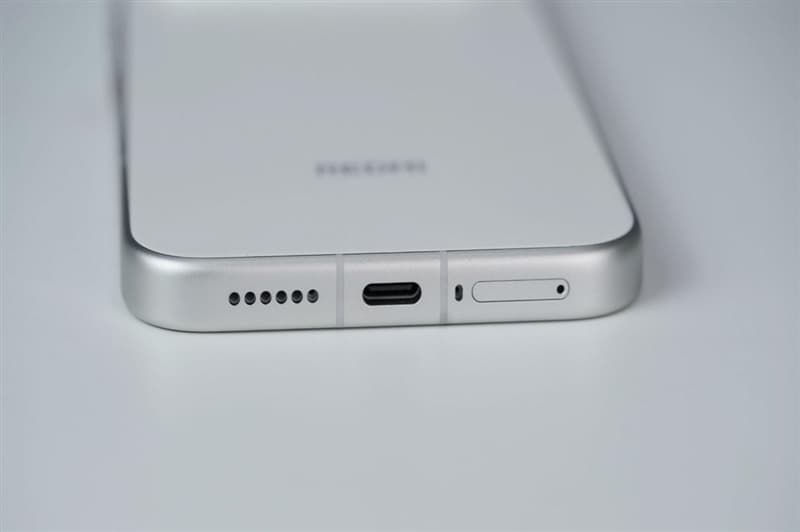
The camera module uses a volcano-inspired curved transition around its raised section, while the silver-and-white treatment keeps the camera area visually lighter than its size might suggest.
The BOSE bass unit features numerous small openings over its surface, beneath which sits a 1620 dual-voice-coil speaker.
The phone’s silver metal frame has a fine matte finish. The volume rocker uses the same treatment, while the power button is highlighted in red, adding a small but distinctive visual accent.
BOSE 2.1-Channel Audio System
Audio is one of the K100 Pro Max’s more unusual strengths.
The phone retains the BOSE 2.1-channel stereo system from the previous generation. The setup combines two 1115D flagship stereo speakers with a dedicated 1620 dual-voice-coil subwoofer on the rear.
Together, the three speaker units create a 2.1-channel sound system.
REDMI and BOSE have also incorporated equal-loudness compensation and time-domain drum enhancement algorithms, designed to improve perceived balance and low-frequency performance.
For gaming, movies and music, the dedicated bass unit gives the K100 Pro Max a more substantial sound profile than conventional smartphone speaker arrangements.
What Does D2 Frame Interpolation Actually Do?
The D2 graphics chip is one of the K100 Pro Max’s most interesting gaming features.
In supported titles, the phone can render the game at a lower native frame rate and then generate additional frames between them.
For example, in some of our tests, the phone rendered around 92fps while producing a displayed 185fps experience through interpolation.
This approach has two potential advantages.
First, it can make animation appear considerably smoother on the 185Hz panel.
Second, the phone does not have to perform the same amount of native rendering work required to generate every displayed frame independently.
There is also a trade-off.
Frame interpolation can add some input latency. For competitive players who prioritize the fastest possible response, native rendering may therefore be preferable. For slower-paced games or users who care more about visual smoothness, the higher displayed frame rate can be more attractive.
That makes the D2 system a useful option rather than something that should necessarily be enabled all the time.
REDMI K100 Pro Max Gaming Test
We tested the phone with six demanding or high-frame-rate games:
- Honor of Kings
- Delta Force
- CrossFire
- Genshin Impact
- Arknights: Endfield
- Honkai: Star Rail
The results show that the K100 Pro Max has enough raw performance for the native frame-rate limits of the games tested, while frame interpolation provides a way to push the displayed frame rate substantially higher.
Gaming Test: High Frame Rates Across Major Titles
To evaluate the K100 Pro Max, the device was tested across several demanding mobile games.
The results show that the phone has more than enough raw performance for most current titles, while the D2 chip provides an additional option for increasing perceived frame rates through interpolation.
Honor of Kings: 144Hz Gaming
Honor of Kings is one of the better examples of how the K100 Pro Max’s display and D2 chip can work together.
With native rendering, the game can run at 144Hz on the device.
When frame interpolation is enabled, the phone can use roughly 72fps of actual rendering as the basis for a displayed 144fps experience.
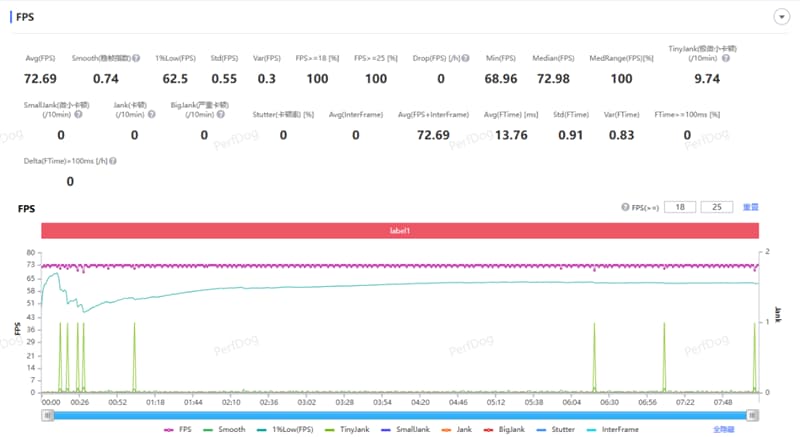
This reduces the amount of native rendering required while maintaining a much smoother presentation on the high-refresh-rate display.
During testing, average power consumption was approximately 3.32W, with energy consumption of around 45.72mW per frame.
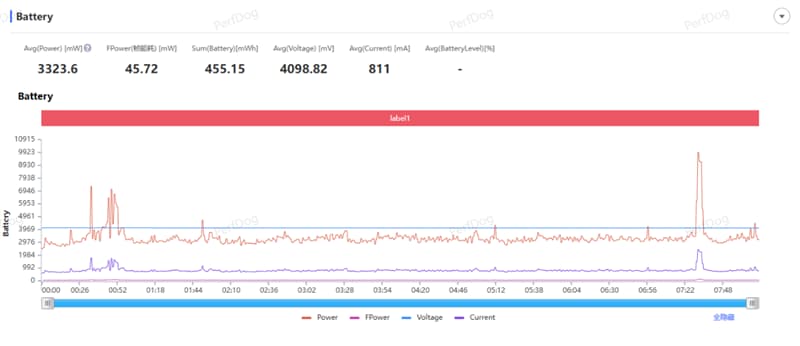
For a competitive mobile title, this is one of the more convincing applications of the phone’s high-refresh-rate hardware.
Delta Force: Up to 185fps Displayed
Delta Force places a much heavier load on the hardware.
At the time of testing, the game did not provide native 144Hz or 165Hz options on the K100 Pro Max. However, the gaming toolbox’s frame-interpolation function could increase the displayed frame rate to 185fps.
The phone’s actual rendering workload was around 92fps, with the D2 chip generating additional frames to reach the 185fps output.
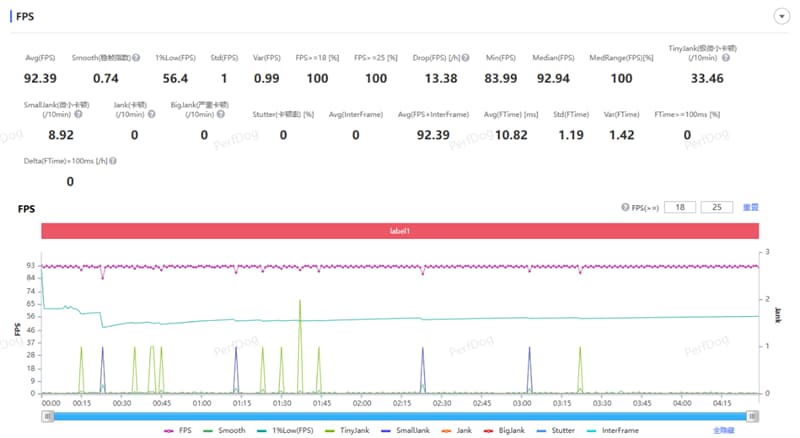
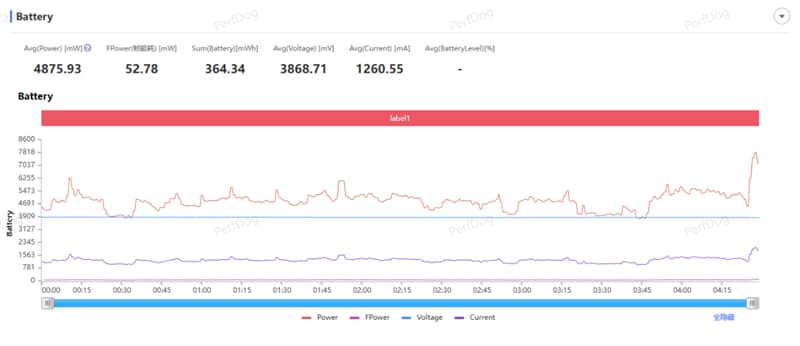
Average power consumption was approximately 4.87W.
The result is visually impressive, particularly during fast movement and camera rotation. However, competitive players should keep the latency trade-off in mind.
If the priority is visual smoothness, 185fps interpolation is useful. If the priority is minimum possible input delay, native rendering remains the safer choice.
CrossFire: 185Hz Works Well Here
CrossFire is another title that can take advantage of the K100 Pro Max’s 185Hz display.
After enabling the appropriate performance settings, the phone can provide a displayed 185fps experience using the D2 frame-interpolation system.
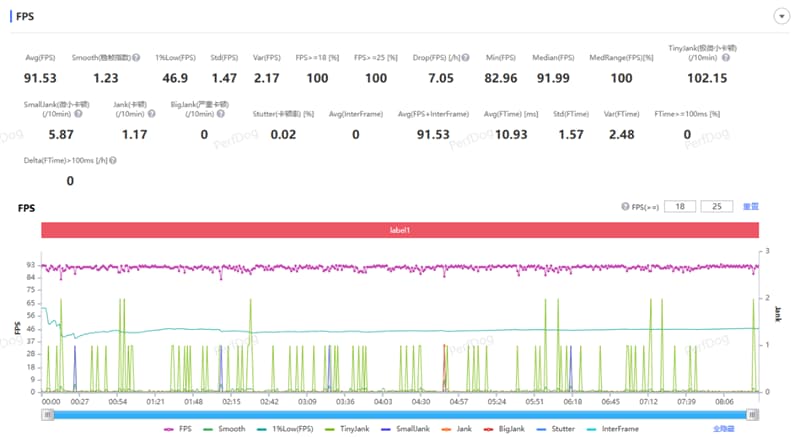
The actual rendering rate was approximately 92fps, with interpolation generating the additional frames.
Average power consumption was around 4.36W, lower than the Delta Force test.
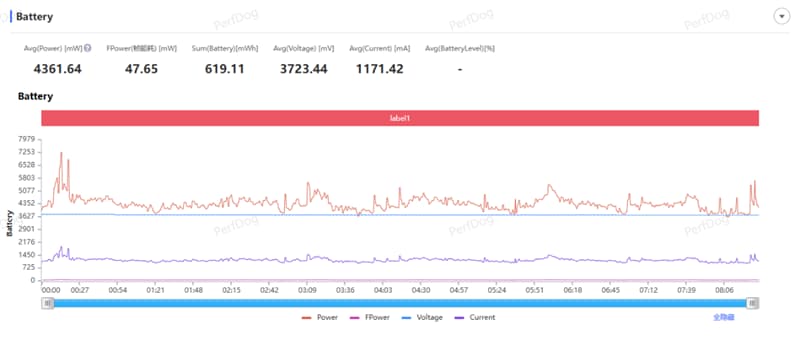
This is a good example of why the K100 Pro Max is different from a phone that simply puts a 185Hz number on its specification sheet. The hardware and software are designed to make the higher refresh rate useful in compatible games.
Genshin Impact: 120fps Displayed From a 60fps Base
Genshin Impact is considerably more demanding than lighter competitive games.
During testing, its native frame-rate ceiling was 60fps. With frame interpolation enabled, the K100 Pro Max could produce a displayed 120fps experience.
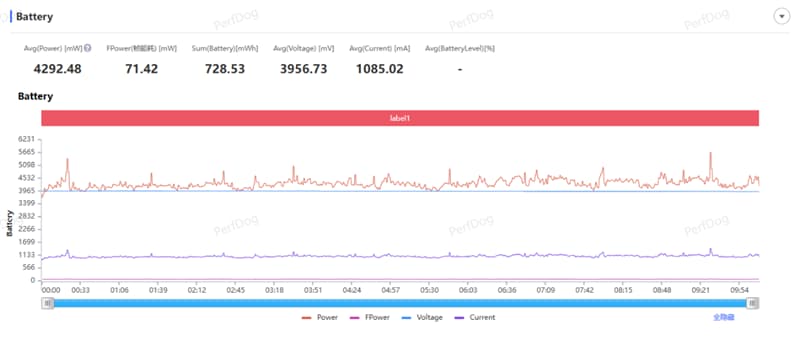
A 10-minute test through Sumeru City showed stable frame-rate behavior with only minor fluctuations.
Average power consumption was approximately 4.29W.
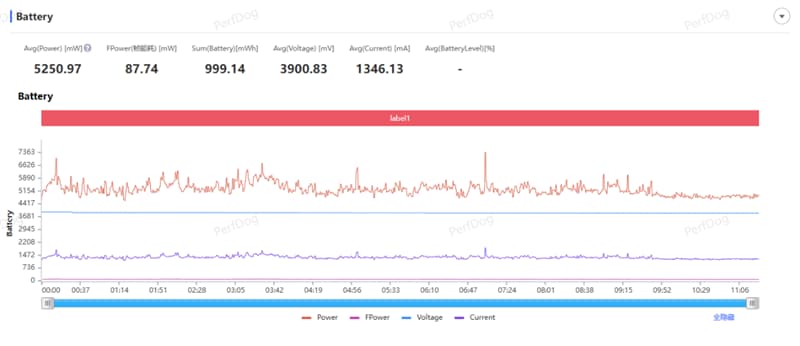
The important point here is that the phone was not natively rendering 120 complete frames every second. The D2 system generated additional frames from the approximately 60fps native output.
That can make movement look smoother, but again, it should not be confused with true native 120fps rendering.
Arknights: Endfield: Stable 60fps Native Performance
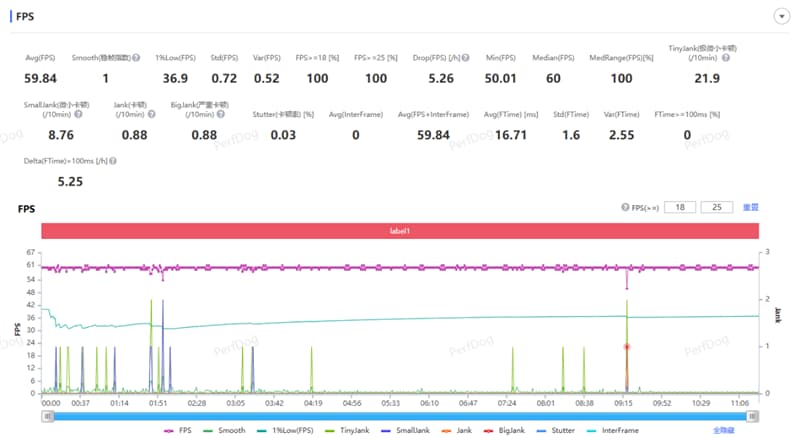
Arknights: Endfield was tested at maximum graphics quality with its native frame rate limited to 60fps.
The K100 Pro Max achieved an average native frame rate of approximately 59.84fps during testing.
With interpolation enabled, the displayed frame rate could reach 120fps.
Average power consumption was approximately 5.25W.
The near-60fps native result is more important than the 120fps number here. It shows that the phone can maintain the game’s native performance target before interpolation is added on top.
Honkai: Star Rail: The Heaviest Test
Honkai: Star Rail is one of the most demanding games in this test.
At maximum graphics settings with the native frame rate set to 60fps, the K100 Pro Max maintained an average native frame rate of approximately 59.81fps during a 10-minute run through the Golden Hour area.
Frame interpolation then increased the displayed output to 120fps.
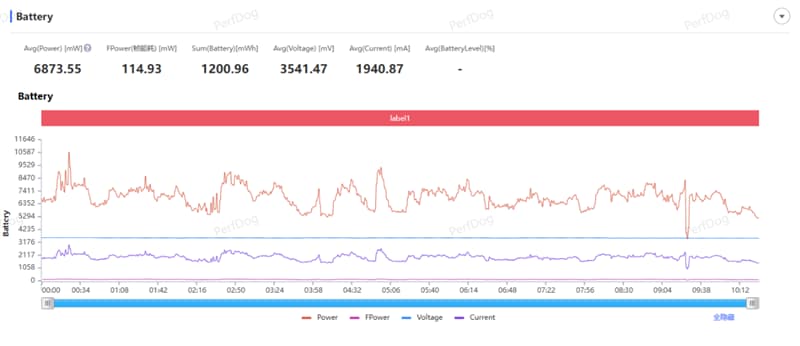
Power consumption reached approximately 6.87W, making it the highest result among the six games tested.
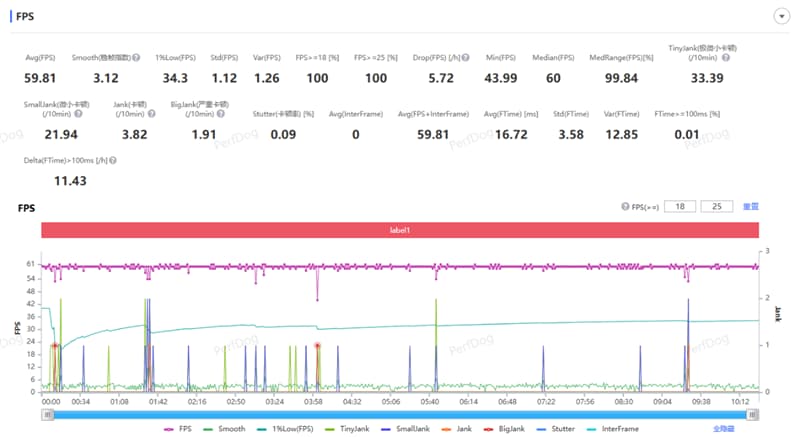
This is the clearest example of the phone’s gaming philosophy: strong native performance first, followed by frame interpolation when supported.
Gaming Performance: The Numbers
The tests demonstrate that the K100 Pro Max has substantial headroom across both competitive and demanding titles.
| Game | Displayed Frame Rate With Interpolation | Native/Rendered Frame Rate | Average Power |
|---|---|---|---|
| Honor of Kings | 144fps | ~72fps with interpolation | 3.32W |
| Delta Force | 185fps | ~92fps | 4.87W |
| CrossFire | 185fps | ~92fps | 4.36W |
| Genshin Impact | 120fps | 60fps | 4.29W |
| Arknights: Endfield | 120fps | ~59.84fps | 5.25W |
| Honkai: Star Rail | 120fps | ~59.81fps | 6.87W |
Overall, the K100 Pro Max has no major difficulty running the tested games at their native frame-rate limits.
The D2 chip adds another layer by allowing compatible games to take advantage of the 185Hz panel through frame interpolation.
For competitive shooters, the potential latency introduced by interpolation means native rendering remains preferable for some players. For single-player titles and visually demanding games, however, the smoother presentation can be a worthwhile trade-off.
Camera: 200MP Main Sensor and 5x Periscope Telephoto
Although gaming is clearly the K100 Pro Max’s primary focus, REDMI has also upgraded its camera hardware.
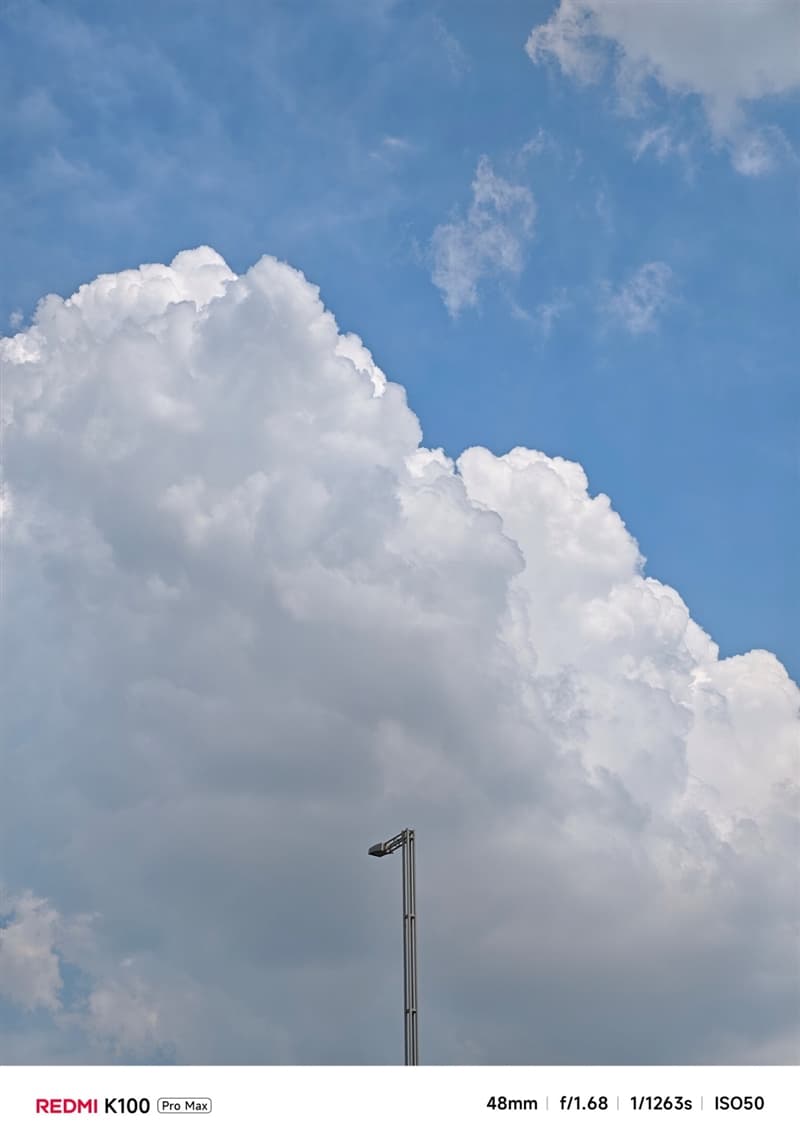
The main camera uses a 200MP HP5 sensor measuring 1/1.56 inches, paired with an f/1.68 aperture and a 24mm-equivalent focal length.
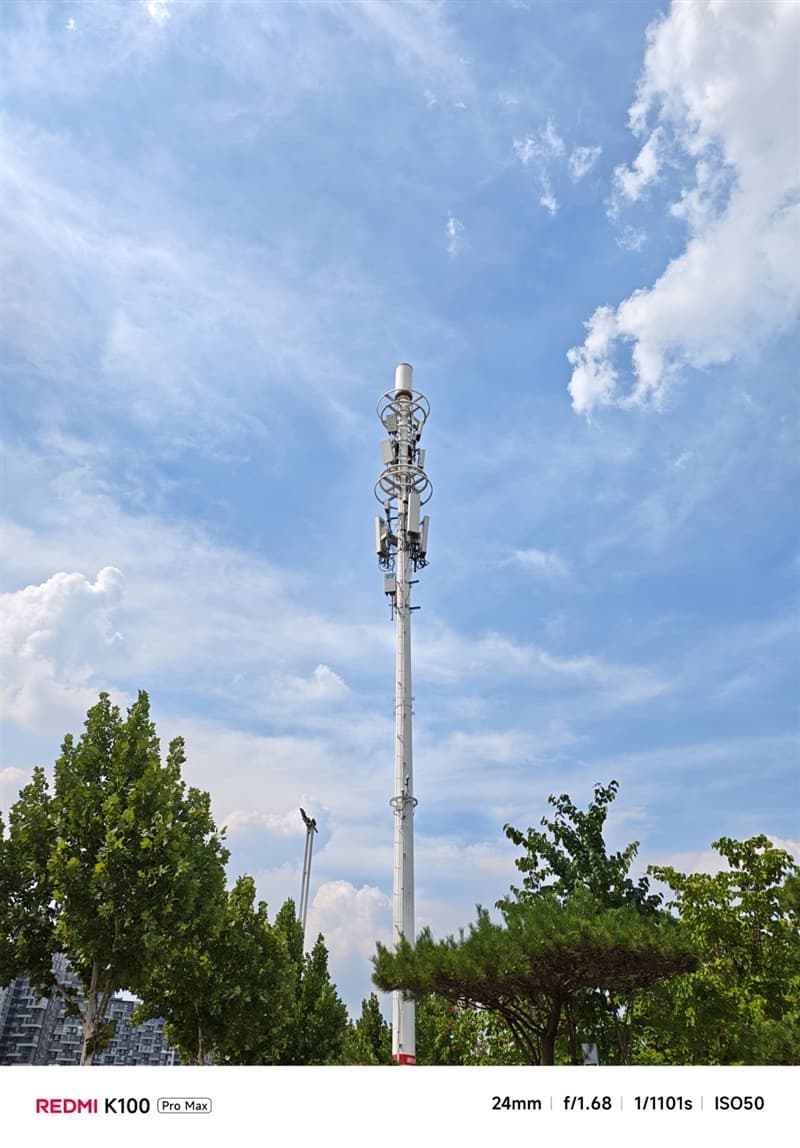
The main camera supports 2x lossless zoom, allowing users to obtain a tighter composition without immediately switching to the telephoto camera.
The second major camera is a 50MP periscope telephoto using a JN5 sensor. It offers a 5x optical zoom, a 120mm-equivalent focal length, an f/3.0 aperture and OIS optical stabilization.
The telephoto camera also supports 2x lossless cropping within its optical range.
Completing the setup is a 50MP ultrawide camera with an f/2.4 aperture and a 17mm-equivalent focal length.


Together, the three cameras cover a wide focal range, from 17mm ultrawide to 240mm-equivalent long-range shooting.
Image Quality
The camera hardware gives the K100 Pro Max considerable flexibility for everyday photography.
The 200MP main camera can capture a high level of detail, while the 5x periscope camera is particularly useful for distant subjects, portraits and architectural details.
However, the K100 Pro Max does not receive the same Leica Master Photography color-processing system found on some Xiaomi premium models.
As a result, image rendering can depend more heavily on lighting and weather conditions.
For everyday photography and social-media use, however, the camera system provides a broad range of shooting options.
Battery Life: 9,070mAh Battery Delivers Over 18 Hours
Battery capacity is another major advantage of the K100 Pro Max.
The phone is equipped with a 9,070mAh battery using a silicon-carbon negative-electrode design with a reported 16% silicon content.
The battery’s energy density reaches approximately 914Wh/L, while the phone maintains a thickness of around 8.45mm.
Despite its large battery, the device does not adopt an excessively thick chassis.
The K100 Pro Max supports:
- 100W wired charging
- 50W wireless charging
- 27W wired reverse charging
- 22.5W wireless reverse charging
The reverse-charging capabilities allow the large battery to function as an emergency power source for accessories such as wireless earbuds, smartwatches and other smartphones.
The phone also supports Xiaomi’s proprietary fast-charging protocols as well as 100W PPS charging, meaning compatible third-party chargers can also provide high-speed charging.
Battery Life Test
In the BatteryDog endurance test, the REDMI K100 Pro Max achieved an impressive 18 hours and 3 minutes.
For moderate everyday usage, this suggests that the phone can potentially support around two days of use between charges, depending on individual usage patterns.
For a performance-oriented flagship with a large 6.9-inch high-refresh-rate display, this is a strong result.
100W Charging Test
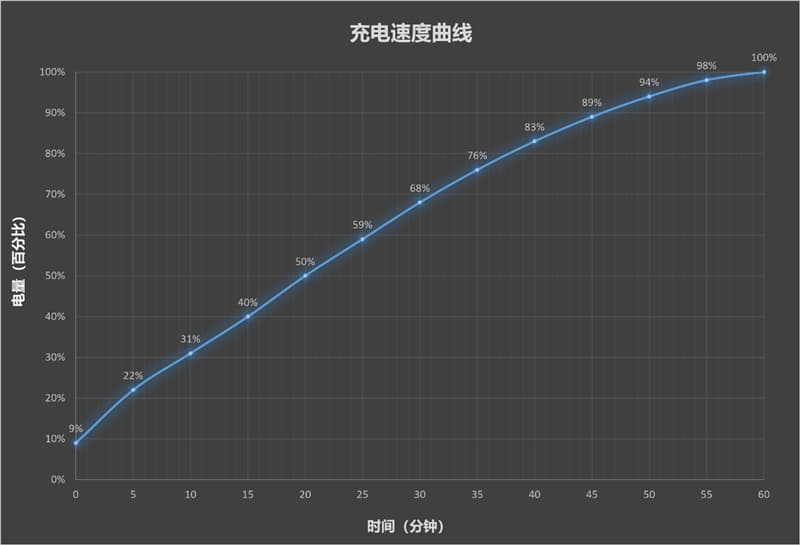
Using the bundled 100W charger, charging started at 9%.
The battery reached:
- 22% after 5 minutes
- 40% after 15 minutes
- 68% after 30 minutes
- 89% after 45 minutes
- 100% after 60 minutes
Charging slows significantly toward the end of the cycle as the phone enters a trickle-charging phase designed to protect battery health.
Reaching a full charge in approximately one hour is a solid result considering the phone’s exceptionally large 9,070mAh battery.
Protection and Connectivity
The K100 Pro Max also avoids making major compromises in everyday functionality.
The phone supports IP66, IP68 and IP69 protection ratings, providing extensive resistance against dust and water exposure.
It also retains NFC and an infrared blaster, expanding its usefulness beyond gaming and photography.
For users who rely on their phone as a universal remote or for contactless payments, these features add practical value.
REDMI K100 Pro Max: Pros and Cons
Pros
- 185Hz high-refresh-rate OLED display
- Strong native gaming performance
- Dedicated D2 graphics chip
- Up to 185fps displayed through frame interpolation in supported games
- Large 9,070mAh battery
- 100W wired charging
- 50W wireless charging
- BOSE 2.1-channel audio
- 200MP main camera
- 5x periscope telephoto camera
- IP66/IP68/IP69 protection
- NFC and IR blaster
Cons
- Frame interpolation can introduce additional input latency
- 185fps is not always native rendering
- Large 6.9-inch body may not suit users who prefer compact phones
- Camera processing is not positioned at the same level as Xiaomi’s Leica-focused flagships
Final Verdict: A Gaming Flagship With Few Obvious Weak Points
REDMI K100 Pro Max continues the company’s familiar strategy: deliver flagship-level performance while keeping the price-to-performance ratio as attractive as possible.
The biggest strength is undoubtedly gaming performance.
The combination of the fifth-generation Snapdragon 8 Supreme Edition and D2 dedicated graphics chip provides enough power to run virtually all of the tested mobile games at their native frame-rate limits. More importantly, the 185Hz display and frame-interpolation technology allow supported titles to reach 185fps, while games limited to 60fps can be displayed at up to 120fps through interpolation.
The 6.9-inch 185Hz display is another major highlight. It uses M11 luminous material, supports a wide color gamut, and offers extremely high peak brightness. The combination makes the screen well suited to both gaming and multimedia.
The BOSE 2.1-channel audio system is equally distinctive, with dual 1115D stereo speakers and a dedicated 1620 dual-voice-coil bass unit providing a more powerful audio experience than most smartphones.
The camera system is also much more capable than the phone’s gaming-oriented positioning might suggest, particularly thanks to its 200MP main camera and 5x periscope telephoto lens.
Finally, the 9,070mAh battery, 100W wired charging and 50W wireless charging give the phone exceptional endurance without making the chassis excessively thick.
There are still trade-offs. Frame interpolation can introduce some input latency, while the camera processing does not benefit from the more advanced Leica imaging system found on Xiaomi’s higher-end photography-focused devices.
But those compromises make sense given the phone’s priorities.
For gamers, power users and buyers who value performance, battery life, high-refresh-rate gaming and multimedia capabilities, the REDMI K100 Pro Max is an unusually comprehensive package.
With smartphone memory and component costs continuing to put pressure on device pricing, the K100 Pro Max could prove to be one of the more compelling high-value flagship phones of 2026—particularly for users who want maximum gaming performance without paying a premium for features they may never use.