









Igeekphone News, June 9th: Since the iPhone X launched the era of full-screen displays in 2017, Apple phones have taken a completely different product path from the Android camp.
From the first-generation iPhone X to the iPhone 13 series, all high-end iPhones have consistently adopted the highly distinctive notch screen design. However, it was not until the iPhone 14 Pro series that Apple transformed the notch screen into the sleek and dynamic “pill-shaped” design.
The core reason why Apple has consistently reserved a large irregular area on the front of the screen for its exclusive 3D Face ID facial recognition module is to provide sufficient space for the placement of components. Meanwhile, most of the Android devices at the same time adopted the scheme of a single cutout combined with screen fingerprint recognition.
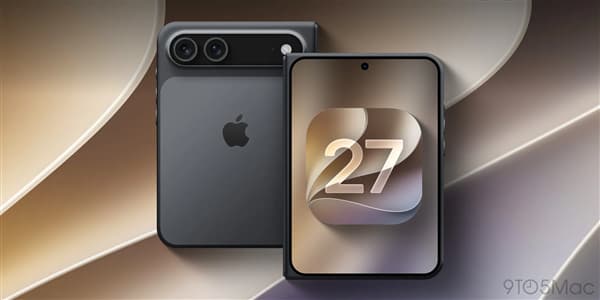
Entering 2026, the upcoming foldable flagship iPhone Ultra will completely abandon Apple’s Face ID facial recognition system that has been used for nearly a decade. The latest leaked information about the prototype devices has confirmed this. The iPhone Ultra will ultimately adopt a single-hole front display design similar to that of Android, making it the first iPhone in Apple’s history to feature a single-hole screen design.
According to the publicly disclosed details, the front camera notch on the outer screen of the iPhone Ultra is centered, while the front camera notch on the inner screen, when unfolded, is located in the upper left corner of the screen. The unlocking mechanism has also been changed to a side-fingerprint recognition system.

This device is a wide-format folding flagship with a horizontal opening design. It features a 5.3-inch external screen and a 7.8-inch internal screen. It will be the first to be equipped with Apple’s latest A20 Pro flagship chip. It has a rear camera with 48 million pixels and a built-in battery capacity exceeding 5000mAh. Its battery life has significantly improved compared to previous generations of iPhones.
In order to balance the lightweight feel of the foldable screen and the nearly full-screen visual experience, Apple voluntarily abandoned the Face ID interaction method that it had adhered to for nearly a decade. This iPhone Ultra has become the iPhone with the most significant appearance changes in the past decade.