









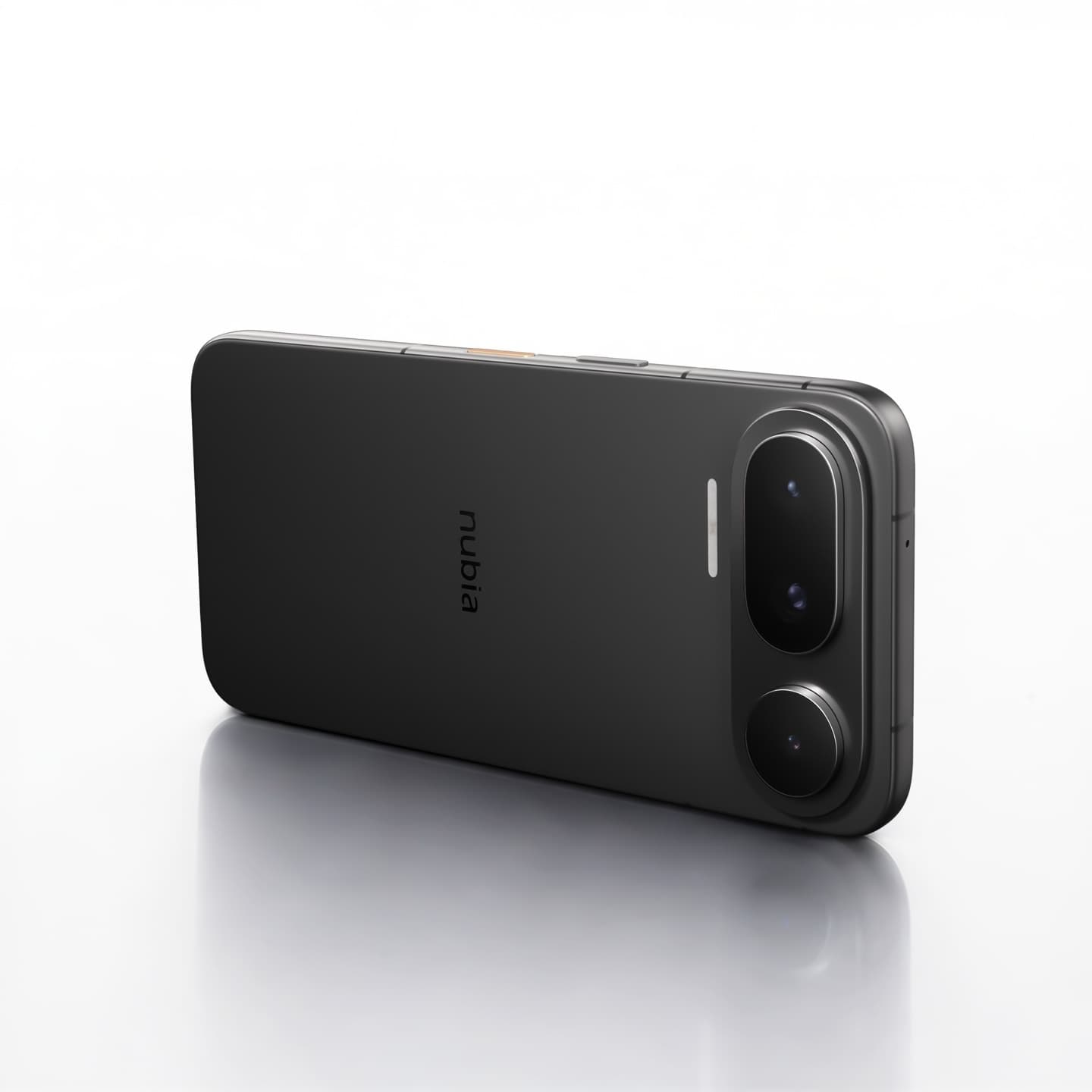
Nubia is continuing to build anticipation for its upcoming NaviX Ultra smartphone, with the company revealing more details about the device ahead of its official launch.
According to Nubia’s latest teaser, the NaviX Ultra will feature a Qualcomm Snapdragon processor and an OLED display supplied by BOE. The company has also confirmed that the new smartphone is scheduled to launch sometime this month.
One of the phone’s major highlights will be its AI smartphone capabilities. The NaviX Ultra is expected to come with the Doubao smartphone assistant, while reports from LatePost indicate that Nubia has adjusted how it plans to work with major third-party apps such as those from Alibaba and Tencent.
Rather than relying on a system that reads the screen after obtaining user permission and then simulates taps and other human-like interactions through GUI technology, the new approach is reportedly designed to change how the AI assistant interacts with these popular applications.
Flagship Snapdragon Chip Could Power the NaviX Ultra
Although Nubia has not yet officially confirmed the exact Snapdragon model, previous reports suggest that the NaviX Ultra could be powered by the Snapdragon 8 Elite Gen 5, Qualcomm’s next-generation flagship mobile platform.
The phone is also rumored to pack a 7,000mAh silicon-carbon battery, which would give it a substantial capacity for users who prioritize long daily endurance. Charging support is expected to include 90W or 100W wired fast charging, along with wireless charging.
If these specifications are confirmed, battery life and charging speed could become two of the phone’s major selling points.
Triple-Camera Setup and High-Resolution Front Camera
Photography is expected to be another important part of the NaviX Ultra.
The smartphone is rumored to feature a 50MP primary camera, paired with an ultrawide camera and a periscope telephoto lens. This combination would give the device greater flexibility for everyday photography as well as longer-distance shots.
On the front, the NaviX Ultra could use a 50MP high-resolution selfie camera, potentially making it attractive to users who place a strong emphasis on selfies, video calls and front-facing imaging.
What the NaviX Ultra’s AI Agent Could Actually Change
The most interesting part of the NaviX Ultra is not simply that it comes with an AI assistant. Its bigger ambition is to make the AI agent part of the way the phone operates. Instead of asking an assistant a question and then manually opening another app to complete the task, users can give the phone a broader instruction and let the agent determine the steps required to reach the desired result.
This could make everyday tasks feel very different. For example, a user might ask the NaviX Ultra to compare prices, organize information, plan a trip, or complete a sequence of actions across supported applications. The key difference is the move from AI that provides an answer to AI that attempts to complete a task.
That distinction is important. Traditional smartphone AI is generally strongest when it handles individual functions such as summarizing text, generating content, translating languages, editing photos, or answering questions. An agentic phone takes a more task-oriented approach: it needs to understand the user’s intention, determine what actions are required, and coordinate those actions across different parts of the phone.
The NaviX Ultra also highlights an important change in how AI assistants may interact with third-party apps. Rather than simply relying on an AI model to understand a conversation, the phone needs appropriate connections to the services it wants to control. Reports indicate that the NaviX Ultra is pursuing cooperation with major app providers and compatible interfaces, meaning the practical range of its cross-app capabilities may depend on which services support the required integration.
This is potentially more significant than another chatbot feature because it changes the user’s role. Instead of learning which app to open and which menu to select, the user can focus on describing the intended outcome. In theory, the phone handles more of the intermediate steps.
However, this approach also needs to prove itself in real-world use. AI agents can encounter problems when an app changes its interface, a requested action requires confirmation, or a service does not provide the necessary access. For that reason, the NaviX Ultra’s real value will depend not only on its AI model but also on the number of supported services, the reliability of task execution, and how well the system handles failed or incomplete actions.
If Nubia and its partners can make these interactions reliable, the NaviX Ultra could represent a meaningful shift from a smartphone with AI features to a smartphone where AI becomes a more active layer of everyday interaction.
Distinctive Colors and a Dedicated AI Button
Nubia is also expected to give the NaviX Ultra a recognizable exterior design.
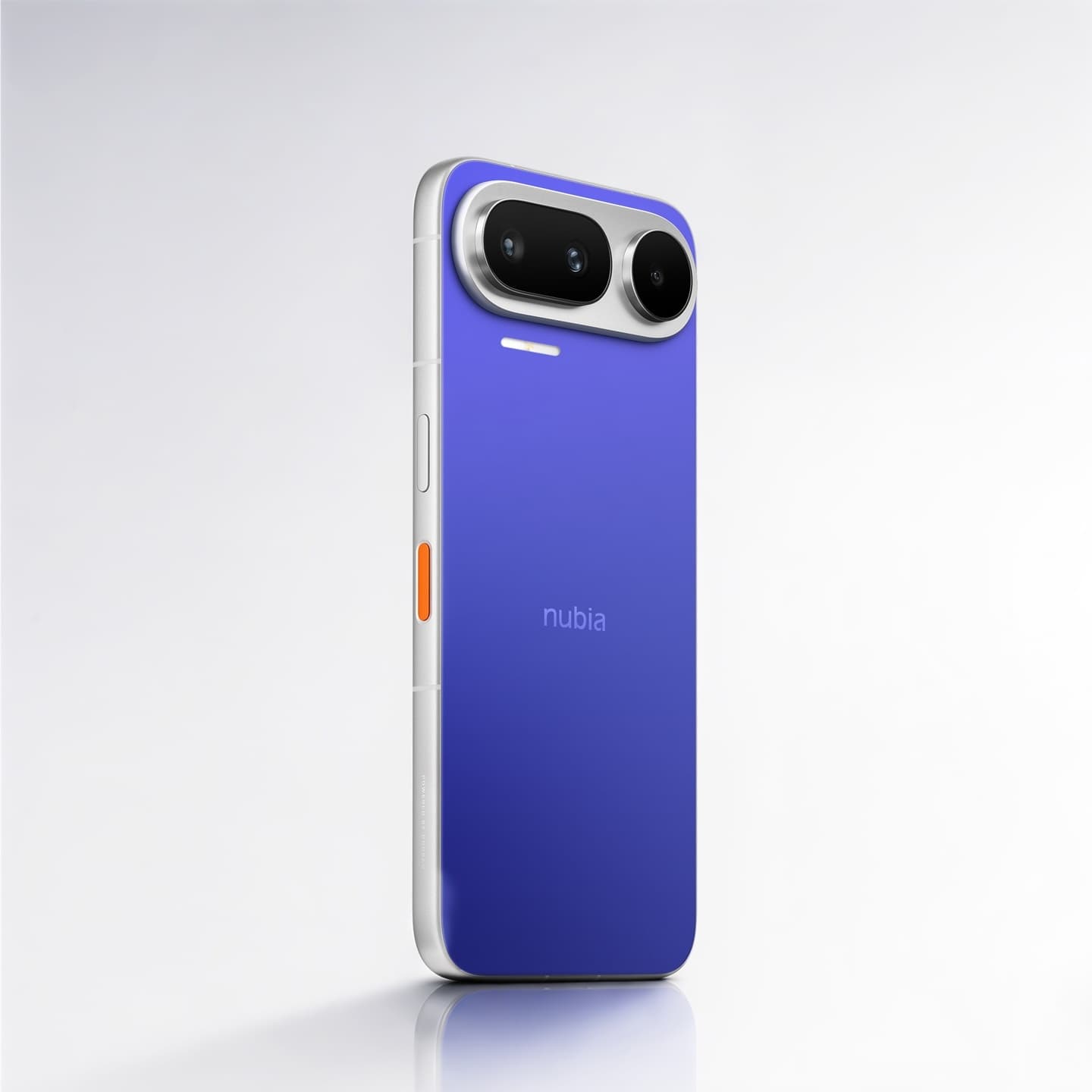
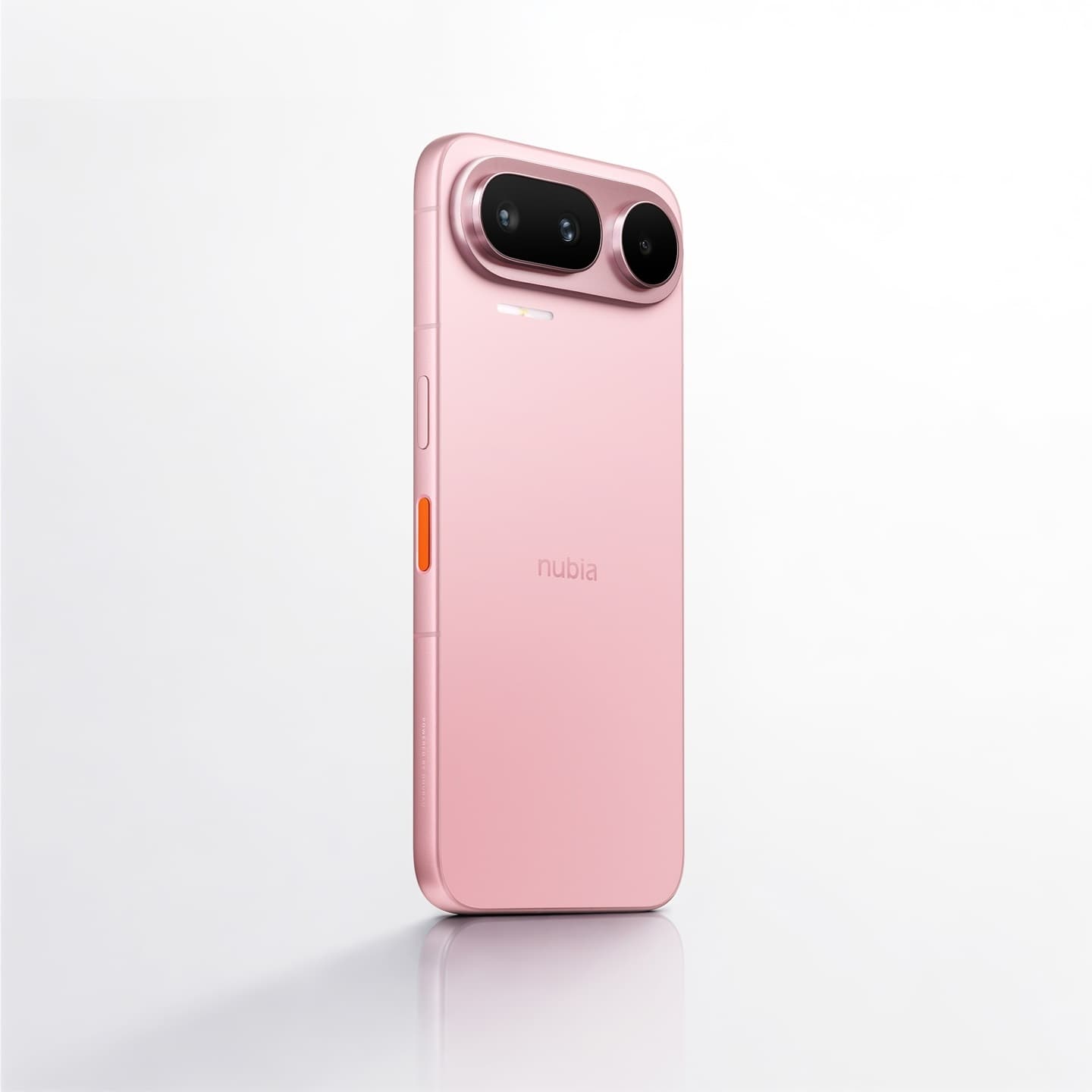
The phone is reportedly set to arrive in Blue Realm, Dream, Black and White color options. One particularly noticeable detail is an orange-colored AI button, which appears to be designed to provide quick access to the phone’s artificial intelligence features.
At the rear, the smartphone is expected to adopt a horizontal camera module, giving the NaviX Ultra a distinctive visual identity compared with many current flagship phones.
Launch Expected in September
The Nubia NaviX Ultra is currently scheduled to debut this month, although the company has yet to reveal all of its specifications and pricing details.
For now, the combination of a next-generation Snapdragon platform, BOE OLED display, large silicon-carbon battery, high-resolution cameras and dedicated AI controls makes the NaviX Ultra an interesting upcoming flagship.
More information should become available as Nubia continues its official countdown toward the launch.