










Years ago, MediaTek processors were mostly seen in budget smartphones. Their performance and camera capabilities simply couldn’t match those of their competitors, making them a natural fit for lower-end models rather than flagship devices.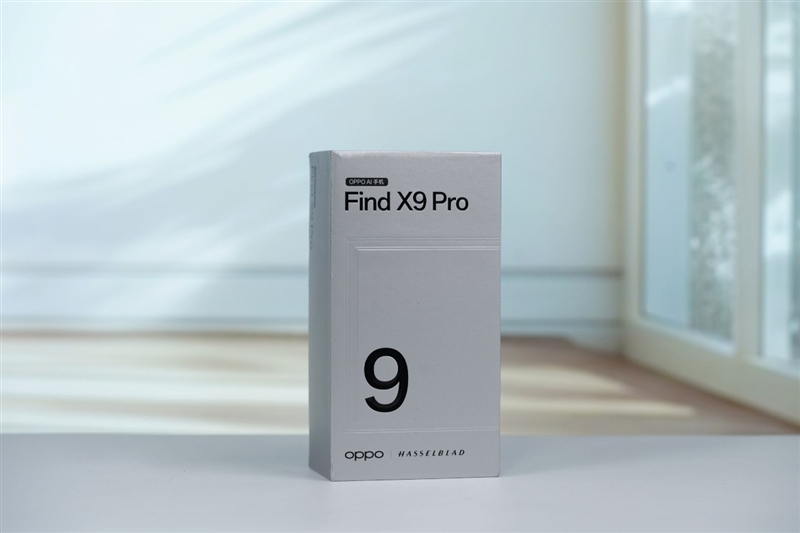
The first major brand to take a chance on MediaTek was Meizu, with its Pro 7 launched in 2017. Unfortunately, despite its ambitious approach, the phone’s weak camera performance left a poor impression, and Meizu never quite regained its footing.
A year later, OPPO stepped in with the R15 series powered by the Helio P60 chip. This time, things were different — the R15’s photography performance reached flagship levels, shifting the public perception that MediaTek chips couldn’t handle high-end imaging. That success spoke volumes about OPPO’s strong camera R&D capabilities.
Fast forward to October 16, 2025 — OPPO officially launched the Find X9 Pro, featuring MediaTek’s Dimensity 9500 chipset. OPPO remains the same trusted innovator, but MediaTek has clearly evolved into something far more capable.
The Dimensity 9500 is built using TSMC’s cutting-edge 3rd-generation 3nm process, packing over 30 billion transistors. Its architecture includes one 4.21GHz C1-Ultra super core, three 3.5GHz C1-Premium super cores, and four 2.7GHz C1-Pro large cores. With all eight cores delivering flagship-level performance, raw power isn’t the surprise here — efficiency is.
In fact, the Dimensity 9500 outperforms Qualcomm’s Snapdragon 8 Elite Gen 5 not just in performance consistency but also in energy efficiency, marking the first time MediaTek has truly surpassed Qualcomm in the high-end segment. Further testing will only highlight how far MediaTek has come.
When it comes to photography, OPPO continues to prove why it’s one of the most reliable names in mobile imaging.
In the past, shooting at native high resolutions often introduced heavy noise due to the small pixel size on sensors, forcing most brands to rely on pixel binning (such as 4-in-1 or 8-in-1) to improve light capture. OPPO’s Find X9 Pro, however, takes a different route. Its LUMO super-pixel engine captures four rapid exposures at high shutter speeds and fuses them into a single, high-resolution image. The result is stunning — reduced noise, preserved detail, and true-to-life clarity.
Whether it’s the 200MP telephoto lens or the 50MP main camera, the Find X9 Pro delivers exceptional native-resolution images without compromising quality.
OPPO’s latest flagship doesn’t just showcase how far MediaTek has come; it proves how the partnership between hardware and software innovation can redefine what a smartphone camera can achieve.
Design and Build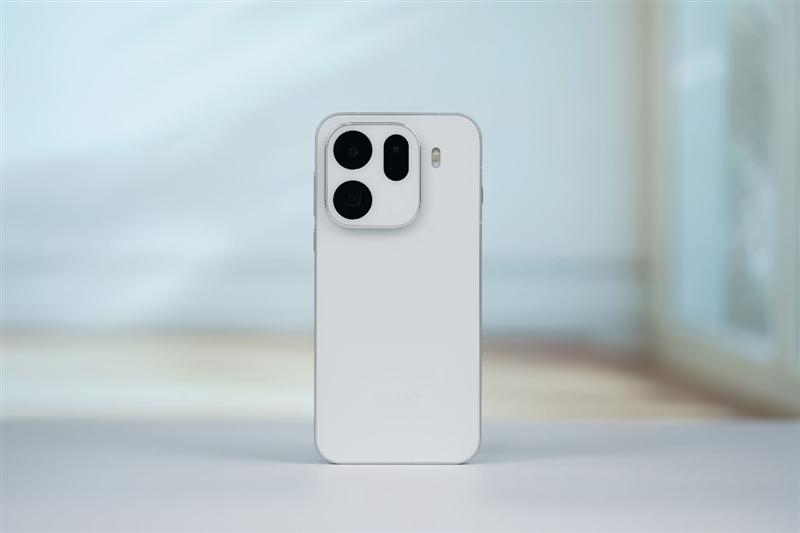
The main camera sees a major upgrade from the previous generation’s LYT-808 (1/1.4-inch) sensor to the new LYT-828 (1/1.28-inch). This change increases light intake per pixel by 18%, improving clarity and low-light performance. With a 23mm focal length and an ultra-wide f/1.5 aperture, it also covers wide-angle needs naturally, removing the need for a separate wide-angle lens.
Beneath the main lens is a 200-megapixel 3x HP5 Hasselblad telephoto camera. It features a 70mm focal length, a 1/1.56-inch sensor, and supports pixel merging for flexibility. Depending on the mode, it can produce 50MP (1.0μm) or 12.5MP (2.0μm) images—balancing detail and efficiency perfectly.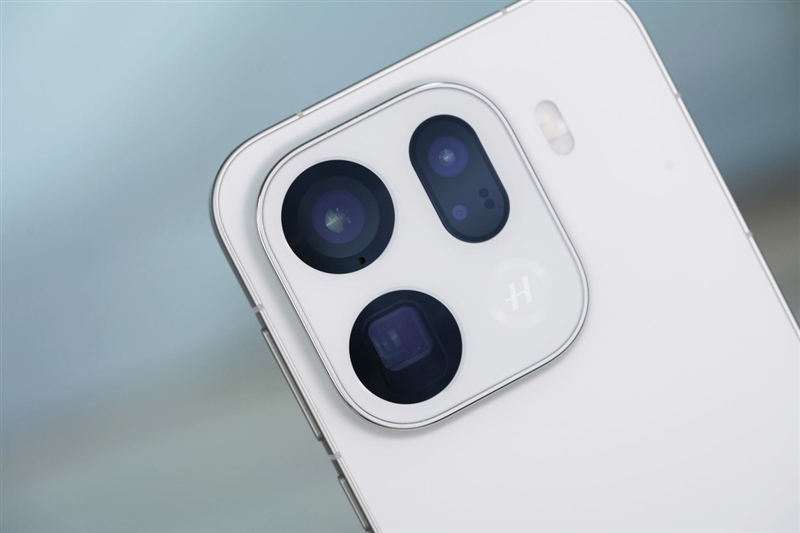
On the color side, OPPO continues its partnership with Hasselblad, offering professional-grade color calibration and natural color optimization. The result is true-to-life tones—whether you’re shooting portraits, cityscapes, or sunsets, the photos retain their depth and natural balance without looking overprocessed.
Up front, the phone features a 6.78-inch ultra-clear diamond display with a 2780×1264 resolution. It supports 10-bit color depth, a 1–120Hz adaptive refresh rate, and an impressive 4500nit peak brightness (1600nit globally). Even in low light, it can maintain a comfortable 1nit brightness for night use.
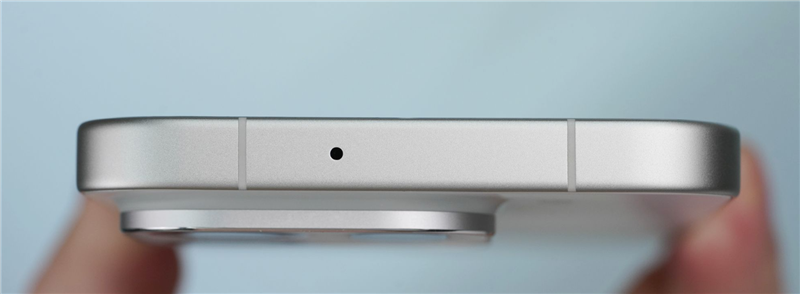
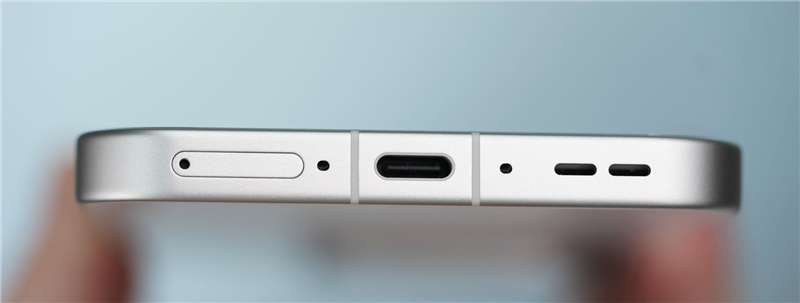
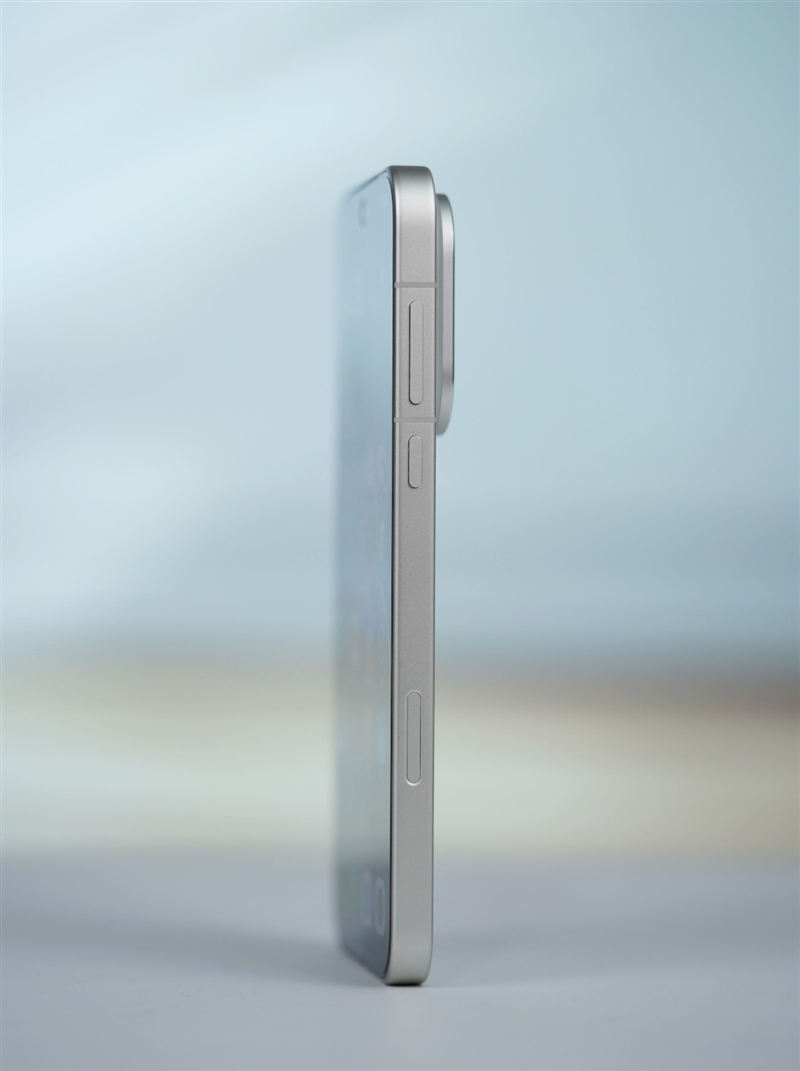
For audio and usability, the device comes with dual microphones and an infrared sensor at the top, and a bottom speaker that works with the earpiece to create a stereo effect. The bottom layout includes a SIM card slot, Type-C port, and an additional microphone.
All buttons—the power, volume, and a new snapshot quick-start button—sit on the right side. This extra button is pressure-sensitive, allowing you to launch the camera directly from the lock screen. A double-tap opens the camera, a single tap captures a photo, a long press activates burst mode, and sliding within the camera app adjusts zoom.
Powering all of this is OPPO’s 80W SuperVOOC charging system (11V/7.3A), with an 80W fast charger included in the box.
In short, the OPPO Find X9 Pro refines the smartphone photography experience—fewer cameras, smarter design, and pro-level imaging that feels effortless in everyday use.
Gaming Performance
Benchmark numbers can often be misleading — especially when they’re run under unrealistic conditions, like testing a phone inside a refrigerator just to boost the score. Those results don’t represent how a phone actually performs in daily use. So instead of chasing artificial benchmarks, we focused on real-world gaming tests at normal room temperature to see which chip — the Dimensity 9500 or the Snapdragon 8 Elite Gen5 — delivers better energy efficiency and longer gaming endurance.
1. Genshin Impact
Settings: Ultra High graphics, 60 FPS cap.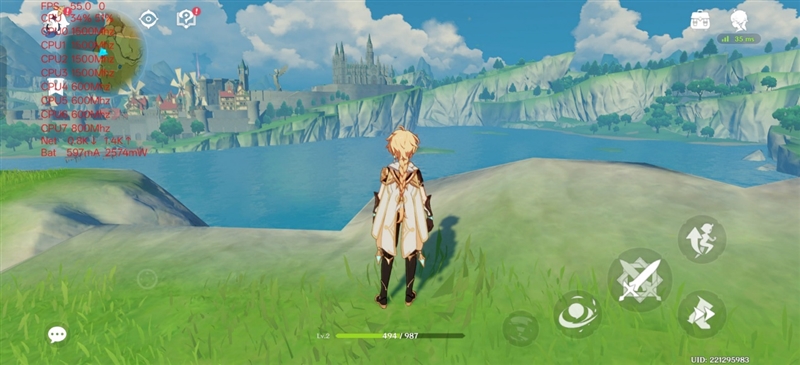
The Dimensity 9500 held a consistent frame rate around 55 FPS, drawing 2575mW of power. Meanwhile, the Snapdragon 8 Elite Gen5 maintained a smoother 60 FPS throughout the test, showing a slight edge in raw performance.
2. Honkai: Star Rail
Settings: Very High graphics, 60 FPS cap.
The Dimensity 9500 started strong at 60 FPS but dropped to 55 FPS after about ten minutes. The Snapdragon 8 Elite Gen5 also showed signs of instability after three minutes, hovering around 59 FPS with a higher total power draw of 5713mW.
3. Operation Delta
Settings: Extreme graphics, 90 FPS locked.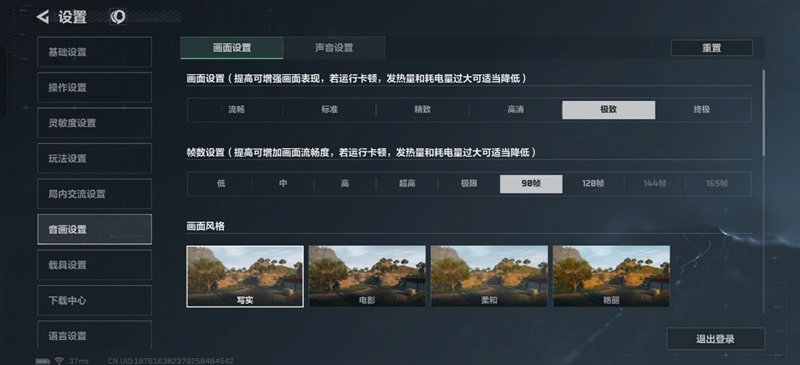
Both processors performed flawlessly here, maintaining a rock-solid 90 FPS from start to finish.
4. Honor of Kings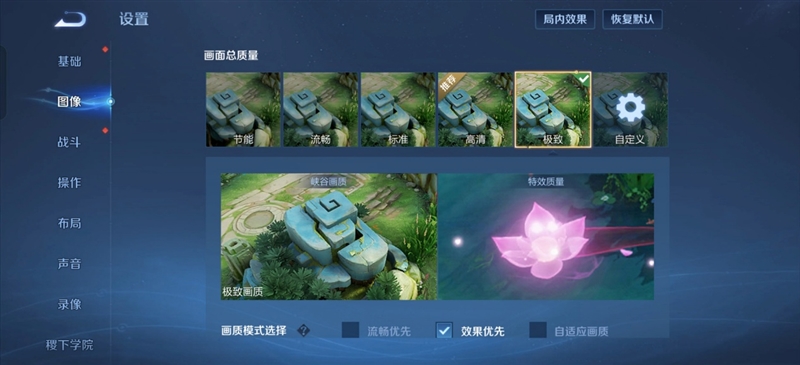
Settings: Extreme graphics, Very High frame rate, Ultra High resolution, anti-aliasing on.
Both chips handled this title easily, sustaining 120 FPS throughout gameplay. The total system power draw for this test was around 2561mW, with neither processor showing any sign of throttling.
Results and Summary
Across the four games tested, the Dimensity 9500 consistently showed better power efficiency in three of them — Genshin Impact, Honkai: Star Rail, and Honor of Kings. On average, its power consumption was about 16% lower than the Snapdragon 8 Elite Gen5, without sacrificing noticeable performance.
The only exception was Operation Delta, where the Snapdragon 8 Elite Gen5 likely benefited from specific optimization, giving it a slight efficiency advantage.
Overall, the Dimensity 9500 demonstrated roughly 7% better energy efficiency compared to the Snapdragon 8 Elite Gen5. In practical terms, with a 7500mAh battery, that translates to about 8% longer gaming time — a clear win for gamers who value both performance and endurance.
200MP vs 50MP Telephoto
Let’s take a closer look at how a 200MP telephoto camera stacks up against a 50MP telephoto in terms of real-world detail and image quality.
The 200MP shot was taken at 1/697s exposure with ISO 50, while the 50MP image used a 3x optical zoom at 1/444s exposure and ISO 100. Since web pages can’t display full 16K resolution, we’ll zoom in on sections of both photos to compare how each sensor handles fine details.
When magnified, the difference becomes clear. The 50MP photo shows noticeable softness along the edges and some smearing when zoomed in. In contrast, the 200MP image maintains sharp edges, natural transitions between colors, and an overall richer texture.
Landscape & Focal Length
For landscape shots, the 70mm telephoto macro captures a clean and balanced frame. The main camera’s 15mm wide-angle lens keeps edge distortion impressively low—barely noticeable even in wide scenes. The standard main lens uses a 23mm focal length for a more natural perspective.
The 50MP Hasselblad telephoto delivers solid performance with crisp contrast and balanced tones. However, the 200MP Hasselblad telephoto goes a step further. Despite having half the exposure time of the 50MP shot, it retains more intricate detail, producing a sharper and more refined image.
Both setups handle dynamic range well, but the 200MP sensor clearly captures more depth and realism in textures—whether in landscapes, portraits, or zoomed-in details.
In short, while the 50MP camera delivers reliable results, the 200MP telephoto stands out for its superior clarity, smoother color transitions, and lifelike rendering—making it the more capable choice for those who prioritize detail.
Charging and Battery Life
Charging Test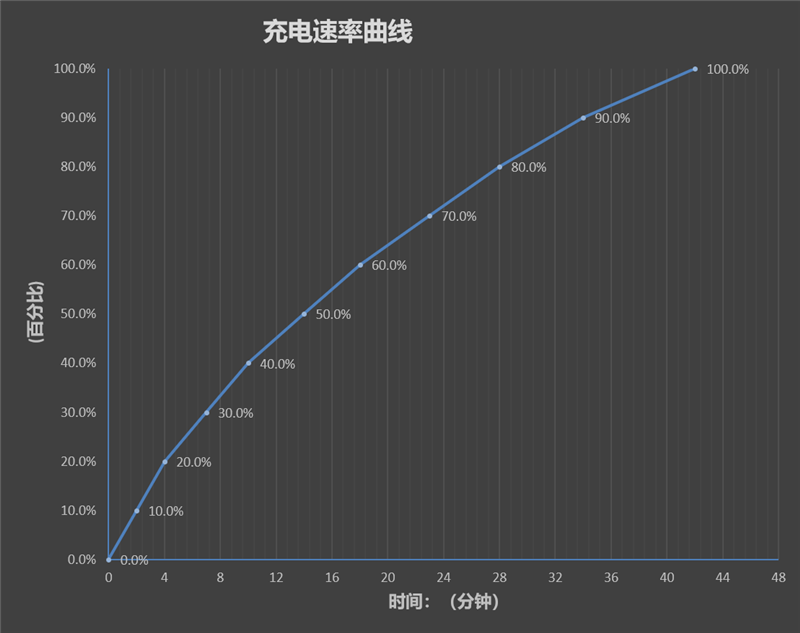
The OPPO Find X9 Pro comes with a large 7500mAh battery and supports 80W fast charging. In real-world testing, the phone charged to 40% in just 10 minutes, hit 80% at the 28-minute mark, and reached a full 100% charge in about 42 minutes. That’s impressive efficiency for a battery this size, balancing both speed and longevity.
Battery Endurance Test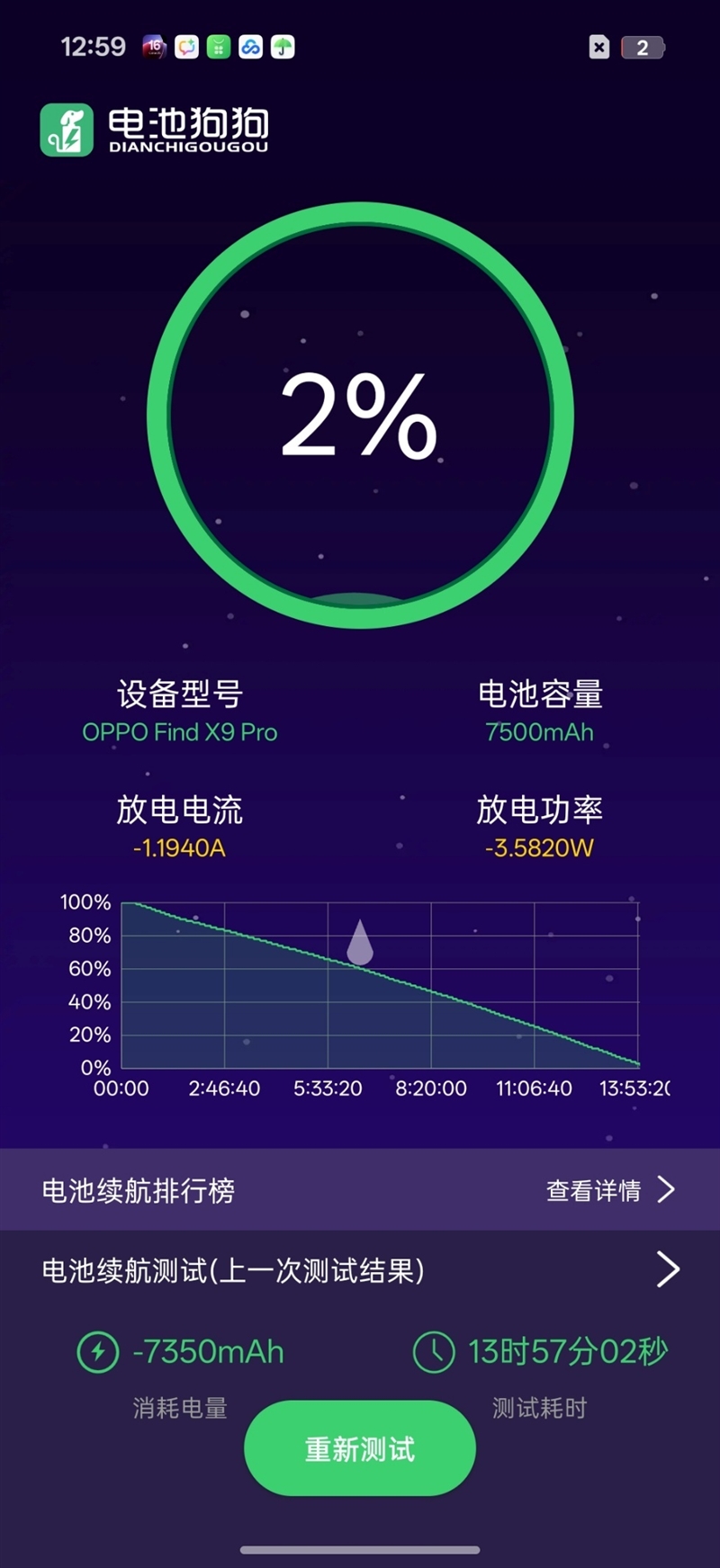
For endurance testing, the screen brightness was set to 50%, Wi-Fi was turned on, and no SIM card was inserted. Using Battery Dog, the phone was discharged from 100% down to 2%, consuming a total of 7350mAh. The OPPO Find X9 Pro lasted an incredible 13 hours and 57 minutes in this controlled test. Among flagship smartphones, that’s currently one of the best endurance results recorded.
Genshin Impact Battery Test
To see how it handles heavy gaming, Genshin Impact was tested on “Ultra-High” graphics settings with the frame rate capped at 60FPS.
- At 20:55, the battery stood at 85%.
- After 30 minutes of gameplay (21:27), it dropped slightly to 81% — just a 4% decrease.
- By 21:50, after 55 minutes of gaming, the battery was still at 78%, meaning a total drop of only 7%.
Based on this rate, the OPPO Find X9 Pro can sustain nearly 13 hours of continuous Genshin Impact gameplay on a full charge — a remarkable achievement for a flagship device.
In short, OPPO has created a phone that not only charges quickly but also delivers exceptional endurance, making the Find X9 Pro one of the most balanced and battery-efficient flagships on the market today.
Verdict
MediaTek’s Dimensity series has long been a step behind Qualcomm’s Snapdragon chips — until now. The new Dimensity 9500 marks a real turning point. For the first time in years, MediaTek has produced a flagship SoC that not only competes with but actually outperforms its Snapdragon counterpart in several key areas.
When we compared real-world gaming performance and energy efficiency, the Dimensity 9500 consistently impressed. In demanding titles like Genshin Impact, Honkai Impact 3rd, and Honor of Kings, it consumed about 16% less power than the Snapdragon 8 Elite Gen5 while maintaining nearly identical frame rates. That efficiency directly translates into roughly 16% longer gaming battery life — a noticeable difference during long play sessions.
Heat management is another area where the Dimensity 9500 shines. Since smartphones rely on passive cooling, lower power draw means cooler operation. During extended gameplay, devices powered by the Dimensity 9500 stay noticeably cooler to the touch than those running Snapdragon 8 Elite Gen5.
The only game where Snapdragon still has an edge is Delta Action, largely because it’s more heavily optimized for Qualcomm hardware. With better developer collaboration, MediaTek could easily close that gap.
Better energy efficiency doesn’t just keep temperatures down — it also extends battery life across the board. In our tests, the OPPO Find X9 Pro, equipped with a Dimensity 9500 and a massive 7500mAh battery, lasted 13 hours and 57 minutes on the Battery Dog endurance test — currently the best battery performance among flagship phones.
Even in a demanding real-world test, playing Genshin Impact for 55 minutes drained only 7% of the battery. That means a full charge could deliver around 13 hours of continuous gameplay. For comparison, back in 2022, the Snapdragon 8+ Gen 1 paired with a 6000mAh battery managed just 4.5 hours. In only three years, MediaTek has effectively tripled gaming endurance.
It’s hard not to appreciate how far mobile hardware has come — the days of overheating phones and two-hour gaming limits, like the old Snapdragon 888 era, are finally behind us.
Now, onto photography.
In the past, high-resolution sensors often struggled with noise due to their tiny individual pixels. The usual fix was pixel binning — combining multiple pixels into one to improve light capture and reduce noise, sacrificing some sharpness in the process.
With the LUMO Super Pixel Engine on the OPPO Find X9 Pro, things work differently. The phone captures four rapid exposures in quick succession, then merges them to produce a single high-resolution image. The result? A native-resolution photo that retains incredible detail while keeping noise under control.
Using the telephoto lens, we shot 200-megapixel images and compared them to 50MP samples from a standard 4-in-1 binned mode. The difference was clear — the 200MP shots were sharper, brighter, and cleaner overall.
With innovations like these, smartphones have truly stepped into the ultra-clear photography era. You can now capture 200MP telephoto shots or detailed 50MP main camera photos straight from your pocket — no compromise required.
The OPPO Find X9 Pro has plenty more to offer, from its ultra-low 1-nit brightness display to the OPPO Super Image Scheduler and Suha Pro Video mode. We couldn’t cover every detail here, but future reviews will dive deeper into these standout features to help you see just how capable this flagship really is.
Read Also: OPPO Find X9 Makes its Global Debut! ColorOS 16 will be released