









Igeekphone News, December 2nd: Samsung officially released Galaxy Z TriFold today. This is its first triple-foldable phone.
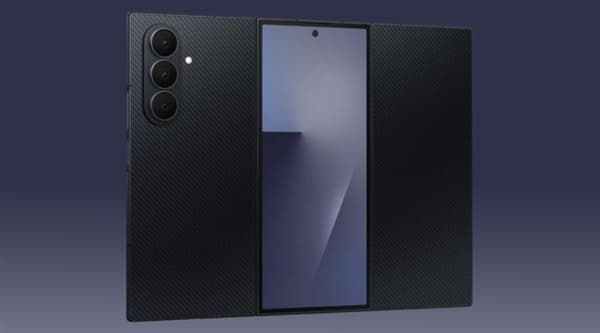
Samsung said in a press release that this new form “should have come out long ago” and claimed that it “fully demonstrates engineering excellence through the most advanced foldable technology and is optimized specifically for the unique needs of multi-fold designs”. In terms of appearance, the Galaxy Z TriFold is extremely thin and can even rival the Galaxy Z Fold 7. The Samsung Galaxy Z TriFold adopts an inward folding design, with both sides folding against each other to protect the main display screen. This device also features multiple screen prompts and vibration functions. If the user folds the device incorrectly, it will automatically send out a reminder.
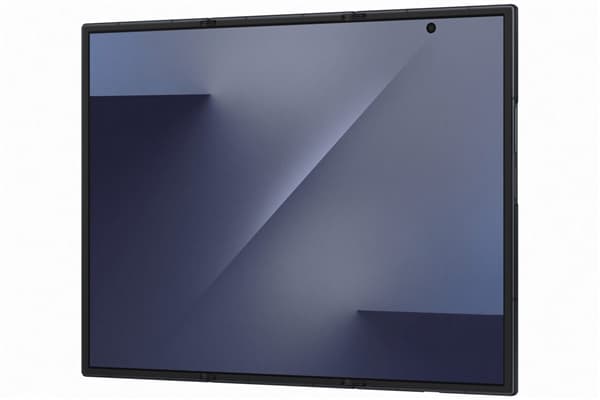
Specifically looking at the hardware specifications, when the Galaxy Z TriFold is unfolded, it features a 10-inch Dynamic AMOLED main display with a QXGA resolution, supporting a 120Hz refresh rate and a peak brightness of 1600 nits. When unfolded, the provided screen space is equivalent to the size of three 6.5-inch smartphones. Users can open three different applications side by side simultaneously and even resize them in multi-window mode. In addition, the device is equipped with a 6.5-inch outer screen with a peak brightness of up to 2,600 nits. It is worth mentioning that with such a huge screen size, the Galaxy Z TriFold has become the first mobile phone to support the “standalone Samsung DeX”, allowing users to build a complete mobile office environment anytime and anywhere.
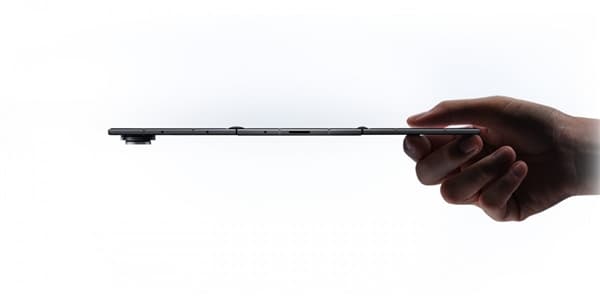
In terms of body size, when the Galaxy Z TriFold is unfolded, the thinnest part (including the SIM card tray area) is only 3.9 millimeters, the thickness in the center of the screen is 4.2 millimeters, and the thickness of the side button area is 4.0 millimeters. The whole machine weighs only 309 grams and adopts Corning Gorilla Glass Ceramic 2 to cover the outer screen, titanium alloy hinge and high-strength armored aluminum body.
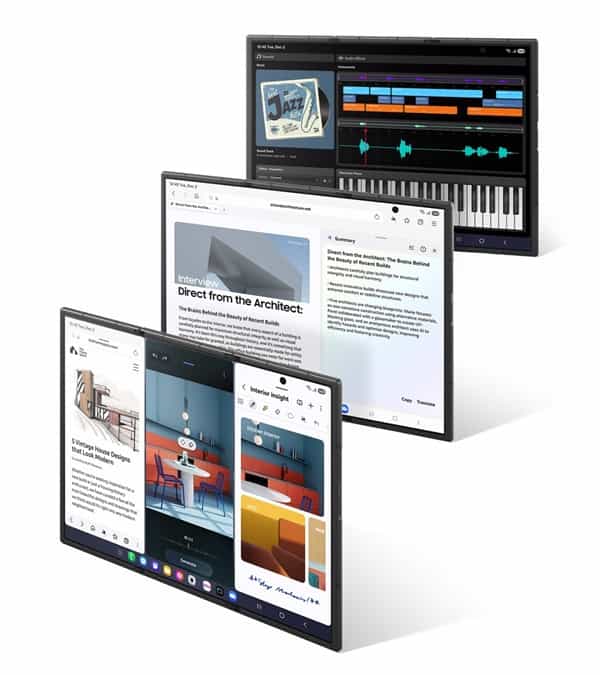
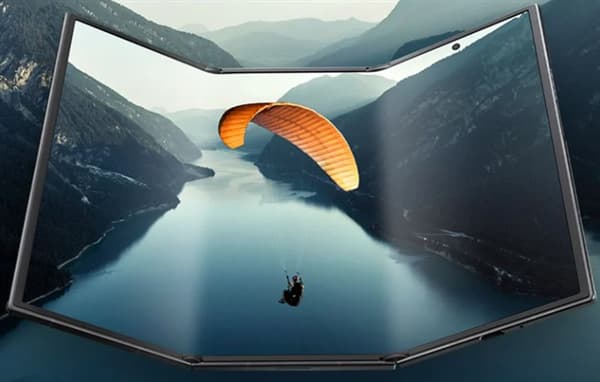
Samsung has specially developed two different sizes of hinges for this device to ensure a smoother folding process and that the three panels close tightly without any gaps. This device also features an IP48 protection rating, effectively resisting fresh water immersion and the intrusion of solid foreign objects.
In the folded state, the back design of the Galaxy Z TriFold is quite similar to that of the Galaxy Z Fold 7, equipped with a vertical pill-shaped camera island containing a triple-camera system: the main camera is a 200-megapixel wide-angle sensor that supports 2x optical quality zoom; It is equipped with a 12-megapixel ultra-wide-angle lens and a 10-megapixel telephoto lens. The outer screen is equipped with a 10-megapixel front camera, while the main screen integrates another 10-megapixel under-display camera.
In terms of core configuration, the Galaxy Z TriFold is equipped with the Snapdragon 8 Elite for Galaxy chip customized specifically for Samsung (3-nanometer process), has a built-in 5600mAh large-capacity battery, and supports Super Fast Charging 2.0 (45W fast charging). It can be charged to 50% in about 30 minutes. In terms of storage, this device comes standard with 16GB of RAM and offers two internal storage options: 512GB or 1TB.
At the software level, this device is pre-installed with the Android 16 operating system and One UI 8 user interface from the factory, and only one color option is provided: “Crafted Black”. Furthermore, the latest Galaxy AI capabilities and Gemini Live will be deeply integrated into the system, bringing a multimodal AI experience.
The Galaxy Z TriFold supports 5G, LTE, Wi-Fi 7 and Bluetooth v5.4, but does not support Ultra-Wideband (UWB).
Samsung Galaxy Z TriFold will be first available in South Korea on December 12th, with a starting price of 3.5904 million won (Note from Igeekphone: The current exchange rate is approximately 17,302 yuan), and it will be available in China, Singapore and the United Arab Emirates before the end of this month. Samsung will also release this mobile phone in the United States in the first quarter of 2026.