









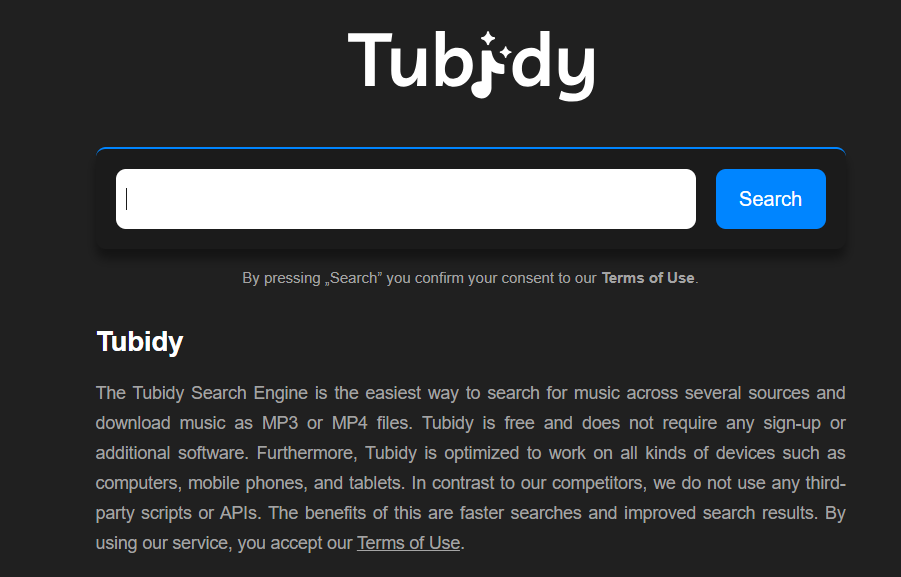
Digital technology has changed the way people experience music and video. Not long ago, enjoying a favorite song meant buying a physical album or waiting for it to play on the radio. Watching a video required access to television broadcasts or DVDs. Today, nearly everything is available online. Alongside subscription-based streaming services, free music and video search tools have become part of everyday digital life.
Platforms such as tubidy are examples of online tools that allow users to search for and access media without paying a subscription fee. While these platforms may differ in layout or technical structure, they share a common goal: making digital content easier to find and access. Understanding their role helps explain why they continue to attract users across different regions and age groups.
Why Free Media Access Matters
Access to music and video is more than entertainment. It connects people to culture, education, and community. For many individuals, especially in developing regions or areas with limited financial resources, paying for multiple streaming services is not practical. Free search-based platforms help reduce this barrier.
A young person exploring global music trends might not have the budget for paid subscriptions. A family in a remote area may rely on basic internet access for entertainment and information. In such cases, platforms similar to tubidy offer a way to search for songs, speeches, interviews, or short videos without additional financial pressure.
Accessibility also includes device compatibility. Many free media platforms are designed to function on older smartphones or slower internet connections. This makes them usable in environments where high-speed data and advanced devices are not guaranteed.
Supporting Cultural Exchange
Music and video are powerful cultural tools. They carry stories, languages, traditions, and emotions across borders. Free media search platforms contribute to this exchange by allowing users to explore content from different countries and communities.
For example, someone searching for a popular track might discover a remix in another language or a traditional version of the same song. That moment of discovery can spark curiosity and deeper interest in another culture. Over time, these small interactions broaden perspectives.
When users explore platforms like tubidy, they often encounter a mix of global and local content. This variety encourages open exploration rather than limiting listeners to one specific genre or region.
Encouraging Self-Directed Learning
Free music and video platforms are not only about entertainment. Many people use them for educational purposes. Tutorials, recorded lectures, motivational talks, and how-to guides are widely shared online in audio and video formats.
Consider someone who wants to learn basic photography skills. A simple search may lead to instructional videos explaining camera settings and composition tips. A language learner might search for pronunciation examples or common phrases. A small business owner could look up advice on customer service or budgeting.
In these cases, free search tools become informal learning platforms. They provide access to knowledge that might otherwise require expensive courses or textbooks. Even short clips can offer valuable insights.
Convenience and Simplicity
One of the strongest reasons for the continued popularity of free media search tools is convenience. Many of these platforms require no registration. Users can simply type a query and browse results. There are no forms to fill out or payment details to enter.
This ease of use fits naturally into modern routines. People often want quick access to a song during a workout or a short video while commuting. A straightforward search interface saves time.
Mobile accessibility is another factor. Since smartphones are now the primary way many people access the internet, platforms optimized for small screens and minimal data usage have a clear advantage. Quick-loading pages and simple layouts make browsing smoother and more practical.
Understanding the Challenges
Despite their usefulness, free media search platforms come with certain challenges. One concern is content quality. Audio or video files may vary in resolution, clarity, or completeness. Because many of these platforms act as search indexes rather than original hosts, availability can change if source files are removed.
Another important consideration is digital safety. Free websites often rely on advertisements to operate. Users should be cautious about pop-ups or suspicious download links. Keeping devices updated and protected helps reduce potential risks.
There are also broader legal and ethical discussions surrounding free media distribution. Creative professionals invest time, skill, and financial resources into producing music and videos. Ensuring that creators receive proper recognition and compensation is vital for maintaining a healthy creative industry. Users should be aware of these issues when choosing how to access content.
Reflecting Changing User Expectations
The presence of platforms like tubidy reflects shifting expectations in the digital world. People increasingly value flexibility. They want content available when they want it, without complicated barriers. Free search-based media tools meet that demand in a straightforward way.
This shift highlights a larger transformation in how society views ownership and access. Digital content is often seen as something that should be instantly reachable. As a result, platforms that simplify access naturally gain attention.
At the same time, ongoing conversations about copyright, licensing, and digital rights continue to shape the landscape. The balance between open access and structured distribution models remains an evolving topic.
The Importance of Informed Use
Free music and video search tools can be beneficial when used thoughtfully. They allow discovery, support informal education, and make entertainment more accessible. For many people, they represent a practical solution in a world where digital content plays a central role in daily life.
However, being informed matters. Understanding the potential limitations, security considerations, and ethical aspects of media access helps users make responsible decisions. Supporting creators through legitimate channels whenever possible contributes to a sustainable creative environment.
In the end, platforms such as tubidy are part of a broader digital story. They illustrate how technology continues to reshape how we listen, watch, and learn. By examining their uses and importance, we gain a clearer picture of modern media habits and the evolving relationship between content, technology, and everyday life.