









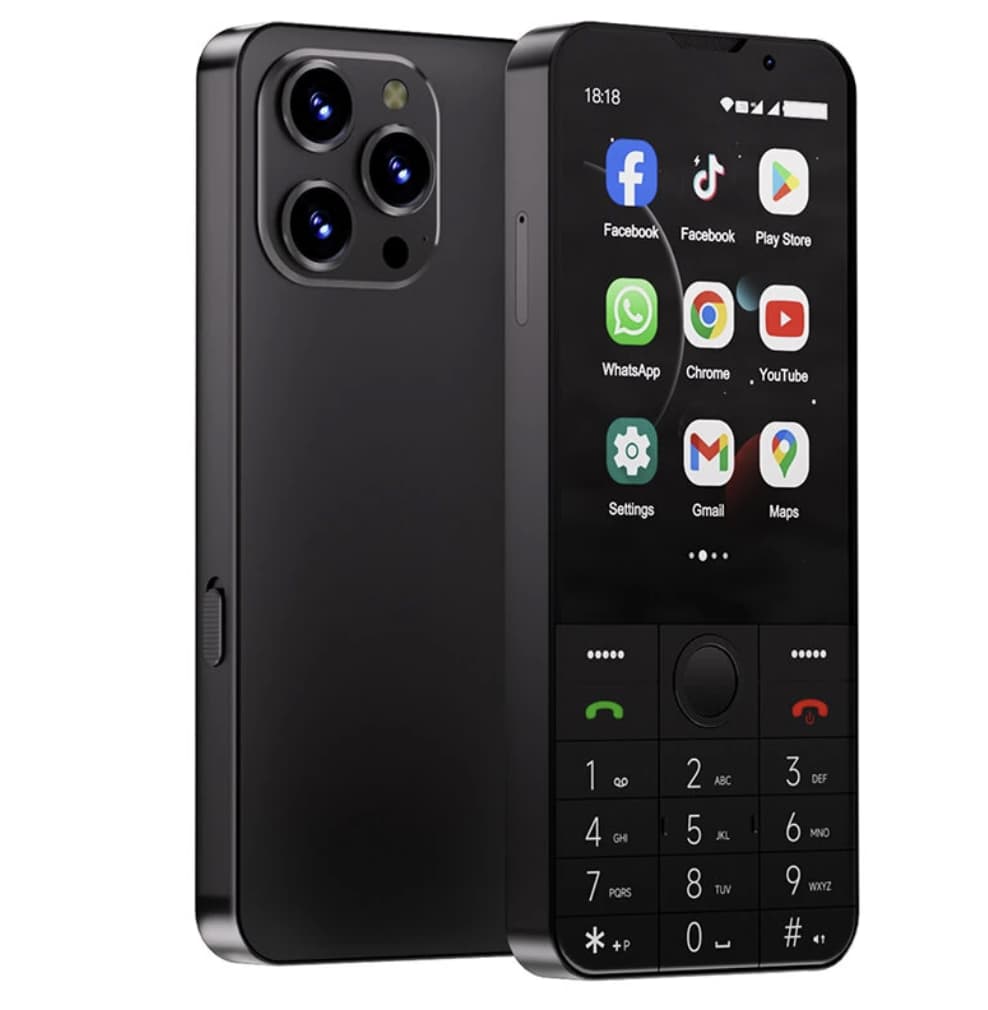
In the budget smartphone arena, every purchase involves a compromise. Do you prioritize a device that slips effortlessly into your pocket and feels natural in one hand, or do you choose one built to withstand the bumps and scrapes of an active lifestyle? The UTAB F26 PRO and W&O X200 represent two radically different answers to that very question.
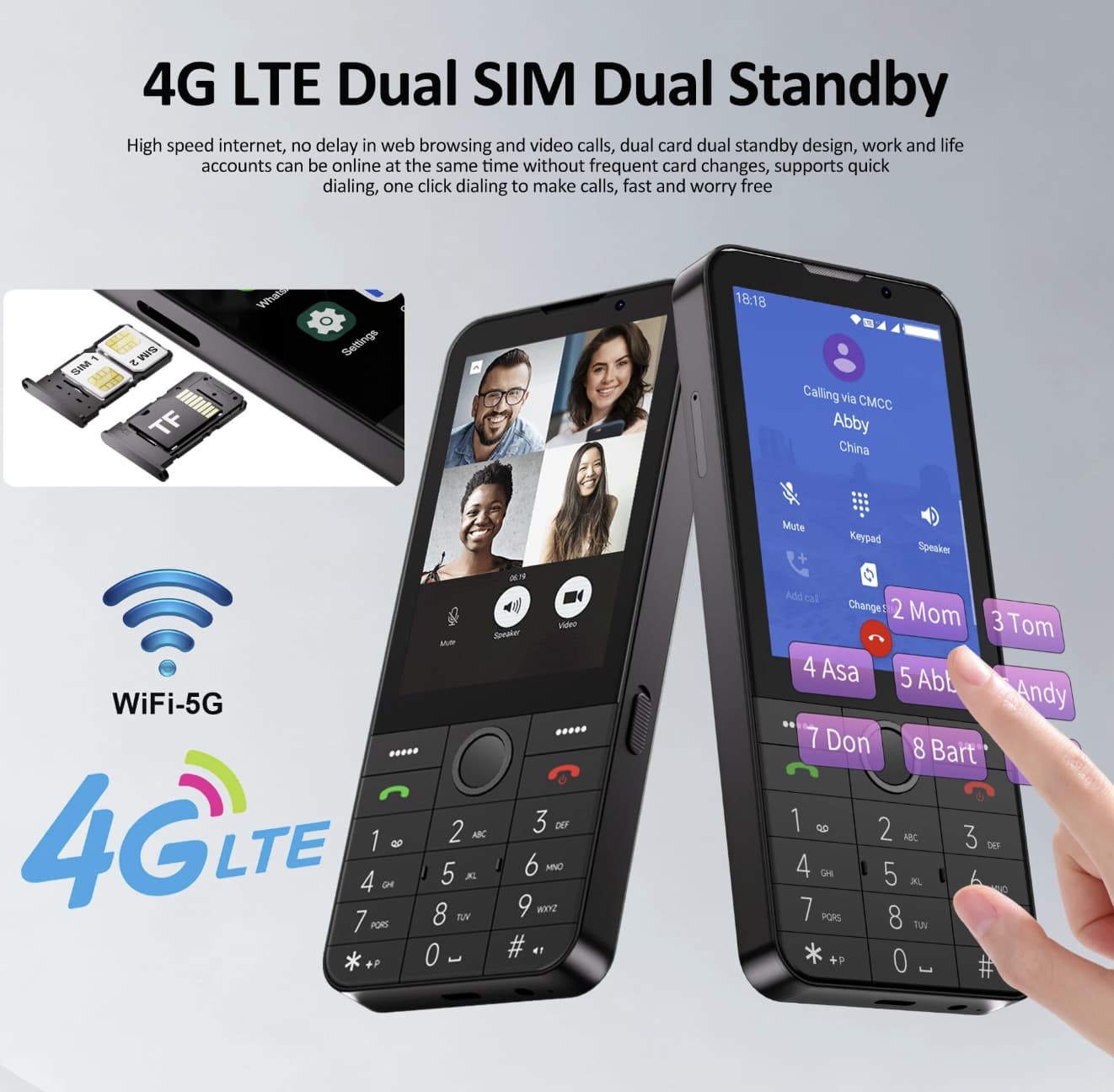
The UTAB F26 PRO is a small 3.5-inch 4G smartphone designed around portability and straightforward everyday functions. The W&O X200, meanwhile, is a larger rugged smartphone with a 6.528-inch display, a larger battery, and a more durable design aimed at users who prioritize practicality over pocket-friendly dimensions.
Both models are entry-level Android phones, but they are not direct substitutes in terms of form factor or intended use. Here is a closer look at how they compare and which type of user each model makes more sense for.
UTAB F26 PRO vs W&O X200: Key Specifications
| Feature | UTAB F26 PRO | W&O X200 |
|---|---|---|
| Display | 3.5-inch | 6.528-inch |
| RAM | 2GB | 3GB |
| Storage | 16GB | 32GB |
| Operating System | Android 11 | Android 10 |
| Network | 4G | 4G |
| SIM | Dual SIM, Dual Standby | Dual SIM |
| Battery | 2,850mAh | 3,800mAh |
| Processor | Entry-level platform | MediaTek MT6739 quad-core |
| Unlocking | Face unlock | — |
| GPS | Yes | Yes |
| Flashlight | Built-in | — |
| 3.5mm headphone jack | Yes | — |
Specifications are based on the product information provided by the retailers and may vary by configuration or market.
Design: Compact Phone vs Rugged Build
The biggest difference between these two phones is immediately obvious: size and design philosophy.
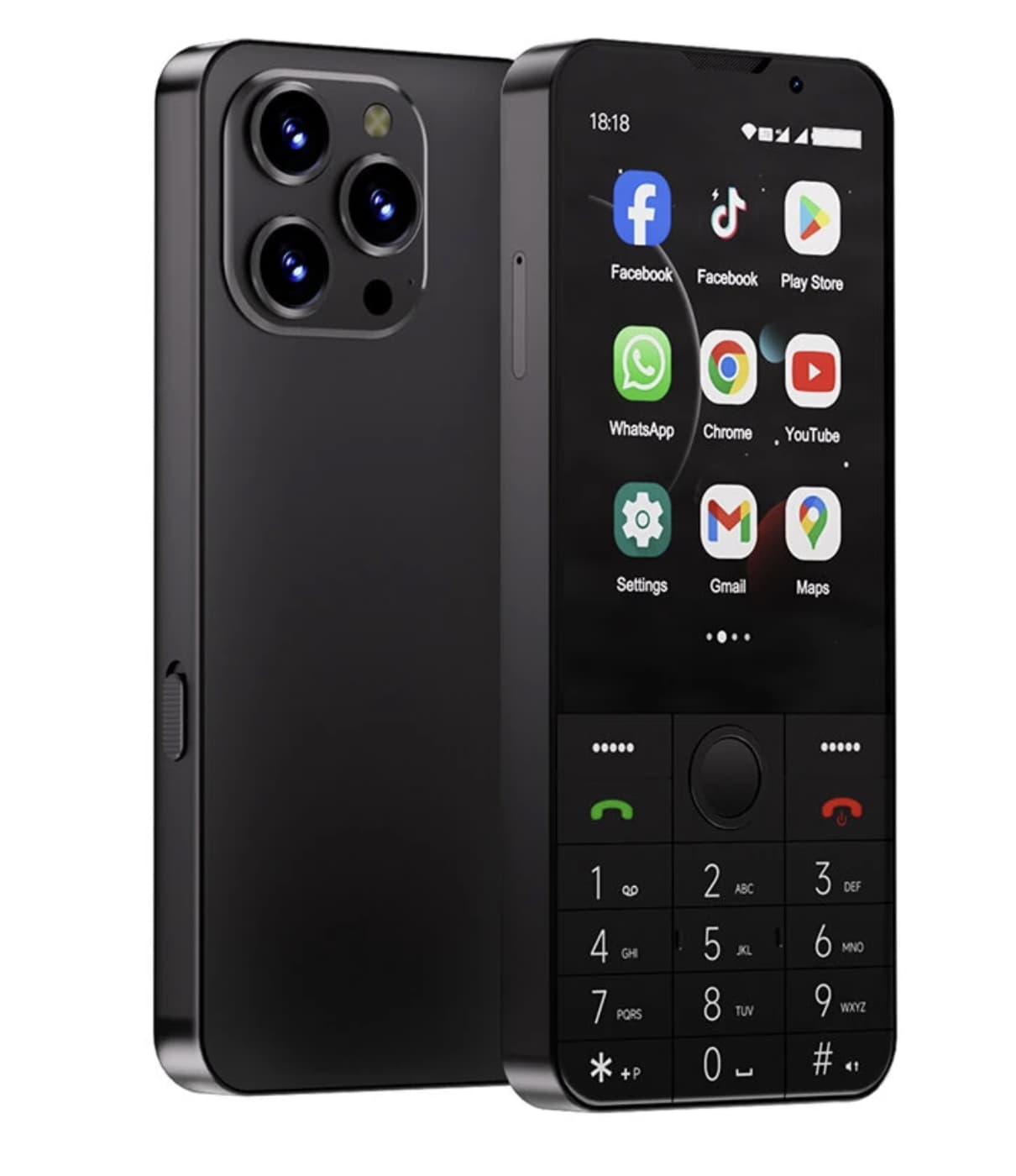
The UTAB F26 PRO uses a remarkably compact 3.5-inch format compared with today’s larger Android smartphones.That makes it interesting for people who dislike today’s increasingly large smartphones. Its smaller body should be easier to hold, carry, and operate with one hand. It can also work well as a secondary phone for calls, navigation, basic messaging, or situations where carrying a large handset is inconvenient.
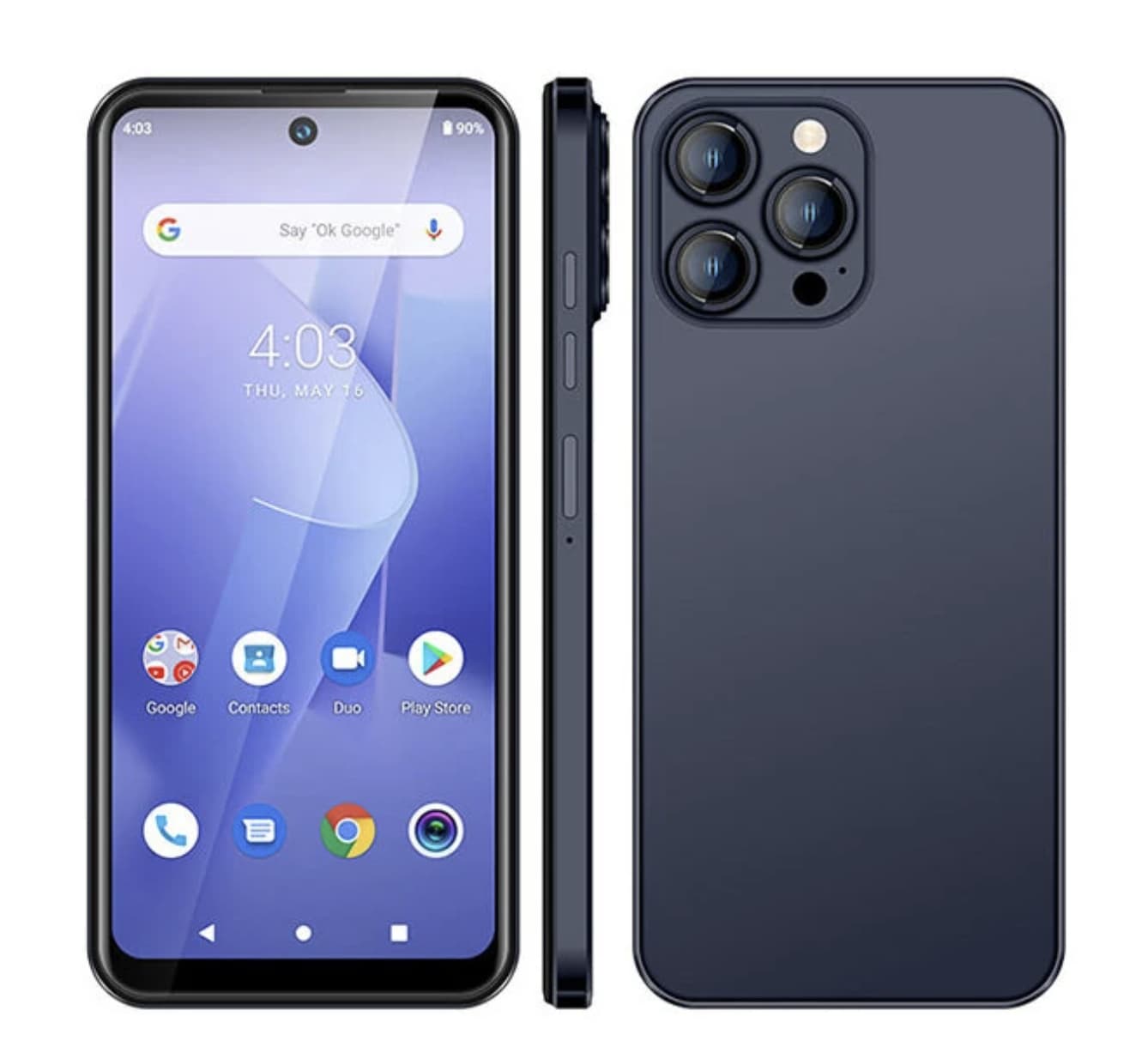
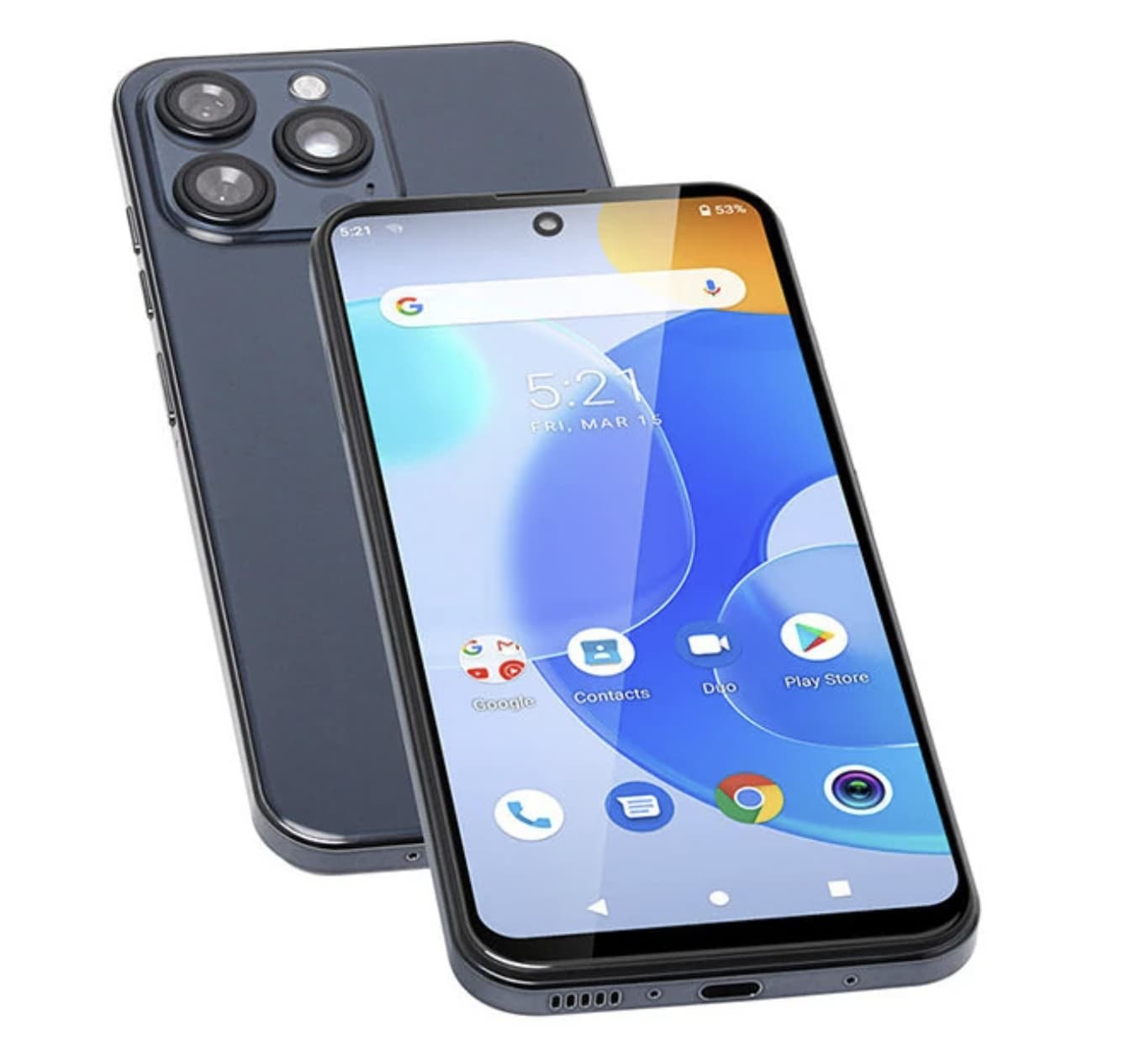
The W&O X200 takes the opposite approach. Its 6.528-inch screen and rugged construction make it considerably larger, but that extra size has practical advantages. A bigger phone provides more room for maps, messages, web pages, navigation interfaces, and other applications.
For outdoor workers, travelers, delivery drivers, or users who frequently operate a phone in less-than-ideal environments, the X200’s rugged orientation may be more important than compactness.
Winner for portability: UTAB F26 PRO
Winner for rugged everyday use: W&O X200
Display: Portability or Usability?
The display sizes tell the story.
The UTAB F26 PRO’s 3.5-inch screen is unusual in a smartphone market dominated by 6-inch-plus displays. Its main advantage is convenience rather than multimedia immersion. It keeps the device small and makes basic interactions simple.
However, a display this compact naturally provides less screen space for typing, browsing, watching videos, editing documents, and using navigation apps. Users accustomed to modern large-screen phones may find it restrictive.
The W&O X200’s 6.528-inch display is much better suited to content consumption and applications that benefit from additional screen real estate. Maps are easier to read, websites require less scrolling, and virtual keyboards have more room.
This makes the X200 the more versatile option if the phone will be used as a primary device.
Winner for screen usability: W&O X200
Performance and Storage
Neither phone is designed to compete with modern flagship smartphones, so expectations should be realistic.
The UTAB F26 PRO comes with 2GB of RAM and 16GB of storage, making it better suited to basic smartphone tasks than demanding gaming or heavy multitasking. Calls, simple messaging, lightweight applications, and basic browsing are more appropriate use cases.
The W&O X200 has 3GB of RAM and 32GB of storage, giving it a modest advantage for multitasking and local storage. Its MediaTek MT6739 quad-core platform is also an entry-level chipset, so it should not be considered a gaming-focused processor.
The additional storage is particularly useful. With only 16GB on the F26 PRO, available space can become limited quickly after accounting for Android and pre-installed applications.
If you want a phone for basic communication, the F26 PRO’s hardware can make sense. If you expect to install more apps or keep more photos and files on the device, the X200’s 32GB capacity is more practical.
Winner for memory and storage: W&O X200
Battery: 2,850mAh vs 3,800mAh
Battery capacity is another area where the W&O X200 has an advantage.
The UTAB F26 PRO includes a 2,850mAh battery. Because the phone uses a much smaller 3.5-inch display, its compact design can help keep overall power demands manageable. Still, battery capacity is relatively modest.
The W&O X200 features a 3,800mAh battery, giving it a larger power reserve on paper. Its bigger display can consume more power, so battery capacity alone cannot determine real-world endurance. Actual runtime will depend on network conditions, screen brightness, applications, GPS usage, and other factors.
For users who spend significant time away from a charger, the X200’s larger battery is nevertheless a useful advantage.
Winner on battery capacity: W&O X200
Android Experience
Interestingly, the smaller UTAB F26 PRO runs Android 11, while the W&O X200 is listed with Android 10.
That gives the F26 PRO the advantage in operating-system generation. Android 11 introduced various privacy, notification, conversation, and system-level improvements over Android 10.
However, buyers should not judge either device solely by its Android version. These are entry-level phones, and software support can differ substantially from newer mainstream smartphones.
If access to the newer listed Android version matters to you, the F26 PRO has the edge.
Winner for listed Android version: UTAB F26 PRO
Connectivity and Practical Features
Both phones support 4G connectivity and dual-SIM functionality, making either suitable for users who need mobile data and want to keep two SIM cards available.
The UTAB F26 PRO also offers several practical features that fit its compact-phone concept:
- Face unlock
- GPS
- Quick dialing
- Built-in flashlight
- 3.5mm headphone jack
- Dual-SIM, dual-standby support
The built-in flashlight is particularly useful as a basic utility feature, while the headphone jack allows wired earphones to be connected without an adapter.
The X200 focuses more heavily on its rugged-phone positioning. Its larger body and rugged design are better suited to users who care about durability and outdoor practicality.
Which Phone Is Better for Navigation?
Both models include GPS, which can be useful for GPS navigation, but the W&O X200 may be the more comfortable navigation device simply because of its much larger display.
A larger screen makes map details easier to see and provides more space for route information. This can be especially useful for drivers, outdoor users, and people who regularly rely on navigation.
The UTAB F26 PRO can still handle GPS-related tasks, but its 3.5-inch display limits how much information can comfortably fit on screen.
Winner for navigation usability: W&O X200
Which One Is Better for Everyday Carry?
This is where the UTAB F26 PRO becomes particularly interesting.
Modern smartphones have become increasingly large, and some users simply want something smaller. At 3.5 inches, the F26 PRO is designed around the opposite philosophy.
It can make sense as:
- A compact secondary phone
- A simple calling device
- A travel backup phone
- A phone for users who dislike large screens
- A basic communication handset
- A lightweight device for occasional use
The X200 is much better suited to people who want one phone to handle a broader range of daily tasks.
UTAB F26 PRO vs W&O X200: Which Should You Buy?
There isn’t a universal winner because these phones are designed for different priorities.
Choose the UTAB F26 PRO if:
- You want an unusually compact smartphone.
- One-handed operation is important.
- You mainly need calls, messaging, GPS, and basic apps.
- You prefer Android 11 over Android 10.
- You want a 3.5mm headphone jack.
- You need a secondary or backup 4G phone.
- You value portability more than screen size.
Choose the W&O X200 if:
- You prefer a large display.
- You need a more rugged smartphone design.
- You want more RAM and storage than the F26 PRO provides.
- You regularly use maps or navigation.
- You want a larger 3,800mAh battery.
- You expect to use the phone as your primary budget handset.
- Outdoor durability is more important than compact dimensions.
Final Verdict
The UTAB F26 PRO and W&O X200 are best viewed as two different interpretations of the affordable 4G smartphone.
The F26 PRO’s biggest strength is its compact 3.5-inch design. Instead of trying to imitate today’s large-screen phones, it targets users who specifically want something smaller and simpler. Its Android 11 software, dual-SIM support, GPS, face unlock, flashlight, and headphone jack add useful functionality to that compact format.
The W&O X200 is the more conventional choice for users who want a large display and rugged construction. Its 6.528-inch screen, 3GB of RAM, 32GB of storage, MediaTek MT6739 processor, and 3,800mAh battery make it the more practical option for broader everyday use.
To put it simply, the UTAB F26 PRO is built for portability above all else, while the W&O X200 prioritizes screen real estate, expanded storage, lasting battery life, and rugged dependability. The final decision rests on a single question: do you want a phone that slips into your pocket and stays out of the way, or one that’s ready to handle a full day of larger-screen productivity?