









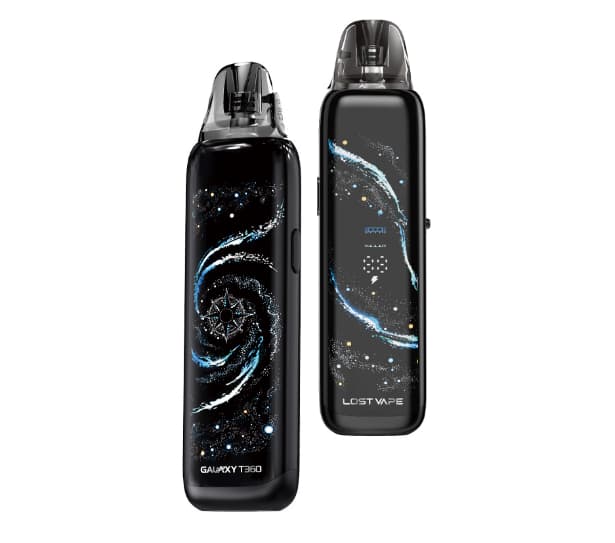
That sudden pounding in your temples after vaping isn’t just annoying – it’s your body sending a signal. Vape headaches are a common complaint, affecting both new and experienced users. Understanding the why is the first step to finding relief and enjoying your vape comfortably.
Why Do Vape Headaches Happen? Unpacking the Culprits:
-
Nicotine Overload (The Prime Suspect):
-
Nicotine is a Vasoconstrictor: It narrows blood vessels, reducing blood flow. When this happens in the brain, it can trigger a headache, especially if you’re not used to it or you’ve vaped too much too quickly.
-
Nicotine Buzz Gone Wrong: That initial head rush or “buzz” new users sometimes seek is essentially a mild, rapid constriction of blood vessels. Overdoing it easily tips this into headache territory.
-
High Nicotine Strength: Using e-liquid with a higher nicotine concentration (like 50mg salts) than your body is accustomed to dramatically increases the risk.
-
-
Dehydration (The Sneaky Contributor):
-
Propylene Glycol (PG) is Hygroscopic: The PG in e-liquid attracts and holds onto water molecules. As you inhale vapor, PG can pull moisture from your mouth, throat, and respiratory tract.
-
The Result: Chronic mild dehydration, a classic trigger for tension headaches. Symptoms like dry mouth and thirst often accompany it.
-
-
Propylene Glycol (PG) Sensitivity:
-
While less common than nicotine or dehydration issues, some individuals have a sensitivity or mild intolerance to PG.
-
Symptoms can include headaches, sinus pressure, sore throat, or coughing, often appearing soon after vaping a high-PG liquid.
-
-
Flavorings and Additives:
-
Certain artificial flavorings, sweeteners (like Sucralose), or even cooling agents (like WS-23 or Koolada) might trigger headaches or migraines in sensitive individuals. This is highly personal.
-
-
Chain Vaping & Overuse:
-
Taking too many puffs in rapid succession floods your system with nicotine and overwhelms your body’s ability to process it, leading to headaches and often nausea (nicotine sickness).
-
Constantly having a vape in hand increases overall nicotine intake and dehydration risk.
-
-
Device & Settings Issues:
-
High Wattage/Sub-Ohm + High Nicotine: Using powerful devices that produce large amounts of vapor with high-nicotine salts delivers a massive nicotine hit very quickly, easily causing headaches. High-nic salts are generally meant for low-power devices.
-
Faulty Coil/Burning: A burnt or dying coil produces harsh, unpleasant vapor that can irritate the throat and sinuses, potentially contributing to headache sensations.
-
-
Withdrawal Headaches (If You’re Switching from Smoking):
-
Ironically, if you’re using vaping to quit cigarettes but aren’t getting enough nicotine to satisfy your previous smoking habit, nicotine withdrawal itself can cause headaches. This usually means you need slightly more nicotine initially, not less.
-
-
Underlying Conditions & Triggers:
-
Vaping can sometimes exacerbate existing conditions like migraines or tension headaches, especially through dehydration or the stimulant effect of nicotine.
-
How to Prevent and Stop Vape Headaches: Your Action Plan
-
Lower Your Nicotine Strength: This is the most effective step for most people. If you’re getting headaches, step down to a lower concentration (e.g., from 50mg to 35mg or 25mg, or from 12mg freebase to 6mg).
-
Hydrate Relentlessly: Drink plenty of water before, during, and after vaping. Aim for significantly more than you usually do. Carry a water bottle.
-
Pace Yourself: Avoid chain vaping. Take a few puffs, then put the device down for a while. Let your body process the nicotine.
-
Check Your PG/VG Ratio: If you suspect PG sensitivity, try switching to an e-liquid with a higher VG ratio (e.g., 70% VG / 30% PG or max VG). Be mindful that higher VG liquids are thicker and work best in specific devices.
-
Simplify Flavors: If you suspect flavorings, try a simple, single-note flavor (like plain menthol or unflavored base) for a few days to see if headaches subside.
-
Match Your Device to Your Liquid:
-
High Nicotine Salts (20mg-50mg): Use ONLY with low-power pod systems or MTL (Mouth-To-Lung) devices.
-
Lower Nicotine Freebase (3mg-12mg): Suitable for higher-wattage sub-ohm devices (Direct-To-Lung).
-
-
Ensure Proper Coil Maintenance: Replace coils regularly before they burn out. Prime new coils properly.
-
Take Breaks: Give yourself nicotine-free intervals throughout the day. Don’t vape constantly.
-
Consider Caffeine: If nicotine withdrawal is the trigger (during smoking cessation), ensure adequate caffeine intake if you were a coffee+smoker, as caffeine withdrawal can also cause headaches. Don’t add excessive caffeine if you weren’t already consuming it.
-
Listen to Your Body: If you feel a headache coming on, stop vaping immediately. Drink water and rest.
When to See a Doctor:
-
If headaches are severe, persistent, or accompanied by other concerning symptoms (vision changes, dizziness, numbness, confusion, severe nausea/vomiting).
-
If headaches started suddenly with vaping and don’t resolve with the above measures.
-
If you have a history of migraines or other neurological conditions.
The Bottom Line:
Vape headaches are usually preventable and often boil down to too much nicotine, too little water, or a device/liquid mismatch. By methodically adjusting your nicotine intake, staying hydrated, pacing yourself, and choosing the right setup, you can significantly reduce or eliminate this unpleasant side effect. Pay attention to your body’s signals – it’s the best guide to a comfortable vaping experience. If simple fixes don’t work, consult a healthcare professional to rule out other causes.