









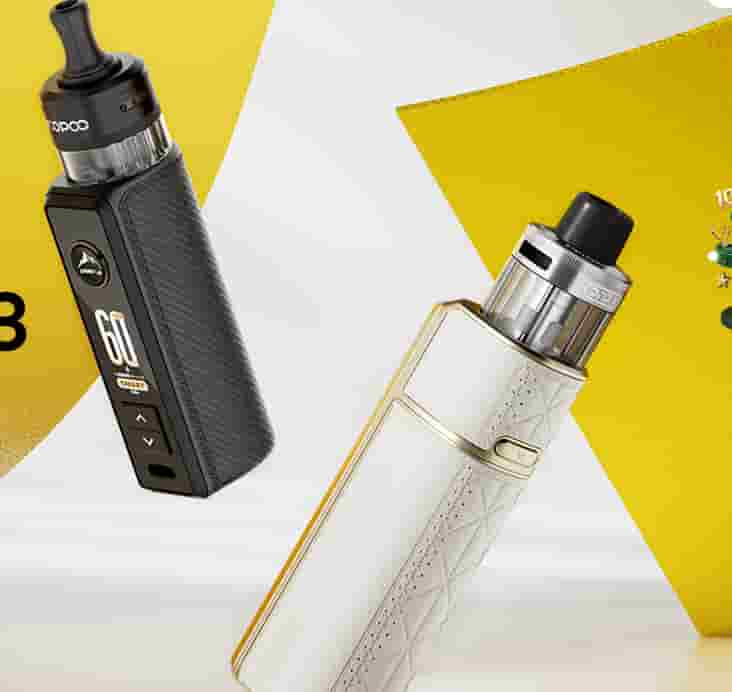
When exploring vaping hardware, the terms “pods” and “tanks” often come up. Both are systems designed to hold and vaporize e-liquid, but they differ significantly in design, performance, ease of use, and customization. Here’s a clear breakdown of how they compare — including some specific insights relevant to VOOPOO devices and similar products.
What Are Pods?
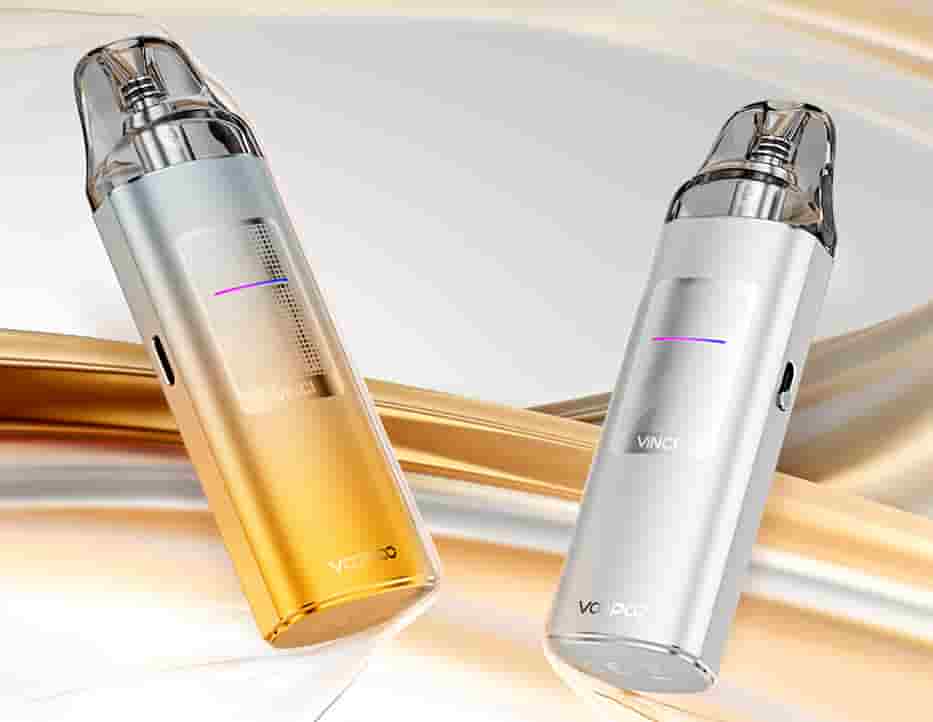
Pod systems integrate the e-liquid reservoir and coil into a single, compact unit called a pod or cartridge. These pods click or magnetically attach to a battery or device body. Some are refillable, allowing you to add your own e-liquid, while others might be pre-filled and replaced when empty.
Key traits of pod systems:
-
Compact and portable: Small, pocket-friendly design.
-
Simple operation: Often draw-activated or with minimal buttons.
-
Lower power use: Typically run at lower wattages with smaller coils.
-
Smoother, mouth-to-lung style: Most pods are optimized for a vape style similar to smoking, often with nicotine salt e-liquids.
-
Less maintenance: No need for coil building or complex setup.
-
Pod replacements: Replacing the whole pod (or just a cartridge) is easy.
VOOPOO pod devices — such as those that use the PnP pod system — are designed with magnetic attachments and allow coils to be swapped inside the pod itself, giving users some flexibility within the pod system format.
What Are Tanks?
Tanks are larger reservoirs that sit on top of a separate device (often called a mod). They hold e-liquid and allow you to install replaceable coils inside the tank itself. Because tanks and mods are separate components (often connected via a standard 510 thread), they offer greater customization.
Key traits of tank systems:
-
Customization: Change coils, airflow, and power settings.
-
Higher power & vapor: Tanks usually operate at higher wattages for larger vapor production.
-
Refillable design: Larger e-liquid capacity than most pods.
-
Modular build: Tanks separate from batteries/mod devices allow mixing and matching.
-
More maintenance: Involves coil changes, occasional tank cleaning, and airflow adjustments.
Some VOOPOO products — like the TPP X Pod Tank — blur the line by pairing tank-like features (e.g., larger 5.5 ml e-juice capacity and adjustable airflow) with pod-style magnetic connections, letting users enjoy aspects of both systems.
Pods vs Tanks: A Side-by-Side Overview
| Aspect | Pod System | Tank System |
|---|---|---|
| Ease of use | Very simple | Moderate to advanced |
| Portability | Highly portable | Generally larger |
| Customization | Limited | High |
| Power range | Low | Medium to high |
| Vapor production | Smaller clouds | Larger clouds |
| E-liquid capacity | Lower | Higher |
| Maintenance | Minimal | Higher |
This general comparison highlights that pods focus on convenience and simplicity, whereas tanks prioritize control and performance.
Which Might Suit Your Needs?
Instead of prescribing a choice, here’s how to think about selecting between pods and tanks (in a neutral, technical sense):
-
Pods may appeal to someone who wants simplicity and portability. Their compact design and easy servicing make them suitable where convenience matters most.
-
Tanks may appeal to someone interested in customization and performance. With adjustable airflow, a variety of coil options, and larger e-liquid capacity, tanks offer a hands-on experience.
Note that within brands like VOOPOO, the distinction can blur — many devices combine features (e.g., pod mods that accept both pods and pod-tank hybrids) to provide flexibility.
Final Takeaway
Both pod systems and tank systems serve the same core function — vaporizing e-liquid — but they do so with different priorities. Pods emphasize convenience and portability, while tanks emphasize customization and performance. Understanding these differences helps clarify what each format offers on a technical level.
If you’re exploring hardware like those on the VOOPOO site (for example, pod kits or devices compatible with a range of pods and tanks), having this context can make it easier to interpret product features and specifications — and decide what kind of setup aligns with your technical interests.