







Buying a first RC helicopter can be surprisingly complicated. Many models look similar in product photos, yet their control systems can feel very different once you actually start flying.
The Z16 Simulation Little Bird RC Helicopter takes a simpler approach. Instead of targeting experienced pilots who want advanced aerobatic controls, it combines a 3.5-channel control system, 6-axis gyroscope, and barometric altitude hold to make basic hovering and directional flight easier to manage.
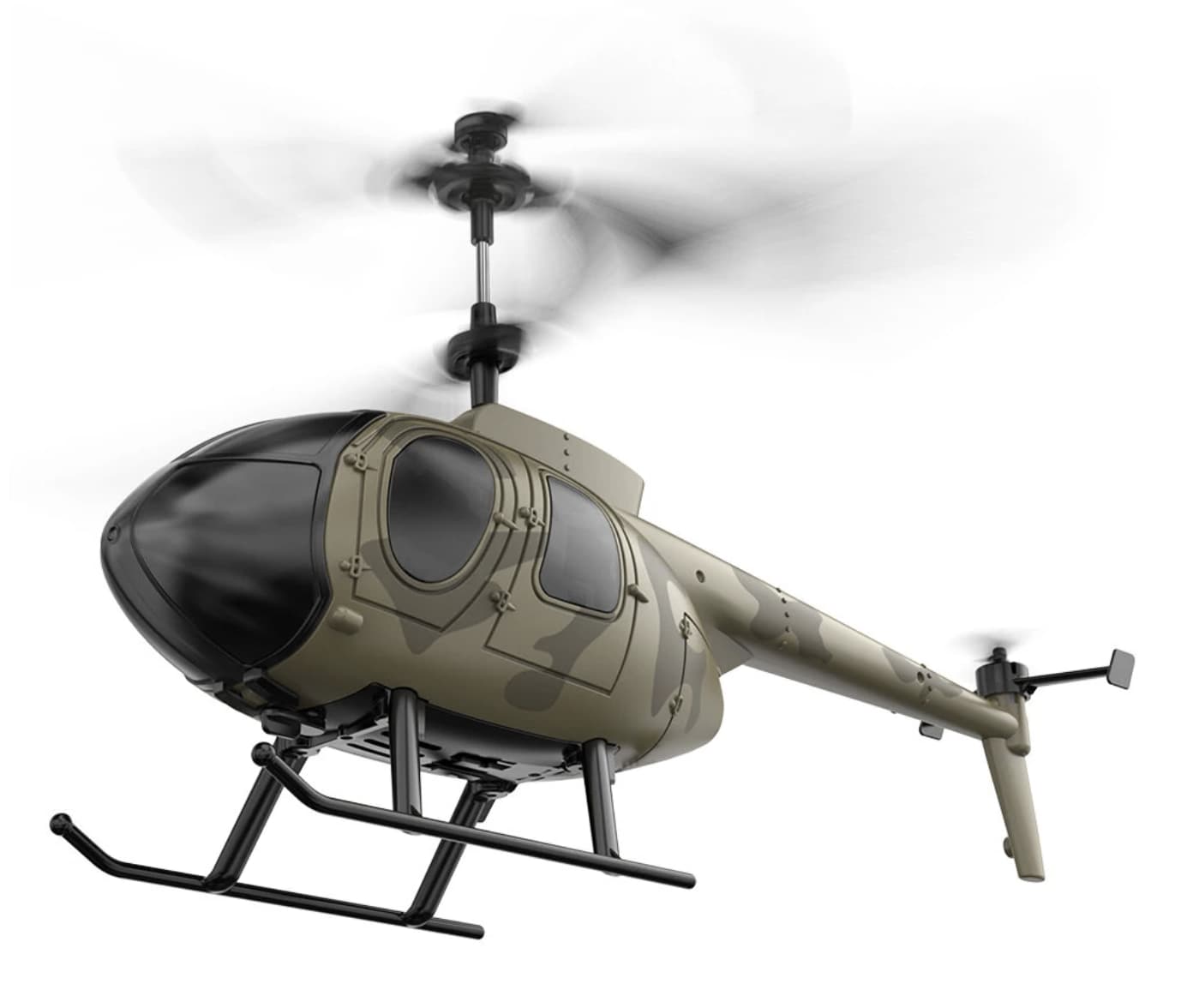
Its MD500 Little Bird-inspired body is another reason the model stands out. But the more interesting question is not simply whether it looks realistic.
How do the Z16’s flight-assistance features actually change the experience for a beginner?
The Z16 Is More About Control Than Speed
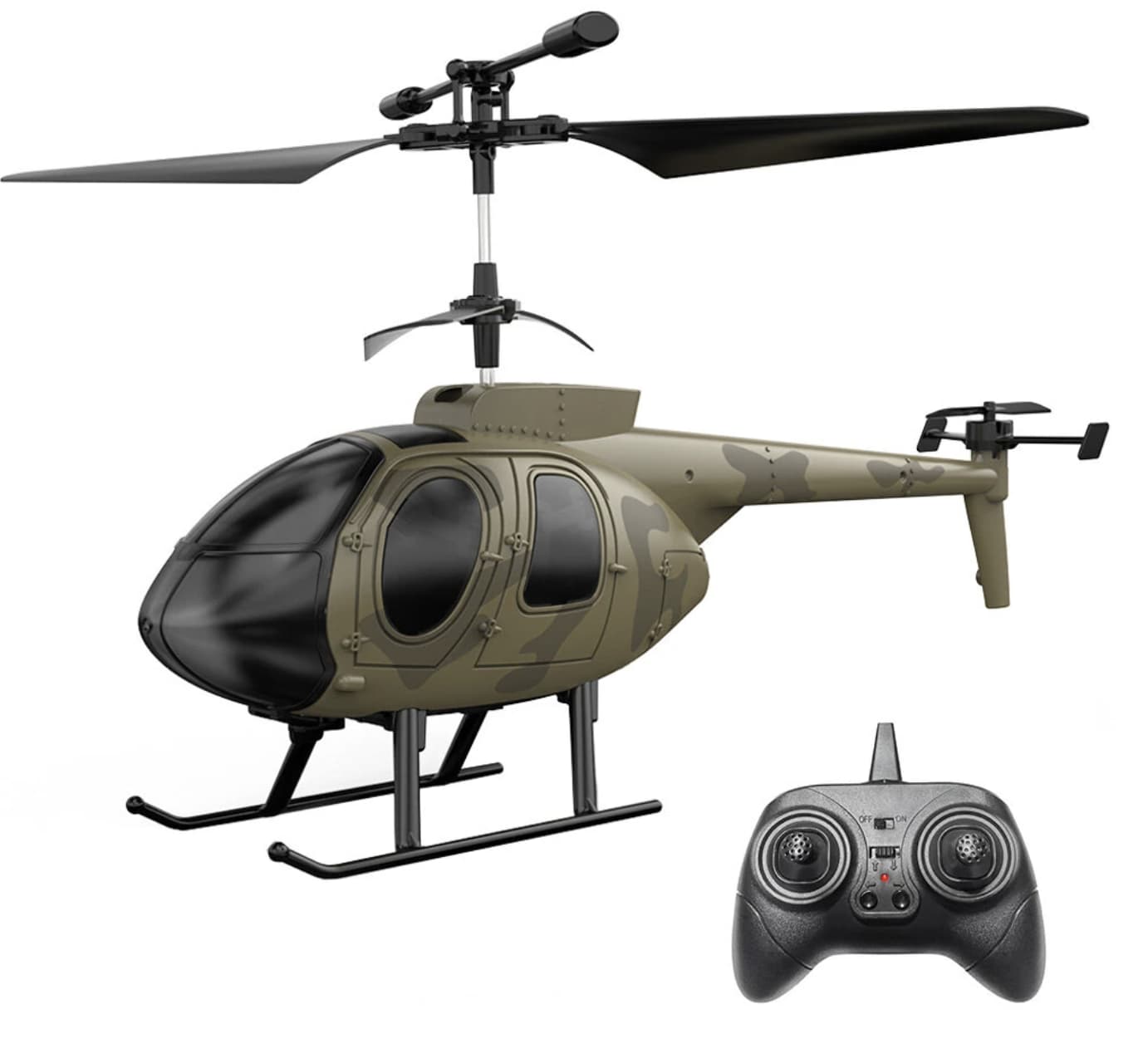
The Z16 is a ready-to-fly RC helicopter designed around relatively simple operation.
Its main specifications include:
- 3.5-channel control
- 6-axis gyroscope
- barometric altitude hold
- 2.4GHz radio control
- brushed motor
- 3.7V 300mAh battery
- approximately 8–10 minutes of advertised flight time
- approximately 60 minutes charging time
- up to 25m control distance
The important thing is how these specifications work together.
A beginner doesn’t necessarily need a faster helicopter. What they need is a model that gives them enough stability and predictable control to learn the basics without constantly fighting the aircraft.
That’s where the Z16’s design makes sense.
What Does 3.5CH Actually Mean?
The 3.5-channel control system is one of the most important specifications to understand before buying the Z16.
Rather than offering the full control range found on more advanced RC helicopter systems, a simplified 3.5CH layout concentrates on the fundamental movements needed for basic flight.
The pilot can control:
- ascending
- descending
- forward movement
- left and right turning
- tail rotation
- hovering
For a first-time pilot, fewer control variables can mean a shorter learning curve.
That’s particularly useful when the goal is casual flying rather than advanced aerobatics.
A more sophisticated RC helicopter can offer considerably greater control, but that additional freedom also requires more precise input from the pilot.
The Z16 chooses the opposite philosophy:
simplify the controls first, then let the pilot learn the basics.
Why Does the Z16 Use a 6-Axis Gyroscope?
The 6-axis gyroscope is another feature that deserves more explanation than simply calling it a “stability system.”
An RC helicopter constantly reacts to small changes in its position and movement.
Without stabilization assistance, the pilot may need to make frequent corrections to prevent unwanted movement.
The Z16’s stabilization system is designed to detect changes in the aircraft’s orientation and help correct them.
For beginners, the practical benefit is simple:
less time spent correcting unwanted movement means more time learning how to steer.
However, stabilization doesn’t mean the helicopter can fly itself.
The pilot still controls the aircraft.
The gyro simply helps make the aircraft’s response more manageable.
What Does Barometric Altitude Hold Actually Do?
This may be the most beginner-friendly feature on the Z16.
The helicopter uses a barometric altitude sensor to help maintain its height after takeoff.
For an inexperienced pilot, maintaining altitude can be one of the hardest parts of learning to fly.
You need to constantly adjust throttle input because even a small change can make the helicopter climb or descend.
Altitude hold reduces that workload.
Instead of continuously concentrating on:
“Am I going too high?”
the pilot can spend more attention on:
“Where am I going?”
That makes the feature particularly useful for learning basic directional control and hovering.
It also explains why the Z16 is better suited to beginners than an advanced collective-pitch helicopter.
Is the Z16 Better Indoors or Outdoors?
The answer depends heavily on the weather and available space.
Indoors
The Z16’s stabilization and altitude-hold features make indoor practice possible, provided there is enough open space.
A large room, warehouse-like area, or other uncluttered environment is much more appropriate than a small bedroom.
The main indoor risks are:
- walls
- furniture
- ceiling fans
- narrow spaces
- sudden obstacles
A helicopter may be relatively small, but the rotor still needs room to operate safely.
Outdoors
The Z16 can also be used outdoors, but its lightweight design means wind becomes an important limitation.
A calm day is much more suitable than a windy afternoon.
The helicopter doesn’t need to fight strong wind to provide an enjoyable beginner experience.
So the ideal outdoor environment is:
open space + calm weather + plenty of clearance.
Is the 25m Control Distance Enough?
The Z16 is listed with a control distance of approximately 25 meters.
That number isn’t impressive compared with long-range hobby-grade RC aircraft, but it isn’t necessarily a problem for this type of helicopter.
For indoor practice, a 25m range is more than enough.
For a small backyard or nearby open area, it can also be adequate.
The important point is that the Z16 isn’t designed as a long-distance RC aircraft.
Its intended experience is much closer to:
short-range recreational flying
than:
long-range hobby operation.
This is another reason the Z16 should be compared with beginner RC helicopters rather than advanced collective-pitch models.
What Does the 8–10 Minute Flight Time Mean in Practice?
The Z16 uses a 3.7V 300mAh battery, with an advertised flight time of approximately 8–10 minutes.
That sounds short compared with some larger RC aircraft, but it is fairly understandable for a compact helicopter.
The more important issue is how you plan to use it.
If you want a quick flying session, one battery can be sufficient.
If you want to spend an hour practicing, however, you will probably need additional batteries and charging time.
The listed charging time is around 60 minutes, so the included battery isn’t designed for continuous flying throughout the day.
This is why additional compatible batteries can be more useful than simply focusing on the maximum flight-time number.
Brushed Motor: Why It Isn’t a Problem for Beginners
The Z16 uses a brushed motor.
That may sound less impressive than a brushless setup, but motor technology should be evaluated according to the purpose of the aircraft.
A brushless motor is generally the preferred choice for high-performance RC models because of its efficiency and power potential.
But the Z16 isn’t designed for high-speed aerobatics.
Its goal is controlled recreational flying.
For that purpose, a brushed motor can keep the overall system simpler and more affordable.
The trade-off is that experienced pilots looking for aggressive maneuvers or 3D-style flight will likely want a more advanced helicopter.
The MD500-Inspired Design Is More Than Decoration
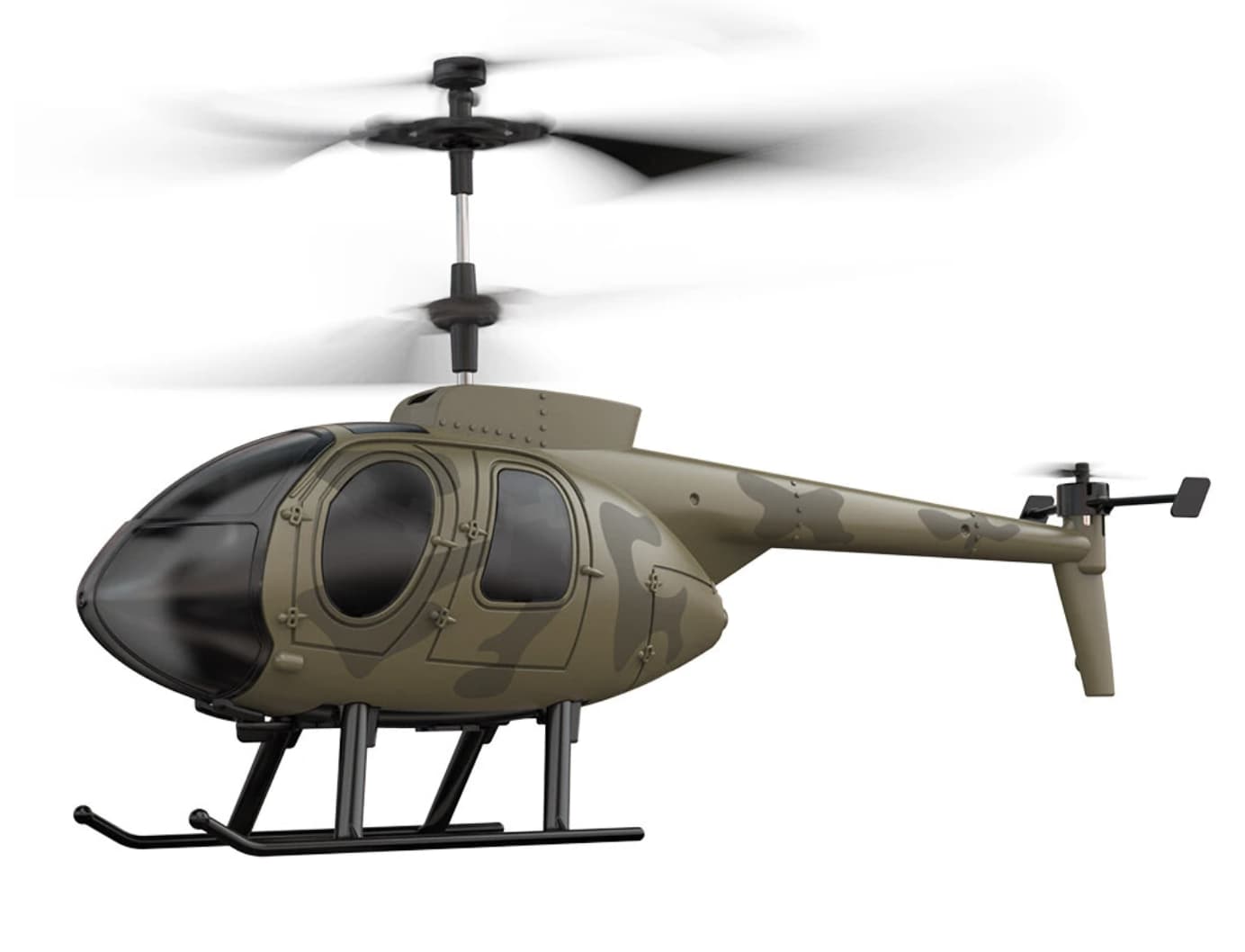
The Z16’s Little Bird / MD500-inspired styling gives it a different character from generic toy helicopters.
The body incorporates:
- a streamlined fuselage
- cockpit-style canopy
- landing skids
- scale-inspired rotor design
- military-style visual details
This matters because RC helicopters are not always purchased purely for performance.
Some buyers want something that looks like the real aircraft they admire.
The Z16 therefore sits at an interesting intersection:
beginner-friendly controls + scale-inspired appearance.
That’s a more specific selling point than simply calling it an affordable RC helicopter.
What the Z16 Is Not Designed For
It’s important not to overstate what this helicopter can do.
If you’re looking for advanced RC helicopter models, the Z16’s simplified control system may feel restrictive.
- advanced 3D aerobatics
- high-speed maneuvering
- strong-wind flying
- long-range operation
- collective-pitch helicopter training
Its 3.5CH control layout and beginner-oriented stabilization are designed to reduce complexity.
That is an advantage for a newcomer, but it becomes a limitation once you want significantly more control.
Z16 vs an Advanced RC Helicopter
| Feature | Z16 Little Bird | Advanced RC Helicopter |
|---|---|---|
| Control system | 3.5CH | Usually 4CH or more |
| Stabilization | 6-axis gyro | Depends on model |
| Altitude hold | Yes | Depends on model |
| Learning curve | Lower | Higher |
| Aerobatics | Limited | More capable |
| Wind capability | Limited | Usually stronger |
| Main purpose | Beginner flying | Advanced hobby flying |
| Scale appearance | MD500-inspired | Depends on model |
This comparison explains the Z16 better than simply saying it is “beginner-friendly.”
The Z16 deliberately sacrifices some control flexibility in exchange for easier operation.
Who Should Consider the Z16?
The Z16 makes the most sense for someone buying their first or second RC helicopter.
It is particularly suitable for people who want:
- simple controls
- assisted hovering
- stable basic flight
- scale helicopter styling
- short recreational flying sessions
- a ready-to-fly package
It is less appropriate for experienced pilots who want maximum control authority.
In that situation, moving to a more advanced 4CH or collective-pitch helicopter would make more sense.
What About Battery and Replacement Parts?
Because the advertised flight time is only around 8–10 minutes, frequent flyers should consider battery availability before purchasing.
The included 300mAh battery is adequate for the intended short-session format, but additional compatible batteries can make the overall experience more convenient.
Spare rotor blades are also useful because beginners are more likely to experience accidental contact with walls, furniture, trees, or other obstacles while learning.
This is one advantage of a beginner-oriented RTF package: the basic equipment needed to start flying is included.
Z16 Little Bird Final Verdict
The Z16 Simulation Little Bird RC Helicopter isn’t trying to compete with advanced hobby-grade helicopters.
Its strength lies somewhere else.
The combination of 3.5CH controls, 6-axis stabilization, and barometric altitude hold reduces some of the complexity that can make a first RC helicopter difficult to fly.
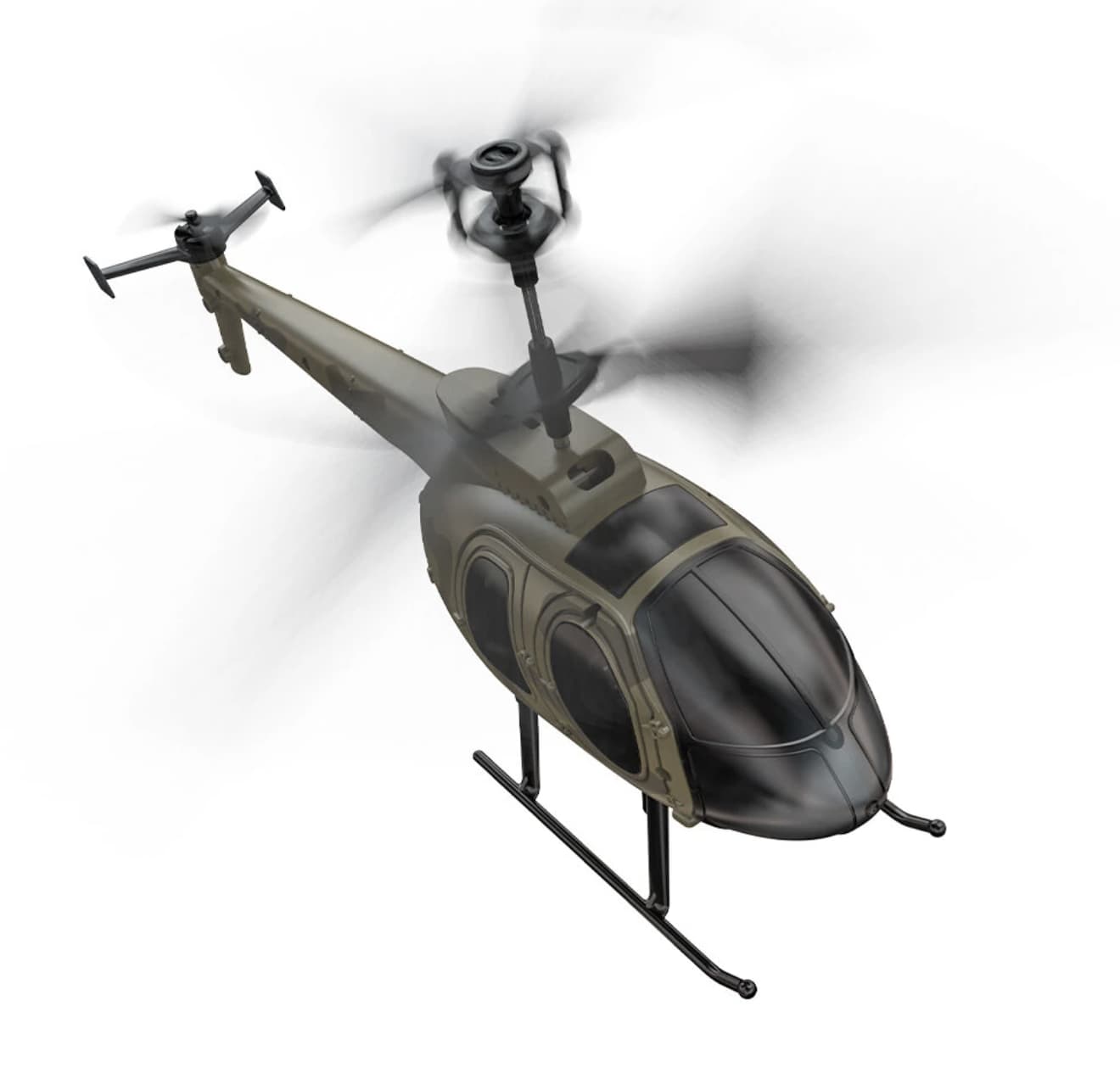
The MD500-inspired appearance adds another reason to choose it, especially for buyers who care about scale styling rather than pure performance.
The limitations are equally clear.
Its approximately 8–10 minute flight time, 25m control distance, brushed motor, and limited wind capability make it better suited to short recreational flights in calm conditions than demanding outdoor flying.
So the Z16 is best viewed as a beginner-focused scale RC helicopter, not a performance-oriented hobby machine.
For someone who wants to learn basic helicopter control without immediately dealing with the complexity of an advanced RC platform, that’s exactly where the Z16 makes the most sense.