









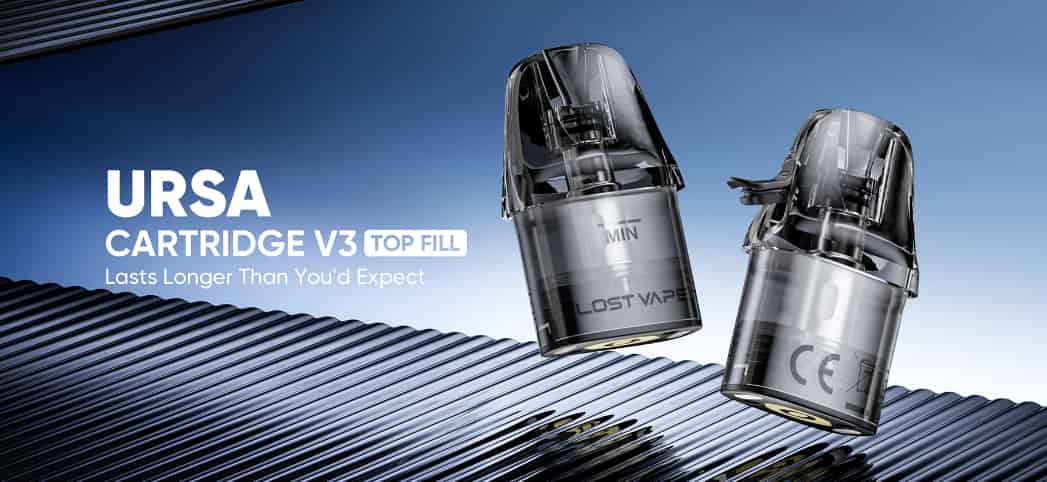
Spillage during vape cartridge filling is a costly and frustrating problem. It wastes precious oil, creates a sticky mess requiring cleanup, increases contamination risk, and slows down production. The design of the filling port itself plays a crucial role in minimizing or eliminating this issue. Here’s a breakdown of the most effective filling port designs for spill prevention:
1. Self-Sealing Septum (Rubber/Silicone Grommet):
-
How it Works: A small, precisely molded rubber or silicone plug is integrated into the top cap. A hollow needle (like those on Luer lock syringes) pierces the soft septum to inject the oil. As soon as the needle is withdrawn, the elastic material immediately closes the hole, sealing the cartridge.
-
Spill Prevention Pros:
-
Instantaneous Seal: Provides near-instant closure upon needle removal, preventing drips or leaks from the port itself.
-
Positive Seal: Creates a reliable barrier against leakage during storage, transport, or if the cartridge is inverted.
-
Contamination Barrier: Helps protect the oil from dust and air exposure before and after filling.
-
-
Best For: High-volume automated and semi-automated filling lines using needle-based dispensers. Also excellent for preventing leaks during consumer use if the cart is tipped over.
-
Considerations: Requires compatible filling equipment with needles. Low-quality septums might not reseal perfectly after multiple punctures.
2. Threaded Nozzle Connection (Luer Lock or Similar):
-
How it Works: The filling port features external threads. A matching threaded nozzle (male Luer lock is common) on the dispenser syringe or pump screws tightly onto the cartridge port, creating a sealed, leak-proof connection before oil flows.
-
Spill Prevention Pros:
-
Positive, Sealed Connection: Eliminates spillage during the filling process itself, as oil only flows through the sealed channel.
-
Secure: The threaded connection is very robust, preventing accidental disconnection.
-
Precise Alignment: Ensures the dispenser nozzle is perfectly centered over the port.
-
-
Best For: Manual filling setups, small-batch producers, and situations demanding the absolute highest precision and zero spillage during filling. Also ideal for thicker oils that need pressure.
-
Considerations: Slightly slower than needle-based methods due to the screwing/unscrewing step. Requires cartridges and dispensers with matching thread standards (Luer lock is industry standard). Less common on budget cartridges.
3. Angled or Recessed Ports with Drip Lips:
-
How it Works: The filling port opening isn’t just a flat hole. It’s either:
-
Angled: Positioned at a slight angle (e.g., 45 degrees) relative to the cartridge body.
-
Recessed: Set down into a small well or channel.
-
Drip Lip: Features a small raised ridge or channel around the perimeter of the port opening.
-
-
Spill Prevention Pros:
-
Containment: Catches minor drips or overflow before they run down the side of the cartridge. The angle or recess directs excess oil back towards the center.
-
Guided Flow: An angled port can help guide viscous oil more smoothly into the tank, reducing splashing.
-
-
Best For: Complementing other sealing methods or used on cartridges where simpler filling (e.g., blunt tip syringe without needle) is expected. Significantly improves spill resistance over a simple flat hole.
-
Considerations: Primarily a containment feature, not a true seal. Doesn’t prevent leaks if the cart is inverted or under pressure. Works best with careful filling technique.
4. Capillary/Wicking Port Design:
-
How it Works: The filling port utilizes a narrow channel or tube that extends down into the cartridge reservoir, often incorporating a porous wick material (like ceramic or cotton) at the bottom. Oil is drawn into this channel/wick via capillary action when the dispenser tip is pressed against it.
-
Spill Prevention Pros:
-
Controlled Flow: Relies on capillary action and surface tension, preventing large glugs or overflow. Oil enters the reservoir slowly and controllably.
-
Reduced Back Pressure: Minimizes air bubbles and splashing compared to dumping oil directly into a large opening.
-
-
Best For: Thicker oils (like distillates) where capillary action is effective. Often seen in specific pod or cartridge systems designed for consumer refilling.
-
Considerations: Can be slower for filling. Less effective with very thin oils (like some nicotine salts). Requires specific dispenser tips or contact to initiate flow.
5. Plug/Cap Systems:
-
How it Works: A separate silicone plug, rubber stopper, or threaded cap covers the filling port after filling is complete.
-
Spill Prevention Pros:
-
Positive Seal After Filling: Provides excellent long-term leak prevention during storage and transport.
-
-
Spill Prevention Cons:
-
Not for Filling Process: Does nothing to prevent spills during the actual filling operation. The port is open while oil is being dispensed.
-
Added Component: Creates an extra part to manage, potentially lose, or forget to install.
-
-
Best For: Primarily for post-filling sealing, not spill prevention during filling. Essential for carts without self-sealing ports to prevent leaks later.
Key Considerations for Choosing the Best Anti-Spill Design:
-
Filling Method: This is paramount.
-
Automated Lines: Self-sealing septums are the gold standard.
-
Manual Syringe (Needle): Septums work well.
-
Manual Syringe (Blunt Tip): Threaded nozzles offer the best seal during filling, while angled/recessed ports help contain drips.
-
Consumer Refilling: Septums, threaded ports, or capillary designs are best; simple holes with plugs are common but messier.
-
-
Oil Viscosity: Thicker oils are inherently less prone to spilling but harder to dispense precisely. Thinner oils flow easily but splash and leak more readily – requiring better seals (septums, threaded).
-
Production Volume: Septums and threaded ports are ideal for speed and reliability in high-volume settings. Simpler designs (angled ports, plugs) might suffice for very low volume but increase spill risk.
-
Cost: Self-sealing septums and threaded port systems add cost compared to a simple hole with a plug.
Conclusion:
The self-sealing septum is generally the most effective overall solution for preventing spills both during and after filling in professional settings, offering speed, reliability, and contamination protection. For manual filling demanding zero leakage during the process, the threaded nozzle connection (Luer Lock) is unmatched. Angled or recessed ports with drip lips are valuable secondary features that significantly improve spill containment over a basic flat hole, especially for blunt-tip filling. Capillary ports offer controlled flow for thicker oils but are less universal. Simple plugs/caps are only effective for sealing after filling is complete.
Choosing the right filling port design requires matching the port’s capabilities to your specific filling method, oil type, and production needs. Investing in carts with well-designed ports (especially self-sealing septums or threaded options) pays dividends by reducing waste, improving efficiency, ensuring product integrity, and minimizing cleanup headaches.