









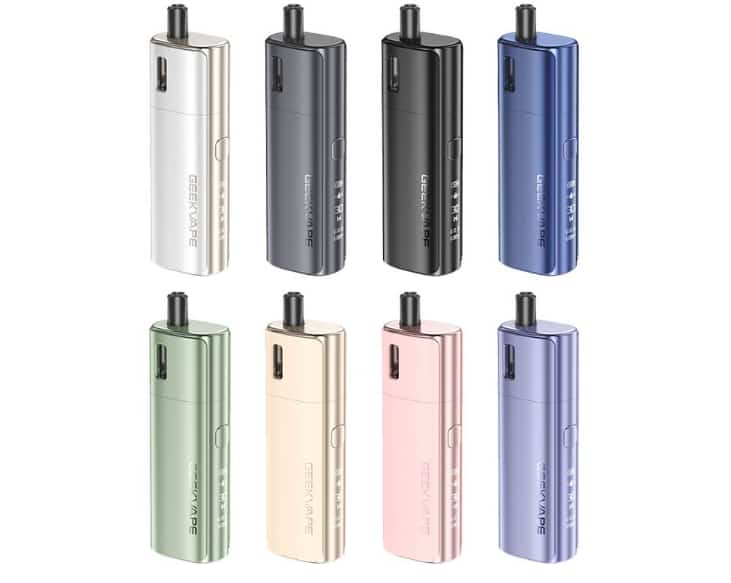
Vaping, for many, started as an alternative to smoking or a recreational habit. However, it’s easy to find yourself reaching for your device more often than intended, leading to potential overconsumption of nicotine, increased costs, and unwanted dependence. If you feel like your vaping has become excessive or want to proactively maintain control, here are actionable tips for practicing moderation:
Why Moderation Matters:
-
Nicotine Management: Avoid unpleasant side effects like increased anxiety, jitters, headaches, disrupted sleep, or elevated heart rate from too much nicotine.
-
Reduced Dependence: Lowering intake helps prevent tolerance build-up and makes dependence less intense.
-
Cost Savings: Vaping less means buying fewer pods, coils, and e-liquid.
-
Increased Awareness: Regaining control fosters a more mindful relationship with the habit.
-
Health Considerations: While generally considered less harmful than smoking, inhaling anything besides air carries inherent risks. Reducing exposure is beneficial.
Practical Tips for Avoiding Over-Vaping:
-
Track Your Usage (The Power of Awareness):
-
Log It: Simply note down when you vape and why (e.g., “10:30 AM – after coffee,” “3:00 PM – work stress,” “8:00 PM – watching TV”). Do this for a few days. Patterns will emerge.
-
Puff Counter: If your device has one, use it! Set a daily puff limit that feels like a reduction and stick to it.
-
E-Liquid Monitoring: Note how much e-liquid you use per day/week. Aim to gradually decrease this amount.
-
-
Identify and Disrupt Triggers:
-
Analyze your log. What situations, emotions, or activities consistently lead you to vape (e.g., coffee breaks, phone calls, boredom, stress, alcohol)?
-
Develop Alternatives: For each trigger, plan a non-vaping action:
-
Stress/Boredom: Deep breathing, quick walk, fidget toy, drink water, chew gum.
-
Habitual (e.g., after meals/coffee): Brush teeth immediately after, go for a short walk.
-
Social Situations: Step away from the vaping group for a few minutes, hold a drink instead.
-
-
-
Implement “Vape-Free” Zones and Times:
-
Designated Areas: Make your bedroom, car, or workplace strictly vape-free. This creates natural breaks.
-
Time Blocks: Set specific times when vaping is off-limits, especially right after waking up or right before bed. Gradually extend these blocks.
-
Delay Tactics: When the urge hits, tell yourself, “I’ll wait 10 minutes.” Often, the urge passes. Distract yourself during the wait.
-
-
Adjust Your Setup:
-
Lower Nicotine Strength: Gradually step down the nicotine concentration in your e-liquid. This reduces the addictive “hit” per puff, making it easier to vape less overall without intense cravings. (Do this slowly to avoid compensating by vaping more).
-
Use Less Powerful Devices: High-wattage mods or devices designed for massive clouds deliver nicotine very efficiently, often leading to faster consumption. Consider a simpler pod system with higher resistance coils for a less intense experience.
-
Choose Less Appealing Flavors?: Some find that switching to a very mild or even slightly unpleasant flavor reduces the sensory pleasure and makes them vape less.
-
-
Practice Mindful Vaping:
-
Don’t Autopilot: Consciously decide to take a puff. Avoid mindlessly chain-vaping while distracted (e.g., scrolling, watching TV). Put the device down between puffs.
-
Savor It: If you do vape, pay attention to the sensation. Slow down. This often leads to taking fewer, more satisfying puffs.
-
Hydrate: Vaping can be dehydrating. Drink plenty of water throughout the day. Sometimes thirst is mistaken for a vaping urge.
-
-
Treat Your Device Differently:
-
Don’t Carry It Constantly: Leave your vape in a specific spot at home instead of keeping it in your pocket 24/7. Make it slightly inconvenient to access.
-
“Out of Sight, Out of Mind”: Keep it in a drawer or cupboard when not actively using it.
-
Charge It Less Often: If it’s out of battery, you can’t use it. Use this as a forced break.
-
-
Set Clear Goals and Reward Progress:
-
Be Specific: Don’t just say “vape less.” Set measurable goals like “Reduce daily puffs by 20% this week” or “Only vape outdoors.”
-
Celebrate Milestones: Acknowledge your successes, even small ones. Reward yourself with something non-vape related.
-
Be Kind to Yourself:
Moderation is a practice, not perfection. Slip-ups happen. If you have a day where you vape more than intended, don’t get discouraged. Acknowledge it, understand what triggered it, and recommit to your goals the next day. The key is consistent effort and increased awareness.
When to Consider Quitting Altogether:
If you find moderation incredibly difficult despite consistent effort, or if vaping is causing significant health concerns, financial strain, or distress, it might be time to consider quitting completely. Many resources are available (counseling, support groups, NRT like patches/gum for transition) to help with this process.
The Takeaway:
Avoiding over-vaping is about reclaiming control and making conscious choices. By understanding your triggers, implementing practical strategies, adjusting your setup, and practicing mindfulness, you can develop a healthier, more balanced relationship with vaping. It takes effort, but the benefits – better well-being, reduced dependence, and cost savings – are well worth it. Start small, be patient, and focus on progress over perfection.