










LCD screens (liquid crystal displays) and OLED screens (organic light-emitting diodes) are the two most common screen types in current electronic devices. Each has its own advantages and is suitable for different scenarios and requirements. Next, we will conduct a detailed comparison of these two types of screens from multiple perspectives.
I. Display Effect
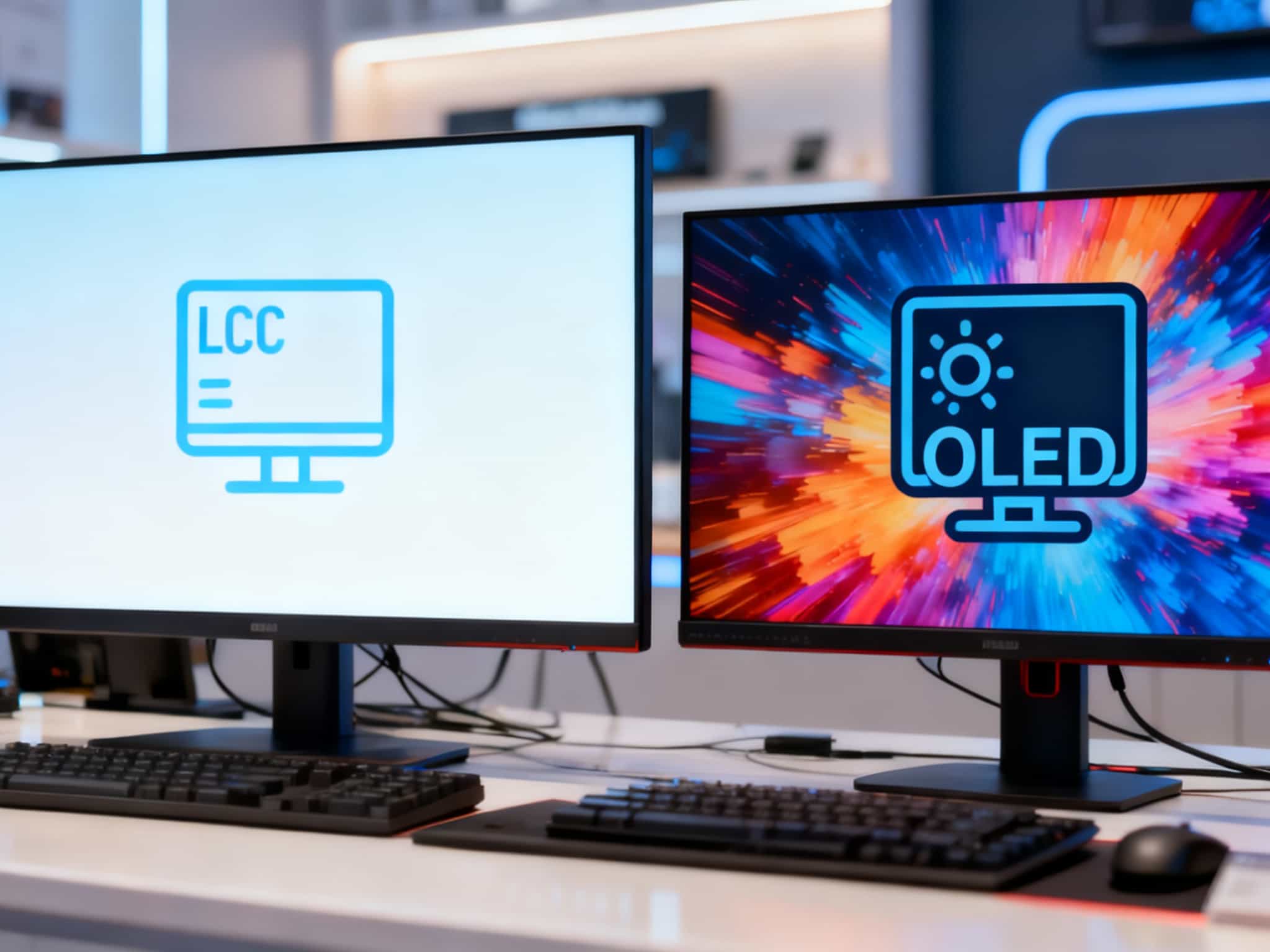
The LCD screen controls the passage of light through the alignment of liquid crystal molecules, and then the filtered light is used to display colors. Its contrast is relatively low, and the black color may appear gray, especially in lower-end LCDs. In contrast, the OLED screen allows each pixel to emit light independently and does not require a backlight layer, thus enabling true black and achieving extremely high contrast ratios. The color reproduction is also more vivid. Moreover, the color gamut of OLED screens is wider, allowing for the display of a wider range of colors.
II. Response Speed
The response speed of LCD screens is relatively slow, especially when displaying fast-moving images, which may cause ghosting effects. In contrast, OLED screens have extremely fast response speeds, with the response time being at the microsecond level. Therefore, the images on OLED screens are more smooth and are suitable for gaming and high-speed image display.
 III. Screen Lifespan and Durability
The backlight layer and liquid crystal material of LCD screens age more slowly, thus having a longer lifespan and being suitable for long-term static display, such as monitors and televisions. However, the organic materials of OLED screens are prone to aging, especially the blue pixels deteriorate more rapidly, resulting in a relatively shorter screen lifespan. Moreover, OLED screens are also prone to the “burn-in” problem, where prolonged display of static images may cause pixel aging and leave ghost images.
IV. Costs and Prices
LCD screen technology is mature and has low production costs, so its price is relatively low and it is suitable for mid-to-low-end devices. However, OLED screen, as a high-end technology, has higher manufacturing costs, resulting in higher device prices, especially more pronounced on large-sized screens.
V. Eye Protection Performance
LCD screens mostly use DC dimming, which has no flicker and is more friendly to the eyes. However, OLED screens may experience flicker at low brightness levels, causing certain strain on the eyes. Nevertheless, with technological advancements, some high-end OLED screens have adopted high-frequency PWM dimming or similar DC dimming technologies to reduce the impact of flicker on the eyes.
In conclusion, LCD screens and OLED screens each have their own advantages. The choice of which screen to use depends on individual needs and the specific usage scenario.