









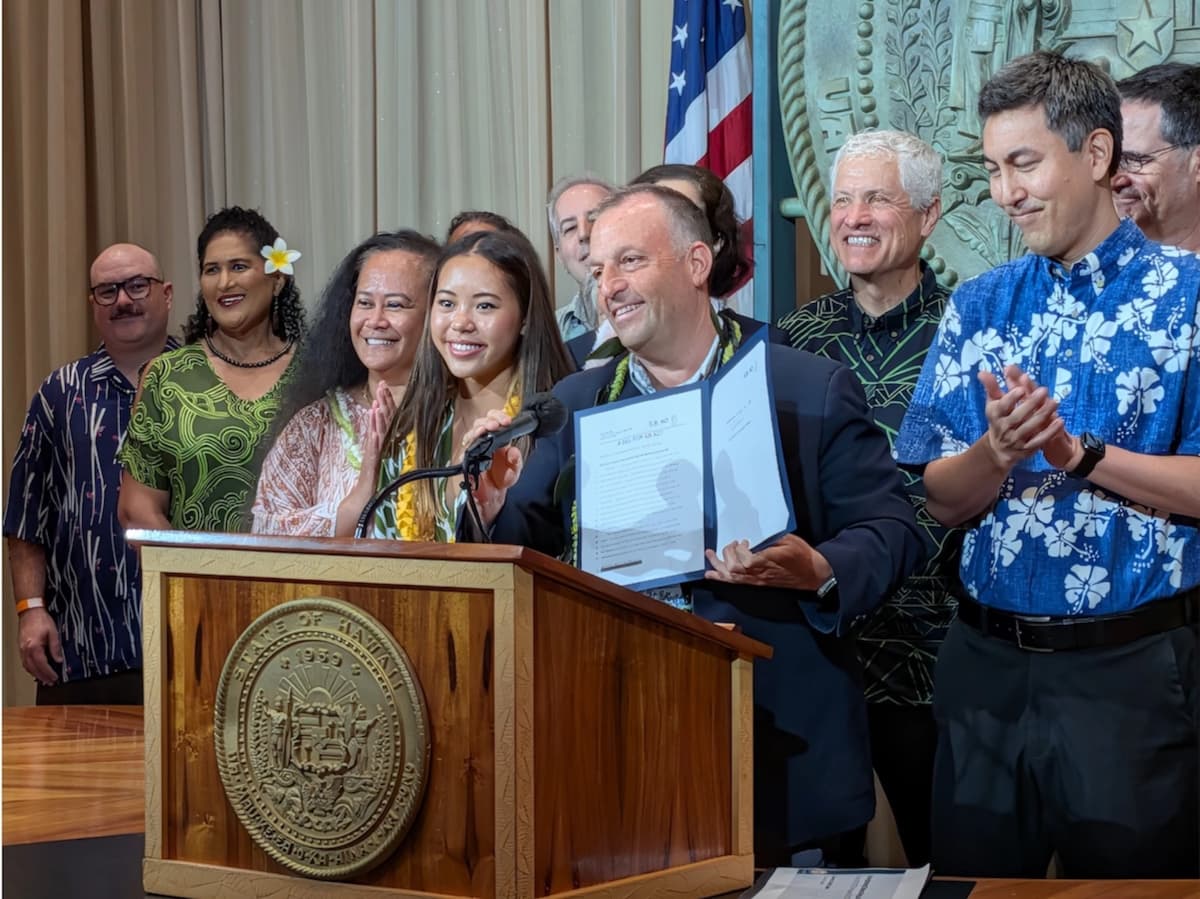
The U.S. state of Hawaii has approved two new laws that will significantly reshape its e-cigarette market, introducing stricter product authorization requirements and banning the sale of most disposable vaping devices beginning in 2027.
The legislation reflects Hawaii’s broader efforts to strengthen oversight of vaping products by aligning state regulations more closely with the U.S. Food and Drug Administration’s (FDA) authorization process while also addressing environmental concerns associated with disposable devices.
FDA Authorization Becomes a Key Market Requirement
One of the newly enacted laws, HB1573, requires manufacturers of e-cigarettes and e-liquids sold in Hawaii to demonstrate that their products comply with both state and federal regulations.
Under the new rules, manufacturers must submit annual certifications to the Hawaii Department of the Attorney General, confirming that each product has received an FDA Marketing Granted Order (MGO) or otherwise meets applicable legal requirements.
To improve transparency and enforcement, Hawaii plans to establish a publicly accessible product directory listing all vaping products and manufacturers authorized for sale within the state.
Retailers that sell products not included in the official directory may face enforcement actions and financial penalties.
State Representative Scot Matayoshi emphasized that the legislation is not intended to prohibit vaping products entirely but rather to significantly narrow the range of products that can be legally sold.
Disposable Vapes to Be Banned in 2027
A second measure, SB2175, introduces a statewide ban on the sale of most disposable e-cigarettes beginning January 1, 2027.
The legislation primarily targets disposable vaping products containing lithium-ion batteries, citing concerns related to both youth access and environmental waste.
State lawmakers argue that single-use vaping devices contribute to electronic waste while also remaining particularly popular among underage users.
Businesses that continue selling prohibited disposable products after the ban takes effect may be subject to penalties under state law.
FDA-Authorized Exceptions Remain
The legislation includes limited exceptions for disposable products that have received formal authorization from the FDA.
For example, products such as the NJOY DAILY, which has obtained an FDA Marketing Granted Order, are expected to remain eligible for sale under Hawaii’s new regulatory framework.
This distinction highlights Hawaii’s focus on restricting unauthorized products rather than imposing a blanket ban on all disposable vaping devices.
A Shift Toward Product Access Management
Hawaii officials have stated that the objective of the new laws is not to eliminate vaping products from the market, but to reduce the availability of unauthorized products through stricter regulatory oversight.
Because only a relatively small number of vaping products have received FDA marketing authorization, the new rules are expected to significantly reduce the availability of many flavored products that currently lack federal approval.
State policymakers believe that limiting access to unauthorized vaping products may help reduce youth exposure while strengthening overall consumer protections.
Potential Impact on the Vaping Industry
The new legislation is likely to have significant implications for manufacturers, distributors, and retailers operating in Hawaii.
Companies seeking to remain in the state’s market may face additional compliance requirements, including:
- Annual regulatory certifications
- Documentation demonstrating FDA authorization
- Ongoing reporting obligations
- Increased compliance and administrative costs
Manufacturers that currently rely heavily on disposable products may also need to adjust their product portfolios by expanding offerings such as:
- Rechargeable vaping devices
- Refillable pod systems
- FDA-authorized products
- Other compliant alternatives
A Broader Trend in U.S. Regulation
Hawaii’s new laws illustrate a broader evolution in U.S. vaping regulation.
Rather than relying solely on age restrictions or sales limitations, some states are increasingly adopting product access management strategies that tie market eligibility directly to FDA authorization.
At the same time, policymakers are also placing greater emphasis on environmental sustainability by targeting disposable products that generate significant electronic waste.
As regulators continue balancing public health objectives, youth prevention efforts, and environmental considerations, Hawaii’s approach may serve as a model for other states considering similar legislation.
Looking Ahead
The implementation of HB1573 and SB2175 marks one of the most comprehensive changes to Hawaii’s vaping regulations in recent years. By requiring FDA-authorized products and phasing out most disposable e-cigarettes, the state is narrowing the range of products available while encouraging greater regulatory compliance across the industry.
Whether other U.S. states adopt comparable policies remains to be seen, but Hawaii’s latest legislation underscores a growing trend toward stricter oversight of vaping products and a stronger reliance on federal authorization standards as a prerequisite for market access.