








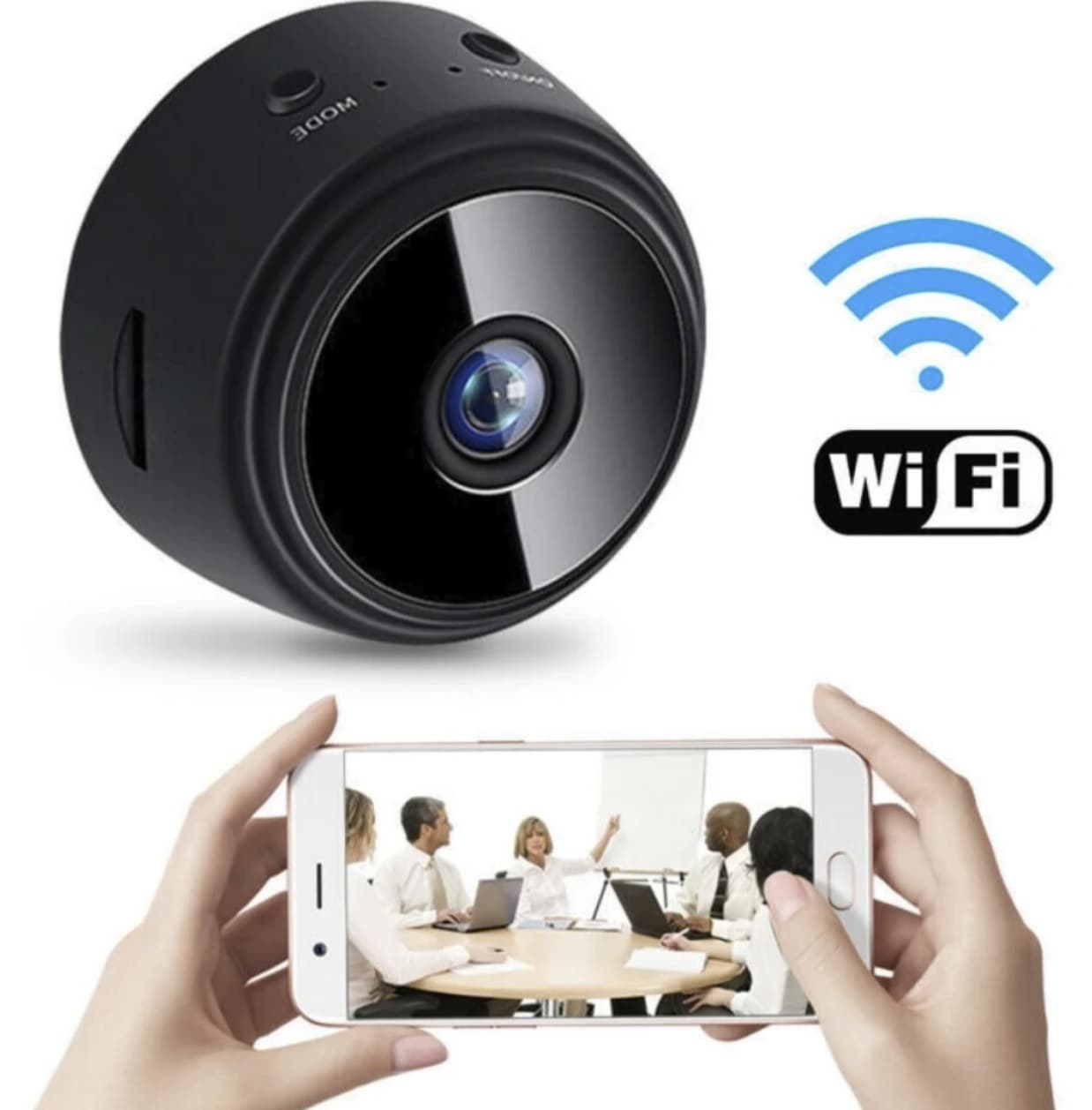
So, you picked up the A9 Mini WiFi Security Camera because it was affordable, compact, and seemed to offer a convenient way to monitor a space. But after unboxing it, the reality can be less straightforward: failed connections, confusing setup apps, and disappointing image quality can quickly turn a simple installation into a frustrating experience. If you’re struggling to get the camera working properly, you’re certainly not the only one.
Forget the marketing fluff about “easy installation.” Your purchase is just the beginning. This guide is for the post-purchase reality, a blunt, practical manual to either get your camera working or help you cut your losses . There’s a reason so many of these cameras are returned, and we’re going to tackle those reasons head-on.
Step 1: Acceptance & Realistic Expectations
Before you do anything, understand what you’re working with. The A9 has serious limitations that no amount of troubleshooting will fix. Accepting these realities will save you hours of frustration.
First, manage your expectations about that battery. The built-in 250mAh battery is a joke—it’s for a few minutes of emergency use, not real monitoring . Expect around 40-60 minutes of use on a full charge, at most . Treat the camera as needing a constant USB power source (from a plug or a power bank) for any practical, 24/7 use .
Second, the video quality is unlikely to live up to the “1080P” claim. For a camera this small and cheap, the image sensor and compression are a bottleneck. Many users report choppy footage of only 2-3 frames per second, which is far from smooth video . Real-world detail for reading a license plate or recognizing a face clearly is limited to within 3-5 meters in good lighting, and much less at night . Think of it as a “general awareness” device, not a high-definition surveillance tool.
Step 2: Surviving the App & Setup Maze
This is where most users lose their minds. The A9’s official instructions are famously terrible or missing, and the app situation is a chaos of poorly-made third-party guides . Here’s your survival strategy.
First, forget the “official” app. There are multiple, confusingly named guide apps—v720, v380, HD Mini Cam, and others . The camera itself doesn’t come with a single, stable official app. Your job is to find one that works, and even then, expect ads and a clunky interface. Be aware that many guide apps for the A9 are not official; they are independent tutorials . Some users have reported that the functional app forces you to watch advertisements just to access your own footage .
Second, when you attempt to connect, your phone and the camera must be on the same 2.4GHz Wi-Fi network . The camera cannot connect to 5GHz networks, so double-check this if you have a dual-band router.
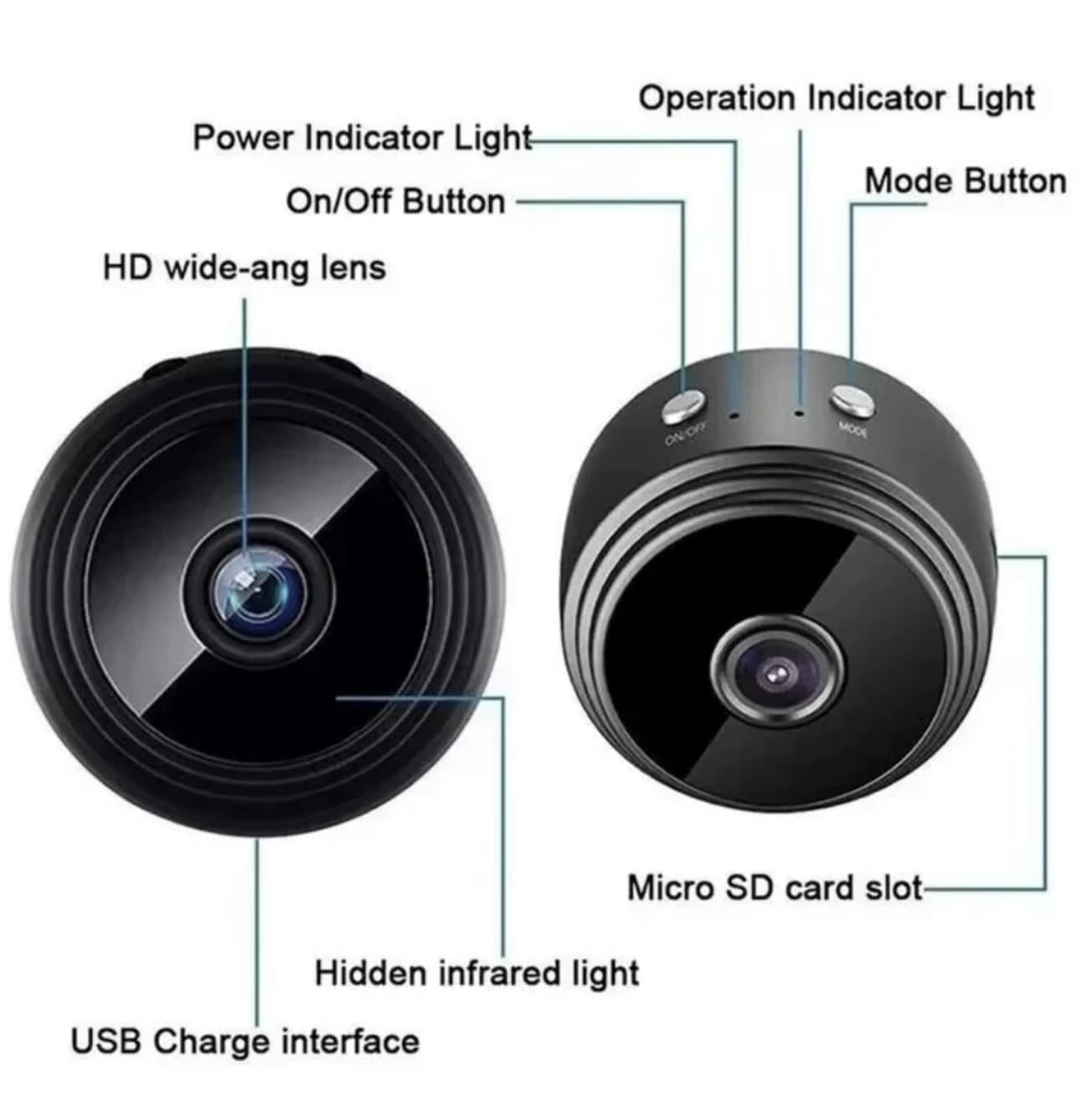
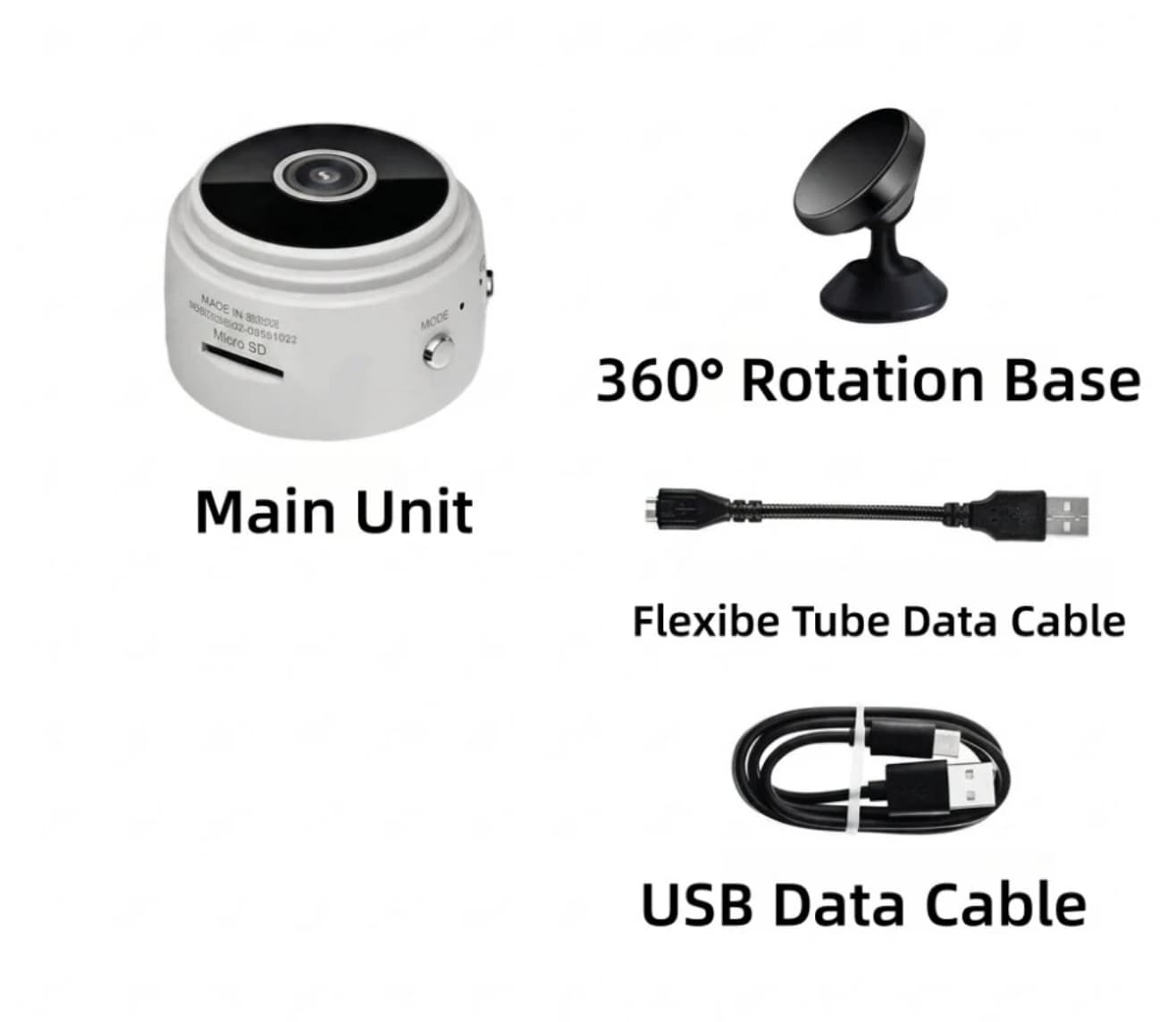
Third, if the camera seems to connect but shows a “no video” or “black screen,” try the classic reset routine. Find the Mode/Reset button on the device . With the camera on, press and hold this button for about 5 seconds . The lights should flash and the camera will restart. This often resolves temporary glitches. Sometimes the camera will show up as a Wi-Fi network itself (like “A9…”). You need to connect your phone to this network first, then use the app to configure the camera to join your home Wi-Fi .
Step 3: Troubleshooting the Most Common Nightmares
Here are the three most common A9 nightmares and how to possibly fix them:
Nightmare 1: “unknown-ssid” Error
-
Problem: The app can’t find your camera or displays this cryptic error, making it impossible to connect .
-
Survival Tactic: Power off the camera completely. Turn it back on and wait for it to fully boot. Then, go to your phone’s Wi-Fi settings and manually look for the camera’s own Wi-Fi network name. Connect to it directly. Now, open the app again, and it should see the camera in “AP mode” for setup. Once connected, you can use the app to tell the camera your home Wi-Fi details .
Nightmare 2: Terrible, Choppy Video (2-3 FPS)
-
Problem: The video you record or view looks like a slideshow, not a video .
-
Survival Tactic: This is often a symptom of a weak Wi-Fi signal. Move the camera closer to your router. If that doesn’t help, try a different app. Some users find that one of the many guide apps (v380, HD Mini Cam) provides a more stable connection and better playback than others . There’s no guaranteed fix for this hardware limitation, but it’s worth testing.
Nightmare 3: It Resets or Disconnects Constantly
-
Problem: The camera loses its connection or resets itself moments after connecting .
-
Survival Tactic: Ensure the camera is receiving stable power. A fluctuating USB power source or a dying power bank can cause reboots. Use a high-quality USB wall adapter. Also, make sure no other devices are heavily congesting your 2.4GHz Wi-Fi network.
Step 4: The Final Choice—Persevere or Abandon
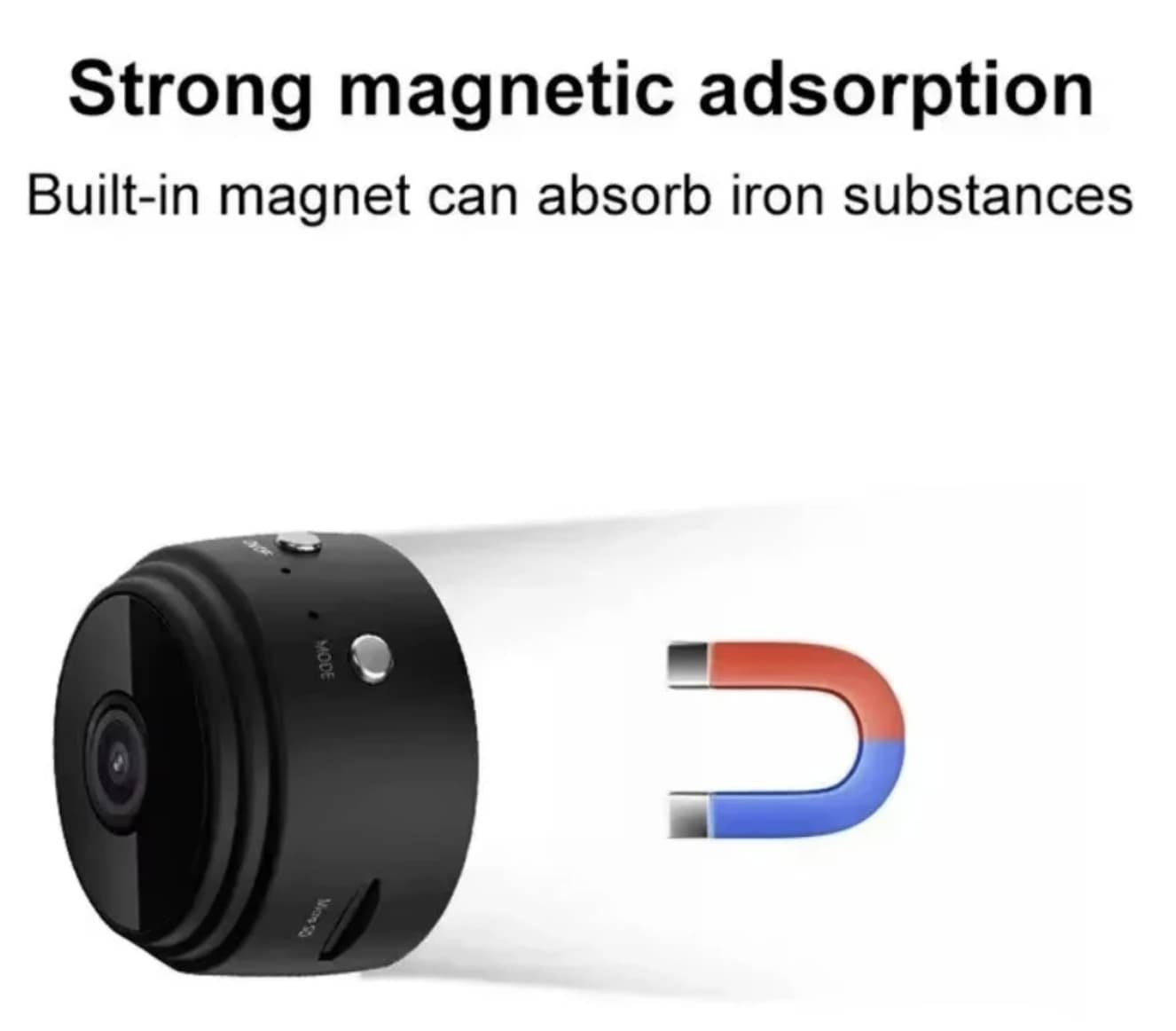
After trying the steps above, you have a choice. If you’ve managed to get the camera working (even with its limitations), it can serve a purpose as a low-cost, secondary “peek-in” camera for a specific, well-lit, and small area. Its small size and magnetic mount are genuinely useful for keeping an eye on a pet crate, a front door package drop, or a specific room .
If the A9 Mini Camera still refuses to work after an hour of troubleshooting, there is no reason to keep fighting with it—consider returning the device. Some users have reported frustrating setup instructions, poor support, and an overall experience that was not worth the hassle. Since your time matters, a low-cost camera should not require endless effort just to get it running. If repeated troubleshooting leads nowhere, returning the device and choosing a better-supported alternative may be the smarter option.