










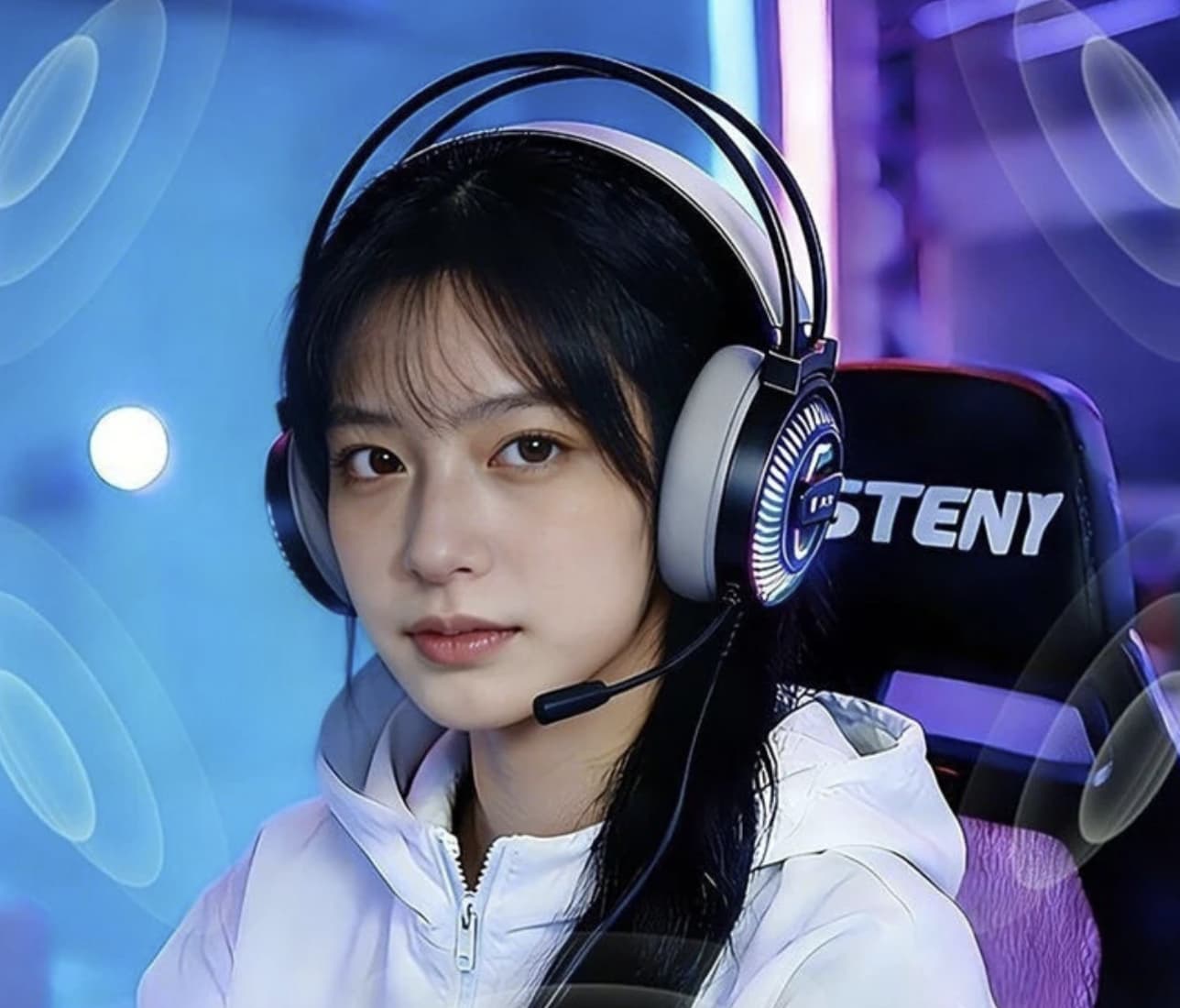
A gaming headset does more than make a game louder. In competitive titles, the ability to separate footsteps, reload sounds, explosions, voice chat and environmental effects can directly affect how quickly a player reacts. That makes audio positioning just as interesting as raw sound quality.
The ASUS Adol T05 gaming headset takes this approach with large 50mm drivers, virtual 7.1 spatial surround sound, AI-assisted call noise cancellation and a wired connection. It also adds RGB lighting and an ergonomic design aimed at longer gaming sessions.
Rather than judging it only by its specification sheet, the more useful question is: what kind of gamer would actually benefit from the Adol T05?
A Wired Headset Designed Around Competitive Gaming
Wireless freedom is convenient, but a wired headset still makes sense for a desktop gaming setup where latency, charging and connection stability are higher priorities.
The Adol T05 uses a wired connection and supports both 3.5mm and USB connectivity, giving it a practical advantage for PC users who want to keep their audio setup simple. The product listing specifically positions the headset around low-delay gaming, while the physical connection avoids the battery-management issue found on wireless headsets.
For an FPS player, this matters because audio timing is part of the information loop. A gunshot, footstep or reload sound arriving consistently with the action can make the experience feel more immediate.
Of course, a wired headset cannot compensate for network latency or poor game performance. Its advantage is narrower: it provides a direct audio connection without adding another wireless link to the setup.
What Do the 50mm Drivers Actually Add?
The Adol T05 uses 50mm drivers, which are larger than those found in many compact gaming headsets. The listing rates them for a 20Hz–20kHz frequency response, with 32Ω impedance and 112dB/mW sensitivity.
The important point is that driver size alone does not determine whether headphones sound good. Tuning, enclosure design and signal processing all contribute to the final result.
For gaming, however, a larger driver can provide plenty of room for a sound profile that combines low-frequency impact with audible midrange details. That makes the T05 suitable for more than competitive shooters.
Explosions and vehicle engines can benefit from stronger low-end presence, while footsteps, weapon handling and environmental cues occupy frequencies where clarity is more important than sheer volume.
This distinction is worth remembering. A good gaming headset should not simply make everything louder. It should make important sounds easier to distinguish.
7.1 Spatial Surround Sound Has a Specific Purpose
The Adol T05 also features 7.1 spatial surround sound, using virtual processing to create a wider directional audio presentation. The goal is to make sounds appear to come from different positions around the listener. For competitive FPS gaming, understanding how spatial audio improves positional awareness can help players choose the right headset features for their setup.
This can be particularly useful in FPS games.
Imagine hearing movement somewhere behind your character. With ordinary stereo audio, you can still determine left and right, but additional spatial processing may make the soundstage feel more expansive. In games that provide well-designed positional audio, this can help players interpret where an opponent may be moving.
There is an important caveat: virtual surround is not automatically better for every game.
Some players may prefer stereo because it sounds more natural or because they already know how to interpret the game’s native positional audio. The best approach is therefore to treat 7.1 as a tool rather than a guaranteed competitive advantage.
For cinematic games, meanwhile, spatial processing can make environmental effects feel more immersive even when precise positioning is not important.
AI Noise Cancellation Focuses on the Microphone
The Adol T05’s AI call noise cancellation is aimed at another common gaming problem: keeping voice communication understandable when the environment is noisy.
The product listing describes a dual-microphone noise-cancellation system designed to reduce sounds such as keyboard clicks and surrounding chatter.
That is particularly relevant for multiplayer games.
A teammate does not need your entire room transmitted through voice chat. They need your callout.
Whether you are reporting an enemy position, asking for support or coordinating a push, reducing background distractions can make communication easier for everyone in the squad.
This feature also makes the T05 useful beyond gaming. Voice chat, online meetings and casual conversations can all benefit from a microphone that prioritizes speech over surrounding noise.
RGB Is Mostly About the Setup
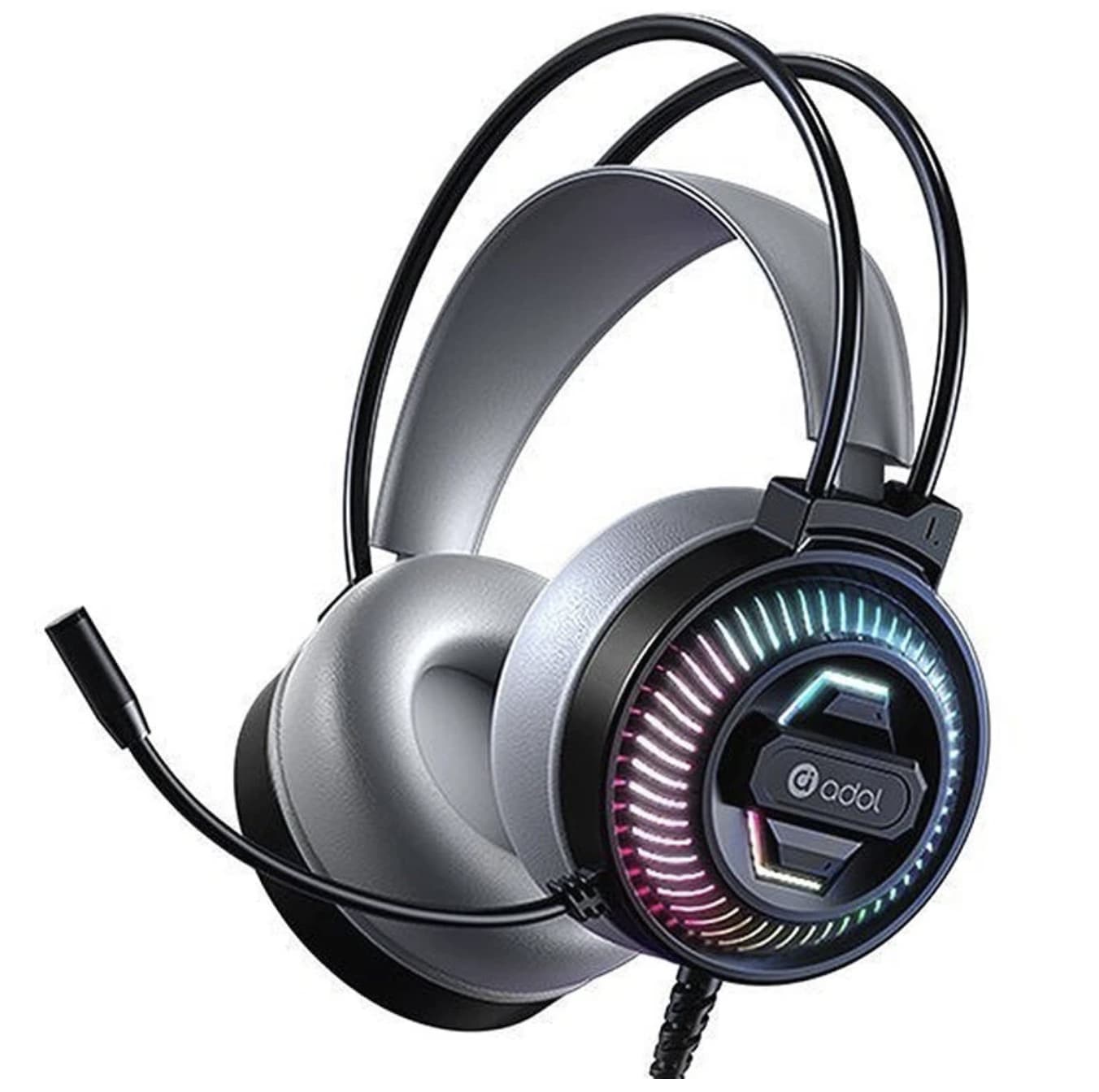
The headset includes RGB lighting around the earcups.
Unlike spatial audio or microphone processing, RGB does not change game performance. Its purpose is visual.
For gamers building a coordinated desktop setup, illuminated earcups can complement an RGB keyboard, mouse and PC. For someone who does not care about lighting, however, this is naturally less important.
That is actually useful when evaluating the headset because it separates a genuine functional feature from an aesthetic one.
The T05’s more meaningful gaming features are its audio drivers, spatial processing, microphone noise cancellation and wired connection. RGB is the finishing touch.
Is the Adol T05 Comfortable Enough for Long Sessions?
Gaming headsets often spend more time on a player’s head than expected. A headset that sounds good for 30 minutes but becomes uncomfortable after several hours is not particularly useful for marathon sessions.
These design choices make long-session gaming comfort an important consideration for players who regularly spend several hours at their desk.
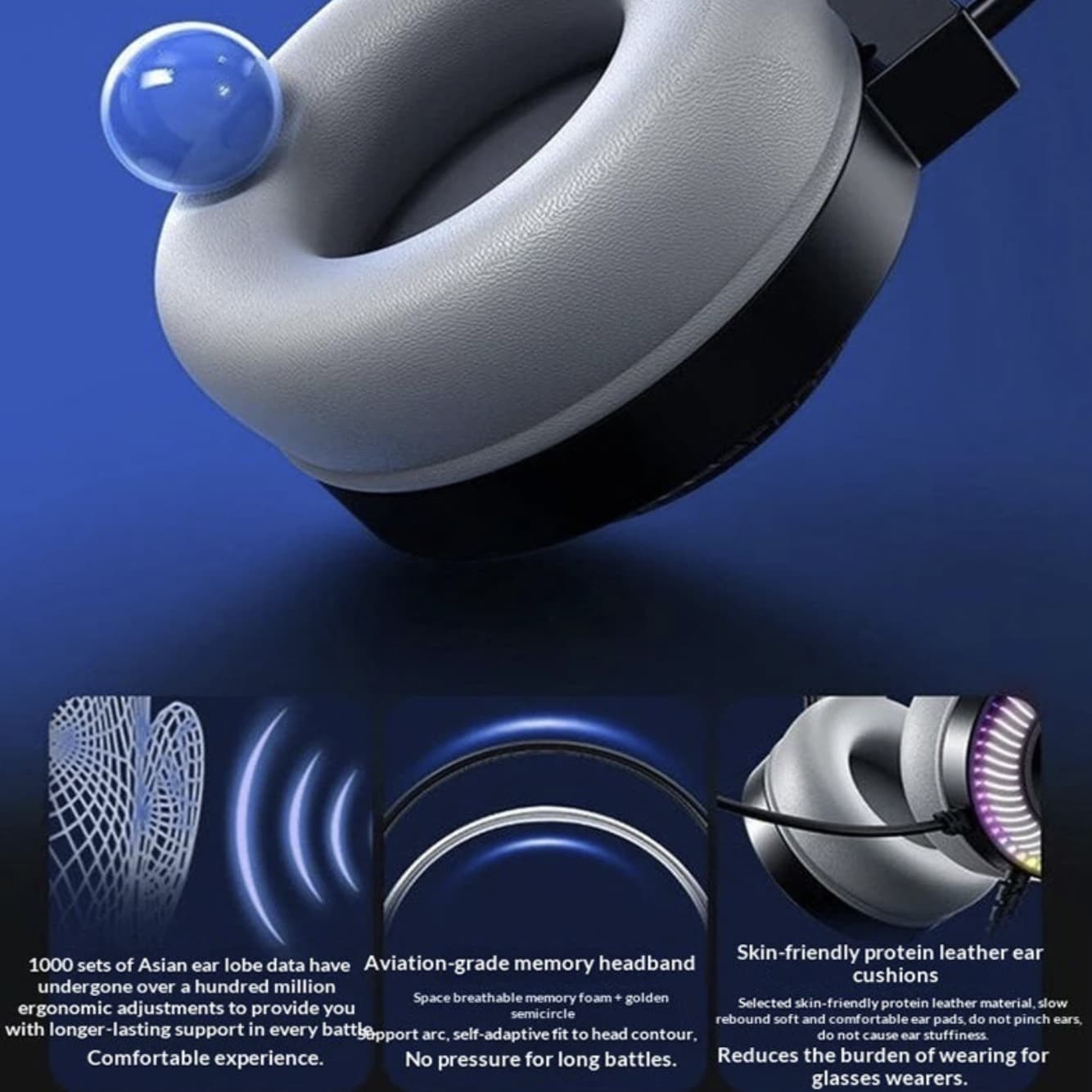
The Adol T05 is designed with a pressure-reducing memory-foam headband and soft protein-leather earcups. Banggood lists the product weight at approximately 200g in its specification table, while the feature description gives a higher 293g figure, so buyers should treat the exact weight cautiously rather than relying on a single number.
The broader design goal is clear: distribute pressure across the head and provide cushioned contact around the ears.
That matters for several types of users:
- Competitive players spending multiple hours in FPS matches
- PC gamers who alternate between gaming and voice chat
- Students or remote workers using one headset for several activities
- Players who prefer a traditional over-ear design instead of earbuds
Comfort is highly personal, though. Head shape, glasses, ear size and preferred clamping pressure can all affect the experience.
The 3.5mm + USB Approach Makes the T05 More Flexible
One of the more practical aspects of the headset is its combination of 3.5mm and USB connectivity.
This matters because gaming setups are rarely identical.
A desktop PC may provide separate audio connections, while a laptop might rely on a combined headset jack or USB port. Having multiple connection options gives the headset more flexibility than a device built around only one interface.
It also makes the T05 easier to consider as a general-purpose desktop headset rather than something restricted to one gaming machine.
Before buying, users should still check exactly how the included USB and 3.5mm connections handle features such as lighting, microphone functions and surround processing on their particular device.
Who Is the ASUS Adol T05 For?
The Adol T05 makes the most sense for gamers who want a feature-rich wired headset without moving into a complicated wireless ecosystem. Players looking for a gaming headset for FPS games should pay particular attention to directional audio, microphone clarity and connection stability.
It is particularly interesting for:
FPS players:
The combination of 50mm drivers and virtual 7.1 spatial audio is aimed at players who care about directional cues and environmental awareness.
PC gamers:
USB and 3.5mm connectivity gives desktop setups more flexibility.
Team-based players:
AI-assisted microphone noise cancellation can be useful when clear communication matters.
Long-session gamers:
The cushioned headband and earcups are designed with extended wear in mind.
RGB setup builders:
The illuminated earcups add visual consistency to a gaming desk.
It may be less compelling for someone who specifically wants wireless freedom, audiophile-grade music reproduction or a headset designed primarily for mobile gaming.
ASUS Adol T05: Specifications at a Glance
| Feature | ASUS Adol T05 |
|---|---|
| Type | Wired gaming headset |
| Driver | 50mm |
| Surround | Virtual 7.1 spatial surround |
| Frequency response | 20Hz–20kHz |
| Impedance | 32Ω ±15% |
| Sensitivity | 112dB/mW |
| Microphone | Yes |
| Noise cancellation | Yes |
| Connectivity | 3.5mm / USB |
| Lighting | RGB |
| Design | Over-ear gaming headset |
| Color | Black/White |
The core specifications are based on the current product listing.
Final Verdict
ASUS Adol T05 gaming headset is not trying to win attention with one unusual specification. Instead, it combines several features that address the everyday needs of PC gamers: large 50mm drivers, virtual 7.1 spatial audio, AI-assisted microphone noise cancellation, wired connectivity and long-session ergonomics.
Its biggest appeal is therefore its balance.
Competitive FPS players get tools aimed at positional awareness and communication, while casual gamers can use the same headset for story-driven games, music, voice chat and general desktop entertainment.
The most important thing to remember is that features such as 7.1 surround and AI noise cancellation are not magic shortcuts to better gameplay. Their value depends on the game, software implementation and user’s preferences. But for gamers who want a wired PC headset that combines immersive sound, directional audio and practical communication features, the Adol T05 is a well-rounded option worth considering.